

logo

High-Performance brown mirror glass Solutions for Libya's Modern Architecture

Integrating advanced thermal control and aesthetic brilliance to meet the rigorous demands of the Libyan climate and urban development.

High-Performance brown mirror glass Solutions for Libya's Modern Architecture

Providing the Libyan construction sector with premium architectural glass that balances solar heat rejection with high-end interior aesthetics.

The Current State of Glass Manufacturing in Libya

Analyzing the intersection of desert climate challenges and rapid urbanization in the North African market.

Libya's architectural landscape is currently defined by a struggle against extreme thermal fluctuations and intense UV radiation. The reliance on high-quality float glass has become critical as the nation rebuilds its urban infrastructure in cities like Tripoli and Benghazi, where heat gain is a primary operational cost for commercial buildings.

The local market is shifting away from basic glazing toward specialized solutions. There is a surging demand for float glass window systems that can withstand sandstorms and maintain structural integrity under high pressure, while providing essential energy efficiency to reduce reliance on power grids.

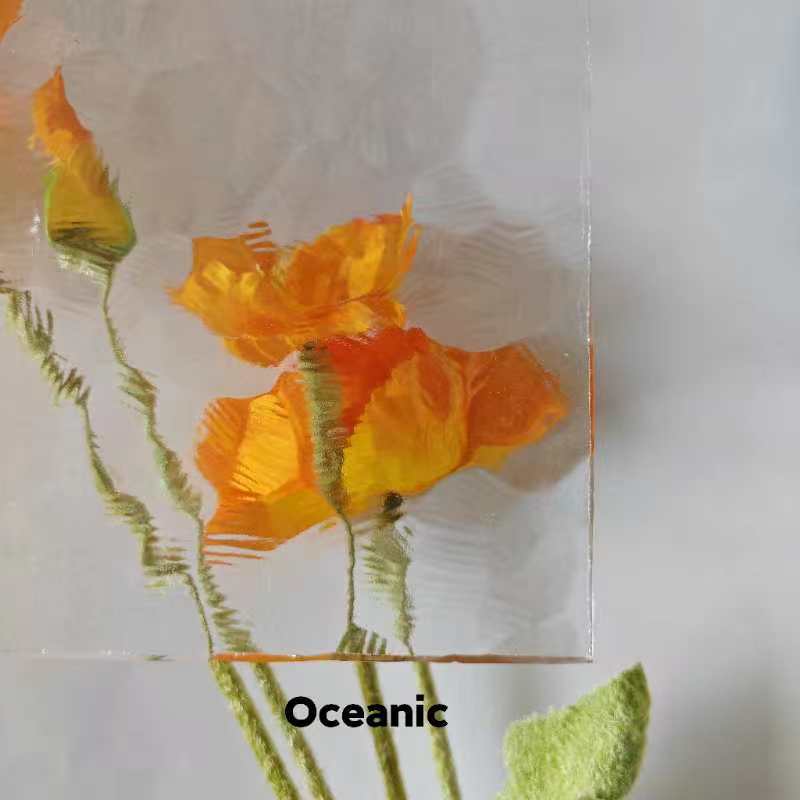
Furthermore, the luxury residential sector in Libya is increasingly adopting decorative glass to blend traditional Islamic geometric patterns with modern minimalist designs, creating a unique hybrid of cultural heritage and contemporary glass technology.
Evolution and Trajectory of Libyan Glass Tech

From standard clear panes to high-performance solar-control systems.

Market Development History

In the early 2000s, the Libyan market was dominated by basic single-pane imports. The primary focus was simple transparency and basic protection, with limited consideration for thermal insulation, leading to high energy consumption in air conditioning.

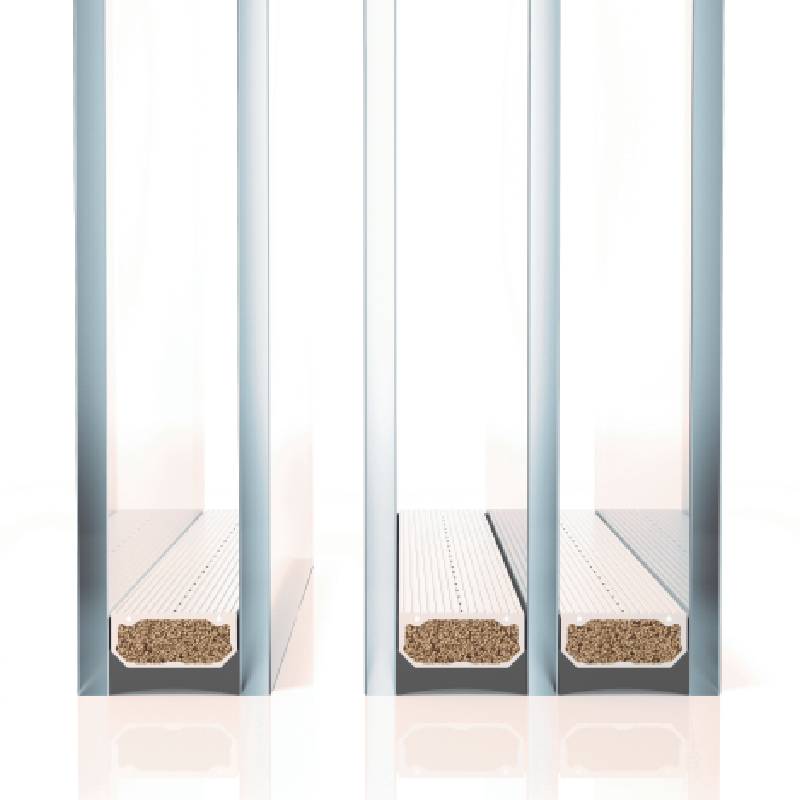
Between 2010 and 2020, a technical shift occurred. The industry moved toward double-glazing and the widespread adoption of float window glass. This period marked the introduction of Low-E coatings to combat the intense Sahara heat, significantly improving indoor comfort.

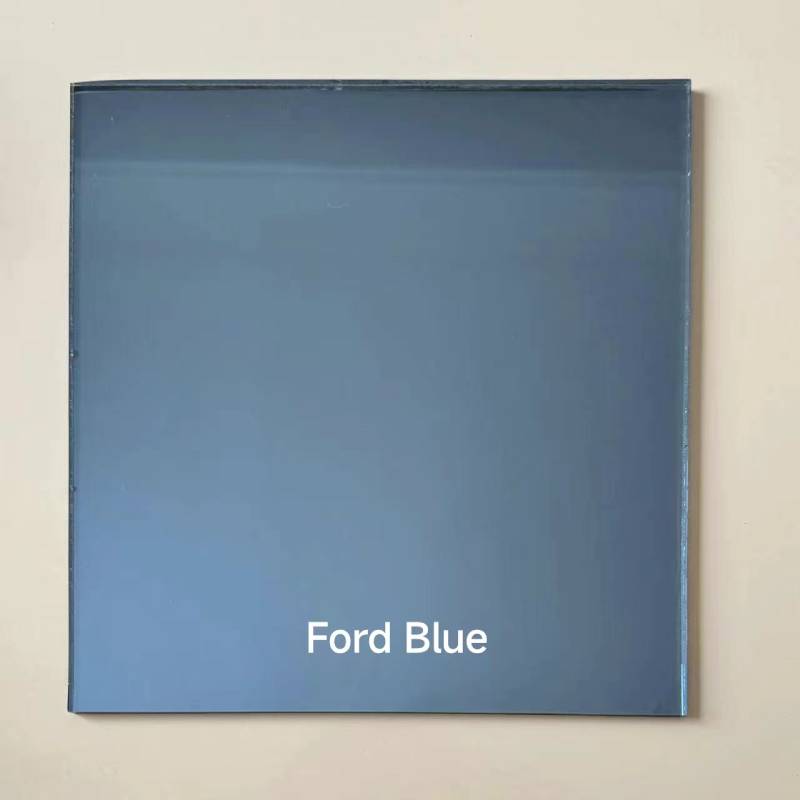
Currently, the market has entered the "Aesthetic Functionality" phase. Modern projects now integrate specialized tinted glass and mirrors to achieve privacy and heat reflection simultaneously, marking a transition from purely structural needs to design-driven specifications.

Future Development Trends

Integration of Smart Glass

The next 3 years will see a rise in electrochromic glass that adjusts transparency based on the sun's position, a critical evolution for Libya's energy-saving goals.

Sustainable Raw Material Sourcing

There is a growing trend toward using recycled cullet in the production of architectural glass to reduce the carbon footprint of large-scale government housing projects.

High-Performance Thermal Barriers

Future specifications will prioritize vacuum-insulated glazing to reach near-zero heat transfer, essential for the extreme Libyan summer peaks.

Industry Trends and Future Outlook

Strategic forecasting for the glass sector in the Libyan Mediterranean and Saharan zones.

Solar Heat Mitigation
Increased adoption of high-reflectivity coatings to reduce the urban heat island effect in Tripoli.
Urban Reconstruction
Massive demand for standardized glazing components in new government and commercial districts.
Aesthetic Diversification
Shift toward tinted and mirrored surfaces to enhance building facade luxury and privacy.
Eco-Friendly Glass
Focus on recyclable glass materials and Low-VOC manufacturing processes for LEED certifications.

Industry Outlook

Based on Google Search trends for "energy efficient building materials in North Africa," there is a clear correlation between rising temperature peaks in Libya and the search volume for solar-reflective glass. The market is expected to grow by 4.5% CAGR as the country invests in new administrative centers.

We predict that within the next 5 years, the preference for standard clear glass will decline in favor of tinted and mirrored solutions that offer inherent UV protection, reducing the reliance on internal blinds and curtains.

Localized Glass Applications in Libya

Tailored glass solutions for the unique environmental and architectural needs of the Libyan region.

01. High-Rise Commercial Facades in Tripoli

Utilization of mirrored glass to reflect intense sunlight and reduce HVAC loads in the capital's growing business district.

02. Luxury Residential Villas in Benghazi

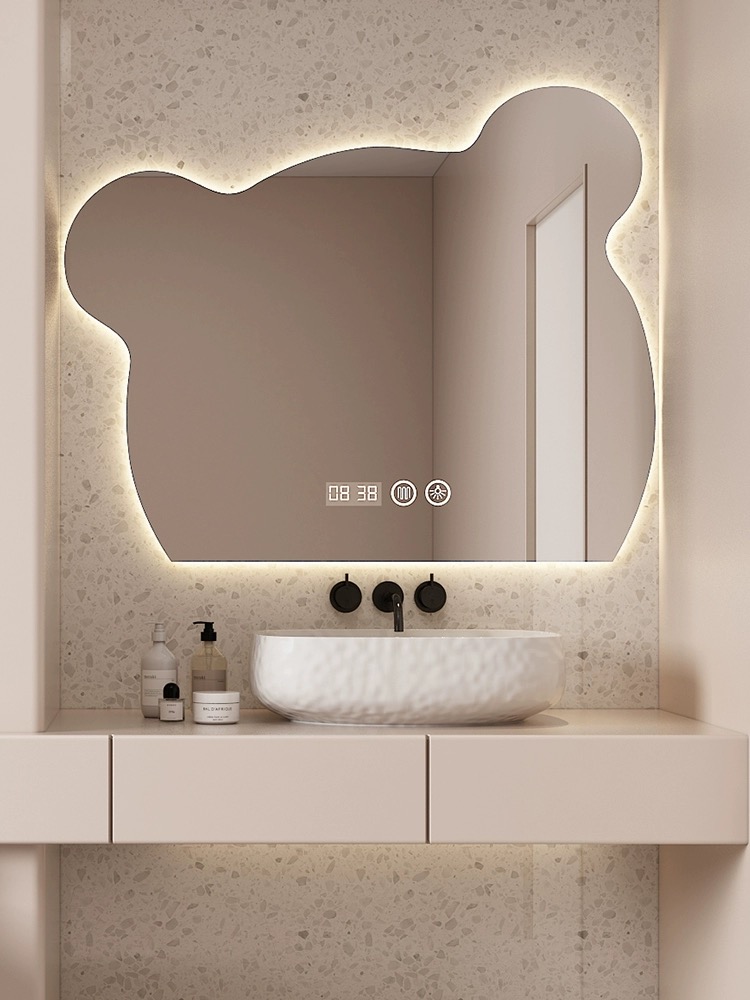
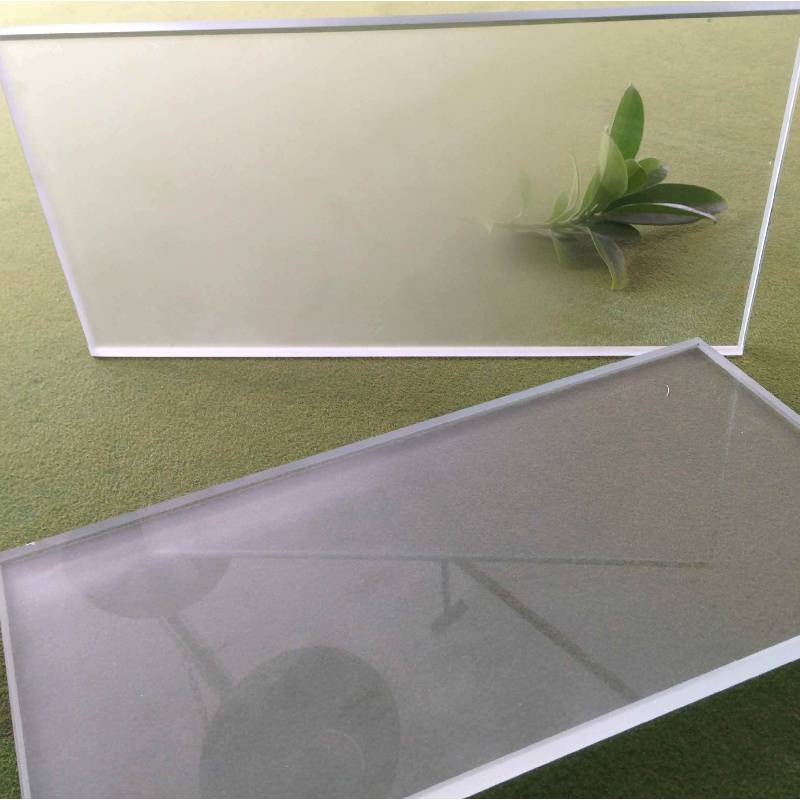
Application of custom decorative glass for interior partitions and artistic shower enclosures to enhance modern luxury.

03. Government Administrative Complexes

Installation of heavy-duty float window glass with reinforced frames to ensure durability against wind-blown sand particles.

04. Hotel and Resort Glazing in the Mediterranean Coast

Integration of salt-resistant coated glass to prevent corrosion from the sea breeze while providing panoramic views.

05. Industrial Warehousing in the Interior Plains

Deploying high-strength float glass for skylights to maximize natural light while filtering harsh UV radiation.

Brand Story

Global Development Journey of Shahe Top Glass Products Co., Ltd.

Founding Vision

Established with the mission to solve the problem of thermal instability in architectural glass, bridging the gap between luxury and energy efficiency.

Technological Breakthrough

Perfected the precision coating process for mirrors, ensuring zero-distortion and high-durability surfaces for extreme climates.

Global Market Expansion

Successfully entered the North African market, adapting our product line to withstand the unique challenges of the Libyan desert.

Quality Standardization

Achieved international certifications, ensuring every sheet of glass meets the strictest safety and optical standards worldwide.

Sustainable Future

Currently pioneering low-carbon glass manufacturing to support global green building initiatives and sustainable urbanization.

Comprehensive Glass Portfolio for Libya

A complete range of float and decorative glass tailored for North African construction specifications.

Frequently Asked Questions in Libya

Expert answers to common technical queries regarding glass installation in the region.

How does brown mirror glass perform in high-temperature desert climates?

It is highly effective. The tinted reflective layer significantly reduces solar heat gain and glare, making it ideal for the Libyan sun while maintaining a sophisticated aesthetic.

What is the best float glass window thickness for wind-prone areas in Libya?

For areas prone to strong winds and sandstorms, we recommend a minimum of 6mm toughened float glass, often configured as double-glazing for enhanced stability.

Can decorative glass be used in exterior applications in North Africa?

Yes, provided it is tempered and treated with UV-resistant coatings to prevent discoloration under the intense Libyan sunlight.

What are the advantages of using float window glass over standard glass?

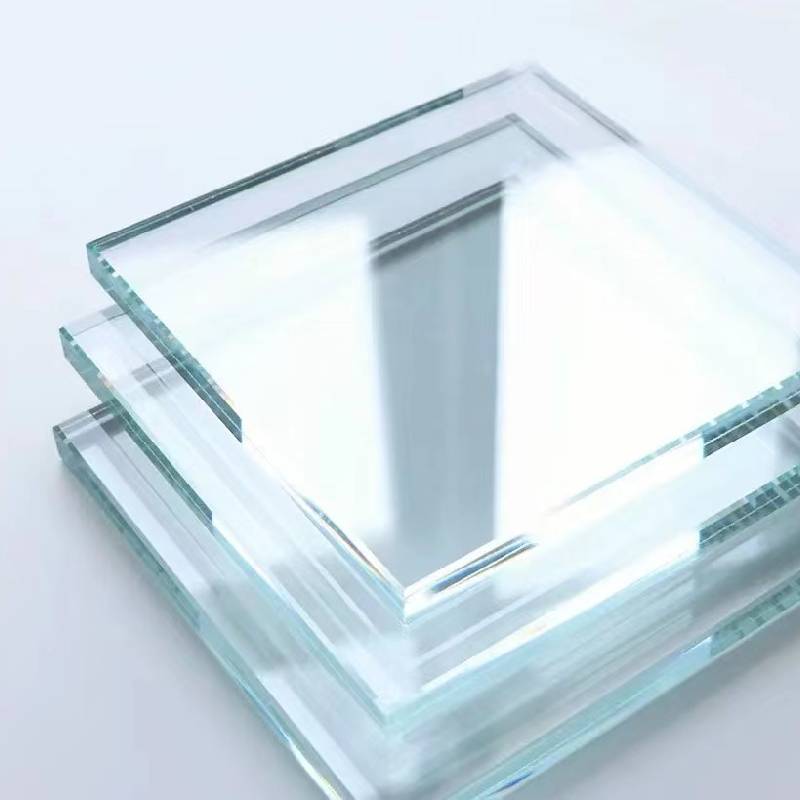
Float glass offers superior optical clarity, a perfectly flat surface, and consistent thickness, which is essential for airtight seals in energy-efficient buildings.

How to prevent sand abrasion on exterior glass surfaces?

We recommend using chemically strengthened glass or applying high-hardness protective coatings that resist scratching from airborne silica particles.

Is brown mirror glass suitable for privacy in residential areas?

Absolutely. Its reflective properties provide excellent daytime privacy, preventing outsiders from seeing inside while allowing occupants to view the exterior.

Ready to Upgrade Your Project?

Our experts are ready to provide tailored glass specifications for your construction needs in Libya.

Contact Us Now