

logo

High-Performance brown mirror glass Solutions for North Korea

Engineered for durability and aesthetic excellence, providing premium architectural glass solutions tailored to the unique industrial requirements of the North Korean market.

High-Performance brown mirror glass Solutions for North Korea

Our comprehensive range of glass products combines structural integrity with advanced optical clarity, ensuring long-term reliability for commercial and residential infrastructure across Asia - North Korea.

Current Glass Industry Landscape in North Korea

Analyzing the intersection of industrial demand and environmental challenges in the region.

The glass manufacturing sector in North Korea is currently characterized by a strong emphasis on state-led industrialization and infrastructure renewal. There is a growing demand for high-quality float glass to support the expansion of urban centers and the modernization of public buildings.

Due to the region's extreme seasonal temperature fluctuations, there is a critical need for glass that can withstand thermal stress. This has led to an increased preference for specialized float glass window systems that offer better insulation and structural stability compared to legacy materials.

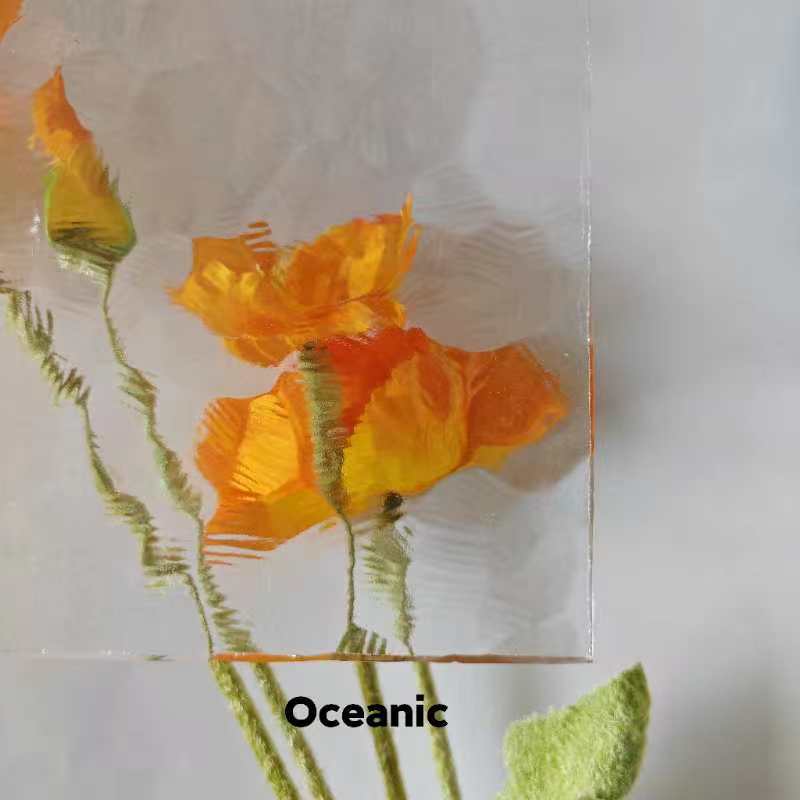
Furthermore, the rise of prestige architectural projects in Pyongyang has catalyzed the demand for decorative glass, moving the market from purely functional requirements toward a fusion of durability and visual sophistication.
Evolution and Trajectory of Glass Manufacturing

From traditional fabrication to modern precision engineering.

Market Development History

In the mid-20th century, the industry relied heavily on basic sheet glass production, which lacked uniformity and thermal efficiency. This period was defined by manual craftsmanship and limited material consistency.

By the 1990s and early 2000s, the transition toward standardized float window glass began, allowing for larger panes and better optical quality, which revolutionized the facade design of government and industrial buildings.

In the last decade, the integration of automated coating technologies has enabled the production of specialized mirrors and tinted glass, marking a shift toward value-added products that serve both protective and aesthetic functions.

Future Development Trends

Energy-Efficient Glazing

Integration of Low-E coatings within float glass structures to minimize heat loss during harsh North Korean winters.

Smart Glass Integration

A shift toward electrochromic glass that allows light control, reducing the energy load for large-scale administrative complexes.

Sustainable Production

Implementation of cullet recycling programs to reduce the carbon footprint of the non-metallic mineral processing cycle.

Industry Trends and Future Outlook

Strategic foresight into the technological shifts of the glass industry.

Advanced Thermal Coating
Deployment of high-performance coatings to combat extreme temperature variance in Northern Asia.
Precision Thickness Control
Utilizing digital sensors to ensure absolute uniformity in float glass for structural safety.
Architectural Aesthetics
Growing integration of tinted and mirrored glass for modern urban skyline aesthetics.
Impact Resistance
Enhanced tempering processes to increase the safety and lifespan of glass in high-traffic areas.

Industry Outlook

Based on regional search trends and industrial growth patterns, the next 3-5 years will see a significant shift toward "Green Glazing." There is a clear movement toward reducing the energy cost of heating large glass structures through multi-layered vacuum technology.

We anticipate a rise in the demand for custom-colored architectural glass that reflects national identity while providing superior solar protection, ensuring that future developments are both sustainable and visually impactful.

Localized Application Scenarios in North Korea

Practical implementations of our glass solutions across diverse regional sectors.

01. Government Administrative Complexes

Installation of large-scale float window glass to create imposing and transparent facades that symbolize modernity and stability.

02. High-Rise Residential Apartments

Utilizing energy-efficient float glass window units to ensure thermal insulation for residents during extreme winter cycles.

03. Luxury Hospitality and Hotel Interiors

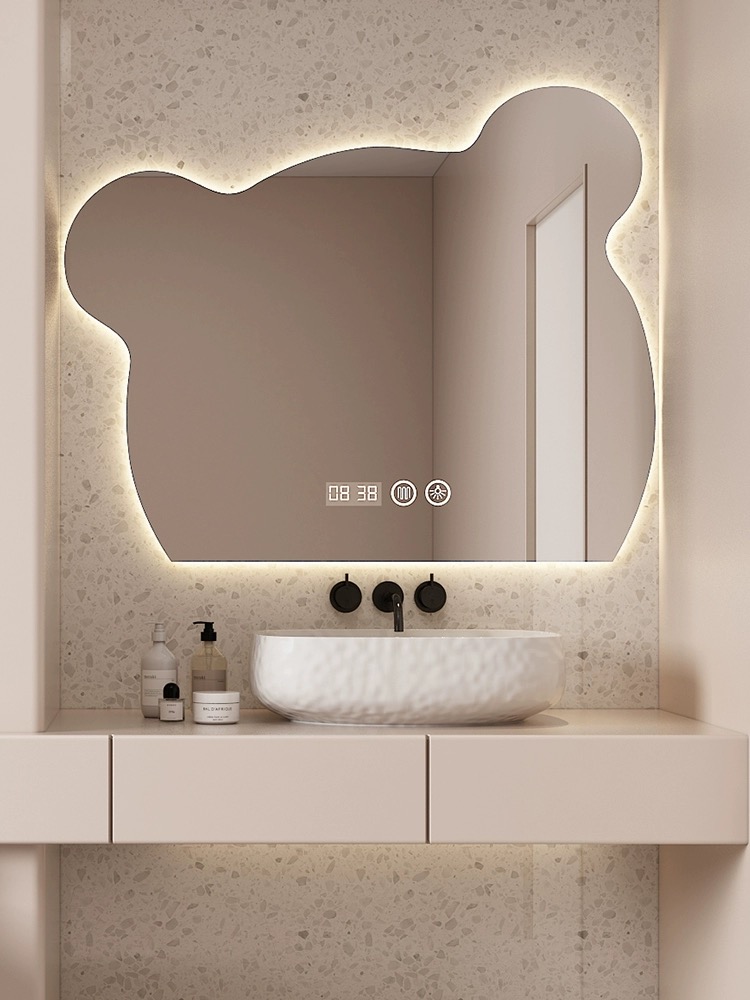
Implementation of decorative glass partitions and mirrored walls to enhance spatial depth and opulent aesthetics in lobby areas.

04. Industrial Plant Protection

Application of reinforced glass panels in manufacturing zones to provide visibility while maintaining strict safety and impact barriers.

05. Urban Commercial Storefronts

Use of high-clarity float glass for retail displays in Pyongyang, maximizing product visibility and attracting foot traffic.

Brand Story

Global Development Journey of Shahe City Tptop Glass Products Co., Ltd.

Foundational Excellence

Established with a mission to solve the instability of raw glass quality, focusing on precision float glass production.

Technological Breakthrough

Innovated a proprietary coating process that significantly increased the durability of architectural mirrors.

Market Expansion

Extended operations to Asia and beyond, adapting products to meet various regional climate challenges.

Quality Standardization

Achieved international certifications, ensuring that every pane of glass meets rigorous global safety standards.

Vision for Tomorrow

Committed to leading the transition toward sustainable, intelligent glass solutions for the next generation of architecture.

Complete Product Portfolio for North Korea

A comprehensive selection of glass products designed for the specific demands of the regional market.

Frequently Asked Questions for the Local Market

Expert answers to common technical and logistics queries regarding glass procurement.

How does float glass handle extreme winter temperatures in North Korea?

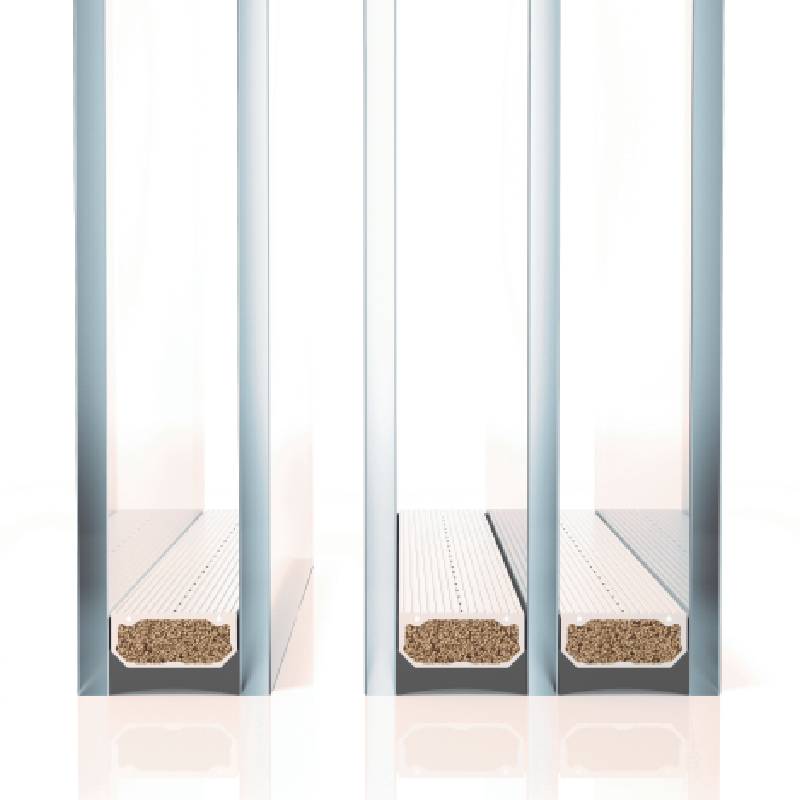
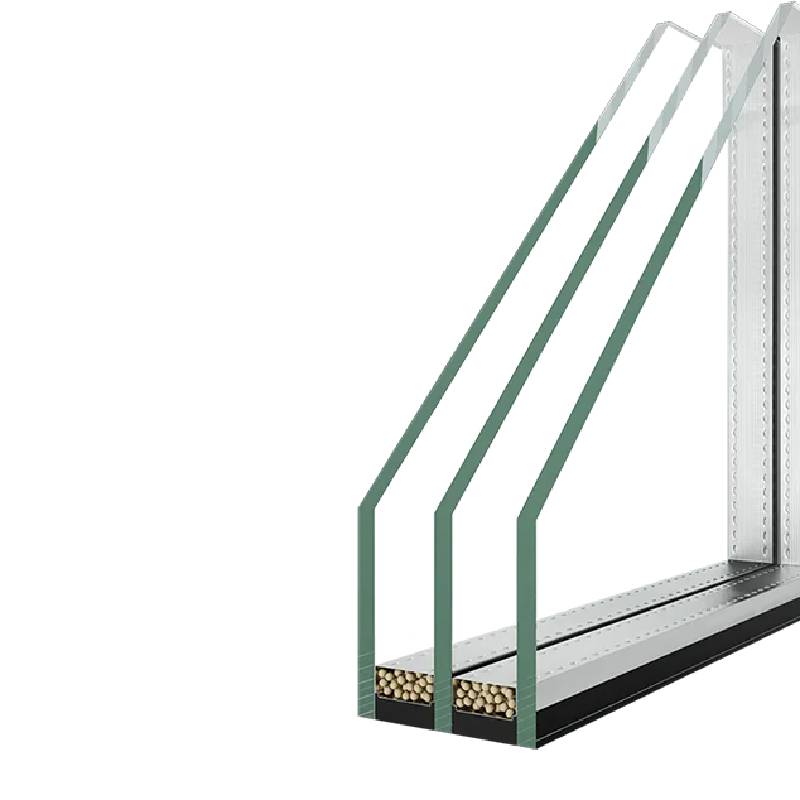
Our float glass is processed to have high thermal stability, and when used in double-glazed units, it significantly reduces heat transfer, preventing cracks during sudden temperature drops.

What are the benefits of using a float glass window for commercial buildings?

Float glass windows provide superior flatness and clarity, which are essential for the large-scale facades of commercial buildings to maintain a professional and modern appearance.

Can float window glass be customized for specific architectural dimensions?

Yes, we offer precision cutting and edging services to ensure that the float window glass fits perfectly into custom architectural frames, reducing installation time and waste.

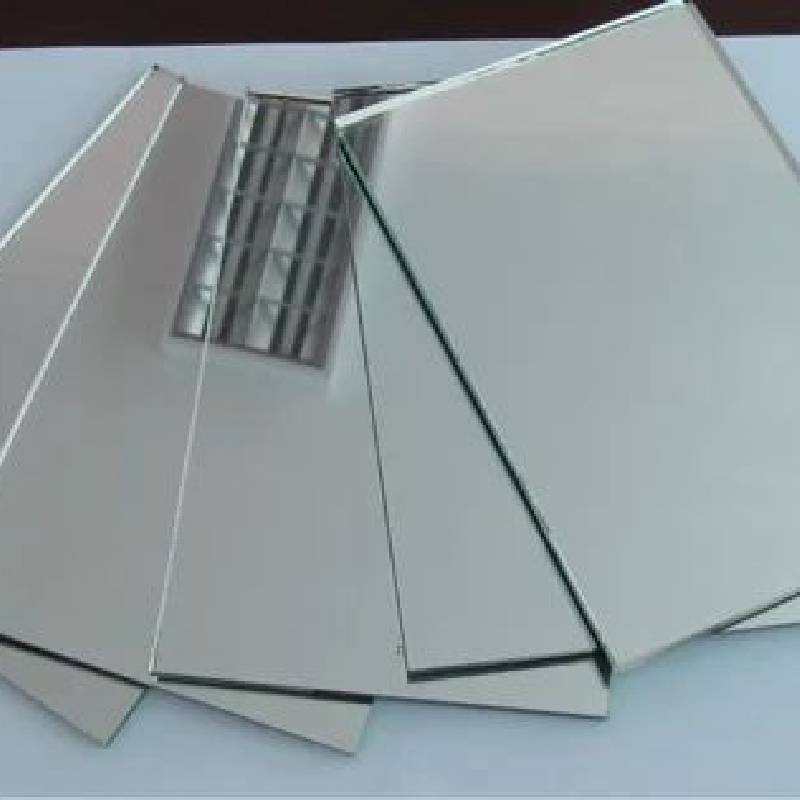
Where is the best application for brown mirror glass in interior design?

Brown mirror glass is ideal for high-end hotel lobbies and executive offices, providing a warm, sophisticated tone while maintaining the reflective properties needed to enhance light.

How do I maintain the quality of decorative glass in industrial environments?

For decorative glass in industrial settings, we recommend regular cleaning with non-abrasive agents and the application of a protective hydrophobic coating to prevent mineral buildup.

What is the average lead time for bulk float glass shipments to the region?

Lead times vary based on volume and specific coatings required, but our optimized logistics chain ensures that large-scale orders are processed and shipped with maximum efficiency.

Get Professional Glass Consultation

Partner with the industry leader for all your architectural glass needs in North Korea. Our experts are ready to provide tailored solutions for your project.

Contact Us Now