
logo

High-Performance Decorative Glass Solutions for Norway

Providing advanced thermal efficiency and architectural elegance tailored for the Nordic climate and Scandinavian design standards.

High-Performance Decorative Glass Solutions for Norway

Integrating superior optical clarity with extreme weather durability to meet Norway's rigorous building codes and aesthetic preferences.

The Glass Industry Landscape in Norway

Adapting materials to the Arctic challenges and sustainable urban development.

In Norway, the glass industry is heavily influenced by the extreme temperature fluctuations and the abundance of natural light during summer. The demand for high-quality float glass has shifted toward products that can withstand severe freeze-thaw cycles while maintaining exceptional thermal insulation properties.

The Norwegian market prioritizes energy efficiency (TEK17 standards), leading to a surge in the adoption of advanced float glass window systems that minimize heat loss. This focus on sustainability is not just a regulation but a cultural imperative in Nordic architecture.

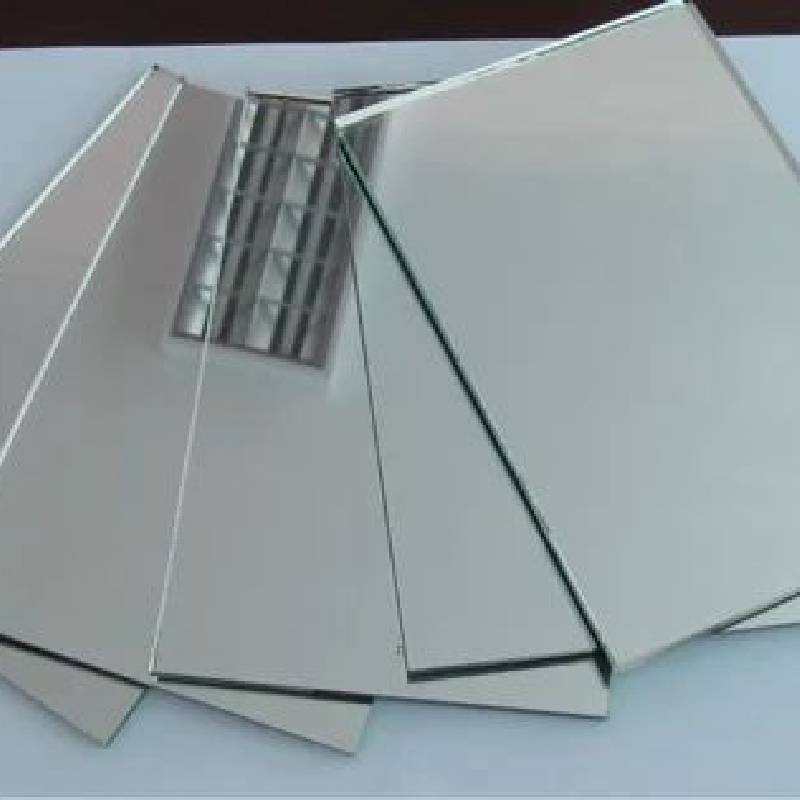
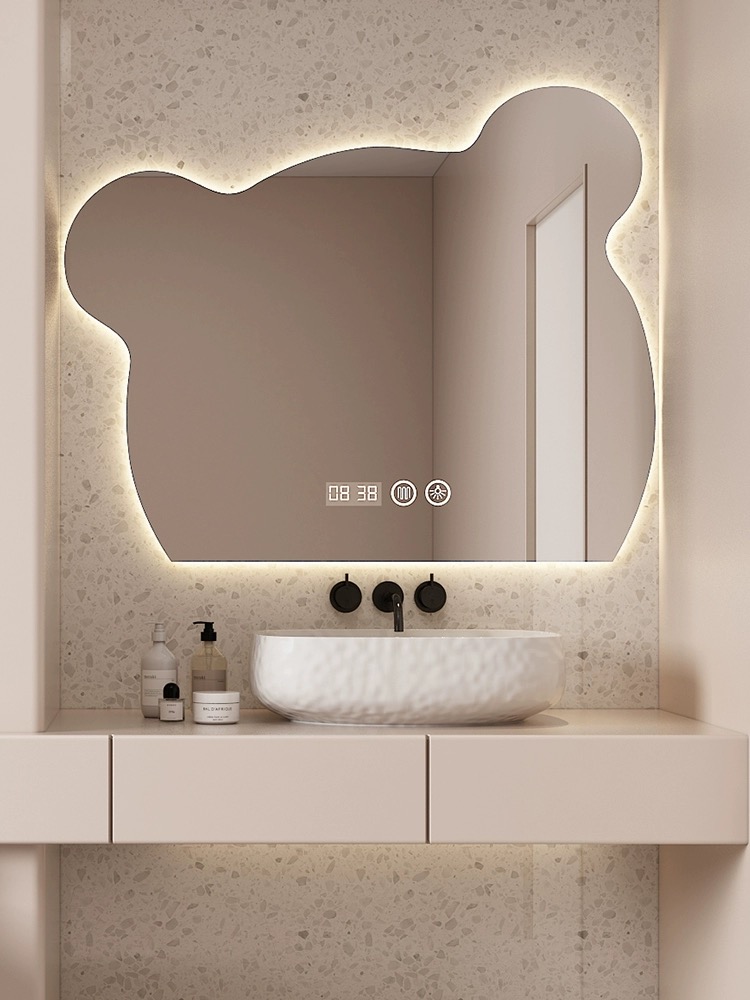
Furthermore, there is a growing niche for luxury interiors in Oslo and Bergen, where brown mirror glass is increasingly utilized to add warmth and depth to minimalist, white-dominated interior palettes, blending functionality with high-end aesthetics.
Evolution of Glass Technology in the Nordic Region

From basic shelter to intelligent, energy-saving architectural skins.

Market Development History

Until the late 20th century, the Norwegian market relied on thick, single-pane glass which offered poor insulation. The introduction of standardized float window glass in the 1980s revolutionized the construction sector by providing uniform thickness and better optical quality.

By the 2000s, the focus shifted toward Low-E coatings and argon-filled gaps. This era saw a transition from simple transparency to functional glazing, where the glass began to act as a thermal barrier against the harsh Norwegian winters.

In the last decade, the integration of aesthetics and performance has peaked. The use of decorative glass has evolved from simple patterns to complex, digitally printed and chemically strengthened surfaces that serve both structural and artistic purposes.

Future Development Trends

Vacuum Insulated Glazing (VIG)

Moving beyond triple glazing, VIG is expected to become the norm in Norway to achieve near-wall insulation levels without increasing window thickness.

Dynamic Smart Glass

Electrochromic glass that adjusts transparency based on sunlight intensity will reduce the need for mechanical blinds in commercial hubs like Oslo.

Carbon-Neutral Production

Driven by Norway's green energy leadership, there is a push toward hydrogen-powered glass furnaces to eliminate the carbon footprint of manufacturing.

Industry Trends and Future Outlook

Analyzing the intersection of GEO-specific demands and global technological leaps.

Thermal Efficiency Peak
Increasing focus on U-value reduction to comply with Norway's strict energy laws.
Biophilic Integration
Designing glass surfaces that maximize natural light to combat Seasonal Affective Disorder (SAD).
Circular Economy
Implementation of 100% recyclable glass cullet in all new manufacturing lines.
Acoustic Isolation
Developing multi-layered glass to reduce noise pollution in dense urban areas like Oslo.

Industry Outlook

Looking ahead, the Norwegian glass market will pivot toward "Active Glazing." This means glass will no longer be a passive barrier but an energy-generating surface through integrated BIPV (Building Integrated Photovoltaics).

Furthermore, the demand for personalized aesthetics will drive the growth of bespoke brown mirror glass and textured finishes, as luxury residential projects seek a balance between Nordic minimalism and warm, opulent materials.

Localized Application Scenarios in Norway

Practical implementation of glass solutions across various Norwegian environments.

01. High-Altitude Mountain Cabins

Utilization of reinforced float window glass with triple-pane vacuum seals to ensure warmth and safety against heavy snow loads and extreme wind pressure in the Jotunheimen region.

02. Oslo Urban Commercial Hubs

Implementation of expansive float glass facades that utilize solar-control coatings to prevent overheating during the midnight sun period while maintaining transparency.

03. Boutique Hotels in Bergen

Installation of brown mirror glass in lobbies and luxury suites to create a cozy, warm atmosphere that contrasts with the city's frequent rainy and grey weather.

04. Modern Scandinavian Art Galleries

Using high-clarity decorative glass partitions that provide acoustic separation without sacrificing the open-concept visual flow essential to Nordic design.

05. Coastal Residential Villas

Deploying salt-resistant treated glazing and high-impact windows to protect homes along the Fjords from corrosive sea spray and storm surges.

Brand Story

Global Development Journey of Shahe TP Top Glass Products Co., Ltd.

Founding Vision

Established with a mission to solve the fragility and inefficiency of traditional glass, focusing on precision engineering for industrial applications.

Technological Breakthrough

Developed proprietary cooling processes that significantly reduced internal stress in large-format glass, increasing durability for extreme climates.

European Expansion

Strategically entered the European market, aligning production with EU energy efficiency standards and Nordic aesthetic requirements.

Sustainability Pivot

Invested in green manufacturing, reducing carbon emissions by 30% through the integration of recycled materials and solar-powered plants.

Global Leadership

Now a trusted partner for architectural firms worldwide, solving the pain point of balancing thermal insulation with artistic transparency.

Complete Glass Product Portfolio for Norway

A comprehensive range of glazing solutions engineered for Nordic durability and style.

Norway Glass Industry FAQ

Expert answers to common technical and regulatory questions in the Norwegian market.

How does float glass window performance vary in Arctic temperatures?

In Arctic conditions, standard float glass can suffer from condensation. We recommend triple-glazed units with warm-edge spacers to prevent thermal bridging and maintain interior warmth.

Is brown mirror glass suitable for low-light winter environments?

Yes, brown mirror glass is excellent for Nordic winters as it adds a visual warmth to the room, reflecting artificial light in a way that creates a cozy, "hygge" atmosphere.

What are the TEK17 requirements for float window glass in Norway?

TEK17 demands strict U-values for heat loss. Our glass solutions are engineered to meet these targets through advanced Low-E coatings and optimal gas filling.

Can decorative glass be used for structural exterior walls in Norway?

Yes, provided it is tempered or laminated. Our decorative options combine aesthetic patterns with high structural integrity to withstand external pressure.

How do I maintain float glass facades in salt-heavy coastal areas?

We recommend using self-cleaning coatings that repel salt crystals and organic debris, reducing the frequency of manual cleaning in coastal regions.

What is the lead time for custom float glass orders to Norway?

Lead times vary by complexity, but our streamlined logistics network ensures efficient delivery from production to Norwegian ports, typically within 4-6 weeks.

Ready to Elevate Your Project?

Contact our expert team today for customized glazing solutions tailored specifically for the architecture and climate of Norway.

Contact Us Now