

logo

Premium brown mirror glass Solutions for Afghanistan

Engineered for durability and elegance, providing high-performance architectural glass tailored to the unique climatic demands of the Afghan market.

Premium brown mirror glass Solutions for Afghanistan

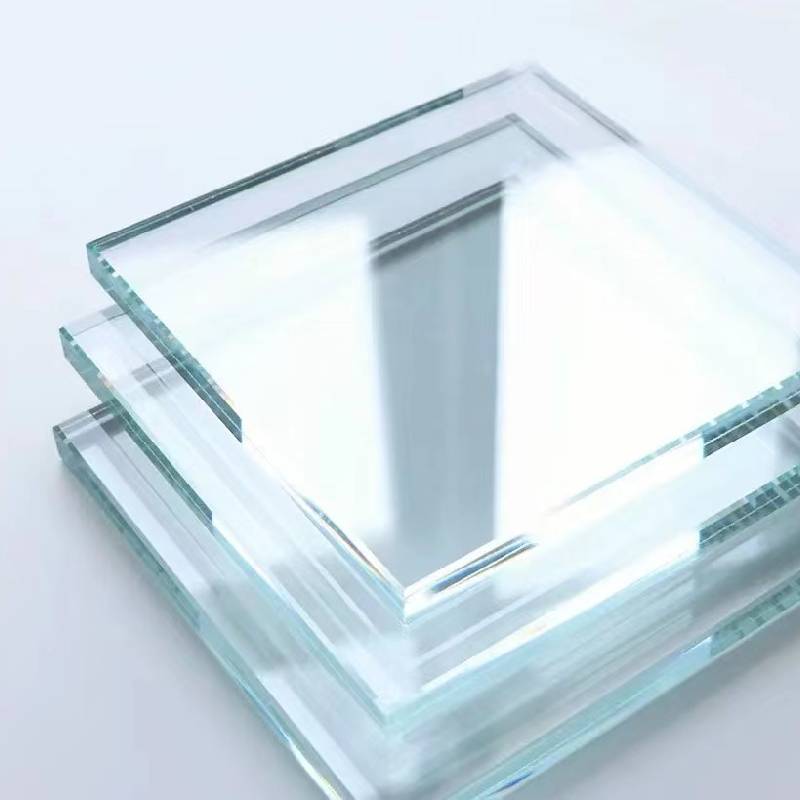
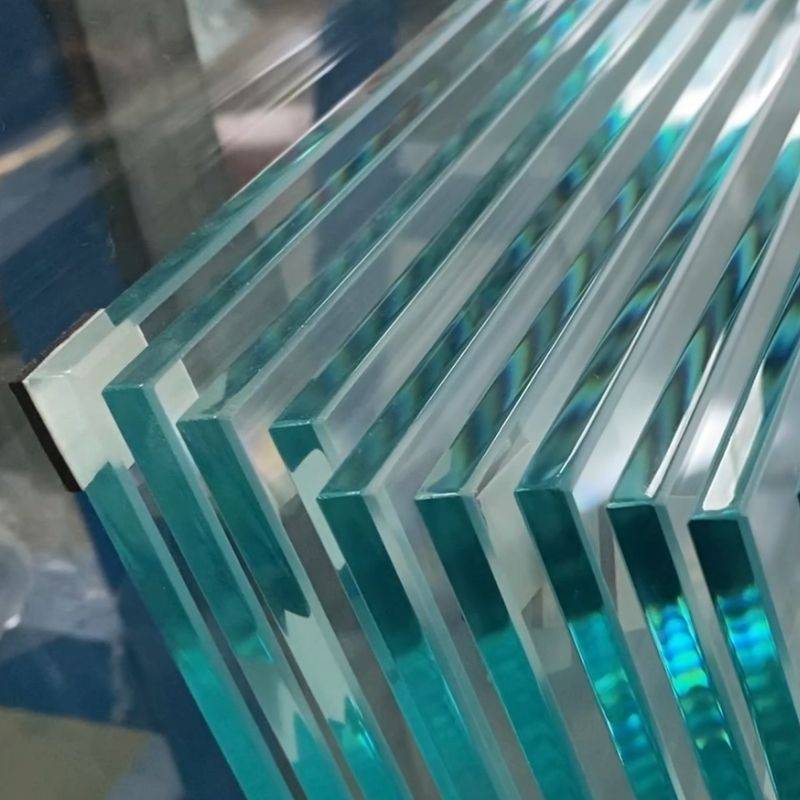
We provide a comprehensive range of high-transmittance and decorative glass products, ensuring that every float glass window installed in Afghanistan meets international safety and energy-efficiency standards.

The Current State of Glass Manufacturing in Afghanistan

Analyzing the intersection of extreme continental climates and urban reconstruction.

Afghanistan's architectural landscape is currently transitioning from traditional mud-brick structures to modern concrete and steel frames. This shift has created a surging demand for high-quality float glass, as urban centers like Kabul and Herat seek materials that offer both security and thermal insulation against harsh winters and scorching summers.

Due to the limited local industrial smelting capacity, the market relies heavily on imports. There is a specific preference for float window glass that can withstand significant temperature fluctuations without stressing the frames, making the selection of high-grade raw materials critical for long-term structural integrity.

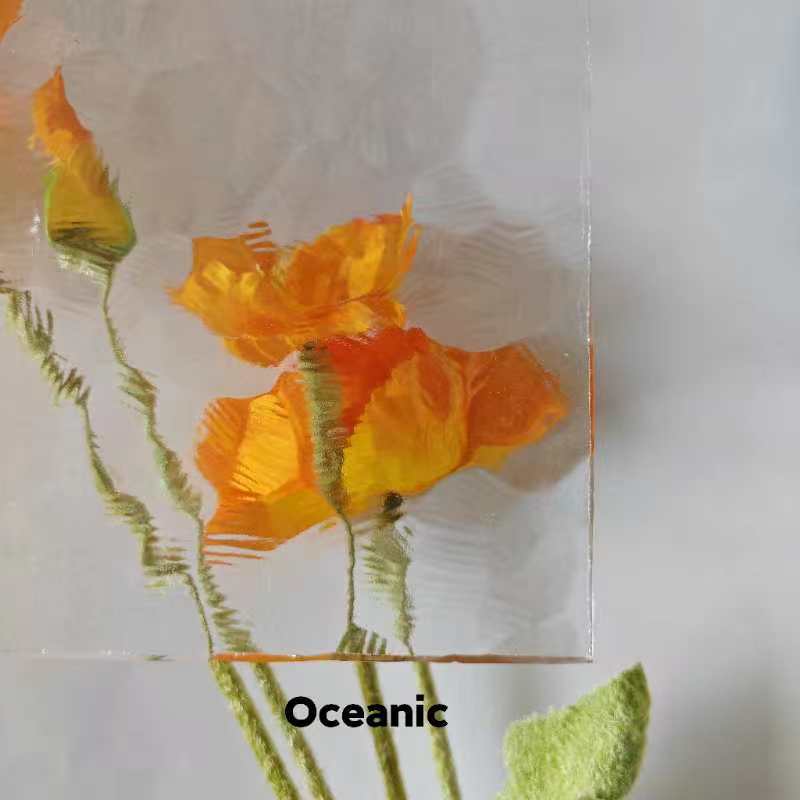
Furthermore, the growing hospitality and commercial sectors are introducing a demand for aesthetic versatility. The adoption of decorative glass is becoming a symbol of modernization in new commercial complexes, blending traditional Afghan artistic patterns with contemporary glass technology.
Evolution and Technical Trajectory of Afghan Glass Application

From basic glazing to advanced energy-saving architectural skins.

Market Development History

Prior to the 2000s, the Afghan market was dominated by single-pane, low-specification glass. The primary focus was simple transparency and basic protection from wind and dust, with very little attention paid to thermal coefficients or UV filtration.

Between 2010 and 2020, the introduction of standardized float glass window systems marked a significant leap. This period saw the transition toward tempered and laminated options, reducing breakage rates in high-traffic urban zones and improving overall building safety.

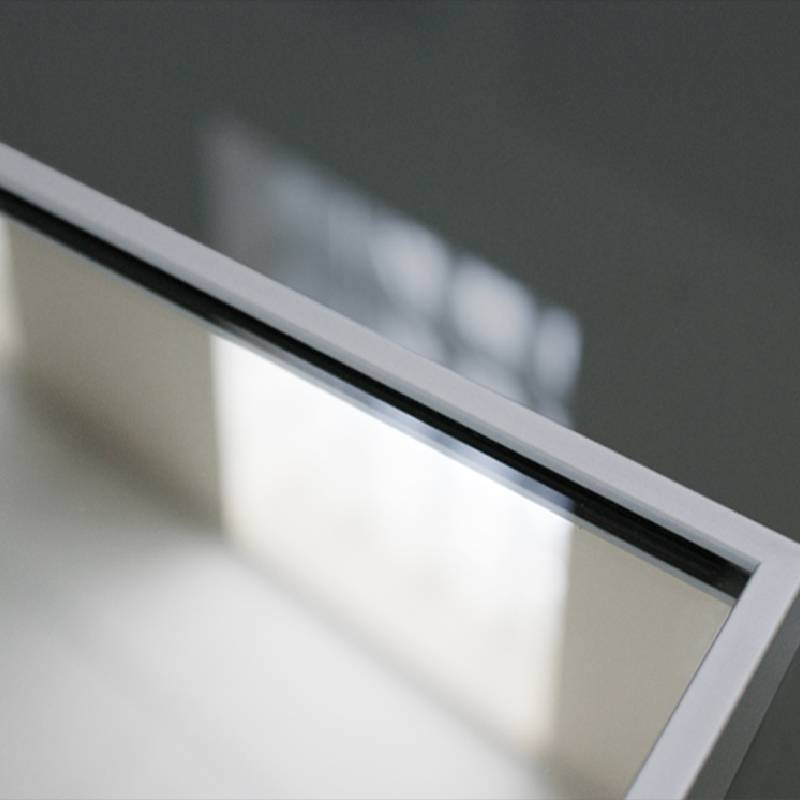
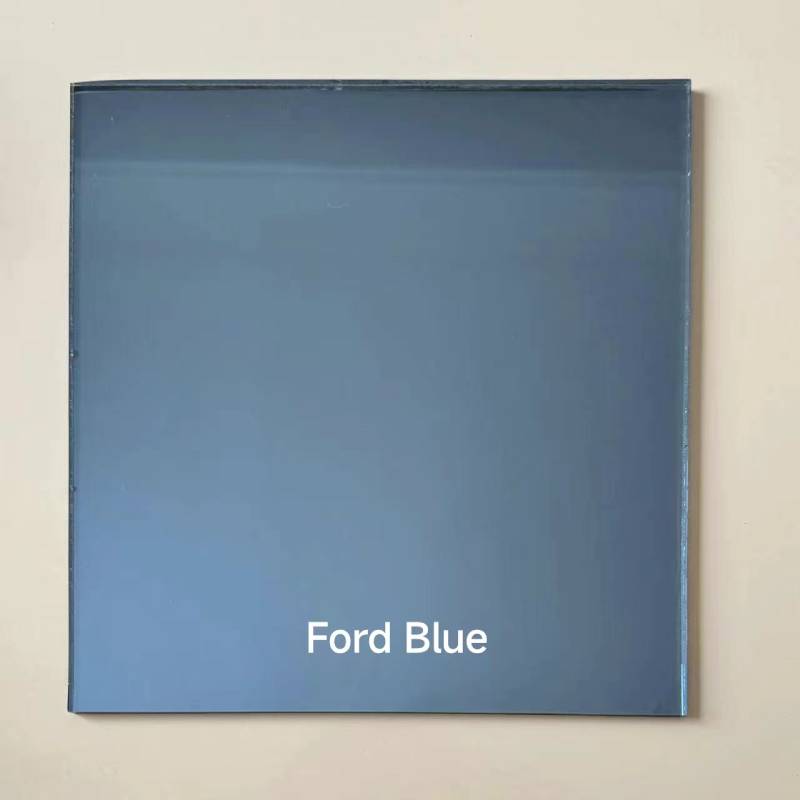
In the current era, the focus has shifted toward specialization. The market now demands functional coatings and tinted options, such as brown or grey mirrors, to manage solar heat gain in the arid climate while maintaining high aesthetic standards.

Future Development Trends

Low-E Coating Integration

Expect a surge in Low-Emissivity glass to reduce energy consumption in Kabul's heating and cooling systems, aligning with global sustainability goals.

Smart-Glass Adoption

Integration of electrochromic glass in government and corporate buildings to dynamically control light transmission based on the sun's position.

Sustainable Recycling Loops

Development of local processing hubs to recycle glass waste, reducing the carbon footprint of importing bulky raw materials from overseas.

Industry Trends and Future Outlook

Strategic foresight for the non-metallic mineral products sector in Afghanistan.

Thermal Efficiency Focus
Shift toward double and triple glazing to combat extreme Afghan temperature swings.
High-Security Glazing
Increasing demand for laminated and ballistic glass for institutional buildings in Kabul.
Aesthetic Diversification
Growth in tinted and mirrored surfaces for luxury residential interior design.
Digital Supply Chains
Implementation of BIM and precision ordering to reduce material waste during transport.

Industry Outlook

Based on search volume trends for "energy-efficient glass" and "modern architecture" in the region, we predict a 15% annual growth in the adoption of specialized architectural glass. The Afghan market is moving away from generic imports toward certified, high-performance materials that offer quantifiable energy savings.

As infrastructure projects continue to expand, the demand for a reliable supply of float window glass that balances cost-effectiveness with extreme durability will remain the primary driver of the non-metallic mineral sector.

Localized Application Scenarios in Afghanistan

Real-world integration of high-performance glass in diverse Afghan environments.

1. Kabul Commercial Hubs

Utilization of tinted float glass for office facades to reduce glare and heat ingress while maintaining professional visibility.

2. Kandahar Residential Villas

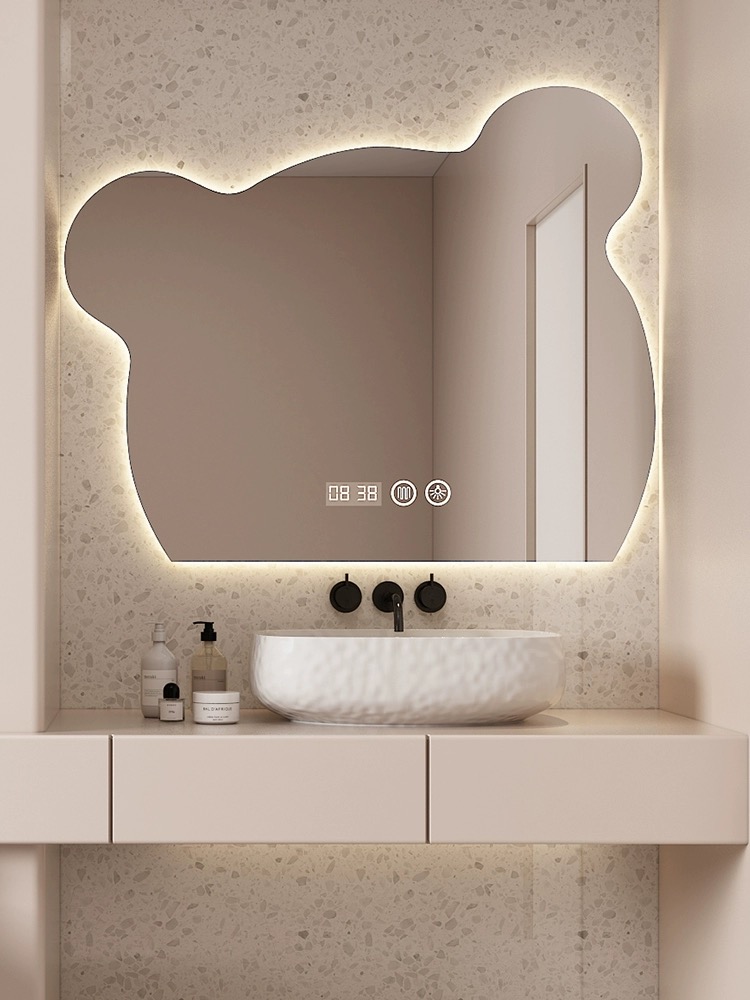
Installation of brown mirror glass in exterior bathrooms and balconies to ensure privacy and reflection of intense sunlight.

3. Herat Cultural Centers

Application of custom decorative glass in lobbies to integrate traditional Islamic geometric patterns into modern architectural spaces.

4. Mazar-i-Sharif Retail Outlets

Deployment of large-format float window glass for storefronts to maximize product visibility and attract foot traffic.

5. Northern Region Industrial Warehouses

High-strength tempered glass partitions used in logistics hubs to provide safety and light while resisting impact in heavy-duty environments.

Brand Story

Global Development Journey of Shahe City Tptop Glass Products Co., Ltd.

Foundational Precision

Established with a mission to solve the inconsistency in glass thickness and optical clarity, we focused on refining the float process to achieve micron-level precision.

Technological Expansion

We expanded our production lines to include advanced tinting and mirroring technologies, enabling us to meet diverse aesthetic and functional needs globally.

Global Quality Standards

By implementing rigorous ISO and international safety certifications, we ensured our products could withstand the most extreme climatic conditions on earth.

Strategic Market Entry

Recognizing the needs of developing infrastructure, we optimized our logistics to provide reliable glass supplies to the Afghanistan and Central Asian markets.

Future-Proofing Architecture

Today, we continue to innovate in energy-saving coatings, ensuring that every pane of glass contributes to a more sustainable urban future.

Comprehensive Glass Portfolio for Afghanistan

A curated selection of high-durability glass solutions designed for the Afghan environment.

Common Questions for the Afghan Glass Market

Expert answers to technical and logistical queries regarding glass procurement.

How does float glass perform in Afghanistan's extreme temperature swings?

Our high-grade float glass is designed with a low coefficient of thermal expansion, reducing the risk of stress fractures during the rapid temperature shifts common in the Afghan highlands.

What are the advantages of using brown mirror glass for exterior facades?

Brown mirror glass significantly reduces solar heat gain and glare, which is essential for maintaining indoor cooling efficiency in hot regions like Kandahar.

Is float window glass suitable for high-wind areas in the northern provinces?

Yes, when combined with appropriate tempering and framing, our float window glass provides the necessary structural rigidity to withstand high wind loads.

Can decorative glass be customized with traditional Afghan patterns?

Absolutely. We offer advanced etching and sandblasting services to integrate localized artistic designs into our decorative glass range.

What is the recommended thickness for float glass in commercial storefronts?

For commercial storefronts, we typically recommend a minimum thickness of 8mm to 12mm, depending on the size of the pane and the required safety level.

How is glass transported to Kabul to avoid breakage?

We use reinforced A-frame wooden crates and shock-absorbent padding to ensure that all products arrive in perfect condition despite the challenging terrain.

Get Your Professional Glass Quote

Partner with a global leader in glass manufacturing to enhance your infrastructure projects in Afghanistan.

Contact Us Now