
logo

Premium brown mirror glass Solutions for Belgium Architecture

Integrating high-precision manufacturing with European aesthetic standards to provide sustainable and decorative glass solutions across Belgium.

Premium brown mirror glass Solutions for Belgium Architecture

Offering a comprehensive range of high-performance glass products, from industrial-grade float glass to bespoke interior elements, tailored for the Belgian market's strict energy and design codes.

Glass Manufacturing Landscape in Belgium

Analyzing the intersection of Northern European climate demands and architectural luxury.

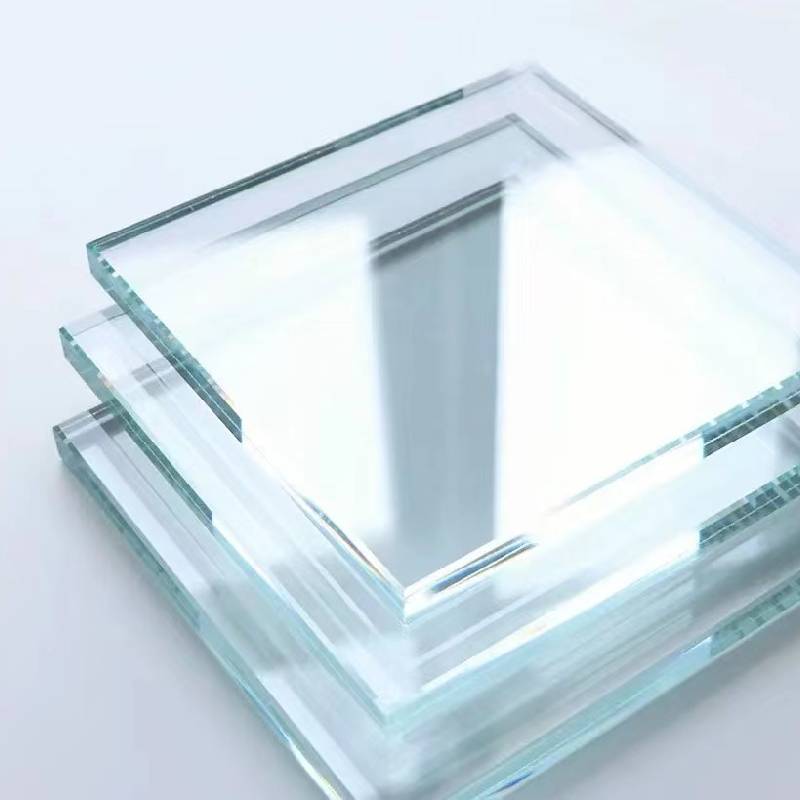
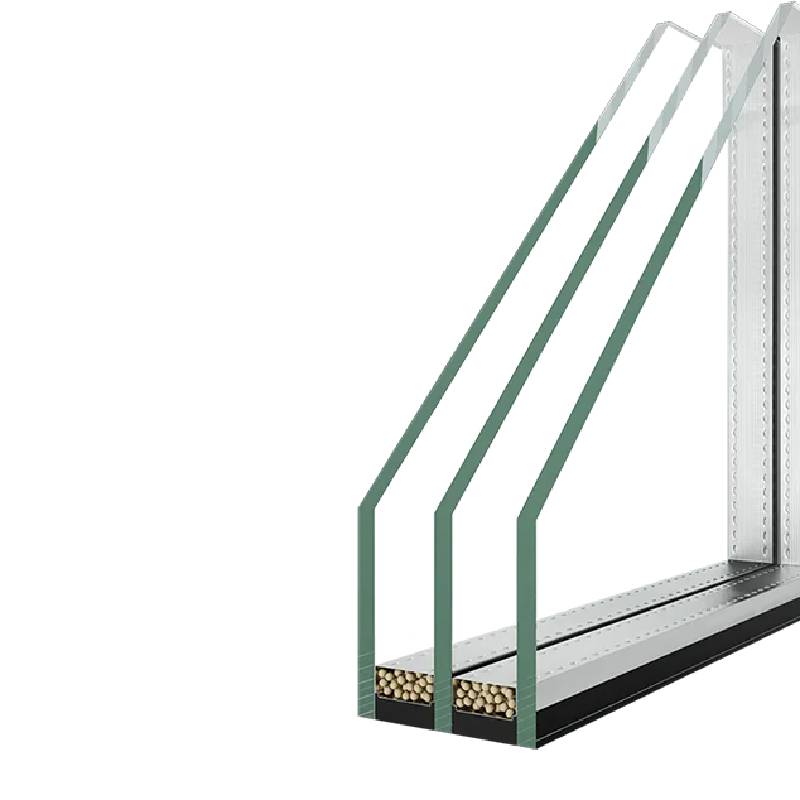
Belgium's glass industry is characterized by a high demand for thermal efficiency due to its temperate oceanic climate. The widespread use of float glass window systems focuses heavily on double and triple glazing to combat humidity and wind loads typical of the Low Countries.

Economically, the region serves as a logistics hub for Europe, demanding a seamless supply chain for specialized materials. There is a growing trend in Brussels and Antwerp for integrating decorative glass in commercial facades to blend historical Flemish architecture with modern corporate identities.

Sustainability mandates from the EU have pushed Belgian manufacturers toward circular economy models. This has led to an increased preference for recyclable float window glass that meets strict LEED and BREEAM certifications for urban redevelopment projects.
Evolution of Glass Technology in Belgium

From traditional artisanal glazing to smart-city integrated materials.

Market Development History

Historically, the Belgian market relied on thick, manually rolled glass. By the mid-20th century, the introduction of the float process revolutionized the industry, allowing for the mass production of perfectly flat float glass, which became the standard for residential construction in the 1960s.

During the 1990s, the focus shifted toward energy conservation. This era saw the transition from single-pane windows to vacuum-sealed units, where the precision of float window glass became critical for achieving the required U-values for Belgian building permits.

In the last decade, the trajectory moved toward "Emotional Architecture." The rise of high-end interior design in Belgium spurred the demand for tinted and coated surfaces, such as specialized mirror finishes, transforming glass from a structural necessity into a design statement.

Future Development Trends

Dynamic Solar Control

Integration of electrochromic layers into float systems to automatically adjust transparency based on Belgium's fluctuating sunlight levels.

Ultra-Low Carbon Production

A shift toward hydrogen-powered furnaces to reduce the CO2 footprint of glass melting, aligning with Belgium's 2050 net-zero goals.

BIM-Integrated Glass Spec

Using Building Information Modeling to customize the thickness and coating of each panel for maximum structural efficiency in skyscrapers.

Future Trends and Strategic Outlook

Predicting the next shift in non-metallic mineral product manufacturing.

AI-Driven Quality Control
Implementing machine learning to detect micron-level defects in float glass production lines in real-time.
Circular Material Loop
Developing advanced cullet processing to increase the percentage of recycled glass in high-clarity float lines.
Nano-Coating Tech
Applying hydrophobic and self-cleaning nano-layers to reduce maintenance for large Belgian facade installations.
Modular Glass Systems
Pre-fabricated glass modules for rapid urban construction, reducing onsite waste and installation time.

Industry Outlook

The trajectory of the glass industry in Belgium is shifting toward high-value specialization. Data suggests a surge in searches for energy-efficient glazing and "smart glass," indicating that the market is moving away from commodity float glass toward functional, tech-integrated solutions.

Over the next 3-5 years, we anticipate a convergence of architectural design and environmental engineering, where glass is no longer just a barrier but a power-generating and climate-regulating skin for the modern Belgian city.

Localized Application Scenarios in Belgium

Real-world implementations of glass technology across diverse Belgian sectors.

01. Brussels Corporate Headquarters

Installation of high-performance float glass window units that maximize natural light while meeting the EU's stringent thermal insulation standards for office buildings.

02. Antwerp Luxury Retail Boutiques

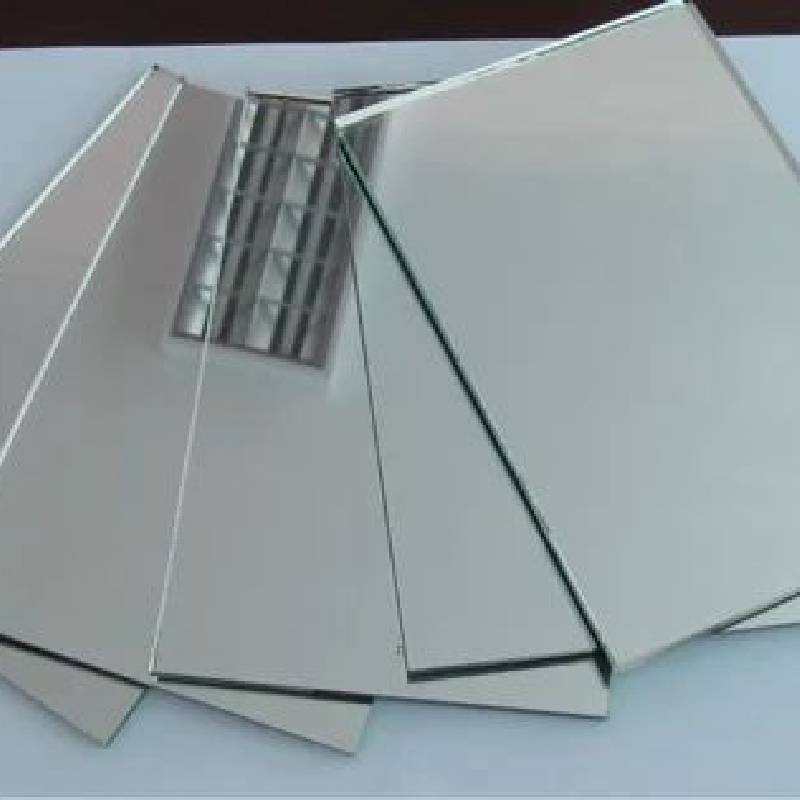
Use of customized brown mirror glass for interior partitions to create a sense of depth and exclusivity in high-end fashion displays.

03. Ghent Historic Renovations

Integrating slim-profile float window glass into restored 19th-century facades, maintaining historical aesthetics while upgrading energy efficiency.

04. Flemish Residential Villas

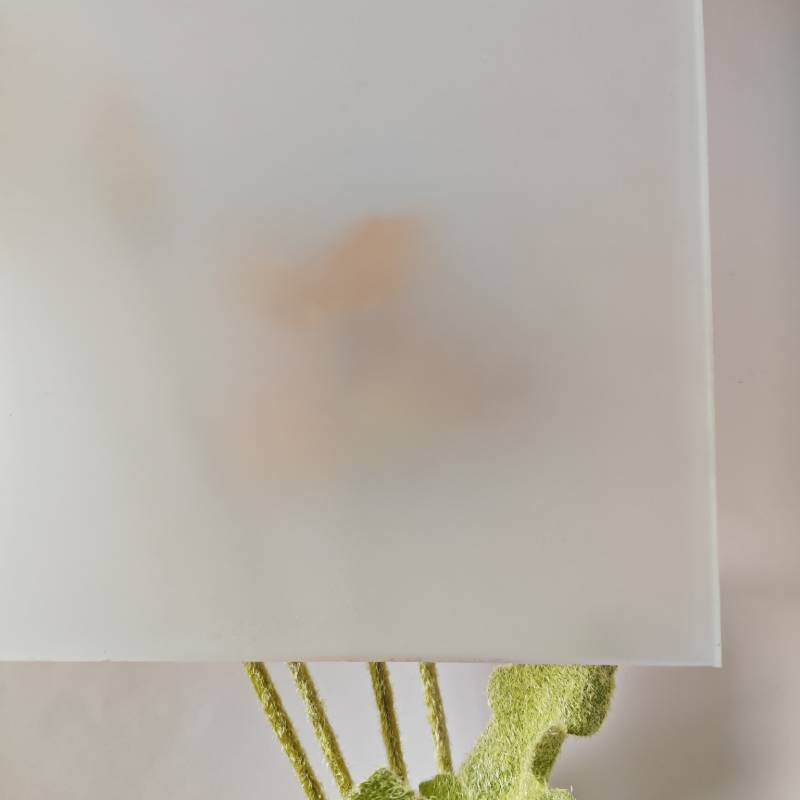
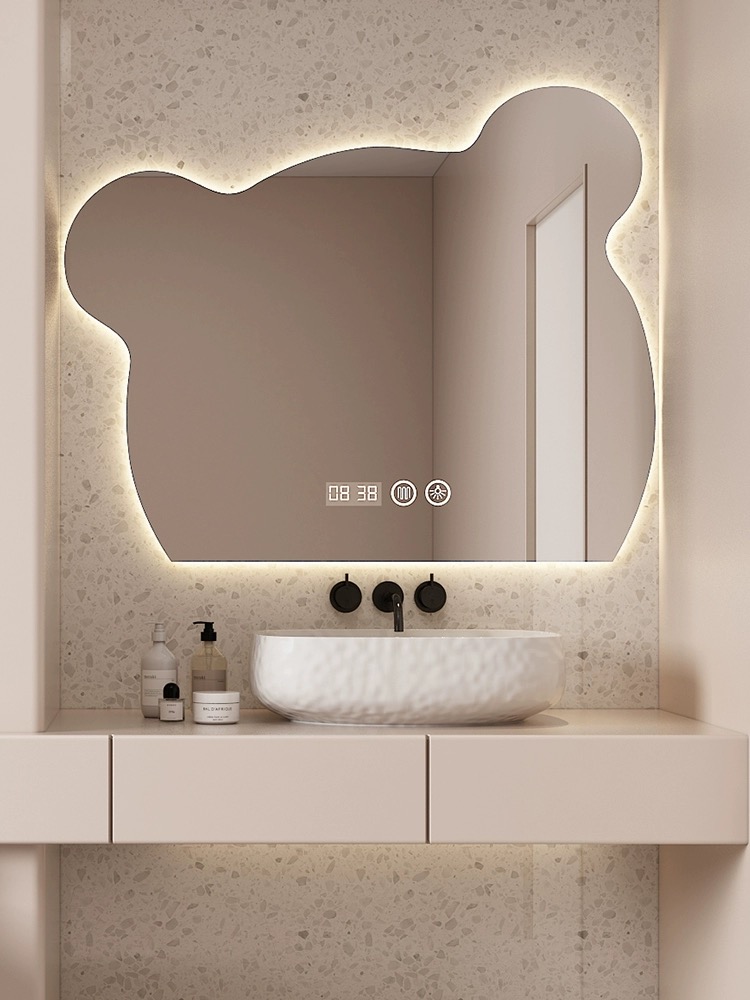
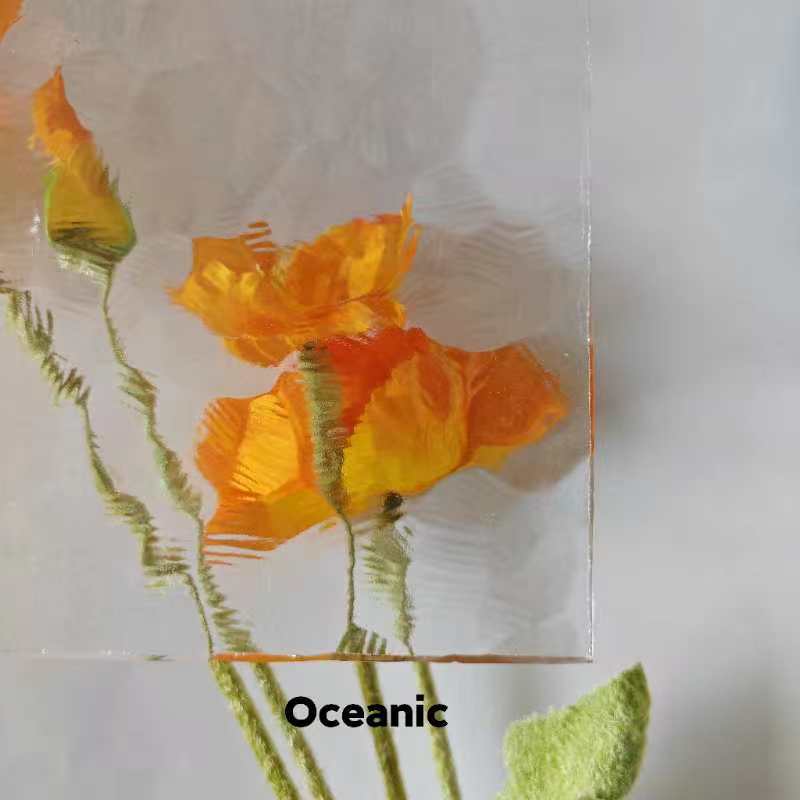
Application of decorative glass in bathrooms and living areas to blend contemporary minimalism with the natural Belgian landscape.

05. Wallonian Industrial Complexes

Deploying reinforced float glass for factory skylights, ensuring safety and durability in heavy-industry environments.

Brand Story

Global Development Journey of Shahe City Tptop Glass Products Co., Ltd.

Foundational Excellence

Established with a vision to master the core physics of glass melting, we began by optimizing the clarity and flatness of float glass production.

Technical Diversification

We expanded our capabilities to include specialized coating and tinting, solving the pain point of limited aesthetic options in industrial glass.

Global Quality Certification

By aligning with international standards (ISO, CE), we bridged the gap between mass manufacturing and the precision required by European markets.

European Market Integration

Focusing on Belgium and neighboring regions, we developed logistics and customization workflows to serve the unique needs of EU architects.

Sustainable Future Vision

Today, we lead with a mission to provide eco-friendly glass solutions that balance architectural beauty with environmental responsibility.

Complete Glass Product Portfolio for Belgium

A curated selection of high-performance glass tailored for the Belgian architectural and interior design market.

Frequently Asked Questions for the Belgian Market

Expert answers to common technical and commercial inquiries.

How does float glass window performance vary in Belgium's climate?

In Belgium, we recommend double or triple-glazed float glass with Low-E coatings to maintain indoor temperatures and prevent condensation during humid winters.

Can brown mirror glass be used for external facades in Antwerp?

Yes, it is highly effective for solar heat gain reduction and provides a sophisticated aesthetic, though local urban planning regulations should be checked for reflective index limits.

What are the maintenance requirements for decorative glass in commercial spaces?

Our decorative glass is treated for durability; however, we recommend non-abrasive cleaners to preserve the surface coatings and prevent micro-scratches.

Is float window glass compliant with Belgian building energy codes?

Our products are manufactured to meet and exceed the standard U-value requirements mandated by Belgian regional energy regulations (PEB/EPC).

What is the lead time for customized float glass orders to Brussels?

Depending on the customization level, standard orders typically arrive within 3-5 weeks, leveraging our streamlined logistics network to the Belgian ports.

Do you provide technical support for the installation of float glass?

We provide comprehensive technical data sheets and installation guides to ensure that our glass is integrated correctly into your structural frames.

Ready to Elevate Your Project?

Our experts are ready to provide high-precision glass solutions tailored for your specific needs in Belgium.

Contact Us Now