
logo

Premium brown mirror glass Solutions for Equatorial Guinea

Integrating advanced architectural glass technology to meet the unique climatic and aesthetic demands of Equatorial Guinea's modern infrastructure.

Premium brown mirror glass Solutions for Equatorial Guinea

Providing high-performance glass systems, from structural float glass to high-end decorative finishes, tailored for the Central African market.

Glass Industry Landscape in Equatorial Guinea

Analyzing the intersection of humid tropical climates and urban development.

Equatorial Guinea's glass market is heavily influenced by its tropical rainforest climate, where extreme humidity and high UV radiation demand materials with superior durability. The reliance on imported float window glass has increased as Malabo and Bata undergo rapid urban modernization.

Currently, the market sees a shift from basic functional glazing to energy-efficient solutions. The intense sunlight makes heat-reflective properties a priority, driving the demand for specialized float glass window systems that can reduce cooling costs in commercial buildings.

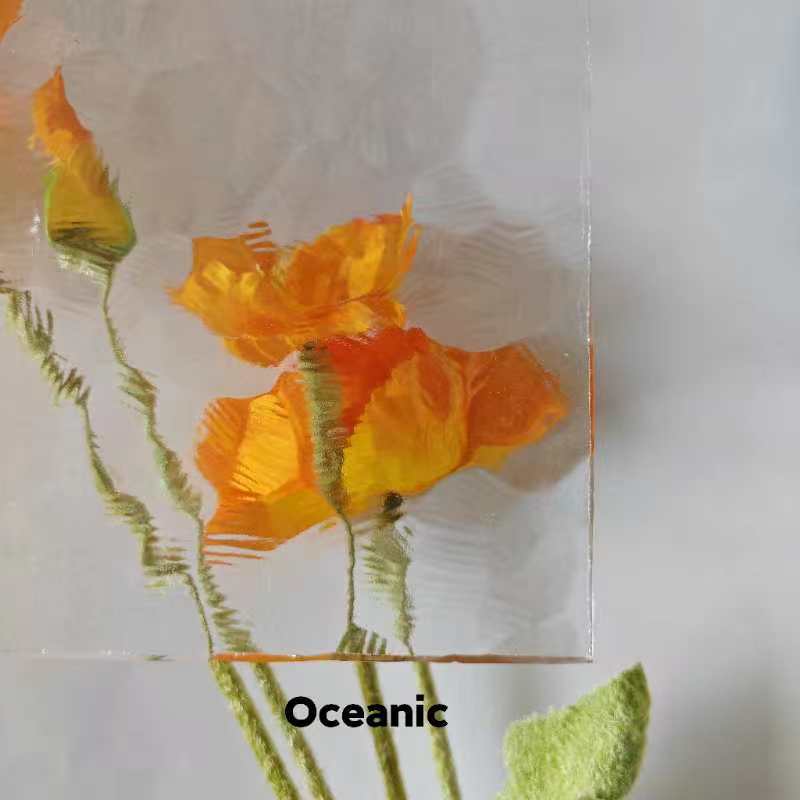
Furthermore, the growing hospitality sector in the region is incorporating more decorative glass to blend luxury with functionality, reflecting a transition from purely industrial utility to architectural expression.
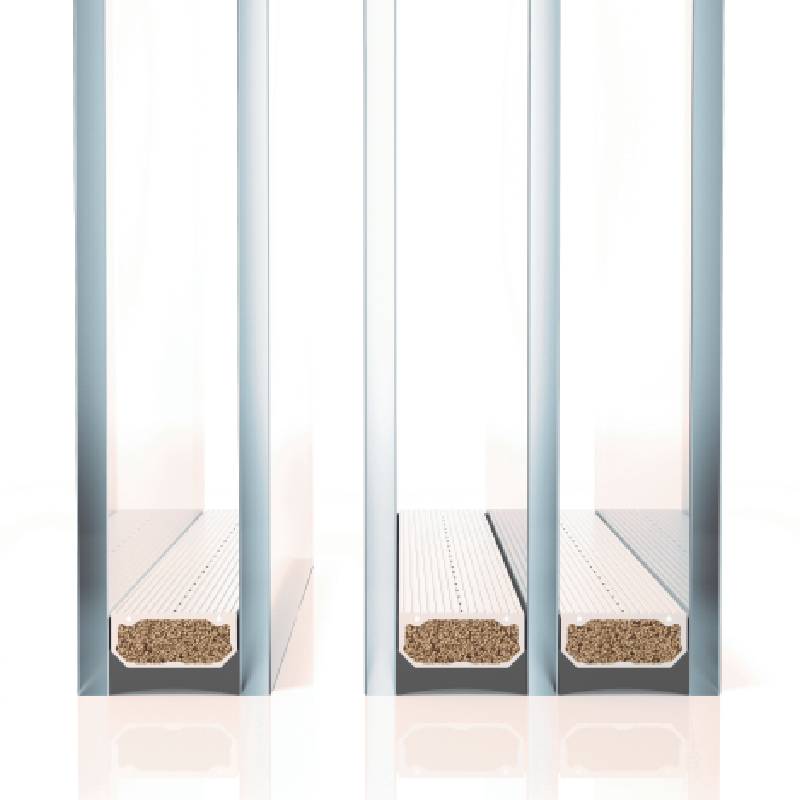
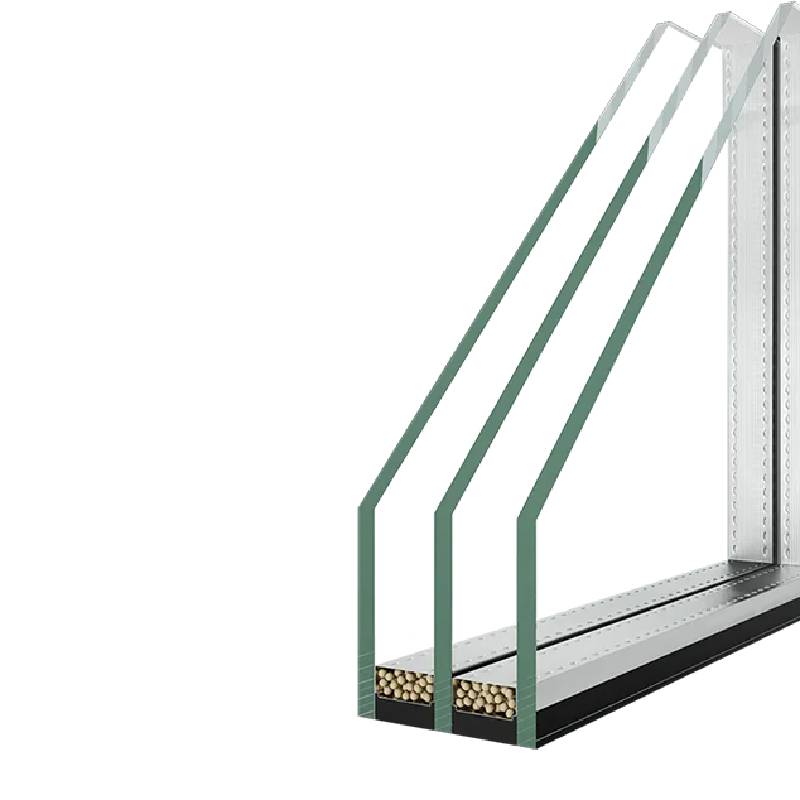
Evolution and Trajectory of Glass Technology

From traditional sheets to high-precision architectural components.

Market Development History

In the early 2000s, the Equatorial Guinean market was dominated by standard annealed glass with limited thermal properties, primarily used for basic residential partitioning.

Between 2010 and 2020, the introduction of high-quality float glass revolutionized the local construction industry, allowing for larger, clearer panes in government and corporate offices.

Recent years have seen the adoption of coating technologies, where low-emissivity (Low-E) and tinted mirrors have become standard for luxury developments to combat the equatorial heat.

Future Development Trends

Smart Glass Integration

Predicted shift toward electrochromic glass that adjusts transparency based on sunlight intensity, reducing HVAC energy loads.

Sustainable Manufacturing

Increased focus on recycled glass content to align with global green building certifications adopted by new infrastructure projects.

High-Performance Coatings

Advanced anti-corrosive coatings specifically engineered to withstand the salty air of coastal cities like Malabo.

Industry Trends and Future Outlook

Strategic foresight into the glass manufacturing sector for the region.

Thermal Optimization
Developing glass with lower U-values to minimize heat transfer in equatorial zones.
UV Radiation Shielding
Enhanced filtration of UV rays to protect interior furnishings and occupants.
Architectural Aesthetics
Increased use of tinted and etched glass for luxury hotel interiors.
Supply Chain Resilience
Optimizing logistics for fragile cargo delivery to Malabo port.

Industry Outlook

The trajectory for the next 3-5 years suggests a strong correlation between the Equatorial Guinean construction boom and the adoption of high-performance glass. Google search trends indicate a rise in queries for energy-saving architecture in Central Africa.

We expect a transition toward fully integrated facade systems where glass is no longer a standalone component but part of a thermally broken, structural envelope.

Localized Application Scenarios

Practical implementations of our glass solutions in Equatorial Guinea.

1. High-Rise Office Facades in Malabo

Utilizing reflective float glass to minimize solar gain and reduce dependency on air conditioning in administrative centers.

2. Luxury Hotel Interior Design

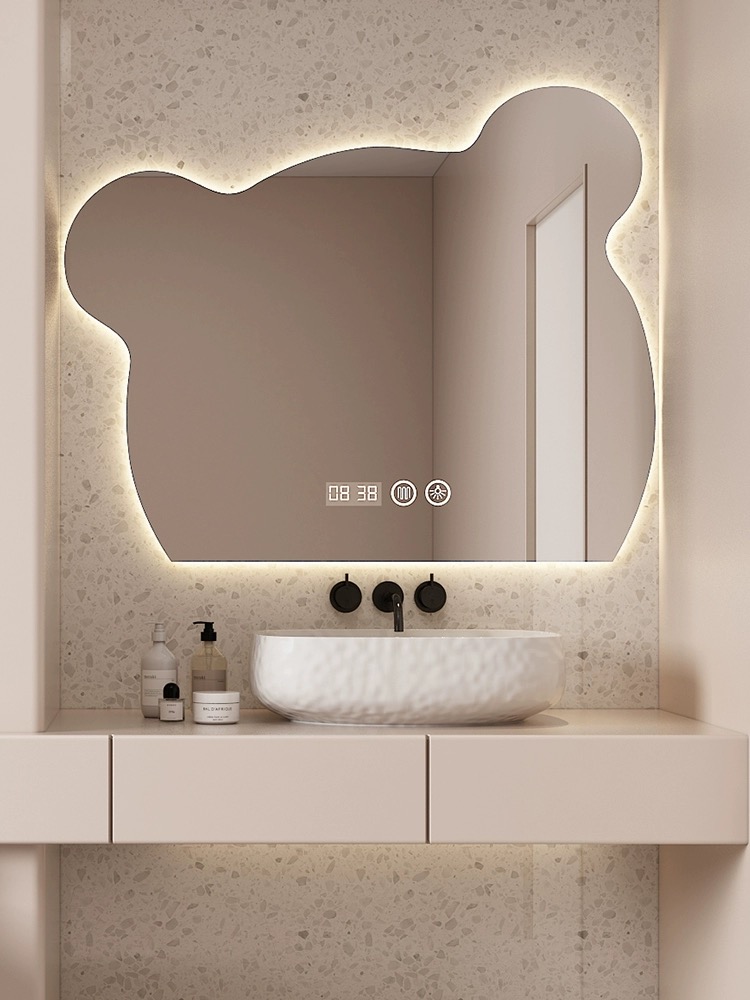
Applying decorative glass and custom mirrors to create expansive, light-filled lobby spaces that evoke modern luxury.

3. Coastal Residential Windows

Implementing reinforced float window glass to withstand high wind loads and salty air in coastal residential zones.

4. Commercial Retail Storefronts

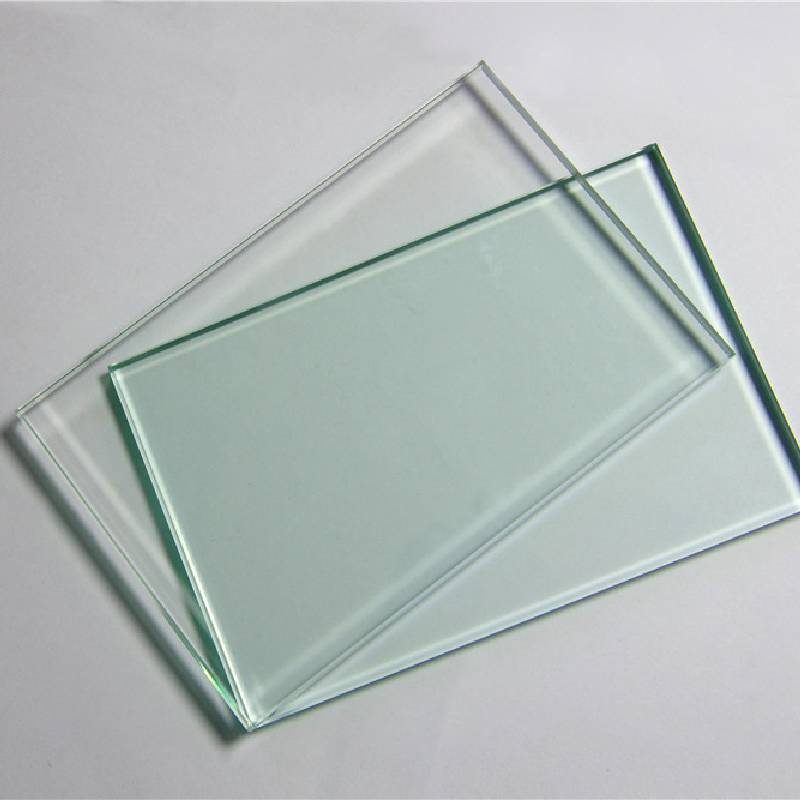
Using ultra-clear float glass to maximize product visibility while maintaining structural safety for street-level shops.

5. High-End Interior Partitioning

Integrating tinted mirror glass for boutique offices to enhance privacy and spatial depth in compact urban layouts.

Brand Story

Global Development Journey of Shahe Top Glass Products Co., Ltd.

Foundation of Excellence

Established with a mission to solve the fragility and inconsistency of traditional glass manufacturing.

Technological Breakthrough

Developed proprietary cooling processes to enhance the structural integrity of large-format float glass.

Global Market Expansion

Expanded distribution networks across Africa and Southeast Asia, adapting products to extreme climates.

Innovation in Aesthetics

Pioneered high-durability mirror coatings that resist oxidation in high-humidity environments.

Commitment to Sustainability

Implementing eco-friendly production lines to reduce the carbon footprint of glass manufacturing.

Comprehensive Glass Portfolio for Equatorial Guinea

A full range of industrial and decorative glass solutions for every construction need.

Glass Solutions FAQ for Equatorial Guinea

Expert answers to common technical questions in the local market.

How does float glass perform in high-humidity coastal areas like Malabo?

Our glass undergoes specialized edge treatment and optional coatings to prevent moisture penetration and corrosion, ensuring long-term clarity in humid environments.

Can float glass window systems reduce indoor temperature in the tropics?

Yes, by utilizing low-emissivity coatings and tinted float glass, we can significantly reduce solar heat gain, lowering the cost of air conditioning.

What makes brown mirror glass a good choice for luxury interiors?

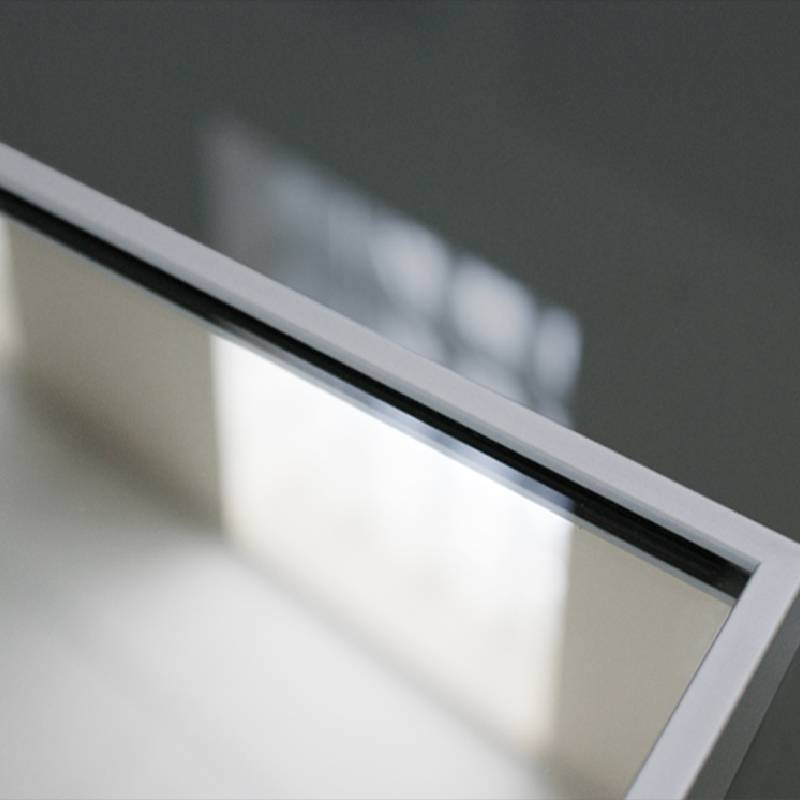
Brown mirror glass provides a sophisticated, warm aesthetic that reduces glare compared to silver mirrors, making it ideal for high-end lounges and hotel lobbies.

Is decorative glass safe for use in public commercial spaces?

We offer tempered and laminated versions of our decorative glass to ensure that it meets international safety standards for impact resistance.

What is the difference between float window glass and standard glass?

Float window glass is manufactured using a molten tin bath process, resulting in a perfectly flat surface and superior optical clarity compared to older manufacturing methods.

How should architectural glass be transported to Equatorial Guinea?

We utilize reinforced seaworthy wooden crates and A-frame racking systems to ensure zero breakage during maritime transit to African ports.

Get Expert Glass Consultation

Contact us today for high-performance glass solutions tailored for your projects in Equatorial Guinea.

Contact Us Now