
logo

Premium brown mirror glass Solutions for India's Modern Infrastructure

High-performance architectural glass engineering tailored for the intense climatic conditions and aesthetic demands of the Indian subcontinent.

Premium brown mirror glass Solutions for India's Modern Infrastructure

Integrating advanced thermal control and luxury aesthetics through high-grade float glass technology to meet India's rapid urbanization needs.

The Current Landscape of Glass Manufacturing in India

Analyzing the intersection of tropical climate challenges and architectural evolution.

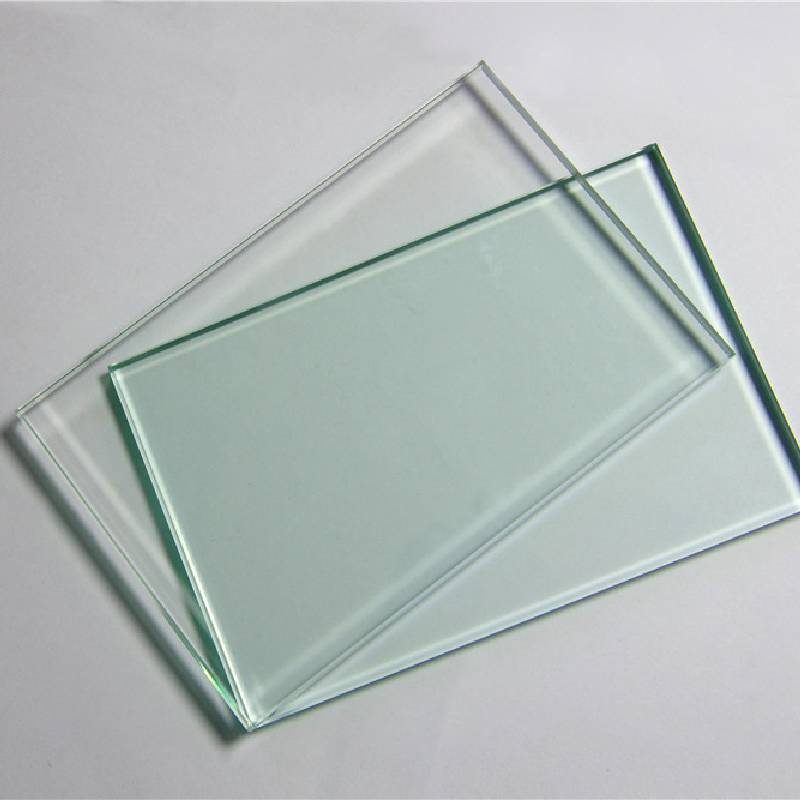
The Indian glass market is currently experiencing a massive surge driven by the "Smart Cities Mission," where the demand for energy-efficient float glass window installations has skyrocketed. Due to India's high solar radiation and extreme temperature fluctuations, there is a critical shift toward glass that can mitigate heat gain while maintaining luminosity.

In metropolitan hubs like Mumbai and Bangalore, commercial real estate is moving away from standard transparency toward decorative glass that offers both privacy and thermal insulation. This transition is essential to reduce the carbon footprint of massive HVAC systems used in corporate skyscrapers.

Furthermore, the residential sector in North India is seeing an increased adoption of float window glass that incorporates UV-filtering coatings, protecting interiors from the harsh summer sun while ensuring structural durability against monsoon humidity.
Technological Evolution of Glass Fabrication

From traditional float processes to smart-coating integration.

Market Development History

Prior to the 1990s, the Indian market relied heavily on basic annealed glass with limited thickness options and high distortion, mainly used for simple residential partitioning.

Between 2000 and 2015, the industrialization of the float process allowed for the mass production of standardized float glass, enabling the rise of the first generation of glass-curtain wall buildings in Gurgaon and Noida.

From 2016 to the present, the focus has shifted to "Functional Aesthetics," where vacuum-deposition coating technology has enabled the creation of high-reflectivity mirrors and Low-E glass for energy conservation.

Future Development Trends

Dynamic Solar Control

Integration of electrochromic layers that allow glass to change opacity based on the Indian sun's intensity, further reducing electricity costs.

Sustainable Raw Materials

A move toward increasing the percentage of cullet (recycled glass) in the melt to align with India's green building certifications (GRIHA).

Ultra-Thin High-Strength Glass

Development of lightweight yet impact-resistant panels for high-rise facades to reduce the load on structural steel frames.

Industry Outlook & Future Projections

Strategic forecasting based on Google search trends and urban growth data.

Energy Efficiency Mandates
Stricter government norms on building energy indices will drive the demand for high-performance coated float glass.
Premiumization of Interiors
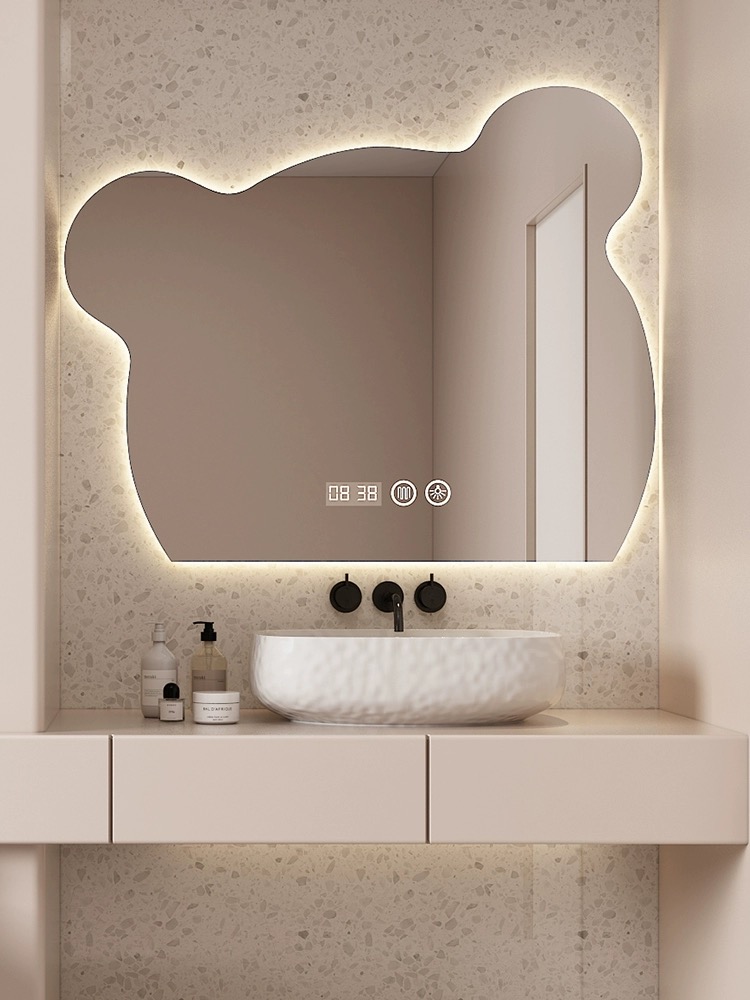
Growing middle-class wealth is increasing the search volume for luxury mirror glass and custom decorative panels.
Smart City Integration
Large-scale urban development projects requiring standardized, high-durability architectural glass systems.
Automated Fabrication
Shift toward AI-driven cutting and polishing to minimize waste and increase precision for custom glass shapes.

Industry Outlook

Over the next 3-5 years, the Indian glass industry will transition from being a volume-driven market to a value-driven one. We predict a significant increase in the adoption of specialized glass that blends thermal efficiency with architectural luxury, specifically targeting the LEED-certified building segment.

Google search data indicates a rising trend in "sustainable building materials India," which correlates with the increasing demand for high-quality, low-emissivity glass that can withstand the tropical humidity of the coast and the dry heat of the plains.

Localized Application Scenarios in India

Practical implementations of high-grade glass in diverse Indian environments.

01. Luxury Hotel Facades in Rajasthan

Using high-reflectivity glass to block the intense Thar Desert heat while providing a mirror-like aesthetic that blends with the horizon.

02. IT Park Windows in Hyderabad

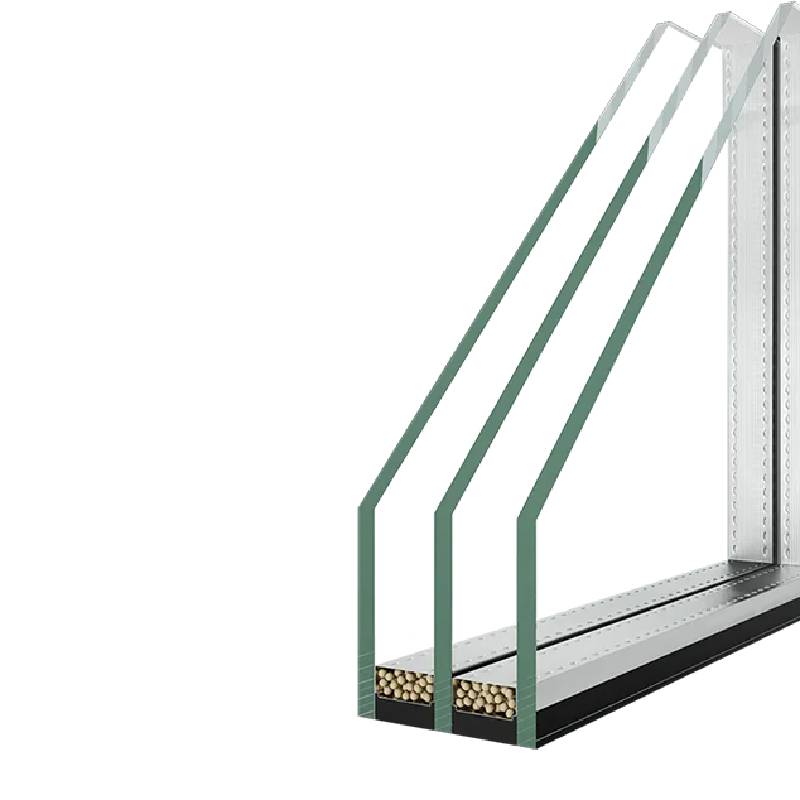
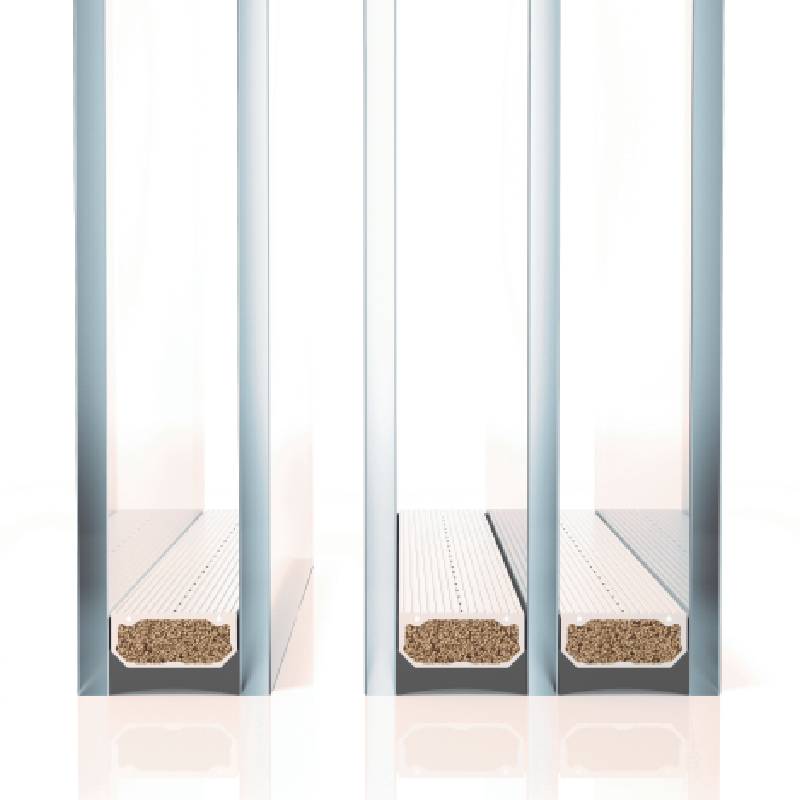
Installation of double-glazed float window glass to reduce cooling costs for 24/7 operational data centers and offices.

03. High-End Retail Outlets in Delhi

Application of custom decorative glass for storefronts to attract foot traffic while maintaining security and temperature control.

04. Modern Residential Villas in Goa

Implementing salt-resistant coatings on glass panels to prevent corrosion from coastal saline air while maximizing natural light.

05. Corporate Boardrooms in Mumbai

Utilizing tinted and mirror glass for privacy and sophisticated branding in high-density financial districts.

Brand Story

The Global Development Journey of Shahe TP Top Glass Products Co., Ltd.

Founding Excellence

Established with a mission to bridge the gap between industrial glass strength and artistic clarity, focusing on precision float technology.

Technical Breakthroughs

Developed advanced oxidation coatings that solved the common industry pain point of glass degradation in high-humidity environments.

Global Expansion

Expanded our footprint into the Asia-Pacific market, optimizing supply chains to deliver fragile architectural glass safely across borders.

Certification Mastery

Achieved international quality standards, ensuring every sheet of glass meets rigorous safety and optical clarity requirements.

Future Vision

Committing to carbon-neutral manufacturing to support the global shift toward green architecture and sustainable living.

Comprehensive Glass Portfolio for the Indian Market

A curated selection of architectural and decorative glass engineered for reliability and elegance.

Common Inquiries Regarding Glass Solutions in India

Expert answers to technical and logistical questions for the Indian subcontinent.

How does float glass perform in India's extreme summer heat?

Our high-grade float glass is designed with low thermal expansion coefficients and can be paired with Low-E coatings to reflect infrared radiation, significantly reducing indoor temperatures.

What is the best float glass window specification for coastal cities like Chennai?

For coastal areas, we recommend tempered glass with a specialized anti-corrosive surface treatment to prevent sodium chloride buildup and etching from the sea breeze.

Can brown mirror glass be used for exterior facades in commercial buildings?

Yes, our brown mirror glass is specifically engineered for external use, providing excellent glare reduction and a modern, professional look for corporate exteriors.

Which decorative glass options are most durable for high-traffic Indian malls?

We recommend heat-strengthened decorative glass with a reinforced scratch-resistant coating to withstand constant physical contact in crowded retail environments.

What are the lead times for shipping float window glass to India?

Depending on the volume and customization, lead times typically range from 15 to 30 days, utilizing optimized shipping routes to major Indian ports like Nhava Sheva.

How do I maintain the clarity of large-scale float glass installations?

We suggest using pH-neutral cleaning agents and avoiding abrasive tools, especially during the dusty pre-monsoon season, to prevent micro-scratches on the surface.

Request a Technical Consultation

Our engineers are ready to help you optimize your next architectural project in India with high-performance glass solutions.

Contact Us Now