
logo

Premium decorative glass Solutions for French Architecture

Combining timeless French elegance with advanced manufacturing precision to deliver high-performance glazing solutions across Europe.

Premium decorative glass Solutions for French Architecture

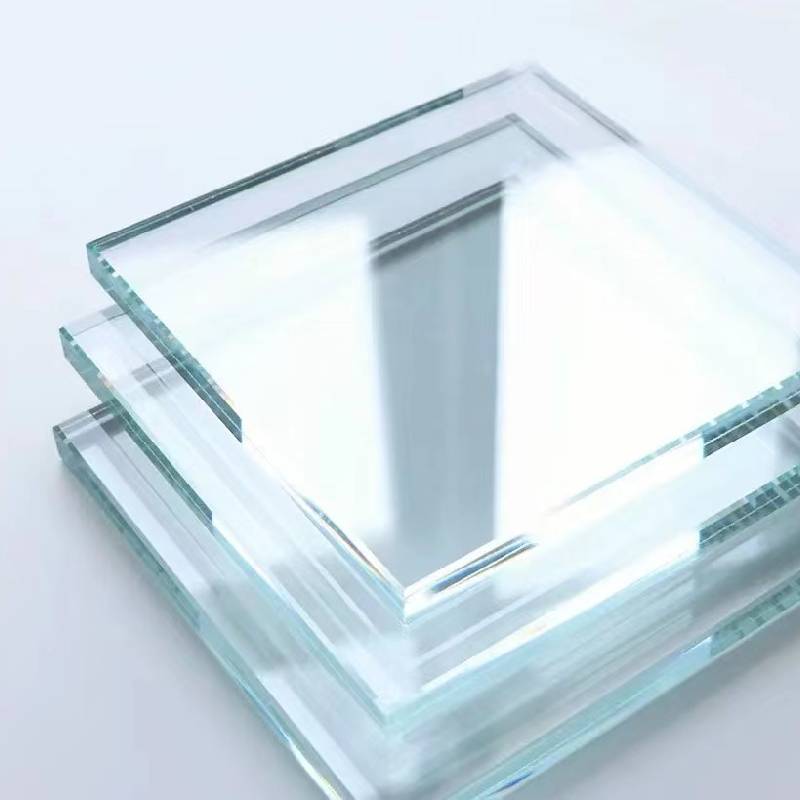
Specializing in the supply of high-clarity float glass and customized mirror solutions tailored for the rigorous aesthetic and thermal standards of the French construction market.

The Glazing Landscape in France

Analyzing the intersection of heritage preservation and modern energy efficiency in the French glass industry.

France presents a unique challenge for the glass industry, where the necessity to preserve Haussmann-style architectural heritage must be balanced with strict RE2020 environmental regulations. The demand for high-quality float glass has surged as urban renovation projects seek to improve thermal insulation without altering the classic visual profile of Parisian facades.

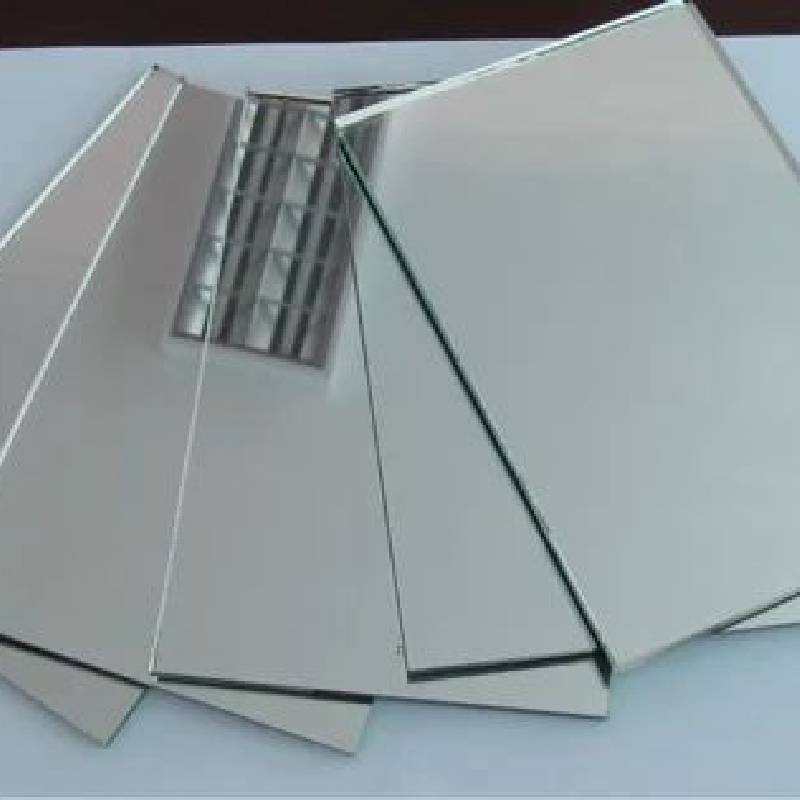
The local market is characterized by a high appreciation for luxury interior design, driving a consistent demand for specialized products like brown mirror glass. From the high-end boutiques of Avenue Montaigne to residential villas in Provence, the French market requires glass that offers both functional durability and a sophisticated color palette.

Furthermore, the diverse climate—ranging from the oceanic influence in Brittany to the Mediterranean warmth in Marseille—requires versatile float glass window options. This necessitates a supply chain capable of providing glass with precise solar coefficients and high acoustic dampening to combat noise pollution in dense European cities.
Evolution of Glass Manufacturing in France

Tracing the journey from traditional artisan glassblowing to automated high-precision float lines.

Market Development History

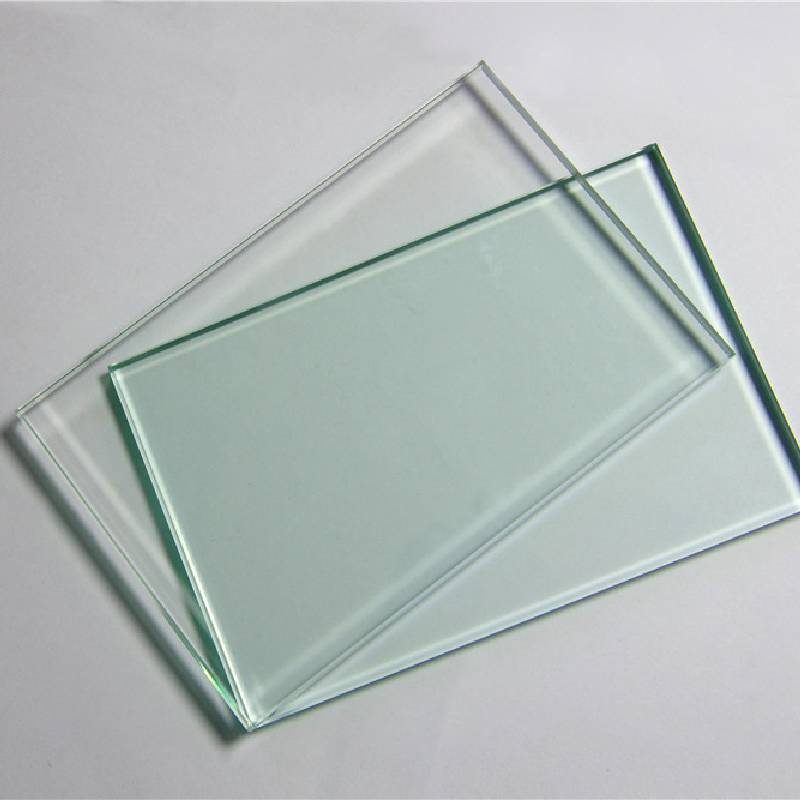
Historically, the French glass market relied heavily on artisanal techniques and thick, uneven sheets. However, the mid-20th century marked a pivotal shift with the adoption of the Pilkington float process, which revolutionized the production of float window glass, allowing for perfectly flat, distortion-free surfaces on an industrial scale.

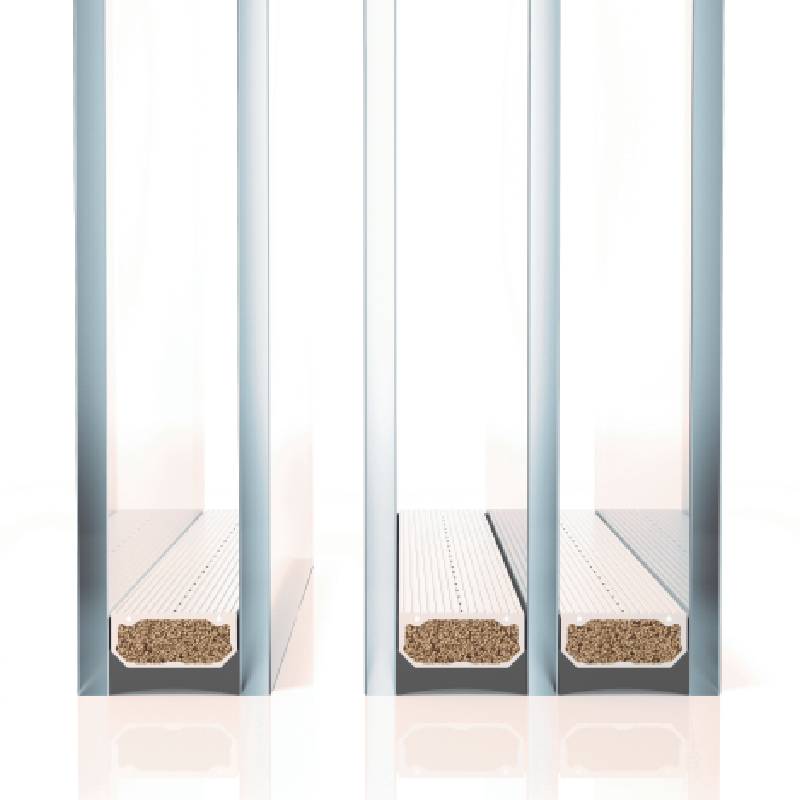
By the 1990s, the focus shifted toward safety and energy. The integration of toughening and laminating processes allowed float glass to be used in structural facades, while the introduction of Low-E coatings began to address the thermal leakage common in older French masonry buildings.

In the last decade, the trajectory has moved toward "smart" and "aesthetic" glass. The rise of digital fabrication has allowed for complex decorative glass patterns, blending the traditional French love for art nouveau with 21st-century precision engineering.

Future Development Trends

Vacuum-Insulated Glazing (VIG)

Driven by the goal of carbon neutrality by 2050, France is moving toward thinner yet more efficient insulating units that fit into traditional window frames.

Dynamic Electrochromic Surfaces

We anticipate a rise in glass that can change opacity on demand, reducing the need for external shutters in modern French office complexes.

Circular Economy and Recycled Cullet

Google search trends indicate a sharp increase in "sustainable building materials France," signaling a shift toward glass manufactured with a higher percentage of post-consumer recycled content.

Industry Outlook and Future Projections

Strategic forecasting for the non-metallic mineral products sector in the European market.

Thermal Efficiency Optimization
Focusing on ultra-low emissivity coatings to meet French RT2020 standards for energy consumption.
Aesthetic Customization
Increasing demand for tinted and mirrored surfaces in the luxury retail sector of Paris and Lyon.
Sustainable Sourcing
Transitioning to hydrogen-powered furnaces to reduce the carbon footprint of raw glass production.
Smart Glazing Integration
Incorporating IoT sensors into glass panels for building automation and energy management.

Industry Outlook

The next five years will see a convergence of biotechnology and material science, where glass is no longer just a passive barrier but an active participant in the building's ecosystem. In France, we expect a significant rise in "bio-climatic" architecture, utilizing advanced glass to maximize natural light while minimizing heat gain.

Market data suggests that the demand for specialized decorative solutions will grow by 4.2% annually, as the interior design market shifts towards minimalist but high-impact materials. This creates a prime opportunity for manufacturers who can deliver precision-cut, high-durability architectural glass.

Localized Applications in France

Real-world implementation of high-performance glass across different French sectors.

1. Parisian Luxury Boutique Fit-outs

Utilizing brown mirror glass to create expansive, warm visual depth in high-end fashion stores, blending modern luxury with the golden hues of classical French interiors.

2. Haussmann-era Window Restoration

Installing high-clarity float window glass in slim-profile steel frames to maintain the historic aesthetic of the 8th Arrondissement while improving U-values.

3. Modern Office Complexes in La Défense

Implementing large-scale float glass window systems with integrated solar control to reduce HVAC energy consumption in corporate skyscrapers.

4. Riviera Hospitality Design

Applying specialized decorative glass in hotel lobbies and spa areas in Nice and Cannes to create light-diffusing partitions that enhance the Mediterranean ambience.

5. Public Infrastructure and Transit Hubs

Deployment of heavy-duty tempered float glass in metro stations and airports (such as CDG) to ensure passenger safety and maximum natural illumination.

Brand Story

Global Development Journey of Shahe TP Top Glass Products Co., Ltd.

Industrial Foundations

Established with a vision to master the art of float glass, we began by optimizing the raw material fusion process to ensure unmatched clarity and strength.

Technical Innovation

We invested in state-of-the-art coating technologies, allowing us to transition from basic clear glass to high-value decorative and mirrored solutions.

European Market Expansion

Recognizing the demand for precision in Europe, we aligned our production standards with EU certifications to serve the architectural needs of France.

Solving Industry Pain Points

We addressed the common industry struggle of balancing aesthetic tinting with structural integrity, perfecting our mirrored glass longevity.

Global Leadership Vision

Today, we stand as a bridge between advanced manufacturing and architectural art, delivering sustainable glass solutions worldwide.

Comprehensive Glass Portfolio for the French Market

A curated selection of high-performance glazing products engineered for European climates and standards.

Common Questions for Glass Solutions in France

Expert answers to technical and regulatory queries regarding glass installation and selection.

How does float glass window performance compare to traditional glazing in France?

Modern float glass offers superior flatness and optical clarity, which, when combined with Low-E coatings, significantly outperforms traditional glazing in thermal retention and acoustic insulation.

Is brown mirror glass suitable for exterior use in the Mediterranean climate?

Yes, provided it is treated with a high-quality corrosion-resistant coating. Brown mirrored surfaces are excellent for reducing solar glare in sunny regions like the Côte d'Azur.

What certifications are required for decorative glass used in public buildings in Europe?

Glass used in public spaces must typically comply with EN 12150 (tempered glass) or EN 14449 (laminated glass) to ensure safety and impact resistance.

Can float window glass be customized for heritage restoration projects?

Absolutely. We provide precision-cut float glass that can be integrated into historic frames, maintaining the original look while introducing modern energy efficiency.

What is the typical lifespan of professional-grade decorative glass?

With proper installation and maintenance, professional-grade architectural glass can last several decades without significant degradation in clarity or color.

How do I choose between clear float glass and tinted options for a French home?

Clear glass is ideal for maximizing natural light in northern France, while tinted or mirrored options are recommended for south-facing properties to manage heat gain.

Partner with France's Leading Glass Experts

Ready to elevate your architectural project with high-performance glazing? Contact our specialists for a consultation tailored to your needs in France.

Contact Us Now