

logo

Premium Decorative Glass Solutions for Italian Architecture

Integrating high-performance transparency and Italian aesthetic excellence through advanced glass manufacturing.

Premium Decorative Glass Solutions for Italian Architecture

We provide high-precision glass manufacturing tailored for the Italian market, blending structural integrity with the artistic elegance required for Europe's design capital.

Glass Industry Landscape in Italy

Analyzing the demand for high-end architectural glass in the Mediterranean climate.

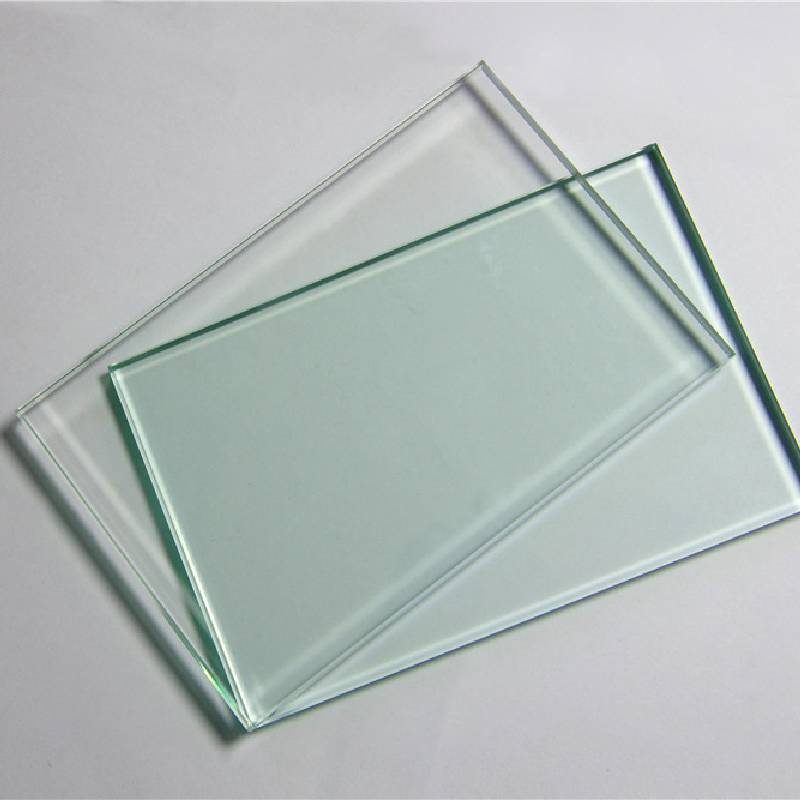
Italy's glass market is characterized by a profound tension between preserving historic architectural heritage and integrating modern energy-efficient technologies. The demand for float glass remains steady, driven by the rigorous standards of the Italian construction sector which prioritizes both durability and visual clarity.

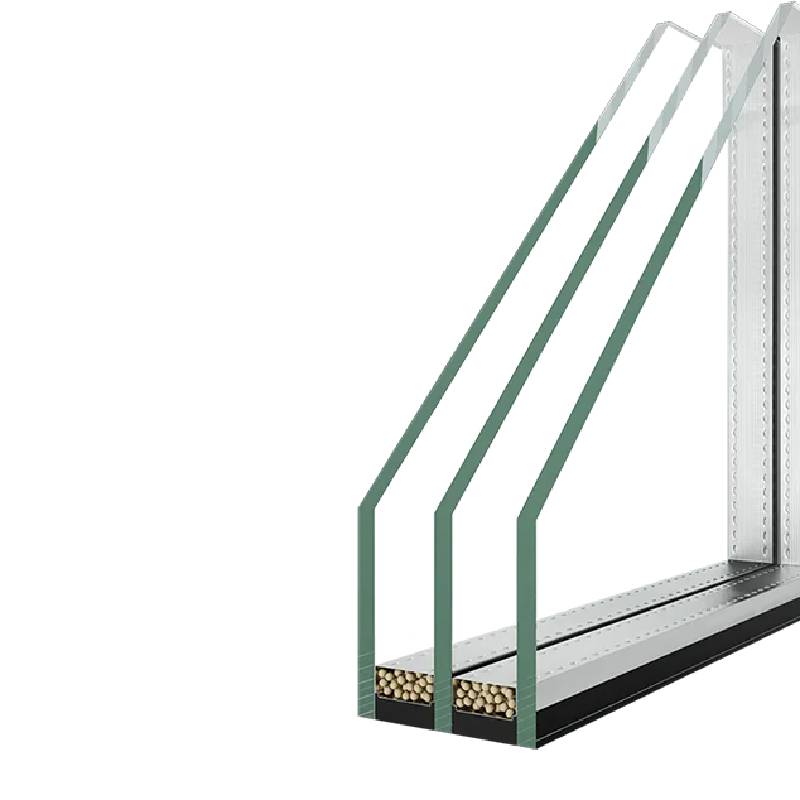
Due to the intense solar radiation in southern Italy and the temperate climate of the north, there is a significant shift toward specialized coatings. The adoption of float glass window systems that offer high thermal insulation is now a regulatory necessity to meet EU energy efficiency directives.

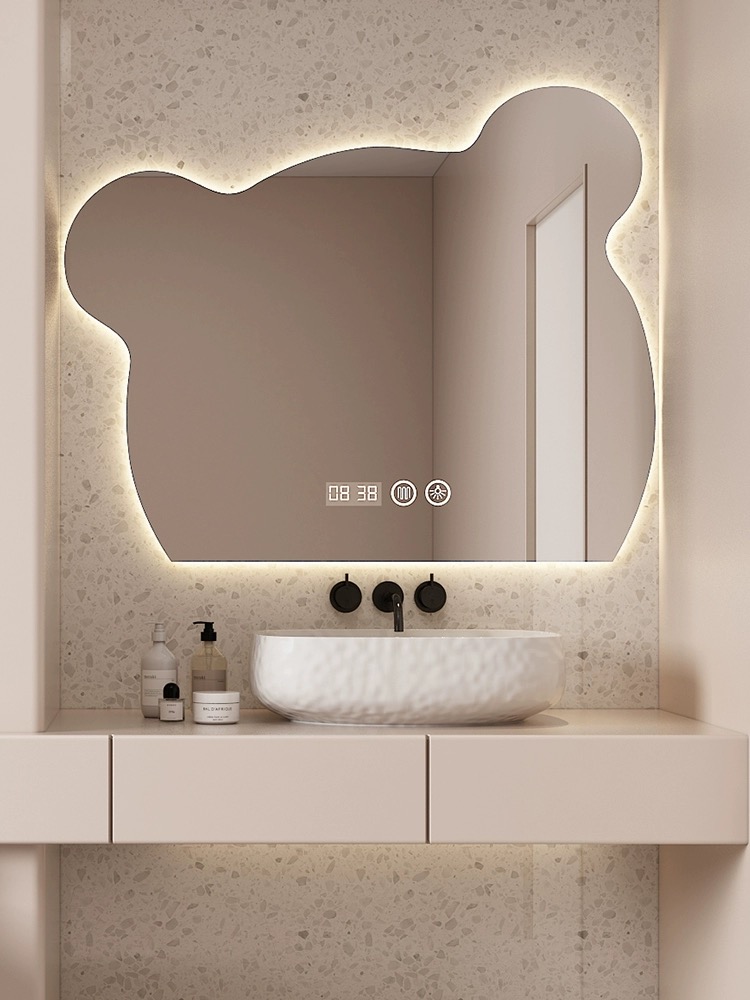
Furthermore, the luxury interior design sector in cities like Milan and Venice continues to drive the consumption of high-value materials, where brown mirror glass is frequently utilized to add warmth and depth to contemporary residential and hospitality spaces.
Evolution of Glass Manufacturing Technology

From artisanal traditions to automated industrial precision.

Market Development History

In the early 20th century, Italian glass was dominated by manual blowing and casting techniques. However, the industrial revolution brought the introduction of the Pilkington process, which standardized the production of float window glass, enabling mass-scale architectural applications across the peninsula.

By the 1990s, the focus shifted from mere transparency to functional performance. The integration of tempering and laminating processes allowed glass to move from simple enclosures to structural elements, enhancing the safety of public spaces in Italian urban centers.

Entering the 2010s, the "Smart Glass" era began. The synergy between Italian design and chemical engineering led to the rise of low-emissivity (Low-E) coatings, reducing carbon footprints in line with the Green Deal goals of Europe.

Future Development Trends

Vacuum Insulated Glass (VIG)

To maintain the thin profiles of historic Italian windows while achieving triple-glazing performance, VIG technology is becoming the primary choice for restoration projects.

Dynamic Electrochromic Layers

The next wave involves glass that changes opacity via electrical current, allowing Italian villas to manage heat gain without compromising the view.

Sustainable Circular Production

A shift toward 100% cullet (recycled glass) usage in the melting process to reduce CO2 emissions during high-temperature manufacturing.

Industry Trends and Future Outlook

Strategizing the future of non-metallic mineral products in the EU market.

Net-Zero Manufacturing
Transitioning to hydrogen-powered furnaces to eliminate carbon emissions in glass smelting.
BIPV Integration
Building Integrated Photovoltaics combining energy generation with structural glass.
AI-Driven Quality Control
Using machine learning to detect micro-defects in real-time during the float process.
Custom Aesthetic Glazing
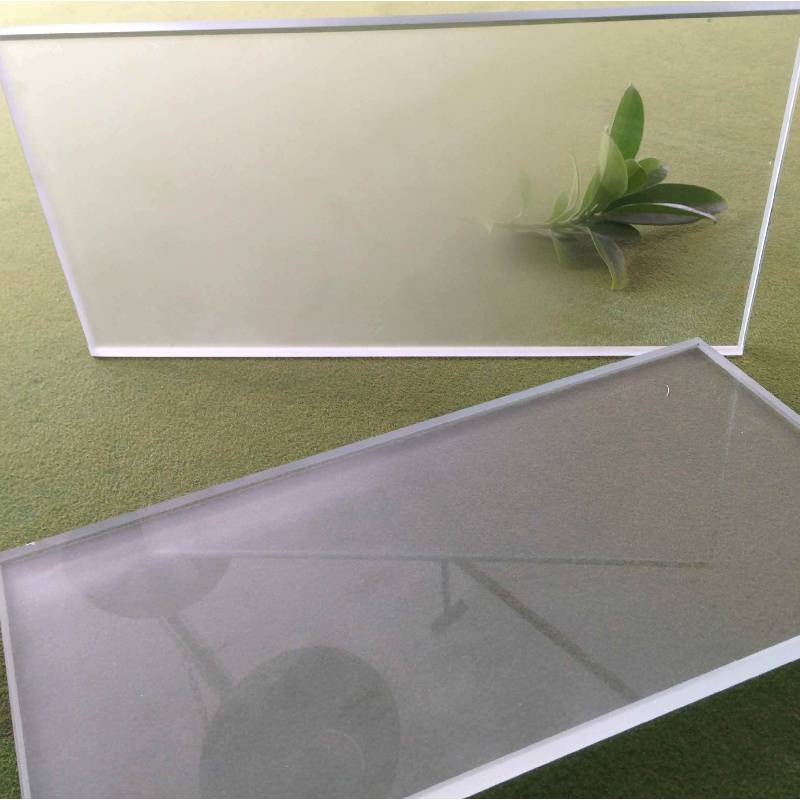
Growth in personalized architectural textures and color-infused safety glass.

Industry Outlook

Based on Google search trends, there is a rising interest in "eco-friendly glass renovation" and "thermal break windows" within Italy. This suggests that the market is moving away from simple replacement toward holistic energy upgrades of existing building envelopes.

We expect a 15% increase in the adoption of smart-tinting glass over the next 3-5 years as the Italian luxury hotel sector seeks to balance the beauty of Mediterranean sunlight with the need for strict HVAC energy reduction.

Localized Application Scenarios in Italy

Real-world implementations of high-performance glass in diverse Italian environments.

01. Milanese Corporate Facades

High-rise offices in Porta Nuova utilize advanced float glass window systems to maximize natural light while minimizing urban heat island effects.

02. Tuscan Luxury Villa Interiors

The use of brown mirror glass in bathrooms and dressing rooms to create a warm, rustic yet sophisticated atmosphere that complements stone walls.

03. Venice Heritage Restoration

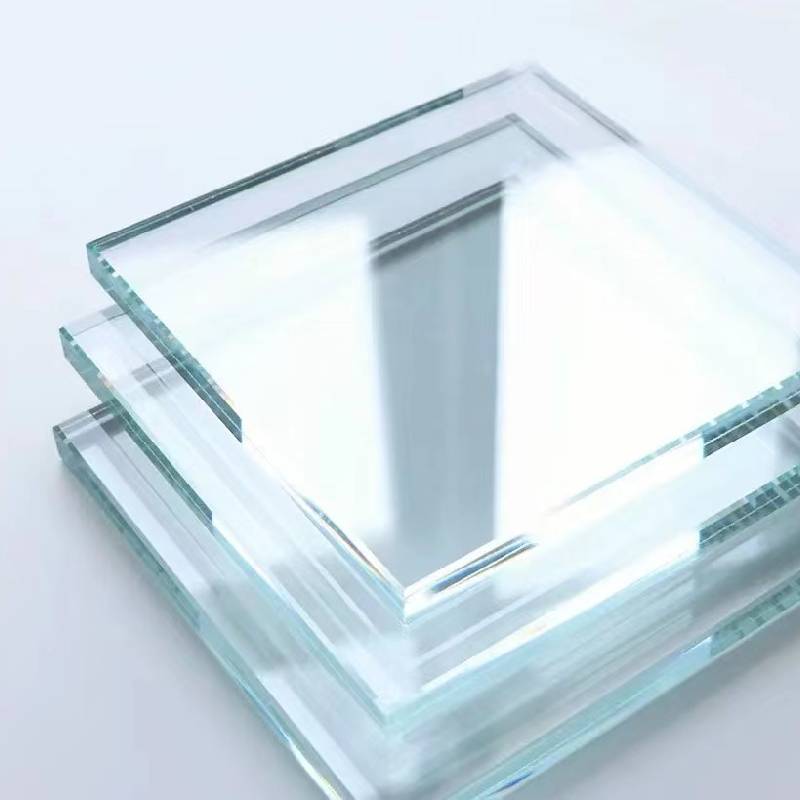
Implementing ultra-clear float window glass that mimics the appearance of historical glass while providing modern UV protection for art galleries.

04. Rome Retail Shopfronts

High-traffic shopping districts employ tempered decorative glass to combine security with high-transparency displays for luxury fashion brands.

05. Amalfi Coast Residential Balustrades

Marine-grade laminated safety glass used for transparent railings, ensuring unobstructed views of the coast while resisting salt-spray corrosion.

Brand Story

The Global Development Journey of Shahe Tptop Glass Products Co., Ltd.

Founding Excellence

Established with a mission to bridge the gap between industrial capacity and architectural precision, solving the pain point of inconsistent glass quality in mass production.

Technical Breakthroughs

Developed advanced polishing and coating lines that allowed us to meet the strict European standards for flatness and optical clarity.

European Expansion

Strategically entered the Italian market by partnering with top architects to provide customized glass solutions for heritage sites.

Sustainability Pivot

Invested in low-carbon smelting technologies to ensure our products contribute to the LEED and BREEAM certifications of our clients' projects.

Global Leadership

Now recognized as a leading supplier of architectural glass, blending Eastern efficiency with Western design sensibilities.

Comprehensive Glass Portfolio for Italy

From structural float glass to artistic mirrors, engineered for the Italian climate.

Frequently Asked Questions in Italy

Expert answers to common technical queries regarding glass installation and selection.

How does float glass perform in high-humidity coastal areas like Venice?

Our float glass is treated with advanced edge-sealing technology to prevent moisture ingress, ensuring that the glass remains crystal clear without corrosion in salty environments.

What is the best float glass window for energy saving in Northern Italy?

For the colder climates of the North, we recommend double or triple glazed units with Low-E coatings to minimize heat loss and reduce heating costs.

Can brown mirror glass be used in exterior applications?

Yes, provided it is tempered and coated with an anti-oxidization layer to prevent the silvering from degrading due to UV exposure and weather changes.

What makes decorative glass suitable for historic Italian building restoration?

We can customize the texture, color, and thickness to match 18th or 19th-century styles while incorporating modern safety certifications.

Is float window glass compatible with slim-profile aluminum frames?

Absolutely. Our high-precision cutting ensures a perfect fit for the minimalist aluminum profiles popular in contemporary Italian architecture.

How do I maintain the clarity of architectural glass in urban areas like Rome?

We recommend a hydrophobic coating that repels dust and pollution, significantly reducing the frequency of cleaning cycles in smog-prone cities.

Ready to Elevate Your Project?

Our experts are ready to provide technical consultation and customized glass solutions for your next architectural masterpiece in Italy.

Contact Us Now