
logo

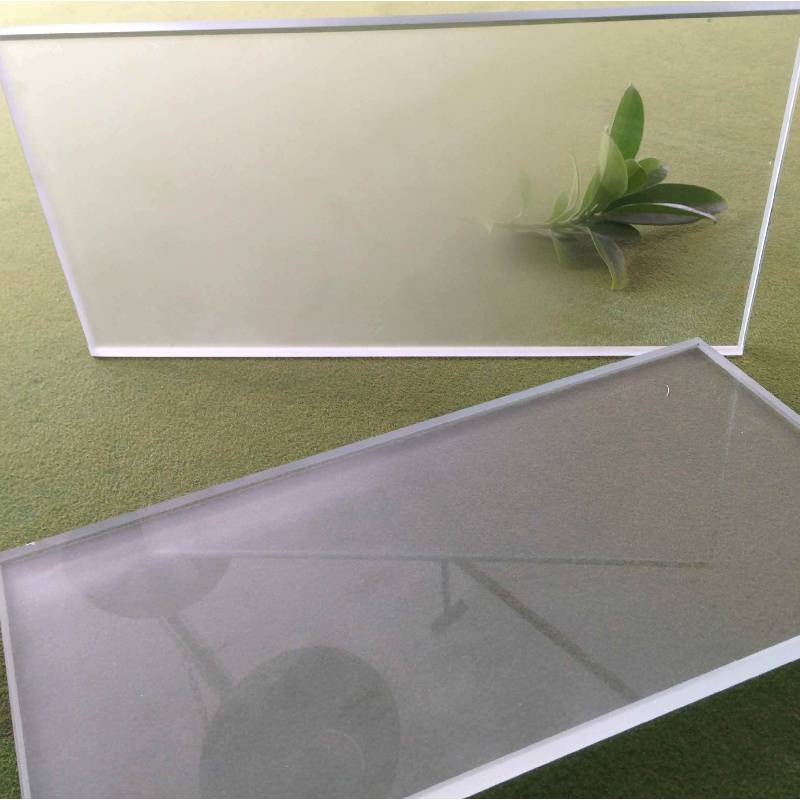
Premium decorative glass Solutions for Netherlands Architecture

Integrating advanced optical clarity and thermal efficiency to meet the stringent building standards of the Dutch market.

Premium decorative glass Solutions for Netherlands Architecture

Offering a comprehensive range of high-performance glass products, from standard float glass to specialized architectural mirrors, tailored for the European climate.

The Landscape of Glass Manufacturing in the Netherlands

Analyzing the demand for high-transparency and energy-efficient glazing in the Dutch region.

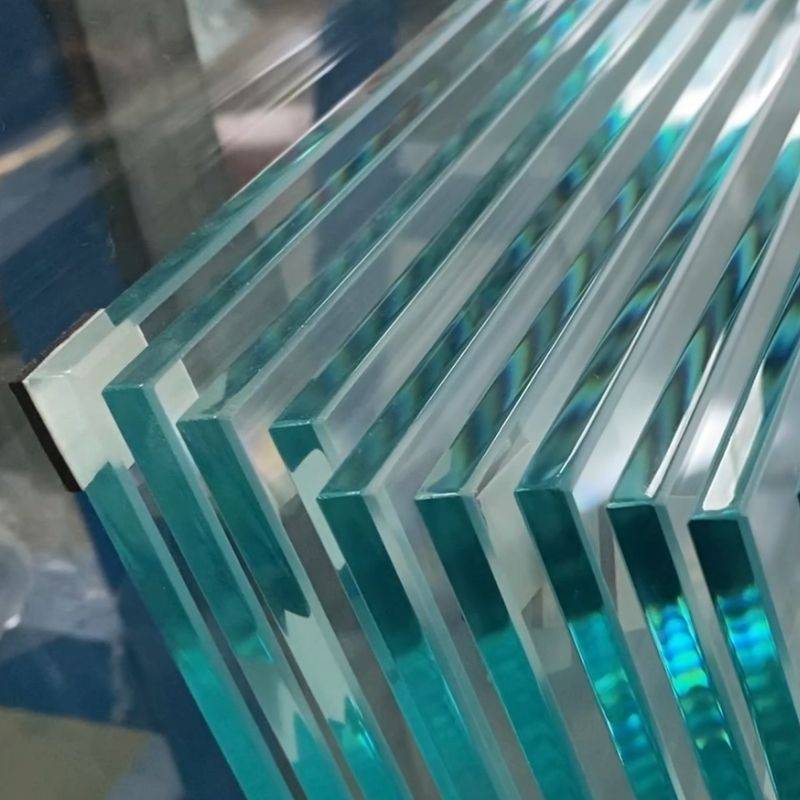
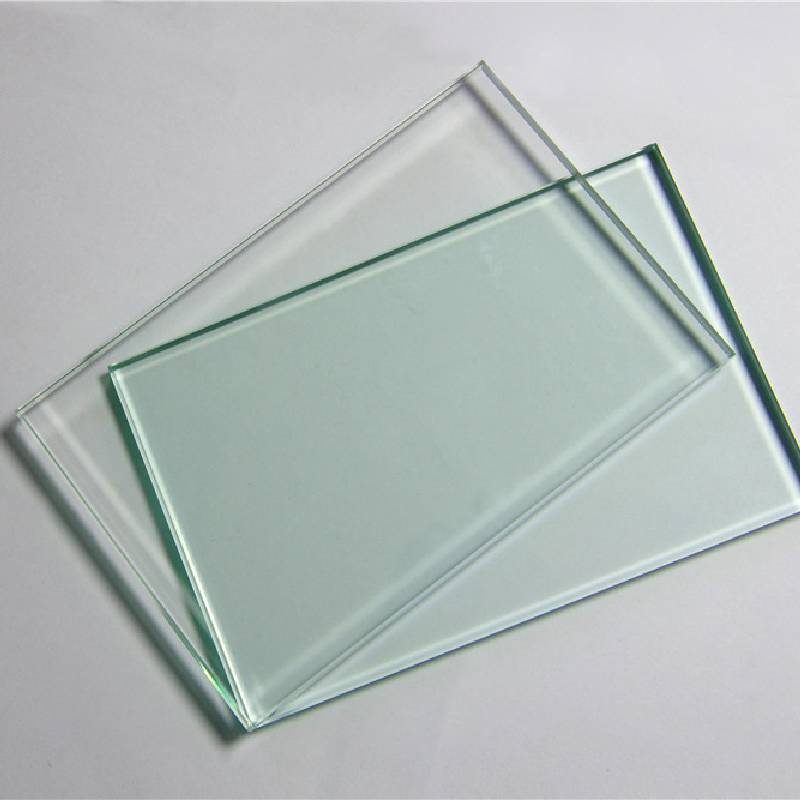
The Netherlands presents a unique architectural challenge due to its maritime climate and high humidity. Consequently, there is a critical demand for float glass window systems that can withstand moisture while maintaining superior insulation properties to reduce heating costs during cold winters.

In urban centers like Amsterdam and Rotterdam, the trend toward "Transparent Cities" has increased the consumption of high-grade float window glass. These products are essential for the region's iconic modern facades, requiring strict adherence to EU safety and environmental certifications.

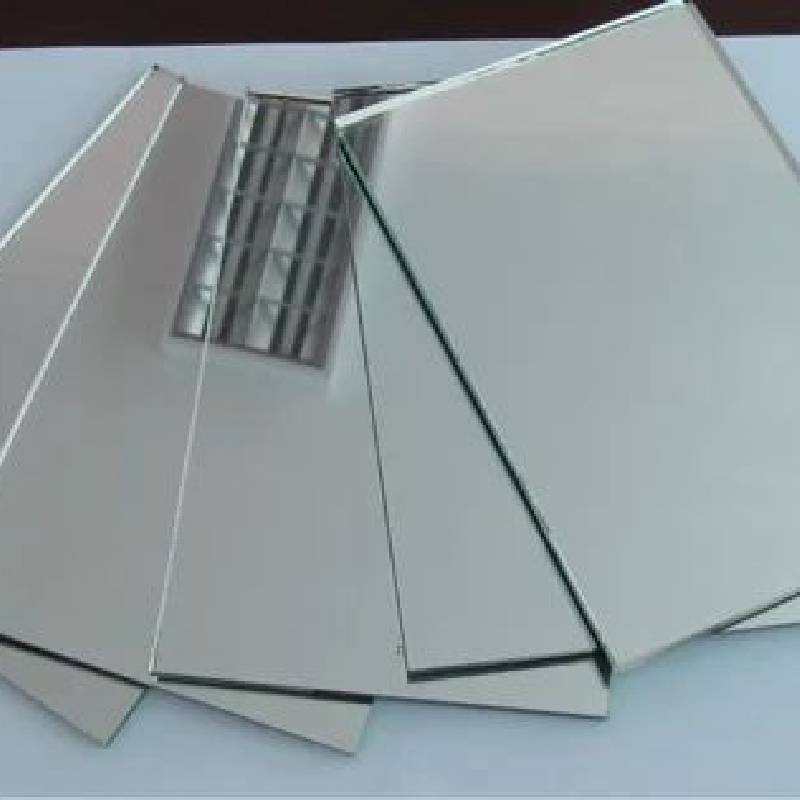
Furthermore, the Dutch interior design market exhibits a strong preference for minimalist yet bold aesthetics, driving the adoption of brown mirror glass in commercial luxury spaces and boutique hotels to create depth and warmth in naturally grey lighting conditions.
Evolution and Trajectory of Glass Technology

From traditional float processes to the era of smart, sustainable glazing.

Market Development History

In the mid-20th century, the adoption of the Pilkington float process revolutionized the Dutch market, allowing for the mass production of perfectly flat float glass, replacing costly grinding processes.

By the 1990s, the focus shifted toward thermal performance. The introduction of Low-E coatings on window glass allowed Dutch architects to build larger glass walls without sacrificing energy efficiency, aligning with the region's early sustainability goals.

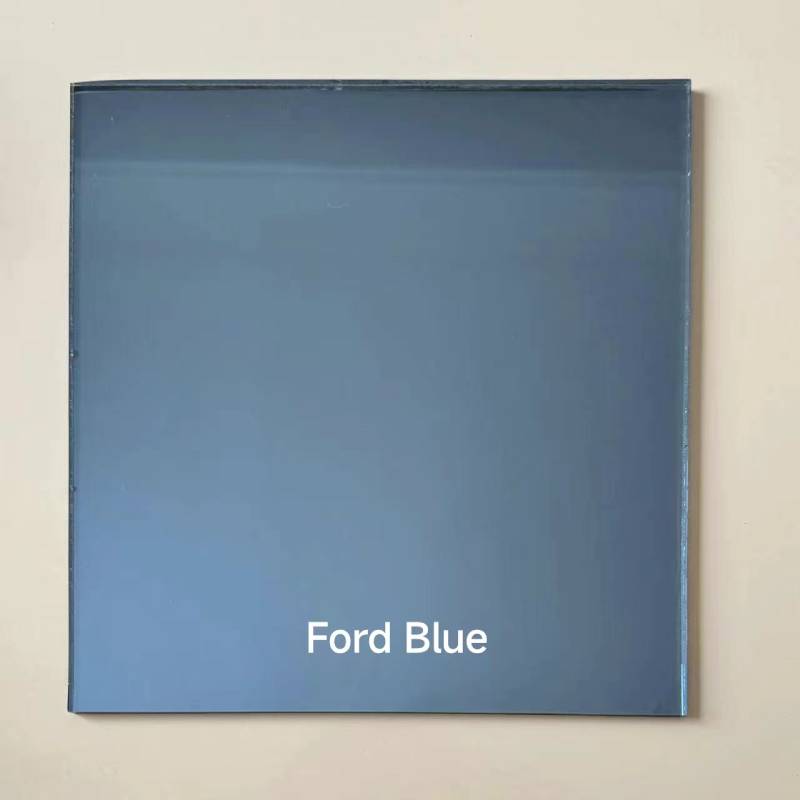
Entering the 2010s, the market expanded into aesthetic specialization. The demand for tinted and decorative glass grew as interior architecture began integrating glass as a structural and artistic element rather than just a transparent barrier.

Future Development Trends

Vacuum Insulated Glass (VIG)

Transitioning from double to vacuum glazing to meet the "Zero-Emission" building targets expected by 2030 in the Netherlands.

Smart Electrochromic Integration

Integrating tint-on-demand technology into window systems to optimize solar gain and reduce air conditioning reliance.

Circular Economy Glass

A shift toward 100% recyclable glass compositions to comply with the strict Dutch circular economy roadmap.

Industry Trends and Future Outlook

Navigating the shift toward sustainable and intelligent glass solutions.

Carbon-Neutral Production
Implementing hydrogen-powered furnaces to eliminate CO2 emissions during the float glass melting process.
BIPV Integration
Integrating photovoltaic cells into architectural glass to turn facades into active energy generators.
High-Index Optics
Developing glass with higher refractive indices for slimmer, more efficient decorative installations.
Digitalized Customization
AI-driven design tools for precise cutting and etching of complex decorative patterns.

Industry Outlook

Looking forward, the Dutch glass market will be driven by the "Green Deal" guidelines. We anticipate a massive shift toward high-performance float window glass that integrates with smart home systems to manage light and temperature autonomously.

Data from Google search trends indicates a rising interest in "sustainable luxury interiors," which will likely boost the demand for bespoke, eco-friendly decorative glass and high-end metallic mirror coatings.

Localized Application Scenarios in the Netherlands

Practical implementations of high-performance glass in Dutch environments.

01. Amsterdam Canal House Renovations

Integrating ultra-clear float glass window units into historic facades to maintain aesthetic integrity while providing modern thermal insulation.

02. Rotterdam High-Rise Office Facades

Utilizing large-scale float window glass with solar-control coatings to reduce the "urban heat island" effect in dense commercial districts.

03. Luxury Retail in The Hague

Applying brown mirror glass for high-end boutique displays, creating a sophisticated atmosphere that appeals to the diplomatic and corporate clientele.

04. Modern Greenhouse Agriculture

Implementing high-transmission float glass for the Dutch horticulture industry to maximize UV penetration and crop yield.

05. Eindhoven Tech-Hub Interiors

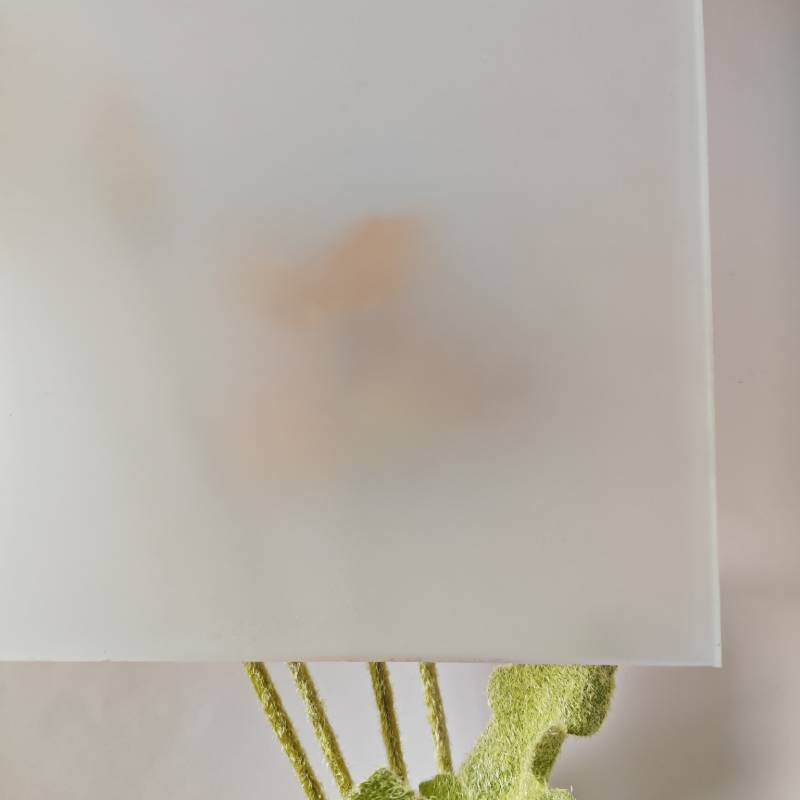
Using etched decorative glass partitions in corporate offices to balance open-concept layouts with acoustic and visual privacy.

Brand Story

Global Development Journey of Shahe Tptop Glass Products Co., Ltd.

Foundation and Precision

Established with a commitment to engineering excellence, we focused on solving the inconsistency of thickness in early float glass production.

Technological Diversification

Expanded our portfolio to include advanced mirroring and decorative techniques, meeting the rising demand for specialized architectural glass.

European Market Entry

Strategically aligned our production standards with EU certifications to provide the Netherlands and neighboring regions with high-durability glazing.

Sustainability Pivot

Invested in green manufacturing processes to reduce the carbon footprint of every square meter of glass produced for our global clients.

Global Leadership

Now recognized as a leading partner for complex glass projects, blending industrial power with artistic precision for worldwide architectural landmarks.

Complete Glass Portfolio for the Netherlands Market

A curated selection of high-performance glass solutions designed for European climatic conditions.

Common Questions for Dutch Glass Procurement

Expert answers to technical and logistical queries regarding glass imports to the Netherlands.

How does float glass window performance compare in high-humidity coastal areas?

Our windows use high-density float glass with advanced sealing technology to prevent moisture ingress and oxidation, ensuring long-term clarity even in saline coastal environments.

What are the benefits of using brown mirror glass for commercial interiors?

Brown mirror glass provides a warmer reflection and reduces glare compared to silver mirrors, making it ideal for creating a cozy, luxury atmosphere in Dutch hospitality venues.

Can float window glass be customized for specific energy ratings in Europe?

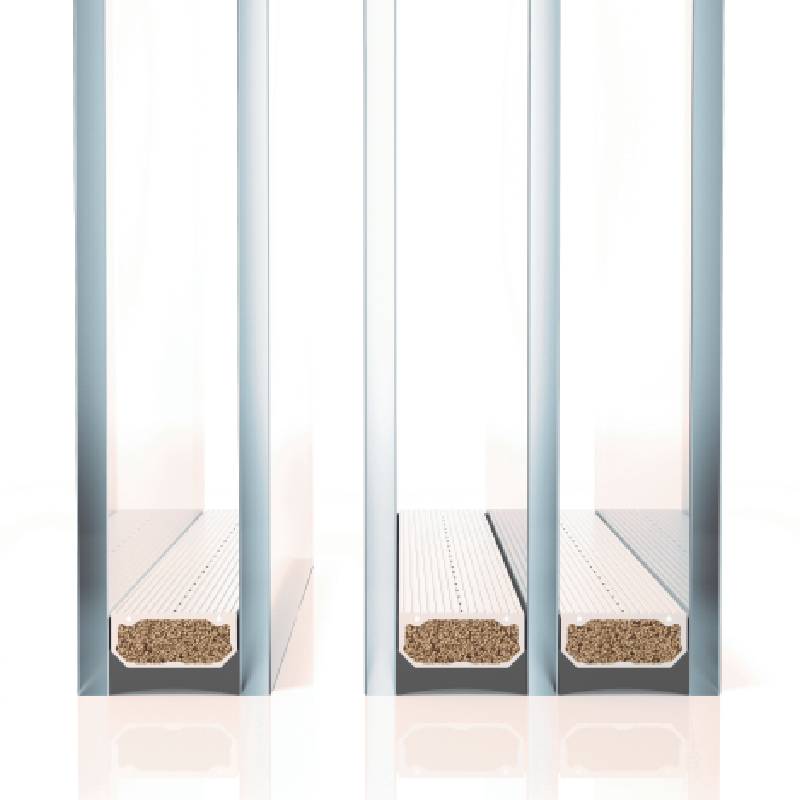
Yes, we offer various Low-E and Argon-filled configurations to help your project meet the stringent Dutch energy efficiency building codes.

What is the lead time for custom decorative glass orders to the Netherlands?

Depending on the complexity of the design, production typically takes 15-25 days, followed by optimized sea freight to major Dutch ports like Rotterdam.

How is the quality of float glass verified for architectural use?

Every batch undergoes rigorous stress tests, flatness checks, and spectral analysis to ensure compliance with ISO and European safety standards.

Are there eco-friendly options for decorative glass installations?

We provide glass with high recycled content and use lead-free coatings to support the sustainability goals of the Dutch construction sector.

Get a Professional Glass Consultation

Our experts are ready to help you select the perfect glazing solution for your project in Netherlands.

Contact Us Now