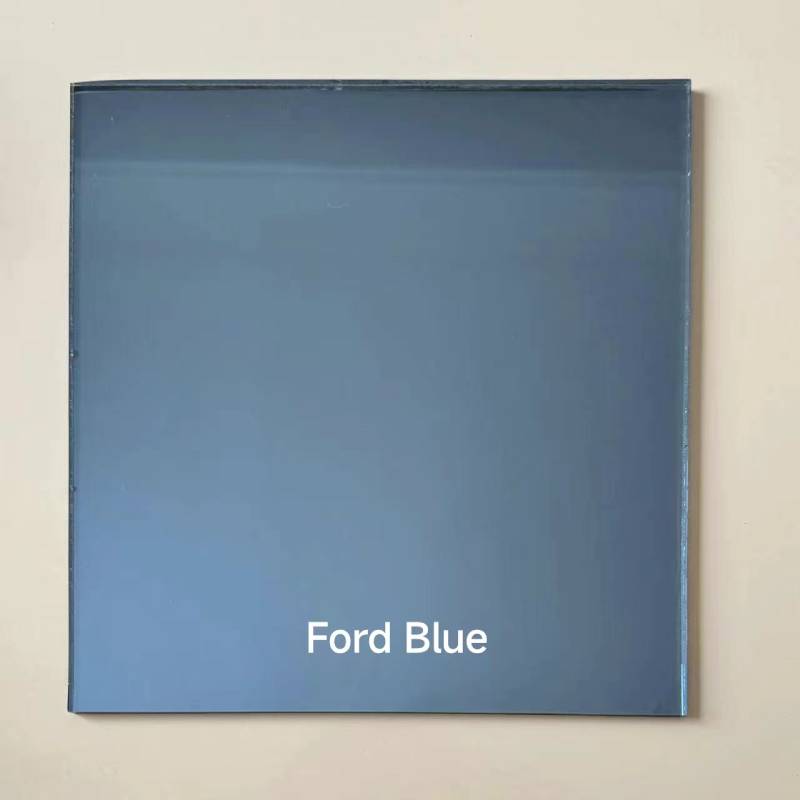
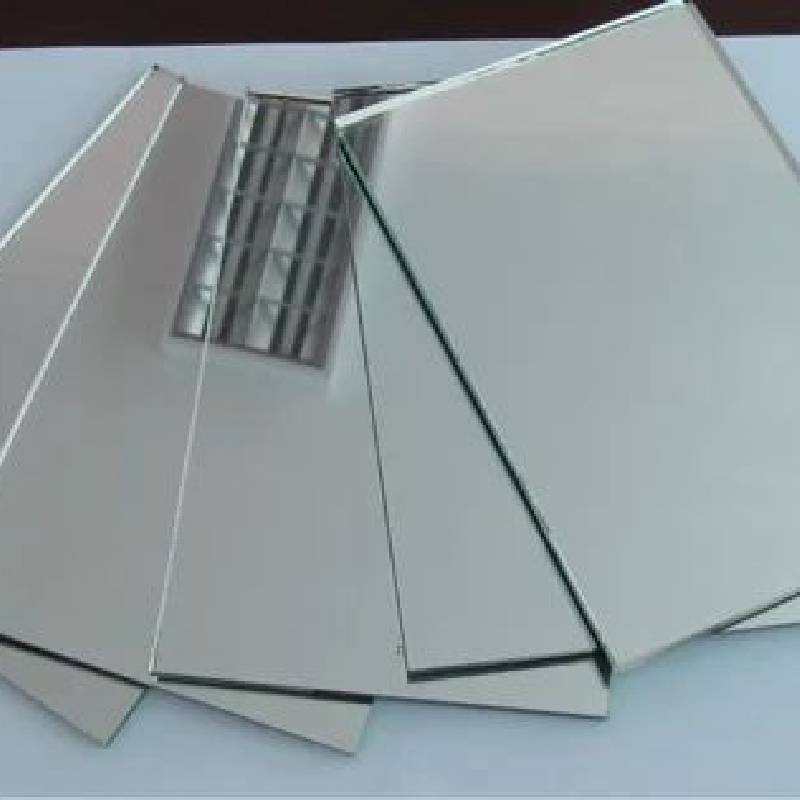
logo

Premium Decorative Glass Solutions for South Korea

Integrating high-performance float glass technology with South Korean architectural aesthetics to deliver sustainable and luxury glazing solutions.

Premium Decorative Glass Solutions for South Korea

Providing the South Korean market with advanced float glass and specialized architectural glazing designed for energy efficiency and modern urban design.

Glazing Landscape in South Korea

Analyzing the demand for high-spec architectural glass in Korea's dense urban centers.

South Korea's construction sector is characterized by a rapid transition toward "Smart Cities," where the demand for high-transparency float glass window systems has surged to meet strict energy-saving regulations (Zero Energy Building certification).

The climate in the Korean peninsula, featuring humid summers and freezing winters, necessitates glass with superior thermal insulation. This has pushed the market beyond standard float window glass toward vacuum-insulated and low-emissivity coatings.

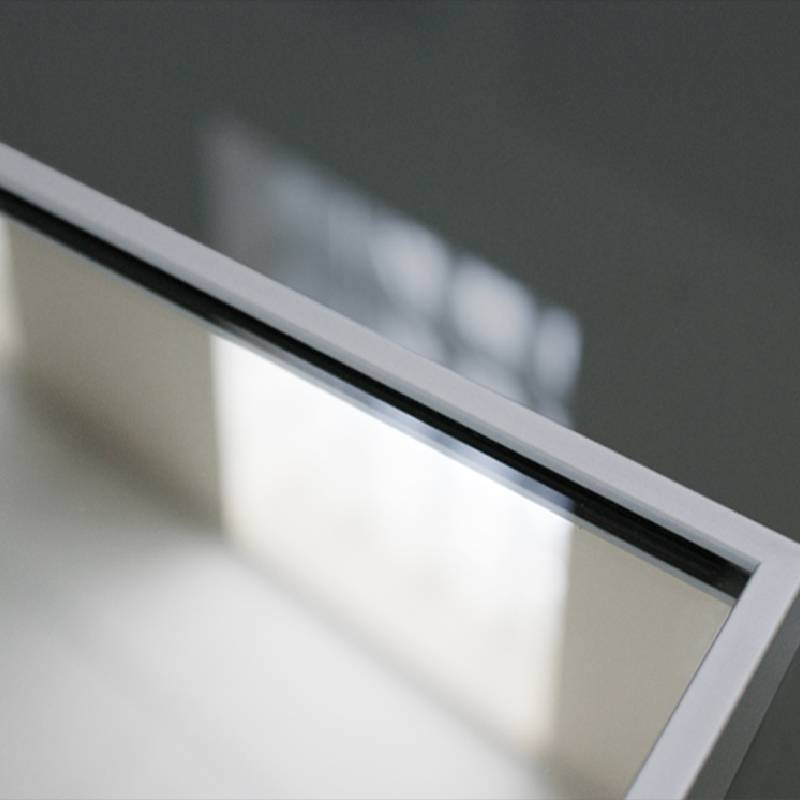
Moreover, the luxury interior market in Seoul and Busan is seeing a significant rise in the use of brown mirror glass for high-end commercial facades and interior partitioning to enhance privacy while maintaining a sophisticated aesthetic.
Evolution of Glass Technology in Korea

From basic structural glazing to intelligent, aesthetic surface engineering.

Market Development History

In the 1980s and 90s, the Korean market relied heavily on standard float glass for industrial expansion, focusing primarily on volume and basic structural integrity for rapid urban growth.

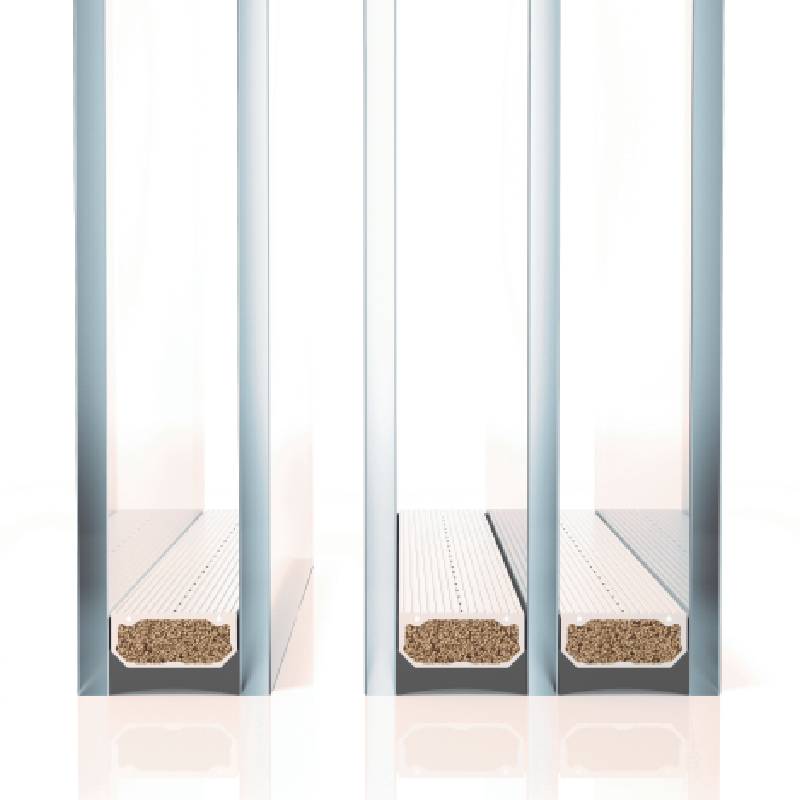
By the 2010s, the focus shifted toward energy efficiency. The integration of double and triple glazing in float glass window applications became the industry standard to combat the extreme seasonal temperature fluctuations of the region.

Recently, from 2020 onwards, there has been a paradigm shift toward "Glass as Art," where decorative glass is no longer just a finish but a functional element integrating light control and acoustic damping.

Future Development Trends

BIPV Integration

Building-Integrated Photovoltaics are becoming essential in South Korea's green architecture, turning standard windows into energy generators.

Smart Tinting Tech

Electrochromic glass that adjusts transparency based on solar intensity is expected to dominate high-rise office buildings in Seoul.

Sustainable Circularity

A transition toward 100% recyclable glass cullet in the manufacturing process to align with Korea's Carbon Neutrality 2050 goal.

Industry Outlook & Future Prospects

Strategic forecasting for the non-metallic mineral products sector in East Asia.

Eco-Friendly Fabrication
Adopting low-carbon smelting technologies to reduce the CO2 footprint of float glass production.
Digital Design Integration
Utilizing BIM (Building Information Modeling) for precise customization of float window glass dimensions.
High-End Aestheticization
Increasing demand for specialized coatings like brown mirror glass for luxury retail branding.
Urban Thermal Control
Developing advanced heat-reflective surfaces to reduce urban heat island effects in Seoul.

Industry Outlook

Based on Google Search trends in the Asia-Pacific region, "Sustainable Glass" and "Smart Glazing" have seen a 35% increase in search volume. This indicates a strong market shift toward functional glass that serves both environmental and aesthetic purposes.

We anticipate that the South Korean market will move toward integrated glass-module systems, reducing onsite installation time and increasing the precision of thermal seals in high-rise applications.

Localized Application Scenarios in South Korea

Practical implementations of our glass solutions across diverse Korean environments.

1. Gangnam Commercial High-Rises

Deployment of high-performance float glass window systems to optimize natural light while blocking UV radiation in Seoul's business district.

2. Luxury Boutique Interiors in Myeong-dong

Using brown mirror glass to create expansive, depth-enhancing visual effects in high-end retail spaces.

3. Jeju Eco-Resort Pavilions

Installation of customized decorative glass that blends architectural structures with the natural volcanic landscapes of Jeju Island.

4. Incheon Smart Port Facilities

Application of heavy-duty float window glass with enhanced wind-load resistance for coastal industrial infrastructure.

5. Songdo International Business District

Implementing large-scale float glass curtain walls that meet the strict LEED certification requirements of the district.

Brand Story

Global Development History of Shahe Top Glass Products Co., Ltd.

Foundational Excellence

Established with a focus on precision manufacturing, solving the industry pain point of inconsistent glass thickness and clarity.

Technological Breakthrough

Developed proprietary coating processes that allowed for superior durability in extreme climates, expanding our reach into the East Asian market.

Global Market Expansion

Strategically entered the South Korean market, aligning our production lines with the high-quality standards of Korean architectural firms.

Sustainability Pivot

Invested in green energy furnaces to reduce carbon emissions, ensuring our glass products meet global environmental certifications.

Industry Leadership

Currently leading the way in integrating decorative aesthetics with thermal performance for the global modern architecture sector.

Complete Glass Portfolio for South Korea

A curated selection of glazing solutions tailored for the Korean architectural landscape.

Common Questions in South Korea

Expert answers to the most frequent queries regarding glass specifications and installation.

How does float glass window performance vary in Korean winters?

Our windows utilize low-E coatings that significantly reduce heat loss, maintaining interior warmth during South Korea's sub-zero winter temperatures.

What are the benefits of using brown mirror glass for commercial interiors?

It provides a sophisticated color palette that reduces glare compared to clear mirrors and offers a higher level of privacy for luxury retail environments.

Can decorative glass be customized for specific architectural themes in Seoul?

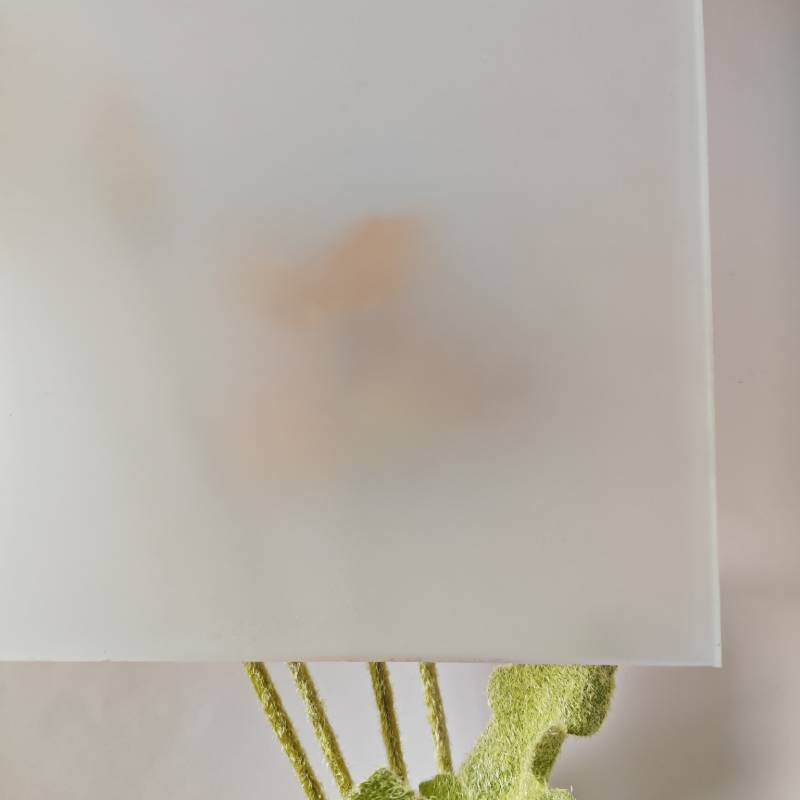
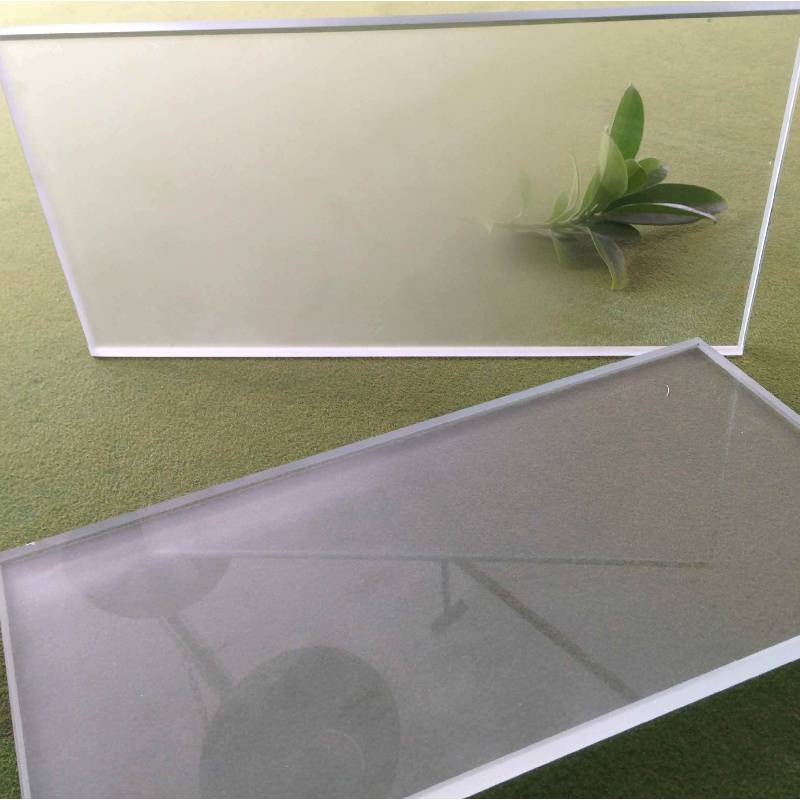
Yes, we offer bespoke frosting, tinting, and patterning services to ensure the glass aligns with the unique design language of the project.

Is float window glass resistant to the high humidity of Korean summers?

Our glass is processed to prevent corrosion and oxidation, ensuring clarity and structural integrity even in humid coastal areas like Busan.

What is the lead time for bulk float glass orders to South Korea?

Depending on the specifications and volume, lead times typically range from 3 to 6 weeks, including specialized maritime logistics.

Do your products comply with South Korean safety glass standards?

All our tempered and laminated glass products meet or exceed the KS (Korean Industrial Standards) for safety and impact resistance.

Get Expert Glazing Advice

Our technical team is ready to support your next architectural project in South Korea with precision-engineered glass solutions.

Contact Us Now