

logo

Premium decorative glass Solutions for Sweden's Modern Architecture

Engineered for the Nordic climate, combining Swedish aesthetic minimalism with world-class glass manufacturing precision.

Premium decorative glass Solutions for Sweden's Modern Architecture

We provide high-performance glass solutions tailored for the Swedish market, focusing on thermal efficiency, light transmission, and architectural elegance.

Glass Manufacturing Landscape in Sweden

Analyzing the intersection of Nordic design and industrial glass requirements.

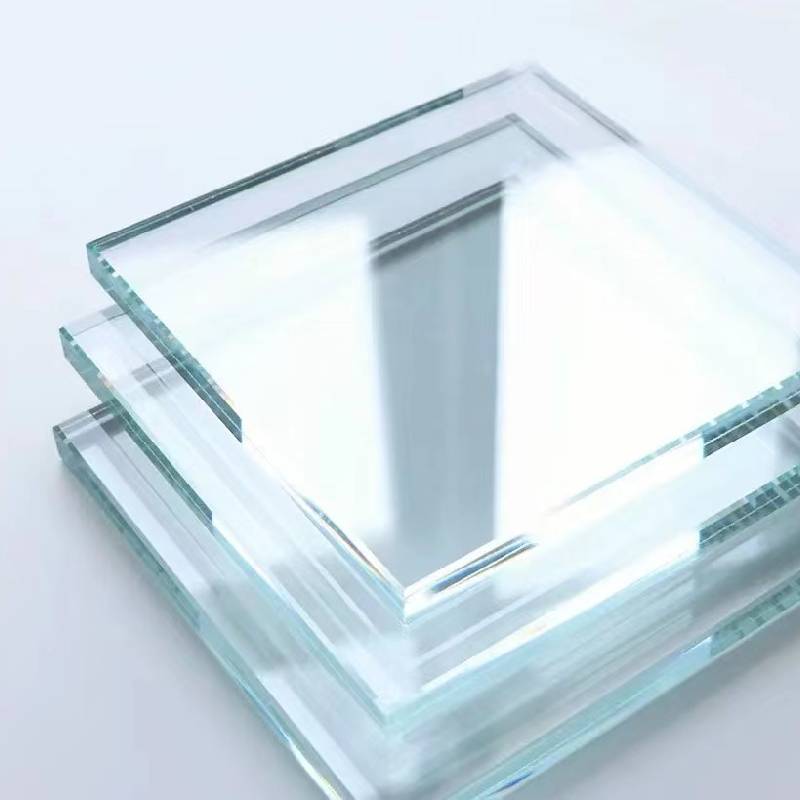
Sweden's glass industry is defined by its extreme climatic demands. With long, dark winters and mild summers, there is a critical demand for float glass window systems that maximize natural light while maintaining rigorous thermal insulation standards (U-values) to reduce heating costs.

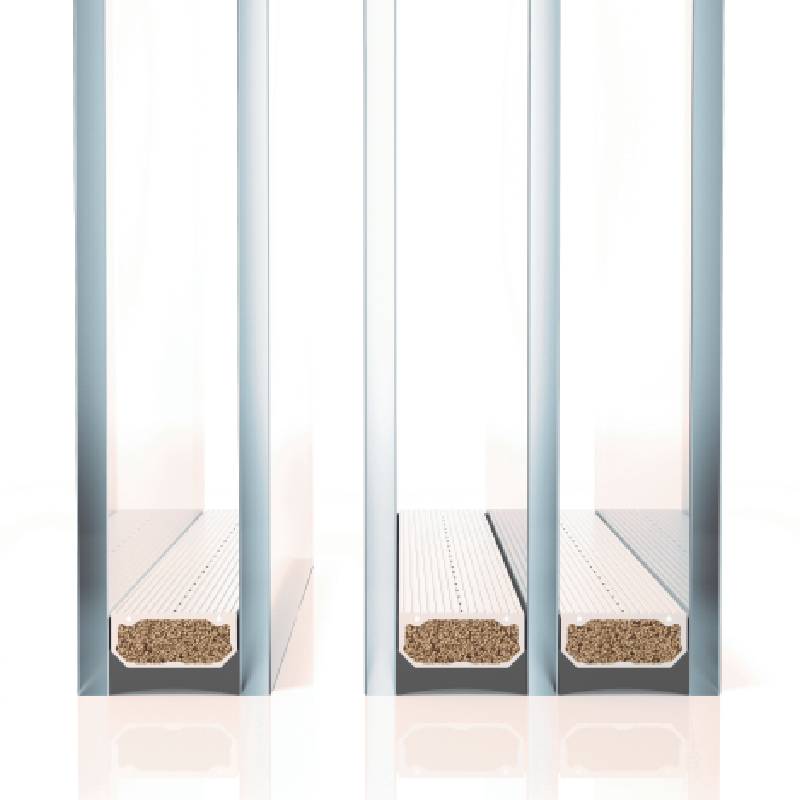
The Swedish market shows a strong preference for sustainability and "Lagom" (just the right amount) design. This has led to a surge in the adoption of high-quality float glass that serves as the base for triple-glazing units, essential for energy efficiency in Stockholm and Gothenburg urban developments.

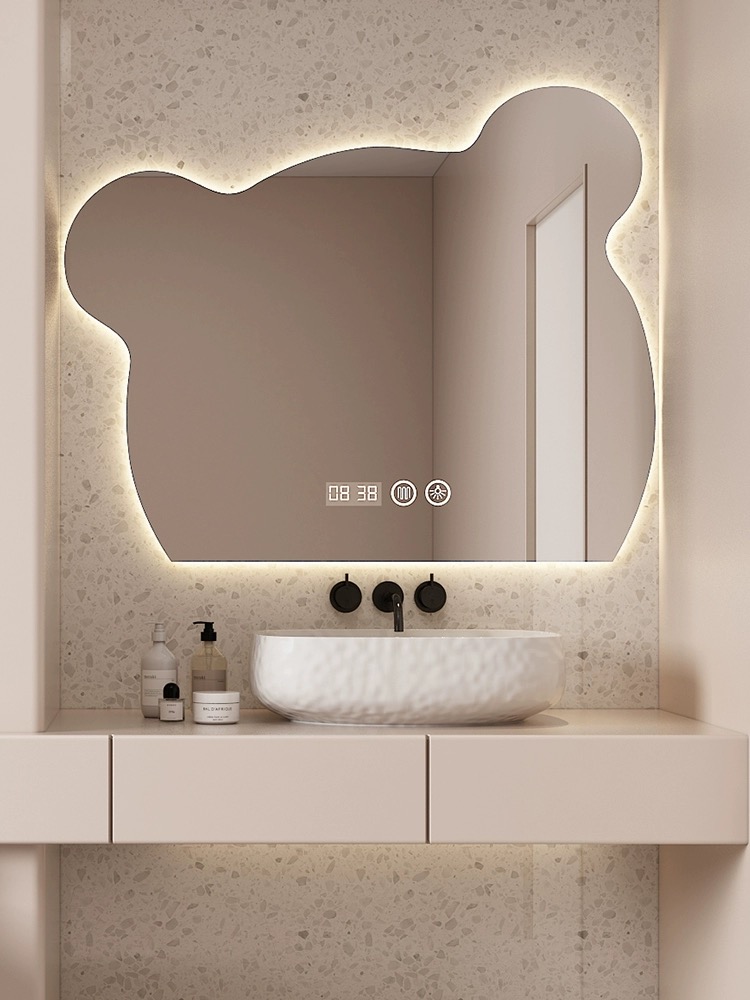
Furthermore, the interior design sector in Sweden is increasingly utilizing specialized surfaces. The use of brown mirror glass has become a trend in boutique hotels and luxury residential projects, providing a warm, sophisticated contrast to the typical white-and-grey Nordic palette.
Evolution of Glass Technology in Sweden

From traditional craftsmanship to smart, energy-efficient glass systems.

Market Development History

In the mid-20th century, Swedish glass was dominated by traditional plate glass. The introduction of the float process in the 1960s revolutionized the market, enabling the mass production of float window glass with unprecedented flatness and clarity, supporting the rapid expansion of Swedish modernism.

Between 1990 and 2010, the focus shifted toward thermal performance. The industry moved from single-pane to double and then triple-glazing. During this period, the integration of Low-E coatings became standard, transforming basic float glass into a sophisticated energy barrier.

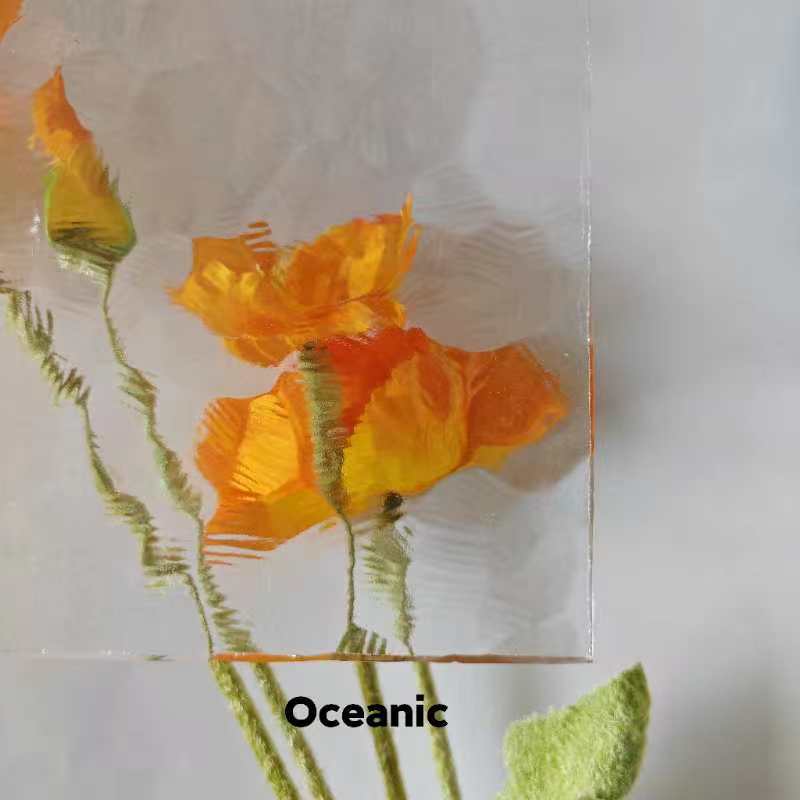
From 2015 to the present, the trend has evolved toward "Functional Aesthetics." Glass is no longer just a structural element but a design tool, leading to the widespread use of customized tints and textured surfaces for interior zoning and acoustic control.

Future Development Trends

Vacuum Insulated Glazing (VIG)

To meet Sweden's net-zero goals, we expect a shift toward VIG technology, offering the insulation of a thick wall with the slim profile of a single pane.

Smart Dynamic Tinting

Integration of electrochromic layers will allow Swedish homeowners to adjust glass transparency based on the varying intensity of seasonal sunlight.

Circular Economy Integration

Increased demand for 100% recyclable glass compositions and closed-loop manufacturing to align with Swedish environmental regulations.

Future Trends and Strategic Outlook

Predicting the next phase of glass innovation for Northern Europe.

Carbon-Neutral Production
Transitioning to hydrogen-fired furnaces to eliminate CO2 emissions in the float glass process.
AI-Driven Quality Control
Implementing machine learning to detect microscopic imperfections in architectural glass in real-time.
BIPV Integration
Building-Integrated Photovoltaics turning windows into active energy generators for Swedish homes.
Advanced Acoustic Layers
Specialized interlayers to combat urban noise pollution in dense areas like Stockholm.

Industry Outlook

Based on Google search trends in Scandinavia, there is a growing volume of queries regarding "energy-efficient glass" and "sustainable home renovations." This indicates a strong shift toward upgrading existing residential stock with high-performance glazing.

The future of the Swedish glass market lies in the convergence of energy efficiency and luxury. We anticipate that products combining thermal excellence with a high-end decorative finish will dominate the premium segment.

Localized Application Scenarios in Sweden

Real-world implementations across diverse Swedish architectural needs.

01. Stockholm Corporate Headquarters

Large-scale installation of high-clarity float glass for curtain walls, optimizing natural light intake to combat seasonal affective disorder (SAD) in office environments.

02. Kiruna Arctic Residences

Deployment of triple-pane float window glass with argon filling, specifically designed to withstand extreme temperature differentials between indoor and outdoor environments.

03. Gothenburg Luxury Retail Outlets

Custom-cut brown mirror glass used for accent walls and fitting rooms, creating a warm, upscale atmosphere that attracts high-end consumers.

04. Malmö Sustainable Apartments

Use of energy-efficient float glass window solutions integrated with automated shading systems to regulate internal temperatures.

05. Uppsala Boutique Hotels

Implementation of decorative glass partitions in lobby areas to define spaces while maintaining an open, airy feel consistent with Scandinavian design.

Brand Story

Global Development History of Shahe Tptop Glass Products Co., Ltd.

Foundation and Precision

Established with a focus on metallurgical purity, we began by solving the problem of optical distortion in standard float glass production.

Technological Diversification

Expanded our capabilities to include architectural coatings and specialized tints, bridging the gap between industrial utility and aesthetic design.

Global Quality Certification

Attained international standards for safety and durability, allowing our products to meet the stringent building codes of Europe and North America.

Nordic Market Penetration

Developed a specialized product line for Sweden, focusing on the extreme thermal requirements and minimalist design preferences of the region.

Vision for a Greener Future

Currently investing in carbon-neutral glass manufacturing to support the global transition toward sustainable urban architecture.

Comprehensive Glass Portfolio for the Swedish Market

A curated selection of high-performance glass products for every architectural need.

Frequently Asked Questions - Sweden Glass Solutions

Expert answers to common technical and logistical queries.

What is the best float glass window for Swedish winter insulation?

For Swedish winters, we recommend triple-pane float glass window systems with Low-E coatings and argon gas filling to maximize thermal retention and minimize heat loss.

How does brown mirror glass affect interior lighting in Nordic homes?

Brown mirror glass adds a warm tone to the reflected light, which helps counteract the "cold" blue light common during Swedish winters, creating a more cozy (mysigt) atmosphere.

Can decorative glass be used for outdoor applications in cold climates?

Yes, provided that the decorative glass is tempered and treated for thermal stress, making it suitable for exterior accents and balconies in Swedish cities.

What are the maintenance requirements for float window glass in coastal areas like Gothenburg?

Coastal glass requires regular cleaning to remove salt deposits. Our high-quality float window glass features a smooth surface that resists mineral buildup and is easy to maintain.

Is float glass compatible with Swedish sustainable building certifications?

Absolutely. Our float glass is manufactured using energy-efficient processes and is 100% recyclable, supporting LEED and BREEAM certifications commonly used in Sweden.

How is the lead time for custom decorative glass orders to Sweden?

Depending on the customization level, lead times typically range from 3 to 6 weeks, including secure specialized shipping to ensure no breakage during transit to Swedish ports.

Consult Our Glass Experts Today

Looking for high-performance glass solutions in Sweden? Our technical team is ready to help you achieve the perfect balance of Nordic design and energy efficiency.

Contact Us Now