
logo

Premium Decorative Glass Solutions for Switzerland

Precision-engineered architectural glass integrating Swiss aesthetic standards with advanced manufacturing durability.

Premium Decorative Glass Solutions for Switzerland

Providing a comprehensive range of high-transparency and specialized glass products tailored for the Swiss architectural and interior design market.

The Landscape of Glass Manufacturing in Switzerland

Analyzing the intersection of Swiss environmental regulations and architectural demands.

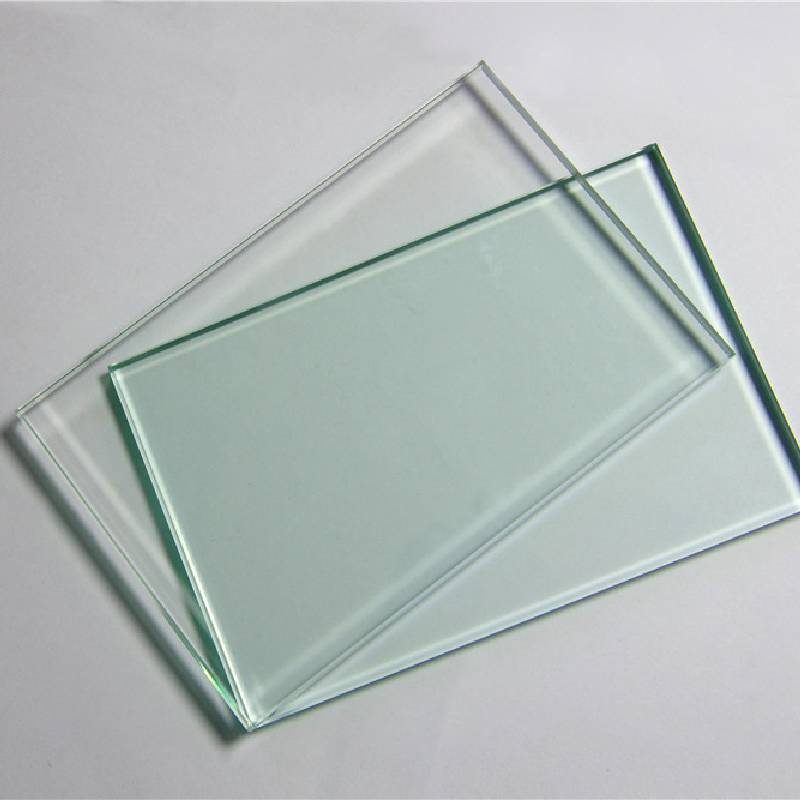
Switzerland's glass industry is characterized by an extreme focus on energy efficiency and thermal insulation. Due to the alpine climate, there is a massive demand for high-performance float glass window systems that can withstand significant temperature fluctuations between the interior and the harsh exterior environment.

The Swiss market prioritizes sustainability and "Minergie" standards, driving the adoption of low-emissivity coatings. This has transformed the standard use of float glass from a simple transparent barrier into a complex thermal management tool for luxury chalets and urban offices in Zurich and Geneva.

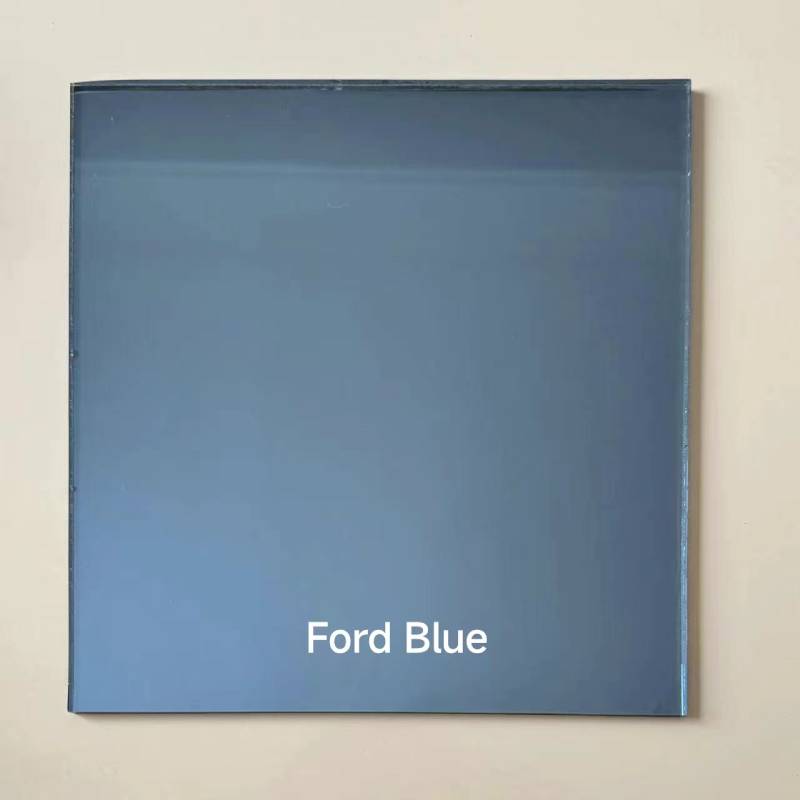
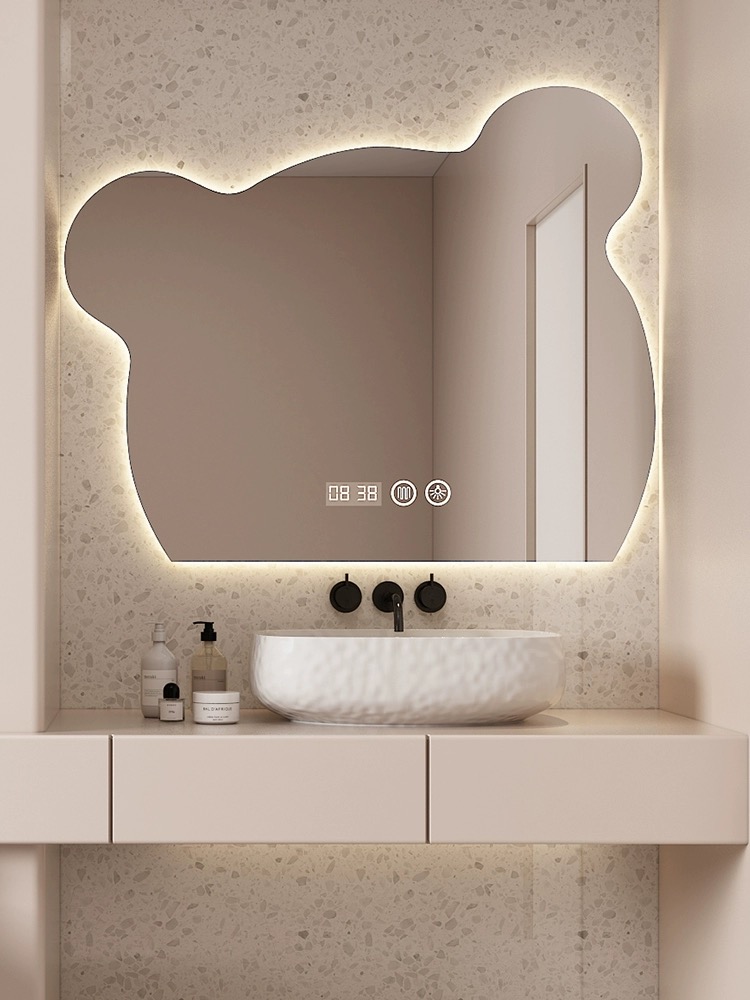
Additionally, there is a strong cultural preference for minimalism and precision. This manifests in the demand for high-end interior finishes, where brown mirror glass is increasingly utilized in luxury retail and hospitality sectors to create warmth and sophisticated depth in interior spaces.
Evolution of Glazing Technology in the Swiss Market

From traditional craftsmanship to automated precision engineering.

Market Development History

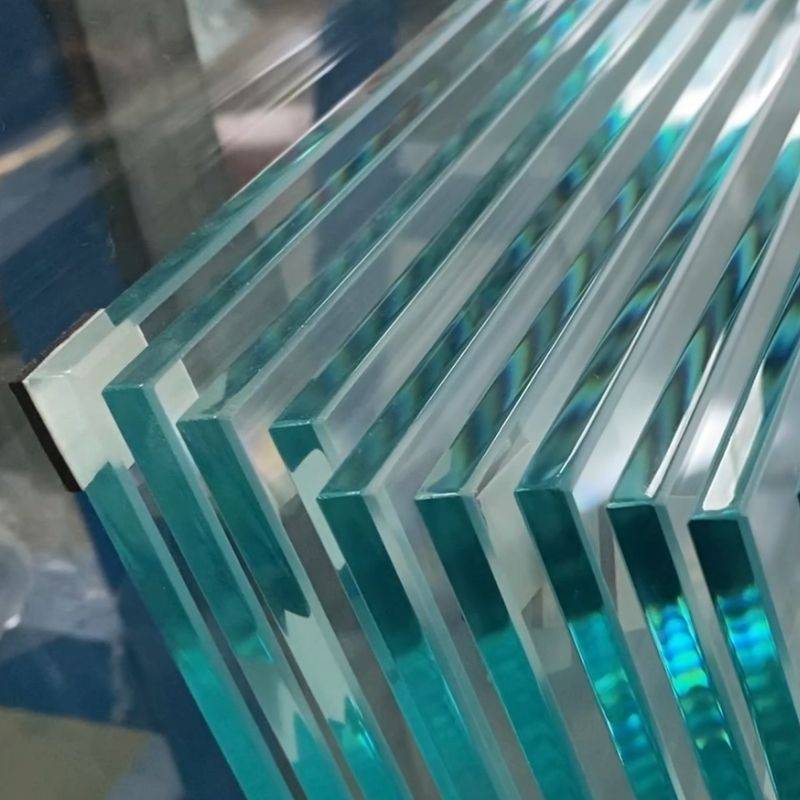
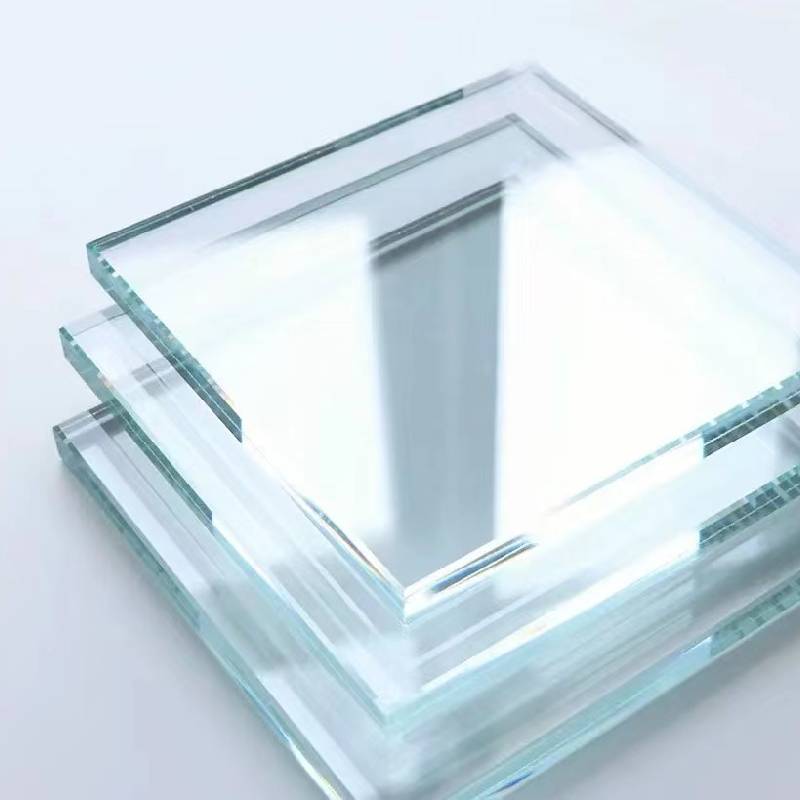
In the mid-20th century, the Swiss market relied heavily on traditional plate glass. The introduction of the float process revolutionized the industry, allowing for the mass production of float window glass with unprecedented flatness and optical clarity, meeting the strict requirements of Swiss watchmaking and precision labs.

By the 1990s, the focus shifted toward safety and acoustics. The integration of tempered and laminated processes allowed float glass to be used in larger structural facades, reducing the need for heavy frames and enhancing the "invisible" aesthetic preferred by Swiss modernists.

In the last decade, the transition toward "Smart Glass" began. The industry moved from simple coloring to functional coatings, where decorative elements are now integrated into the glass matrix to provide solar control without compromising the natural light of the Alpine landscape.

Future Development Trends

Vacuum Insulated Glazing (VIG)

Moving toward thinner profiles with higher R-values to meet the strictest carbon-neutral building codes in Europe.

Dynamic Electrochromic Integration

Glass that adjusts transparency based on sunlight intensity, reducing HVAC loads in Swiss commercial buildings.

Circular Economy Recycling

Implementation of closed-loop systems where old glass is re-melted using hydrogen-powered furnaces to eliminate carbon footprints.

Strategic Outlook for Swiss Glass Architecture

Forecasting the integration of material science and digital design.

Eco-Conscious Fabrication
Transitioning to zero-emission production lines to align with Switzerland's 2050 net-zero targets.
BIM Integration
Full synchronization between glass specifications and Building Information Modeling for flawless Swiss installations.
Advanced Thermal Coatings
Development of multi-layered coatings that maximize winter solar gain and minimize summer heat.
Acoustic Optimization
Engineering specialized interlayers to reduce noise pollution in dense Swiss urban centers.

Industry Outlook

The trajectory of the Swiss glass market is shifting toward "invisible technology." Future installations will prioritize glass that performs multiple functions—insulation, energy generation, and privacy—without altering the purity of the visual experience.

Search trends indicate a growing preference for "sustainable luxury," meaning a surge in demand for recycled decorative glass and locally sourced certifications, ensuring that aesthetic elegance does not come at an environmental cost.

Localized Applications in Switzerland

Practical implementations of advanced glass technology across various Swiss sectors.

01. Alpine Luxury Chalets

Utilization of high-performance float window glass with triple-glazing to maintain internal warmth while offering panoramic views of the Alps.

02. Zurich Financial District Offices

Integration of large-scale float glass facades that utilize solar-control coatings to reduce cooling costs during summer peaks.

03. Geneva High-End Retail Boutiques

Application of brown mirror glass for sophisticated dressing room partitions and luxury storefront accents.

04. Swiss Museum Interior Design

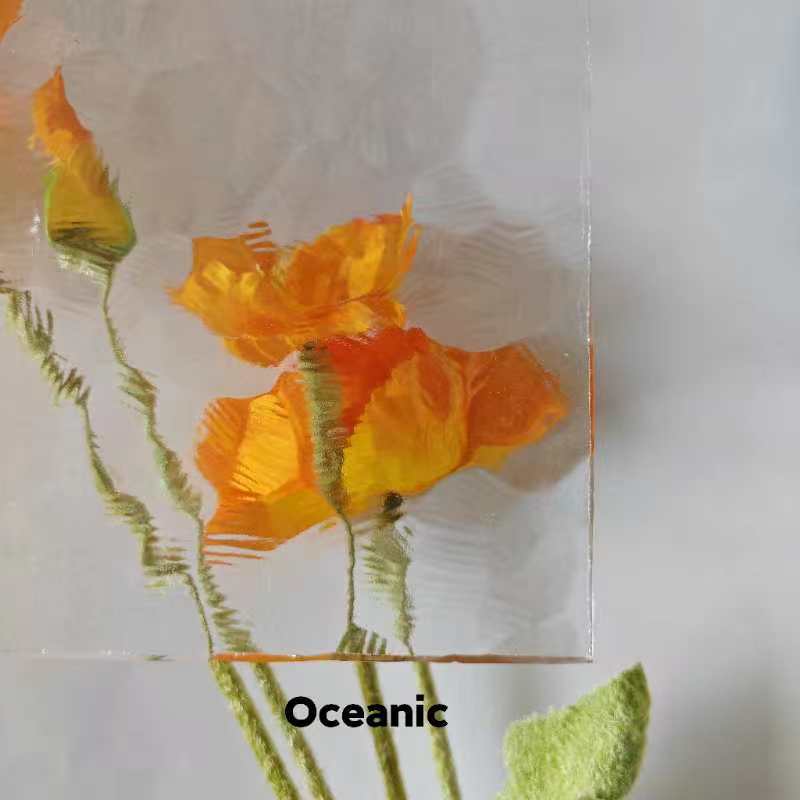
Custom decorative glass installations used for acoustic zoning and artistic partitions in contemporary art galleries.

05. Residential Urban Renovations

Replacement of old frames with slim-profile float glass window units to improve energy ratings without altering the historic facade of Swiss townhouses.

Brand Story

Global Development Journey of Shahe Top Glass Products Co., Ltd.

Foundational Excellence

Established with a commitment to purity and precision, focusing on mastering the float glass process to serve industrial needs.

Technological Diversification

Expanding into specialized mirror and decorative glass, solving the pain point of inconsistent coating quality in architectural projects.

Global Quality Certification

Aligning production with international standards to enter the demanding European markets, including Switzerland.

Sustainable Innovation

Investing in green energy manufacturing to reduce the carbon footprint of every square meter of glass produced.

Future-Proof Partnerships

Partnering with Swiss architects to create the next generation of smart, energy-efficient glass solutions.

Complete Glass Portfolio for the Swiss Market

A curated selection of high-performance glass products meeting European standards.

Common Inquiries for Glass Solutions in Switzerland

Expert answers to technical and regulatory questions regarding glass installation.

How does float glass window performance vary in Alpine climates?

In alpine regions, we utilize low-emissivity coatings on float glass to prevent heat loss, ensuring that internal warmth is retained while maximizing natural light intake.

What are the benefits of using brown mirror glass for Swiss interior design?

Brown mirror glass provides a warmer, more muted reflection compared to silver mirrors, which aligns perfectly with the cozy, high-end aesthetic of Swiss luxury hospitality.

Is decorative glass compatible with Swiss Minergie energy standards?

Yes, our decorative options are integrated as part of high-efficiency IGU (Insulated Glass Units), allowing for aesthetic freedom without compromising thermal insulation.

What is the durability of float window glass against high altitude UV radiation?

Our glass undergoes rigorous tempering and coating processes to ensure it remains stable and clear, resisting the degradation caused by intense UV exposure at high altitudes.

Can float glass be customized for acoustic insulation in urban Zurich?

Absolutely. By combining float glass with acoustic PVB interlayers, we create laminated solutions that significantly reduce street noise in dense city centers.

What lead times should be expected for custom decorative glass shipments to Switzerland?

Depending on the complexity of the design, custom orders typically range from 4 to 8 weeks, including strict quality control and secure specialized packaging for transit.

Request a Technical Consultation

Our experts are ready to provide precision glass specifications for your projects in Switzerland.

Contact Us Now