
logo

Premium Decorative Glass Solutions for Zimbabwe Architecture

High-performance glazing and architectural glass engineered for the unique climatic demands of the Zimbabwean market.

Premium Decorative Glass Solutions for Zimbabwe Architecture

Providing Zimbabwe's construction sector with industry-leading glass technology, from energy-efficient float glass window systems to high-end interior mirror solutions.

The Current State of Glass Manufacturing in Zimbabwe

Analyzing the intersection of raw material availability and construction demand in the region.

Zimbabwe possesses significant silica sand deposits, yet the domestic production of high-precision float glass remains limited, leading to a heavy reliance on imports for large-scale infrastructure projects. The market is currently characterized by a transition from basic functional glazing to energy-efficient architectural solutions.

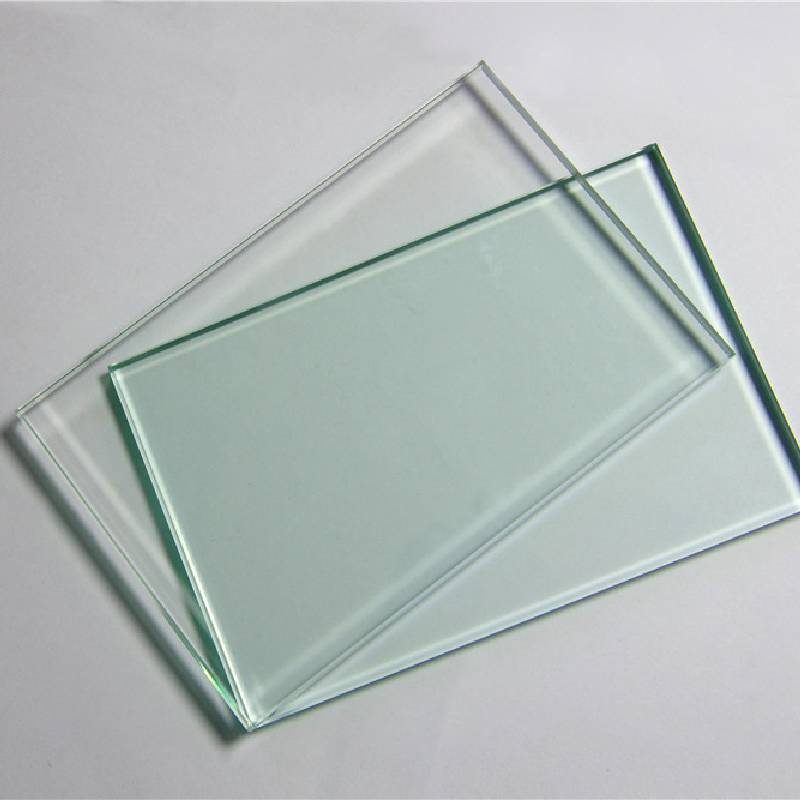
The subtropical climate of Zimbabwe, with its intense solar radiation, has created a surge in demand for specialized float window glass that can mitigate heat gain without compromising natural lighting. Architects in Harare and Bulawayo are increasingly specifying tinted and reflective options to reduce HVAC energy costs.

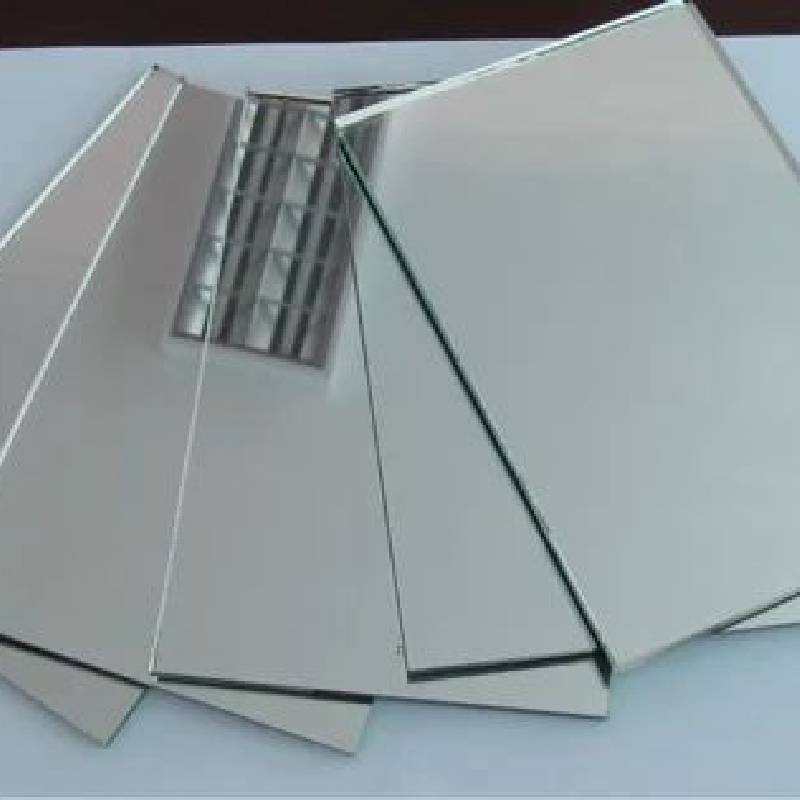
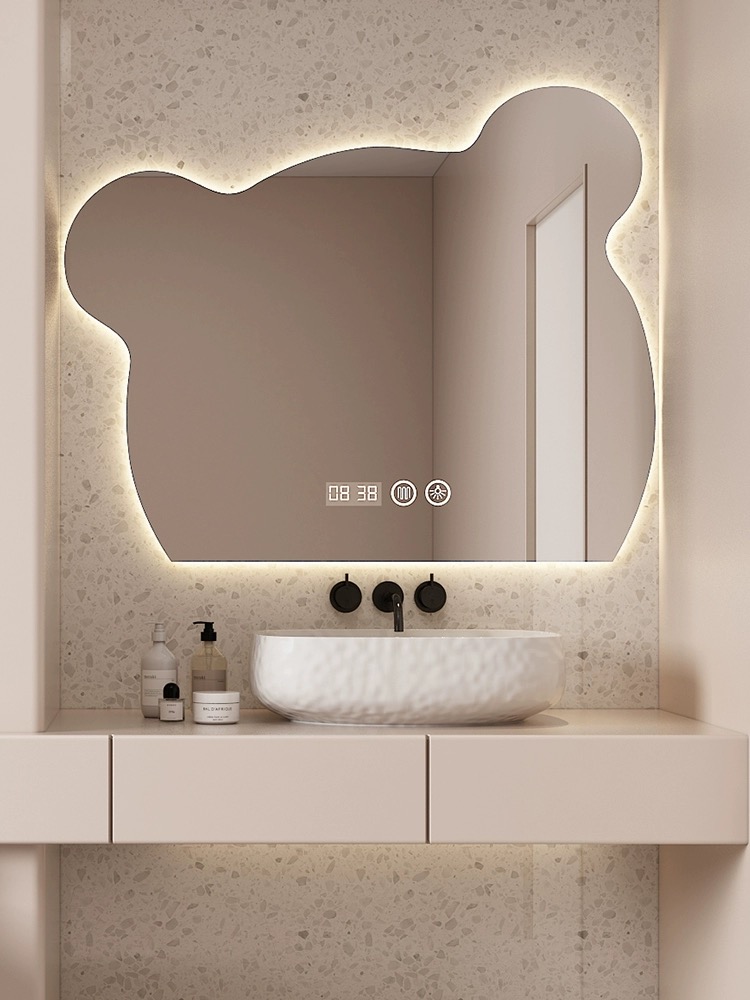
Furthermore, the growing hospitality and retail sectors are driving the adoption of brown mirror glass for luxury interiors. The industry is currently struggling with the balance between high logistics costs and the need for high-E-E-A-T certified safety glass standards.
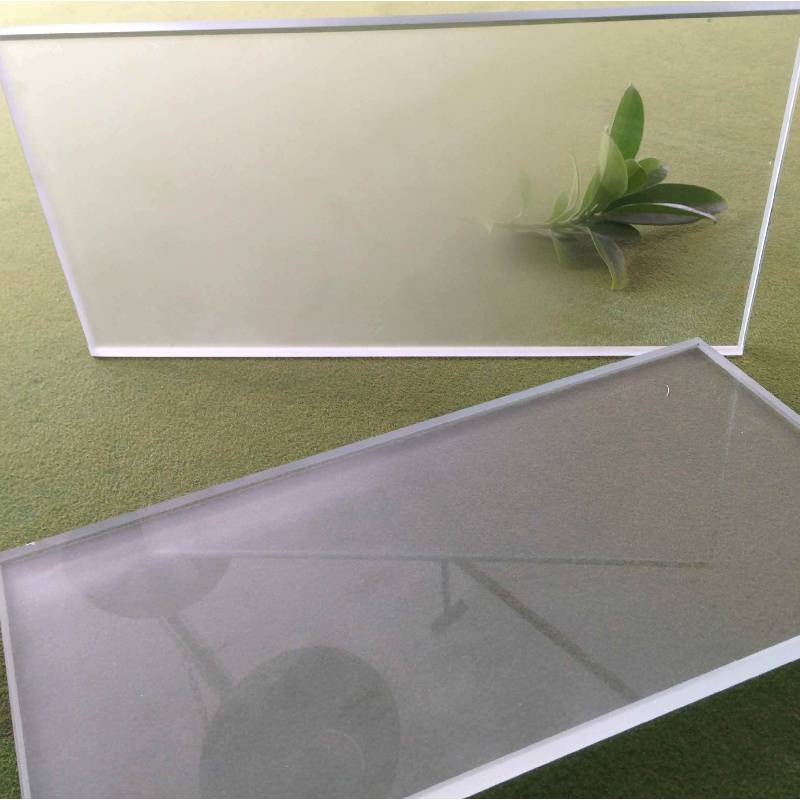
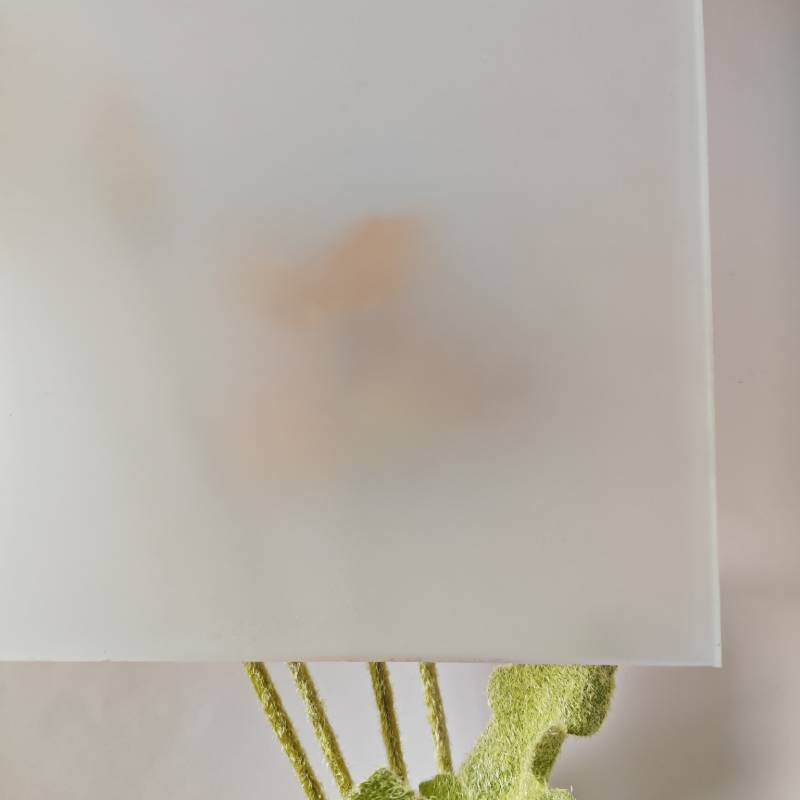
Evolution of Glazing Technology in Zimbabwe

From traditional window panes to smart, energy-saving architectural surfaces.

Market Development History

In the late 20th century, the Zimbabwean market relied primarily on basic annealed glass, with limited thickness options. The focus was purely on structural transparency, with little regard for thermal performance or acoustic insulation.

Between 2000 and 2015, the introduction of standardized float glass window units revolutionized residential building. This period saw a shift toward aluminum framing and larger glass spans, reflecting the modernization of urban Zimbabwean commercial hubs.

From 2016 to the present, there has been a pivot toward specialized functional glass. The integration of Low-E coatings and the popularity of custom-colored mirror glass have transitioned the industry from "building material" to "architectural design element."

Future Development Trends

Solar-Integrated Glazing

Given Zimbabwe's abundant sunlight, the next 3-5 years will see a rise in BIPV (Building Integrated Photovoltaics) integrated into standard glass facades.

Smart Tinting Technology

Dynamic glass that adjusts transparency based on UV intensity is predicted to trend as energy regulations in Southern Africa become more stringent.

Sustainable Circular Glass

A shift toward 100% recyclable cullet integration in the manufacturing process to lower the carbon footprint of glass production in the region.

Industry Trends and Future Outlook

Strategic forecasting for the non-metallic mineral products sector in Zimbabwe.

Thermal Efficiency Peak
Rapid adoption of double-glazed units to combat Zimbabwe's temperature fluctuations.
Aesthetic Customization
Growing demand for colored and textured glass in luxury commercial developments.
Safety Standardization
Strict implementation of tempered and laminated glass for public infrastructure.
Supply Chain Digitalization
Direct-from-factory digital procurement to reduce middleman costs in Zimbabwe.

Industry Outlook

Google search trends for "energy efficient windows Zimbabwe" indicate a significant upward trajectory. This suggests that the market is shifting away from cheap, single-pane imports toward high-value, technical glass solutions that offer long-term operational savings.

The future of the industry in Zimbabwe will be defined by "performance-driven design," where glass is no longer just a barrier but a functional component that manages light, heat, and security simultaneously.

Localized Glass Applications in Zimbabwe

Real-world implementation scenarios tailored to Zimbabwe's unique architecture and climate.

01. Luxury Commercial Facades in Harare

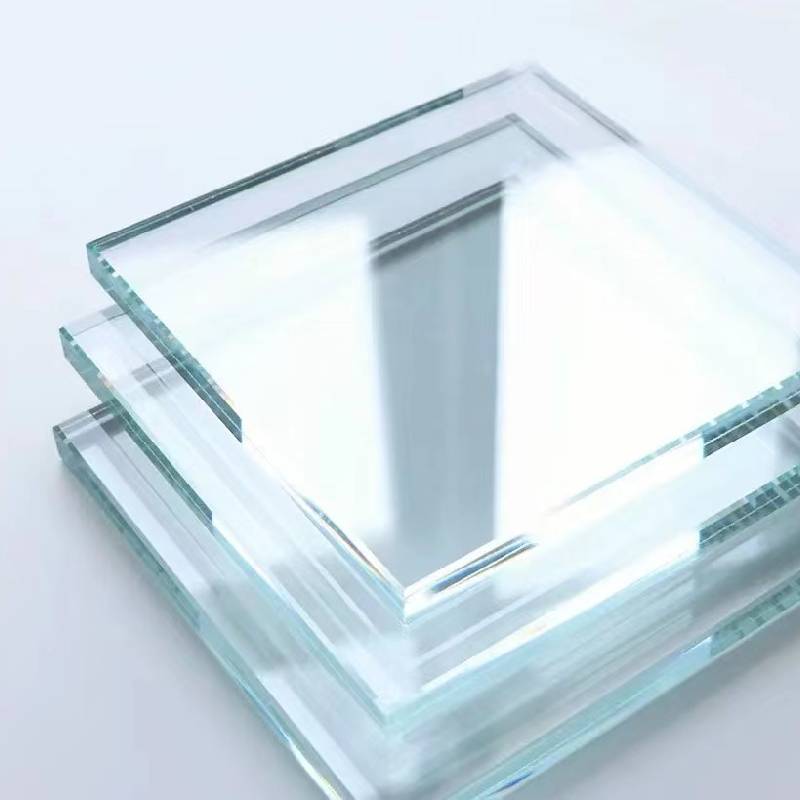
Implementation of high-clarity float glass for corporate headquarters, providing a modern aesthetic while ensuring structural integrity against wind loads.

02. Eco-Friendly Residential Housing

Utilizing high-performance float window glass in new suburban developments to maximize natural light and minimize the need for artificial cooling.

03. Boutique Hotel Interior Design

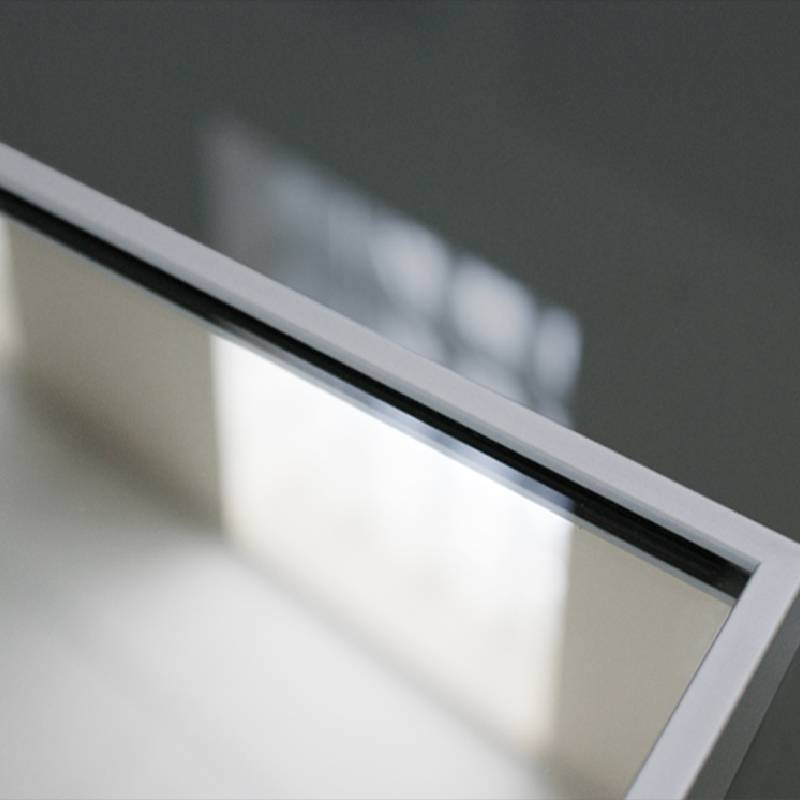
Application of brown mirror glass in hotel lobbies and restrooms to create a sense of spatial expansion and sophisticated luxury.

04. Retail Storefronts and Showcases

Using tempered decorative glass for high-traffic shopping malls, blending security requirements with high-end visual merchandising.

05. Government Infrastructure Glazing

Standardized deployment of thick-gauge float window glass for public administrative buildings to ensure longevity and low maintenance.

Brand Story

Global Development Journey of Shahe Top Glass Products Co., Ltd.

Foundational Excellence

Established with a mission to solve the purity issues in raw glass melting, focusing on the core stability of float glass production.

Technological Diversification

Expanded into high-precision decorative and mirror glass, introducing advanced coating techniques to meet global architectural standards.

Market Globalized Expansion

Strategic entry into the African market, optimizing logistics for Zimbabwe and surrounding regions to ensure timely delivery of fragile cargo.

Sustainability Integration

Implemented green manufacturing processes, reducing energy consumption per ton of glass produced to support global carbon neutrality.

Future-Ready Innovation

Currently pioneering the next generation of smart glass, ensuring Top Glass remains the preferred partner for Zimbabwe's most ambitious projects.

Comprehensive Glass Portfolio for the Zimbabwe Market

A curated selection of high-durability glass products designed for Southern African climates.

Frequently Asked Questions in Zimbabwe

Expert answers to common technical and procurement queries.

How to choose the right float glass window for high-temperature areas in Zimbabwe?

For high-temperature regions, we recommend Low-E coated float glass or tinted options that reflect infrared radiation while allowing visible light, significantly reducing indoor heat gain.

Is brown mirror glass suitable for outdoor use in humid Zimbabwean climates?

Yes, provided the mirror glass is treated with an anti-corrosion backing and sealed correctly to prevent moisture ingress from the edges, ensuring long-term clarity.

What are the main advantages of decorative glass for commercial retail spaces?

Decorative glass provides a balance of aesthetic appeal and security. It allows brand storytelling through visual textures while maintaining the structural safety required for public areas.

How does float window glass differ from standard annealed glass in terms of durability?

Float glass is manufactured on a bed of molten tin, resulting in superior flatness and optical clarity compared to traditional methods, making it far more suitable for large architectural windows.

Can I customize the thickness of float glass for industrial projects in Zimbabwe?

Absolutely. We provide a range of thicknesses from 3mm to 19mm, ensuring that each pane meets the specific load-bearing and safety requirements of your industrial site.

What is the best way to transport large sheets of glass to Bulawayo or Harare?

We utilize reinforced A-frame wooden crates and moisture-proof packaging, shipped via optimized maritime and land routes to ensure zero breakage upon arrival in Zimbabwe.

Get a Professional Glass Consultation

Our technical team is ready to support your next architectural project in Zimbabwe with precision-engineered glass solutions.

Contact Us Now