Introduction to Advanced Mirror Technology and Industry Trends
In the dynamic landscape of modern industrial and architectural applications, the demand for high-performance reflective surfaces is continuously evolving. Among the various mirror technologies, the aluminum mirror stands out as a critical component, offering an optimal balance of reflectivity, cost-effectiveness, and versatility. This article delves into the intricate details of modern aluminum mirror technology, exploring its manufacturing intricacies, technical advantages, diverse application scenarios, and key considerations for B2B decision-makers.
Current industry trends highlight an increasing focus on sustainable manufacturing practices, enhanced durability, and specialized performance characteristics. The market for reflective materials is projected to grow significantly, driven by sectors such as automotive, architecture, solar energy, and electronics. According to a recent market analysis by Grand View Research, the global mirror market size was valued at USD 14.1 billion in 2022 and is expected to expand at a compound annual growth rate (CAGR) of 6.5% from 2023 to 2030, with a substantial portion attributed to metallic-coated mirrors like those utilizing aluminum. This growth underscores the importance of understanding the core attributes and strategic sourcing of high-quality aluminum mirror products.
Innovations in vacuum deposition techniques are leading to improved coating uniformity and adhesion, expanding the potential applications for specific variants such as the black aluminum mirror, which offers unique aesthetic and optical properties for design-centric projects. Furthermore, the rising demand for sophisticated interior design and furniture manufacturing has propelled the prominence of the aluminium dressing mirror and aluminium framed mirror, emphasizing both functional utility and aesthetic integration.
Detailed Process Flow: Manufacturing of the Aluminum Mirror
The production of a high-quality aluminum mirror is a meticulously controlled multi-stage process, ensuring optimal reflectivity, durability, and adhesion. This process typically involves precision glass preparation, advanced vacuum deposition, and protective layering.
Schematic Steps of Aluminum Mirror Manufacturing:
-
1. Substrate Selection & Cutting: The foundation of any aluminum mirror is its glass substrate. Typically, clear float glass, low-iron float glass, or patterned glass is selected based on desired clarity, strength, and specific application. For specialized uses like the aluminium framed mirror, the glass may be cut and edged to precise dimensions before coating.
-
2. Advanced Glass Cleaning: This is a critical step. The glass surface must be impeccably clean to ensure proper adhesion of the aluminum coating. This involves multiple stages of washing, brushing, rinsing with de-ionized water, and drying (e.g., air knife drying, infrared drying). Contaminants as small as a few nanometers can compromise the mirror's quality.
-
3. Vacuum Deposition of Aluminum: The cleaned glass enters a high-vacuum chamber. Aluminum (Al) is then deposited onto one side of the glass. Two primary methods are employed:
-
Thermal Evaporation: Aluminum pellets are heated in a crucible to their evaporation point (around 1220°C in vacuum), creating aluminum vapor that condenses on the cooler glass surface, forming a thin, uniform metallic layer.
-
Sputtering: Argon ions are accelerated towards an aluminum target, dislodging aluminum atoms which then deposit onto the glass. Sputtering offers superior control over film thickness and uniformity, often yielding higher quality aluminium mirror glass.
The thickness of the aluminum layer typically ranges from 50 to 100 nanometers, optimized for desired reflectivity and durability.
-
4. Protective Layer Application: Immediately after aluminum deposition, protective layers are applied to prevent oxidation and abrasion of the aluminum. Common protective layers include:
-
Passivation Layer: A very thin, transparent layer (e.g., silicon dioxide, titanium dioxide) applied via sputtering or evaporation to chemically protect the aluminum.
-
Paint Backing: One or more layers of protective paint (e.g., epoxy or phenolic-based) are sprayed or rolled onto the aluminum surface. This paint provides mechanical protection and further corrosion resistance. For applications requiring specific aesthetics like a black aluminum mirror, specialized backing paints are used.
-
5. Curing and Drying: The applied protective paint layers are then cured through heat treatment or UV light, ensuring robust adhesion and hardening.
-
6. Edge Sealing & Finishing (for certain products): For certain products, particularly those exposed to harsh environments or used as an aluminium dressing mirror, edges may be sealed to further prevent moisture ingress.
-
7. Quality Control & Testing: Throughout the process, rigorous testing is conducted. This includes visual inspection, reflectivity measurement using spectrophotometers, adhesion tests (e.g., cross-cut tape test per ASTM D3359), scratch resistance, and salt spray testing (e.g., ASTM B117) for corrosion resistance. Products are certified against standards like ISO 9001 for quality management.
-
8. Packaging & Dispatch: Finished mirrors are carefully packaged to prevent damage during transit, often utilizing specialized crates or frames for large industrial orders.
Product Materials: The primary materials are high-quality float glass (typically 2-6mm thick), 99.99% pure aluminum, and proprietary protective paints and passivation chemicals.
Manufacturing Processes Emphasized: The core advanced processes are vacuum deposition (evaporation or sputtering) and precision coating application, complemented by meticulous glass preparation.
Testing Standards: Adherence to international standards like ISO 9001 (Quality Management), ISO 14001 (Environmental Management), ASTM (American Society for Testing and Materials) standards for glass and coatings, and EN (European Norm) standards is paramount. Specific tests include:
- Adhesion Test (e.g., ASTM D3359)
- Humidity Test (e.g., ASTM D2247)
- Salt Spray Test (e.g., ASTM B117) for corrosion resistance
- Reflectivity Measurement (e.g., using a photometer)
Service Life: With proper installation and maintenance, a high-quality aluminum mirror can achieve a service life of 10-15 years in typical indoor environments, and 5-10 years in more challenging industrial or semi-outdoor settings, significantly outperforming lower-grade alternatives.
Target Industries & Advantages: The reliability and performance of aluminum mirrors make them indispensable across various industries. In architectural projects, they contribute to aesthetic appeal and light management, while in solar technology, their precise reflectivity aids in energy collection. The robust construction provides excellent corrosion resistance in humid or chemically exposed environments (e.g., bathrooms, laboratories), and their high reflectivity ensures energy saving through efficient light distribution in commercial spaces.
Technical Specifications and Parameters of Aluminum Mirrors
The performance of an aluminum mirror is quantified by several key technical parameters. Understanding these specifications is crucial for selecting the appropriate mirror for specific industrial or commercial applications.
Key Product Specifications for Aluminium Mirror Glass:
| Parameter |
Typical Value / Range |
Description / Standard |
| Substrate Material |
Float Glass (Clear, Ultra-Clear) |
High-quality annealed or tempered glass per ASTM C1036. |
| Glass Thickness |
2mm, 3mm, 4mm, 5mm, 6mm (custom available) |
Common industrial thicknesses. |
| Standard Size |
1830x2440mm, 2134x3300mm, 2250x3300mm, 2440x3660mm |
Common sheet sizes for fabrication, custom sizes available. |
| Reflectivity |
≥ 88% (Standard) to ≥ 92% (Enhanced) |
Visible light reflectance, measured at 550nm. |
| Coating Material |
Aluminum (99.99% purity) |
Vacuum deposited metallic layer. |
| Protective Layers |
Single or Double Paint Backing, Passivation Layer |
Epoxy, Phenolic paints, SiO2, TiO2. Prevents oxidation and abrasion. |
| Corrosion Resistance |
Passes ASTM B117 (Salt Spray) & ASTM D2247 (Humidity) |
Tested for resistance to environmental degradation. |
| Adhesion |
Passes ASTM D3359 (Cross-Cut Tape Test) |
Ensures coating integrity over time. |
| Operating Temperature |
-20°C to +80°C |
Typical range for structural integrity and coating stability. |
| Edge Work Options |
Seaming, Grinding, Polishing, Beveling |
Custom finishing for safety and aesthetics, particularly for aluminium dressing mirror. |
These parameters collectively define the quality and suitability of an aluminum mirror for various demanding applications. The choice of glass thickness often correlates with the size and structural requirements of the final product, such as a large aluminium framed mirror or panels for an architectural facade.
Technical Advantages of Aluminum Mirror Solutions
The inherent properties and advanced manufacturing of aluminum mirror solutions offer distinct technical advantages that make them a preferred choice across numerous B2B sectors.
-
High Reflectivity: Aluminum mirrors boast excellent visible light reflectivity, typically above 88%. This high optical performance is crucial for applications requiring efficient light redirection, such as lighting fixtures, solar collectors, and specialized optical instruments.
-
Cost-Effectiveness: Compared to silver or gold mirrors, aluminum mirrors offer a more economical solution while still providing superior reflective qualities, making them ideal for large-scale industrial and architectural projects without compromising performance.
-
Durability & Corrosion Resistance: Thanks to advanced protective coatings (passivation layers and paint backing), aluminum mirrors exhibit significant resistance to oxidation, moisture, and chemical agents. This makes them suitable for use in humid environments like bathrooms or industrial settings prone to corrosive elements, providing a longer service life than traditional mirrors.
-
Versatility in Aesthetics: The base technology allows for various aesthetic treatments. For instance, the creation of a black aluminum mirror opens up possibilities for sophisticated, low-reflectivity applications where subtle visual effects are desired. The base glass can also be clear, ultra-clear, or tinted.
-
Ease of Fabrication: Aluminum mirror glass can be easily cut, drilled, edged, and processed into various shapes and sizes. This flexibility is particularly advantageous for manufacturers creating bespoke aluminium framed mirror designs or intricate components for specific equipment.
-
Environmental Friendliness: Modern aluminum mirror manufacturing processes are designed to be lead-free and copper-free, adhering to stringent environmental regulations and contributing to more sustainable building materials and industrial components.
These advantages position aluminum mirrors as a robust and reliable choice for engineers, architects, and procurement professionals seeking high-performance reflective solutions.
Diverse Application Scenarios
The adaptability and robust performance of the aluminum mirror enable its deployment across a broad spectrum of industries and applications.
-
Architecture and Interior Design: From large wall installations to decorative panels, aluminum mirrors enhance natural light, create illusions of space, and add aesthetic value. This includes the widespread use in hotels, offices, retail spaces, and homes, particularly for aluminium dressing mirror applications and customized decorative elements.
-
Furniture Manufacturing: Integrated into wardrobes, cabinets, tables, and as standalone aluminium framed mirror units, they serve both functional and design purposes, offering durability and a clean finish.
-
Automotive Industry: While often silvered for exterior mirrors due to higher reflectivity and durability against harsh weather, aluminum mirrors are utilized in specific interior applications or as components in lighting systems where cost-effectiveness and good reflectivity are prioritized.
-
Solar Energy Technology: As reflective elements in concentrated solar power (CSP) systems or photovoltaic (PV) modules, aluminum mirrors help direct and focus sunlight, contributing to energy efficiency.
-
Lighting and Luminaires: Used as reflectors in various lighting fixtures, from industrial high-bay lights to sophisticated stage lighting, to optimize light distribution and intensity.
-
Display and Signage: Incorporated into display cases, retail fixtures, and informational kiosks to create visual depth and enhance product presentation.
-
Specialized Industrial Applications: In certain optical instruments, laboratory equipment, and even some petrochemical or metallurgy settings where a robust, cost-effective reflective surface is needed, the protected aluminium mirror glass performs reliably.
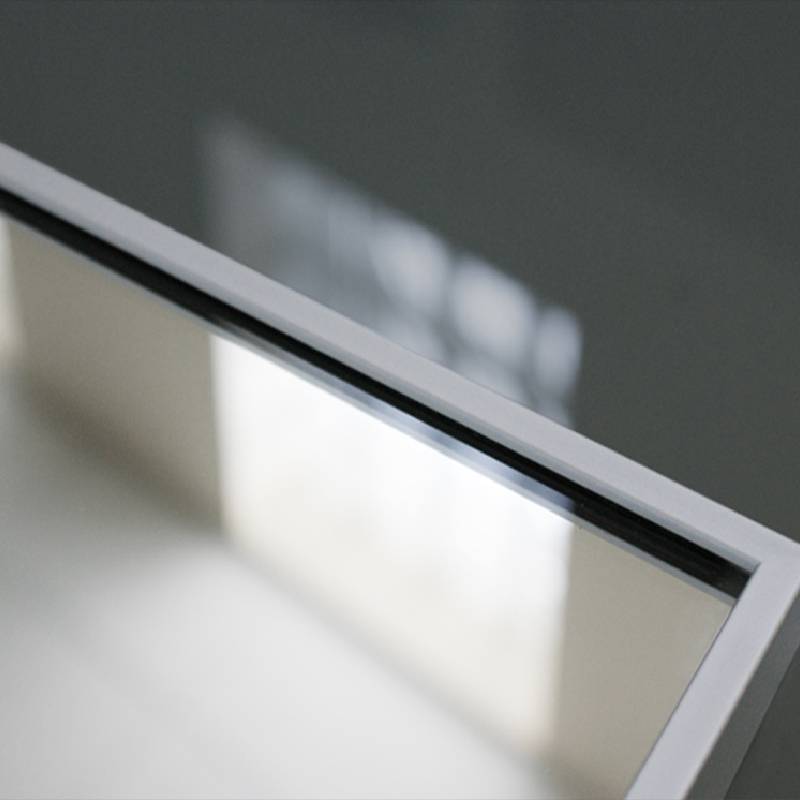
Image: High-quality aluminum mirror panels awaiting dispatch for a commercial project.
The broad utility of these mirrors underscores their foundational role in both functional and aesthetic applications across diverse sectors.
Vendor Comparison: Selecting the Right Partner for Aluminum Mirror Solutions
Choosing the right supplier for aluminum mirror products is paramount for ensuring consistent quality, reliable delivery, and competitive pricing. Factors such as manufacturing capabilities, quality control, certifications, and customer support differentiate leading vendors.
Key Comparison Factors:
-
Manufacturing Expertise: Evaluate the vendor's experience in vacuum deposition (sputtering vs. thermal evaporation), their capacity for large-scale production, and precision cutting/edging capabilities, especially for specialized products like the aluminium dressing mirror.
-
Quality Certifications: Prioritize suppliers with internationally recognized certifications such as ISO 9001 for quality management and ISO 14001 for environmental management. Adherence to ASTM or EN standards for glass and mirror performance is also critical.
-
Product Range & Customization: A versatile vendor offers a range of glass thicknesses, sizes, and protective coatings, including options for black aluminum mirror, and the ability to produce custom-shaped aluminium framed mirror solutions.
-
Technical Support & R&D: A strong technical team capable of offering guidance on material selection, application suitability, and innovative solutions, indicates a forward-thinking partner.
-
Lead Time & Logistics: Assess their ability to meet your project timelines, especially for large or complex orders, and their logistical capabilities for safe and efficient global delivery of sensitive aluminium mirror glass.
-
Client Portfolio & Testimonials: A history of successful projects and positive feedback from established clients in relevant industries provides strong evidence of reliability and capability.
Vendor Comparison Matrix (Illustrative Example):
| Feature/Criterion |
Vendor A (Industry Leader) |
Vendor B (Specialized) |
Vendor C (Cost-Effective) |
| Reflectivity (Standard Al) |
>90% |
>88% |
>85% |
| Corrosion Resistance (Salt Spray Hrs) |
>240 hrs |
>180 hrs |
>96 hrs |
| Certifications |
ISO 9001, ISO 14001, CE |
ISO 9001 |
Basic QC |
| Customization (Shapes/Sizes) |
Extensive (CNC, intricate) |
Moderate (standard cuts) |
Limited (bulk sizes) |
| Lead Time (Typical) |
2-4 Weeks |
3-5 Weeks |
4-6 Weeks |
| Pricing |
Premium |
Mid-Range |
Budget |
This illustrative comparison emphasizes that while cost is a factor, prioritizing quality, adherence to standards, and robust customization capabilities will yield better long-term value, especially for critical infrastructure or high-end architectural projects using aluminum mirror technology.
Customized Solutions for Specialized Applications
Recognizing that off-the-shelf solutions may not always meet the unique demands of every project, leading manufacturers offer extensive customization options for aluminum mirror products. This bespoke approach ensures optimal integration and performance in specialized applications.
-
Custom Sizes and Shapes: Utilizing advanced CNC cutting technology, mirrors can be fabricated into virtually any custom size or complex shape, including intricate designs for artistic installations or precise components for industrial machinery. This is particularly relevant for large-scale architectural projects or unique furniture pieces such as an aluminium dressing mirror with specific dimensions.
-
Variations in Glass Substrate: Options include ultra-clear low-iron glass for maximum transparency and reduced green tint, tinted glass for aesthetic purposes (e.g., bronze, grey), or heat-strengthened/tempered glass for enhanced safety and durability in demanding environments.
-
Specialized Coatings and Finishes: Beyond standard protective paint, customized backing colors are available, including specific RAL or Pantone shades. For unique visual effects, a black aluminum mirror can be produced with precise reflectivity and surface texture. Anti-scratch or anti-shatter films can also be applied.
-
Edge Work and Fabrication: A full range of edge treatments is available, from simple seaming to elaborate beveling, polishing, and grinding, crucial for safety and aesthetic integration, especially for exposed edges of an aluminium framed mirror. Drilling holes, notches, and cut-outs for hardware or electrical components are also standard custom services.
-
Enhanced Performance Features: For applications requiring superior resistance, additional protective layers can be applied to enhance moisture resistance, chemical resistance, or abrasion resistance beyond standard specifications for aluminium mirror glass.
Collaborating with a manufacturer capable of delivering these tailored solutions ensures that the final aluminum mirror product perfectly aligns with project specifications and performance requirements.
Application Case Studies & Customer Experience
Real-world applications demonstrate the tangible benefits and reliability of high-quality aluminum mirror solutions. These case studies highlight their performance, durability, and versatility in diverse B2B contexts.
Case Study 1: Large-Scale Retail Store Illumination
Client: A leading international retail chain.
Challenge: The client sought to enhance natural light distribution and create an expansive feel across multiple new store locations while minimizing energy consumption from artificial lighting. They also required durable mirrors for high-traffic dressing room areas.
Solution: We supplied large panels of 4mm thick, high-reflectivity aluminum mirror for strategic wall installations and custom-cut aluminium dressing mirror units for fitting rooms. The mirrors were specified with enhanced protective backing for increased durability and scratch resistance.
Outcome: The installation significantly improved ambient light levels, reducing the need for extensive artificial lighting during daylight hours, leading to estimated energy savings of 15-20% annually per store. Customer feedback indicated a more inviting and spacious shopping environment. The dressing room mirrors have maintained their clarity and integrity despite heavy daily use over 3 years.
Case Study 2: Industrial Solar Concentrators for Water Heating
Client: A medium-sized industrial manufacturing plant implementing a sustainable water heating system.
Challenge: The client needed cost-effective, durable reflective panels for a series of parabolic trough solar concentrators designed to pre-heat water for their manufacturing process. The mirrors needed to withstand outdoor industrial conditions, including varying temperatures and occasional moisture.
Solution: We provided custom-shaped panels of 3mm thick aluminium mirror glass with a double protective paint backing and specialized edge sealing for enhanced moisture resistance. The reflectivity was guaranteed to be above 90% at key solar spectrum wavelengths.
Outcome: The solar concentrators achieved the designed thermal efficiency, contributing to a substantial reduction in the plant's natural gas consumption for water heating. The aluminum mirrors demonstrated excellent performance over a 5-year period, with minimal degradation of reflectivity or corrosion, even under varying weather conditions.
Case Study 3: Boutique Hotel - Custom Framed Mirrors
Client: A luxury boutique hotel chain undergoing a complete renovation.
Challenge: The interior designers required custom-sized and uniquely framed mirrors for each guest room and public area, including a significant quantity of aluminium framed mirror units and some feature wall elements incorporating a subtle black aluminum mirror effect. Consistency in quality and precise edge finishes were crucial.
Solution: We worked closely with the design team to produce a variety of custom-cut aluminum mirror panels, including unique shapes and a specific tinted black variant. Each mirror received polished edges and was supplied ready for framing or direct installation, meeting the aesthetic and quality demands of a luxury establishment.
Outcome: The project was completed on schedule, and the mirrors seamlessly integrated into the hotel's sophisticated interior. The client praised the precision of the custom cuts and the consistent high quality, which significantly contributed to the overall luxurious ambiance and guest satisfaction ratings.
Trustworthiness, Support, and FAQ
Building trust and ensuring customer satisfaction are paramount. We are committed to transparency in our processes, robust after-sales support, and clear commitments.
Frequently Asked Questions (FAQ):
-
Q: What is the primary difference between an aluminum mirror and a silver mirror?
A: Aluminum mirrors use an aluminum coating, which offers excellent reflectivity (typically 88-92%) and is more cost-effective. Silver mirrors use a silver coating, providing slightly higher reflectivity (up to 95%) but are generally more expensive and sometimes less durable against oxidation unless heavily protected. For most commercial and industrial applications, aluminum offers an optimal balance.
-
Q: Can your aluminum mirror products be used in humid environments like bathrooms?
A: Yes. Our aluminum mirror products are manufactured with robust protective layers, including multi-layer paint backing and passivation, designed to resist corrosion in high-humidity environments. We conduct rigorous salt spray and humidity tests (e.g., ASTM B117, ASTM D2247) to ensure their longevity in such conditions, making them ideal for an aluminium dressing mirror in humid settings.
-
Q: What are the options for customized sizes and shapes?
A: We offer extensive customization for aluminium mirror glass. Utilizing advanced CNC equipment, we can produce mirrors in virtually any custom size or intricate shape, including precise cut-outs, drill holes, and a full range of edge work (polished, beveled, ground).
-
Q: What is the typical lead time for an order?
A: Standard orders for our aluminum mirror products typically have a lead time of 2-4 weeks from order confirmation, depending on volume and specific customization requirements. For highly complex or very large projects, lead times will be communicated clearly during the quotation phase.
-
Q: Do you offer warranty on your aluminum mirror products?
A: Yes, we provide a limited warranty on our aluminum mirror products against manufacturing defects and coating delamination under normal operating conditions. Specific warranty terms and durations (typically 1-5 years, depending on the product and application) are detailed in our sales agreements.
Lead Time & Fulfillment:
We maintain efficient production lines and robust logistics partnerships to ensure timely fulfillment. Our typical lead time for standard aluminum mirror sheet goods is 2-4 weeks, with expedited options available for urgent requirements. For custom orders, a detailed production schedule will be provided upon project scope finalization. Global shipping is managed with secure packaging to prevent transit damage.
Warranty & After-Sales Support:
Our commitment to quality is backed by a comprehensive warranty that covers manufacturing defects and material integrity of our aluminum mirror products. Post-purchase, our dedicated customer support team is available to assist with any technical inquiries, installation guidance, or warranty claims, ensuring long-term satisfaction and reliable performance of your investment.
For immediate assistance, please refer to our contact details on the website.
Conclusion
The aluminum mirror continues to be a cornerstone of modern industrial and architectural applications, offering an unparalleled blend of high performance, aesthetic versatility, and cost-effectiveness. Its advanced manufacturing processes, rigorous quality controls, and suitability for customization make it an ideal choice for a wide array of B2B projects, from energy-efficient buildings to precision instrumentation. By understanding the detailed specifications, application advantages, and comprehensive support offered by reputable manufacturers, businesses can confidently leverage aluminum mirror technology to achieve superior outcomes in their ventures.
References:
- Grand View Research. (2023). Mirror Market Size, Share & Trends Analysis Report.
- ASTM International. (2023). ASTM Standards for Glass and Related Products.
- ISO (International Organization for Standardization). (2023). ISO 9001: Quality Management Systems.
- European Committee for Standardization. (2023). EN Standards for Glass in Building.
- Optical Society of America. (2022). Journal of the Optical Society of America A.