
In high-precision and aesthetically demanding industries, the choice of glazing material is paramount. Traditional clear float glass, while versatile, contains a significant amount of iron oxide, which imparts a characteristic greenish tint, particularly noticeable on the edges and in thicker panels. This tint can distort colors, reduce light transmission, and compromise the visual integrity of designs. The advent of ultra clear glass, also known as low-iron glass or extra clear float glass, represents a significant leap forward in optical clarity and aesthetic purity. By drastically reducing the iron content during manufacturing, this specialized glass offers superior light transmittance and a virtually color-neutral appearance, making it indispensable for applications where true color representation and maximum transparency are critical. This article delves into the technical aspects, applications, and strategic advantages of specifying ultra clear glass for diverse industrial and architectural projects.
The market for ultra clear glass is experiencing robust growth, driven by increasing demand for enhanced aesthetics, energy efficiency, and functional performance across various sectors. Architectural trends are shifting towards larger glass facades, minimalist designs, and increased natural light, all of which benefit immensely from the superior optical properties of low-iron glass. Simultaneously, the solar energy industry relies heavily on ultra clear glass for photovoltaic panels due to its higher solar transmittance, directly boosting energy conversion efficiency. The display and electronics sectors also demand this clarity for high-definition screens and specialized optical components.
Key trends include:
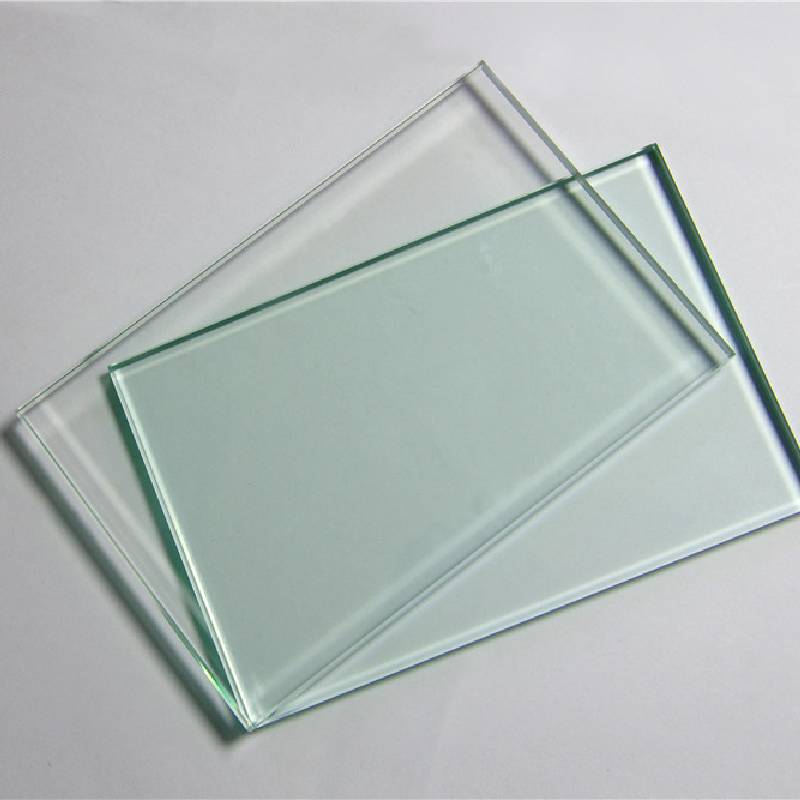
Figure 1: Ultra clear glass enhancing architectural aesthetics and light penetration.
The production of εξαιρετικά καθαρό γυαλί χαμηλού σιδήρου is a highly refined version of the traditional float glass process, specifically engineered to minimize iron content, which is primarily responsible for the greenish tint in standard glass. This meticulous process ensures superior optical clarity and light transmission.
To ensure the highest quality, ultra clear glass must meet stringent international standards. Key standards include:
Typical service life for architectural ultra clear glass installations can exceed 50 years when properly installed and maintained, showcasing its long-term reliability. Target industries include: Architectural (commercial and residential), Solar Energy (PV panels, solar thermal collectors), Display Technology, Furniture, Interior Design (showers, partitions, balustrades), and Specialized Industrial Applications.
The superior performance of extra clear float glass stems from its carefully controlled composition and manufacturing precision. Below is a comparison table highlighting key parameters against standard float glass.
| Parameter | Ultra Clear Float Glass (Low-Iron) | Standard Clear Float Glass | Benefit of Ultra Clear |
|---|---|---|---|
| Iron Oxide Content (Fe₂O₃) | < 0.01% | ~ 0.1% | Minimizes green tint |
| Visible Light Transmittance (VLT, 4mm) | ~ 91.5% - 92% | ~ 88% - 89% | Higher light ingress, true color rendition |
| Solar Energy Transmittance (Tsol) | ~ 91% (non-coated) | ~ 87% (non-coated) | Increased solar panel efficiency |
| Reflectance (R, visible) | ~ 8% (double surface) | ~ 8% (double surface) | Similar, but less color distortion |
| UV Transmittance (280-380nm) | ~ 75% | ~ 60% | Higher UV transparency for certain applications |
| Density | 2500 kg/m³ | 2500 kg/m³ | No significant difference |
| Modulus of Elasticity | ~ 70 GPa | ~ 70 GPa | Comparable structural properties |
| Hardness (Mohs) | 6.0 - 7.0 | 6.0 - 7.0 | Comparable scratch resistance |
These parameters underscore the intrinsic value of ultra clear glass. Its superior visible light and solar transmittance make it an ideal choice for projects prioritizing natural light and energy gain. The minimal color distortion ensures that views through the glass are as true-to-life as possible, which is critical for art galleries, museums, and high-end retail displays.
The distinctive properties of ultra clear float glass open up a vast array of application possibilities where clarity and aesthetic appeal are paramount.
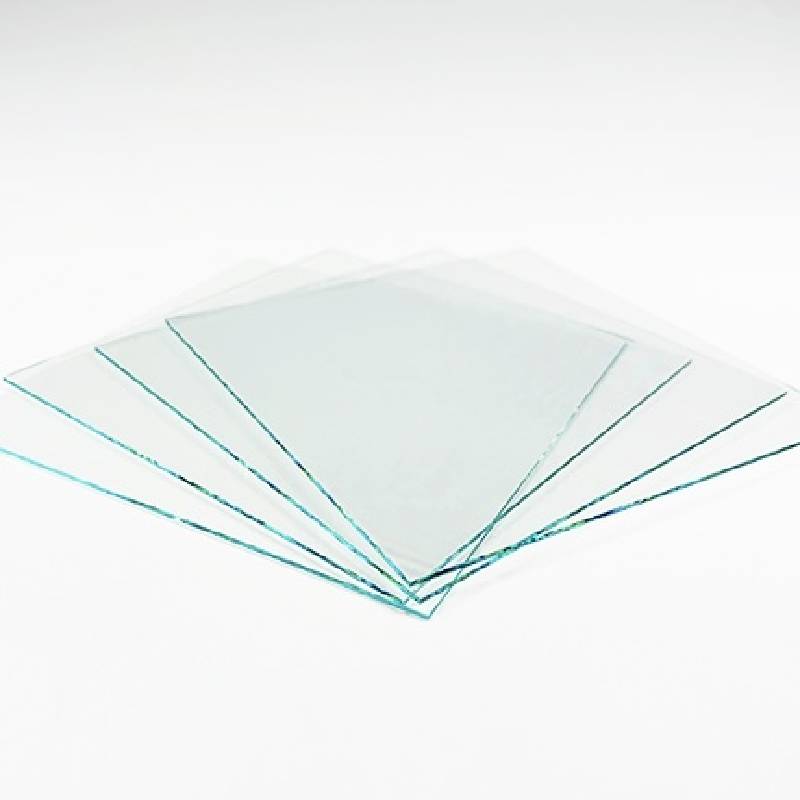
Figure 2: Ultra clear glass optimized for high-efficiency solar energy collection.
Selecting the right supplier for ultra clear glass is crucial for ensuring project success, quality, and cost-effectiveness. Key differentiators among vendors often include manufacturing capabilities, quality control, customization options, and after-sales support.
Leading manufacturers of extra clear float glass offer extensive customization options to meet specific project demands:
These customization options allow B2B clients, from architects to product designers, to integrate ultra clear glass seamlessly into their most ambitious and precision-dependent projects, ensuring both functional performance and design integrity.
The tangible benefits of ultra clear glass are best illustrated through real-world applications where its superior qualities have made a significant impact.
A prestigious new art museum in a major metropolitan area required a facade that would maximize natural light while ensuring true color rendition of the artwork visible from outside. Standard float glass was rejected due to its greenish tint, which would have distorted the art. The solution involved a complex curtain wall system utilizing large panels of 10mm εξαιρετικά καθαρό γυαλί χαμηλού σιδήρου, processed into insulating glass units with a selective low-e coating. The result was a stunning exterior that reflected the sky without color distortion, and interiors bathed in natural, spectrally neutral light, significantly reducing the need for artificial lighting during daylight hours. Architects reported exceptional satisfaction with the optical clarity and the contribution to the building's energy performance.
A utility-scale solar farm project aimed for maximum energy yield within a limited footprint. The client chose photovoltaic modules equipped with 3.2mm ultra clear float glass. Compared to modules with standard glass, performance data showed an average 2-3% increase in daily power generation due to higher solar transmittance. Over the 25-year lifespan of the modules, this seemingly small percentage translates into substantial additional revenue and a faster payback period, demonstrating the critical role of material science in renewable energy.
For a global luxury brand's flagship store, interior design demanded absolute transparency for display cases, partition walls, and the custom-built ultra clear shower glass in VIP changing rooms. The design brief emphasized maintaining the true colors of high-end merchandise without any green cast, even on thick glass elements. Utilizing 12mm extra clear float glass for displays and 8mm ultra clear tempered glass for partitions and shower enclosures delivered the desired pristine, ethereal aesthetic. Customer feedback consistently highlighted the luxurious feel and the products appearing "truer to life."
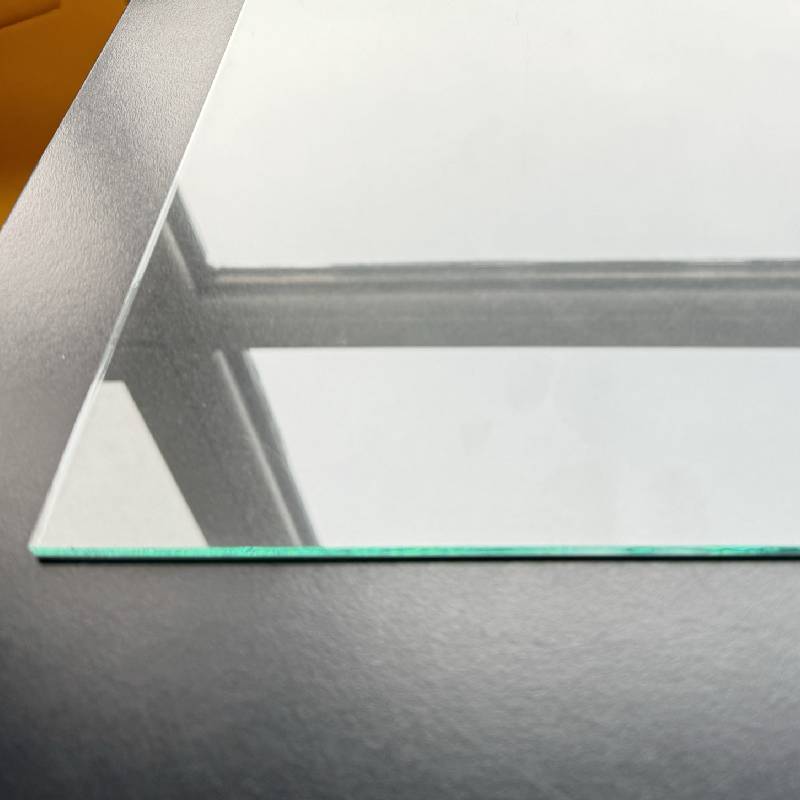
Figure 3: Interior applications of ultra clear glass providing a seamless, contemporary aesthetic.
Building trust with B2B clients requires transparency in operations, clear commitments, and robust support systems.
A1: The main difference lies in the iron oxide content. Ultra clear glass has significantly lower iron content (typically
A2: Yes, absolutely. Ultra clear glass can undergo all standard fabrication processes, including thermal tempering to create ultra clear tempered glass for safety and strength, lamination for enhanced security or sound insulation, and various edge works and coatings. Its optical properties are maintained throughout these processes.
A3: Lead times vary based on the complexity, volume, and specific customization requirements (e.g., tempering, coatings). Generally, for standard sizes and thicknesses, lead times can range from 2-4 weeks. For highly customized or large-volume orders, it can extend to 6-8 weeks. We provide detailed lead time estimates upon project consultation.
A4: Due to the use of higher-purity raw materials and a more controlled manufacturing process, ultra clear glass typically carries a higher cost per square meter than standard float glass. However, its superior aesthetic, higher light transmission, and enhanced performance often justify the investment, especially in applications where clarity and true color are paramount, offering a higher return on investment in the long run.
We operate with robust supply chain management to ensure timely delivery. Our typical lead times for raw ultra clear float glass sheets range from 10-14 business days, while fabricated products (e.g., cut-to-size, polished, tempered ultra clear tempered glass, or laminated units) generally require 3-6 weeks, depending on the scope. We offer various shipping options, including sea freight for international bulk orders and truck delivery for domestic projects, all managed with precise logistics to meet project deadlines. Clients are provided with dedicated account managers for real-time order tracking and updates.
Our ultra clear glass products are backed by comprehensive warranties that reflect our commitment to quality and durability. For our base extra clear float glass, we offer a 10-year warranty against manufacturing defects that impair its optical properties or structural integrity under normal conditions of use. Specialized products like insulated glass units carry a 5-year warranty against seal failure. Full warranty terms and conditions are provided with every quotation and can be reviewed upon request.
Our dedicated B2B customer support team is available to assist with technical inquiries, order placement, logistics, and post-delivery support.
Contact us via phone, email, or our online portal for prompt and professional assistance. Our commitment to client success extends throughout the entire project lifecycle, ensuring a reliable partnership for all your ultra clear glass needs.
The continuous advancement in glass manufacturing has positioned ultra clear glass as an indispensable material in an increasing number of B2B sectors. Its unparalleled transparency, minimal color cast, and superior light transmission properties address critical needs in architectural aesthetics, solar energy efficiency, high-end display solutions, and sophisticated interior designs. As industries push the boundaries of design and performance, the demand for materials that offer both functional excellence and pristine visual integrity will only grow. Investing in εξαιρετικά καθαρό γυαλί χαμηλού σιδήρου is not merely a choice for superior aesthetics; it is a strategic decision that enhances energy performance, preserves true color, and elevates the perceived value of any project. For B2B decision-makers and engineers, understanding and leveraging the distinct advantages of this advanced glass product is key to achieving optimal outcomes in modern construction and product development.

Ζώνη οικονομικής ανάπτυξης της πόλης Shahe 32, Hebei, PR. Κίνα.

+8618686009698
+8613191439158

eoch@shtopglass.com
jason@shtopglass.com