
logo

High-Performance brown mirror glass Solutions for Israel's Modern Architecture

Integrating advanced thermal control and aesthetic brilliance to meet the rigorous climate demands of the Mediterranean and Middle Eastern landscapes.

High-Performance brown mirror glass Solutions for Israel's Modern Architecture

Our specialized glass engineering provides the perfect balance between solar heat rejection and visual elegance, utilizing premium float glass technology to serve the Israeli construction sector.

Glass Market Dynamics in Israel

Analyzing the intersection of high solar radiation and urban development in Israel.

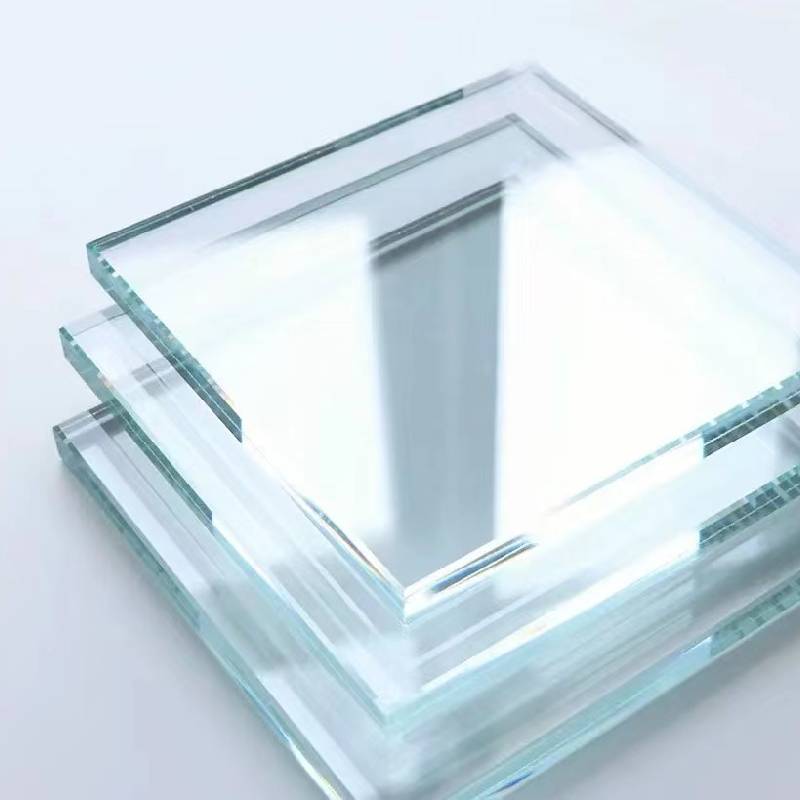
Israel's unique geographic position leads to intense UV exposure and high average temperatures, making the demand for high-quality float window glass critical for energy efficiency. The local market is shifting away from basic glazing toward high-performance coatings that can withstand the saline air of coastal cities like Tel Aviv and Haifa.

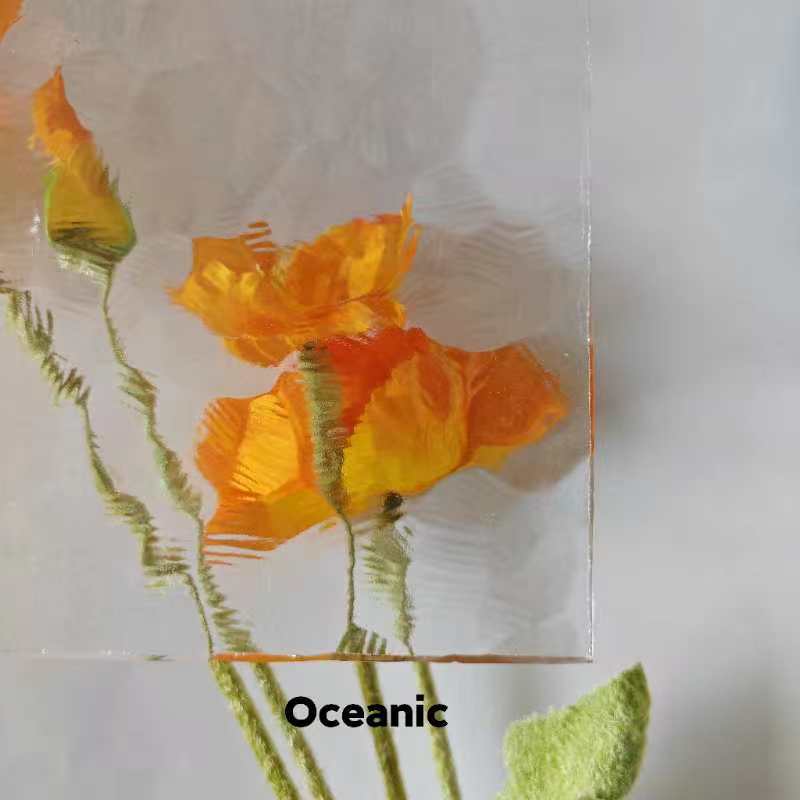
The surge in luxury residential projects and high-tech office hubs has increased the preference for decorative glass. Architects are now integrating glass not just as a structural necessity, but as a tool for light modulation and interior zoning, blending Middle Eastern aesthetics with futuristic minimalism.

Economic growth in the construction sector is driving a transition toward sustainable "Green Building" standards. This shift emphasizes the use of specialized float glass window systems that reduce HVAC loads, ensuring that interiors remain cool without sacrificing natural illumination.
Evolution of Glass Technology in Israel

From traditional clear glazing to intelligent thermal barriers.

Market Development History

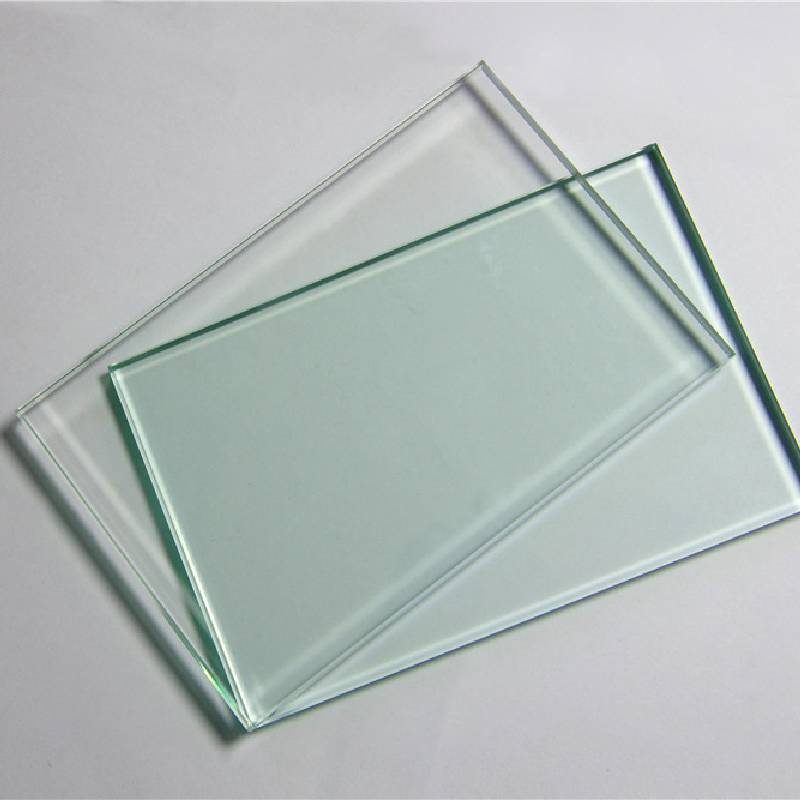
In the late 20th century, the Israeli market relied heavily on standard clear glass. By the early 2000s, the introduction of advanced float glass allowed for larger, flatter panes, enabling the "glass curtain wall" trend seen in the central business districts.

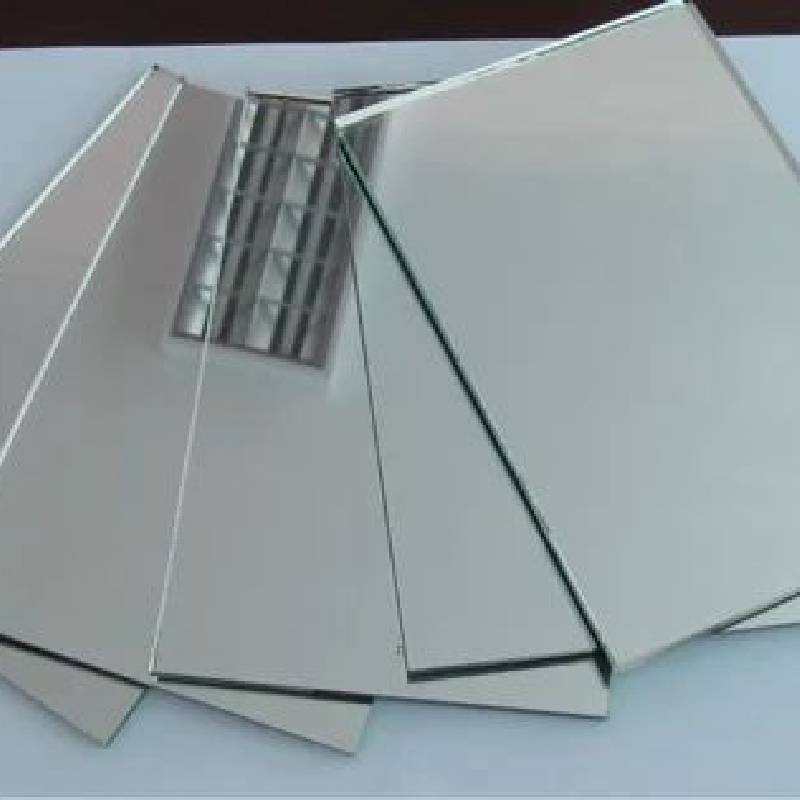
Between 2010 and 2020, the focus pivoted toward Low-E and reflective coatings. The adoption of tinted options became a standard for commercial buildings to combat the desert heat, leading to a peak in the popularity of reflective mirror surfaces.

Currently, the market has entered the "Integrated Glass Era," where structural integrity is merged with smart functions, such as self-cleaning surfaces and dynamic tinting, reflecting Israel's position as a global leader in tech innovation.

Future Development Trends

Vacuum Insulated Glazing (VIG)

To meet stricter energy codes, there is a growing move toward VIG systems that offer superior insulation compared to standard double glazing.

BIPV Integration

Building-Integrated Photovoltaics are expected to merge solar energy harvesting directly into the facade glass, utilizing the high solar irradiance of the region.

Sustainable Raw Materials

The industry is shifting toward circular economy models, increasing the use of recycled cullet in the manufacturing of new float glass sheets.

Future Trends and Strategic Outlook

Forecasting the trajectory of glass manufacturing and application for the next 5 years.

Ultra-High Thermal Insulation
Shift toward triple-pane and krypton-filled units to eliminate heat transfer in extreme Israeli summers.
Smart Dynamic Tinting
Electrochromic glass that adjusts transparency based on sunlight intensity, reducing dependency on blinds.
Carbon-Neutral Production
Adopting hydrogen-fired furnaces in glass production to lower the carbon footprint of architectural glass.
AI-Driven Design
Generative AI used to optimize glass placement for maximum natural light and minimum heat gain.

Industry Outlook

Based on Google search trends for "energy-efficient windows" and "modern facade design" in Israel, there is a clear trajectory toward sustainable luxury. The demand for high-performance glass is no longer just about aesthetics but about survival in an increasingly warming climate.

We predict a 15% annual increase in the adoption of specialized coatings over the next three years, as government regulations on building energy consumption become more stringent across Israeli municipalities.

Localized Glass Applications in Israel

Practical implementations of premium glass solutions tailored to regional needs.

1. Tel Aviv High-Rise Facades

Using high-reflectivity float window glass to reduce the "urban heat island" effect while providing panoramic views of the Mediterranean.

2. Jerusalem Heritage Renovations

Integrating decorative glass that complements ancient stone architecture with modern, energy-efficient transparency.

3. Dead Sea Resort Glazing

Implementing salt-resistant coatings on float glass to prevent corrosion in one of the world's most aggressive atmospheric environments.

4. Negev Desert Solar Shade Structures

Utilizing tinted and reinforced glass to create shaded walkways and pavilions that block IR radiation while allowing visible light.

5. Luxury Residential Interiors

Installation of brown mirror glass in high-end villas to create a sense of spaciousness and warmth in modern living areas.

Brand Story

Global Development Journey of Shahe TP Top Glass Products Co., Ltd.

Foundational Excellence

Established with a commitment to precision, we began by mastering the core float glass process, focusing on purity and flatness.

Technological Expansion

We invested in advanced coating lines to develop specialized mirrors and decorative surfaces, solving the pain point of durability in harsh climates.

Global Market Entry

Expanding our footprint into the Middle East, we tailored our product specifications to meet the unique UV and heat challenges of the region.

Innovation Leadership

By integrating sustainable manufacturing, we now provide eco-friendly glass solutions that reduce the carbon footprint of global skyscrapers.

Future Vision

Our mission is to redefine transparency, creating "intelligent" glass that adapts to the environment, ensuring comfort and beauty worldwide.

Complete Glass Portfolio for the Israeli Market

From architectural foundations to high-end decorative finishes.

Frequently Asked Questions in Israel

Expert answers to common technical queries regarding glass installation and selection.

Which float glass window is best for high UV regions like Israel?

We recommend Low-E coated float glass with a high solar heat gain coefficient (SHGC) to reflect heat while maintaining interior brightness.

How does brown mirror glass improve energy efficiency in offices?

It significantly reduces the amount of direct solar radiation entering the building, which lowers the energy required for air conditioning systems.

Can decorative glass be used for exterior facades in coastal cities?

Yes, provided it is treated with anti-corrosive coatings to protect against the saline moisture common in cities like Tel Aviv.

What is the thickness standard for float window glass in commercial buildings?

Depending on wind loads, typically 6mm to 12mm is used, often in tempered or laminated configurations for safety.

How do I maintain the clarity of high-performance float glass?

Regular cleaning with non-abrasive solutions is recommended, especially in dusty desert environments to maintain optimal light transmission.

Is tempered float glass necessary for Israeli safety regulations?

Yes, for low-level glazing and high-traffic areas, tempering is required to ensure the glass breaks into small, blunt pieces if impacted.

Request a Professional Glass Consultation

Connect with our engineering team to optimize your building's thermal performance in Israel.

Contact Us Now