
logo

High-Performance Decorative Glass Solutions for Nigeria

Providing premium architectural glass tailored for the Nigerian climate, combining structural integrity with modern aesthetic appeal.

High-Performance Decorative Glass Solutions for Nigeria

We deliver a comprehensive range of industrial-grade glass products designed to withstand extreme temperatures and humidity, ensuring longevity for Nigerian infrastructure.

The Nigerian Glass Market Landscape

Analyzing the intersection of rapid urbanization and environmental challenges in West Africa.

Nigeria is experiencing a massive surge in commercial real estate and residential high-rises, particularly in Lagos and Abuja. This growth has created an unprecedented demand for float glass that can provide both transparency and thermal insulation against the intense tropical sun.

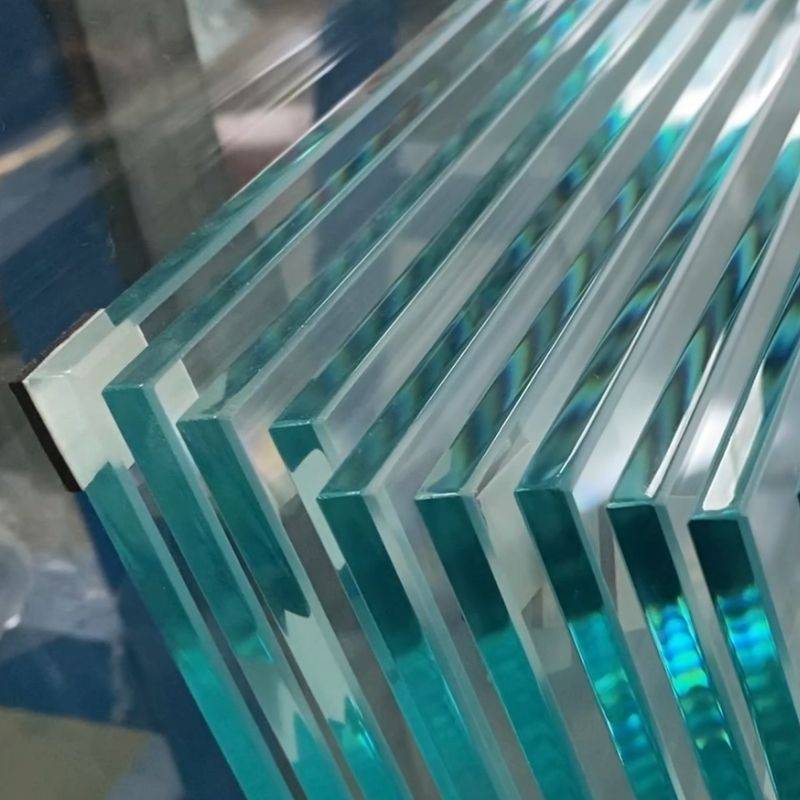
The local market often struggles with the balance between cost and quality. Many constructions rely on imported materials, yet there is a growing shift toward specialized float glass window systems that offer better UV resistance to prevent interior fading and reduce cooling costs in humid climates.

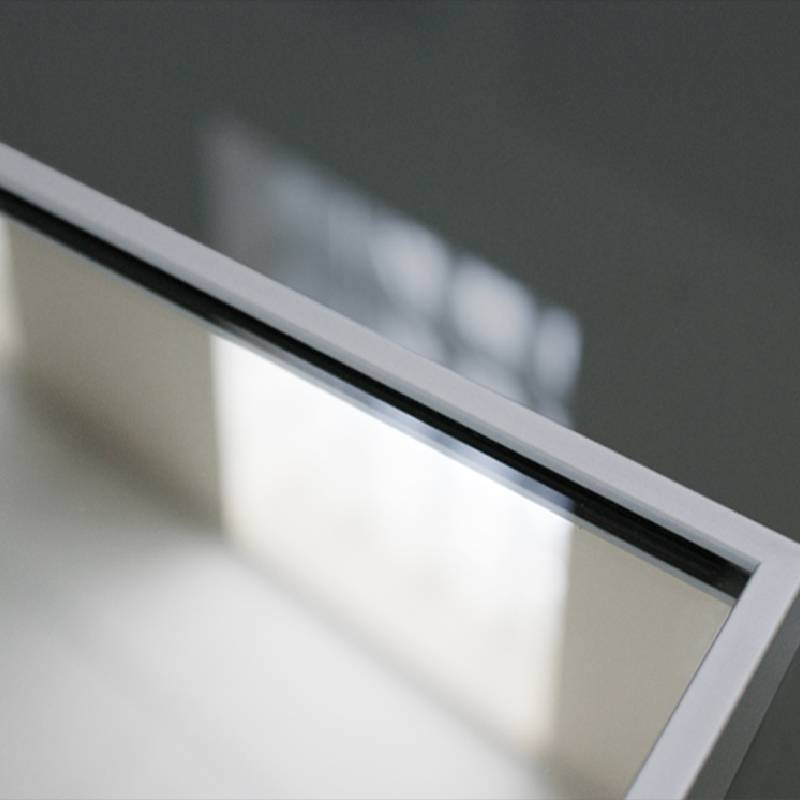
Furthermore, the luxury hospitality sector in Nigeria is increasingly adopting brown mirror glass to achieve a sophisticated look while managing light reflection, reflecting a transition from basic utility to high-end architectural design.
Evolution and Trajectory of Glass Manufacturing

From traditional silica smelting to advanced precision float technology.

Market Development History

In the early 2000s, the Nigerian market was dominated by basic annealed glass with limited thickness options and high distortion, primarily used for simple partitions.

Between 2010 and 2020, the introduction of automated float lines allowed for the mass production of float window glass, which standardized window dimensions and improved the safety of residential installations across the region.

By 2023, the industry shifted toward value-added processing. The integration of tempering and coating technologies enabled the production of high-durability glass capable of withstanding the salt-mist environments of coastal Nigerian cities.

Future Development Trends

Smart Solar Integration

The next 3-5 years will see a rise in photovoltaic glass, turning skyscrapers into energy generators to solve Nigeria's power stability issues.

Low-E Coating Adoption

Google search trends show a spike in "energy-efficient windows in Nigeria," indicating a move toward Low-Emissivity coatings to lower HVAC energy consumption.

Sustainable Recycled Feedstock

There is a growing trend toward using cullet (recycled glass) in the manufacturing process to reduce the carbon footprint of heavy industry in West Africa.

Industry Trends and Future Outlook

Strategic forecasts for the non-metallic mineral products sector in Nigeria.

Thermal Efficiency Focus
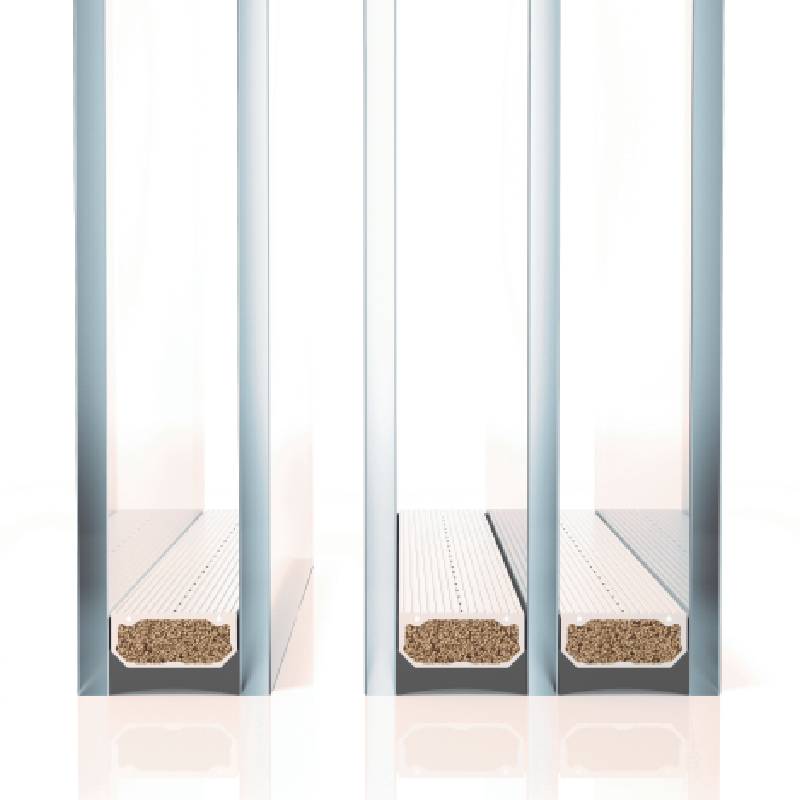
Rising demand for double-glazing to combat Nigeria's intense heat, reducing reliance on air conditioning.
Architectural Customization
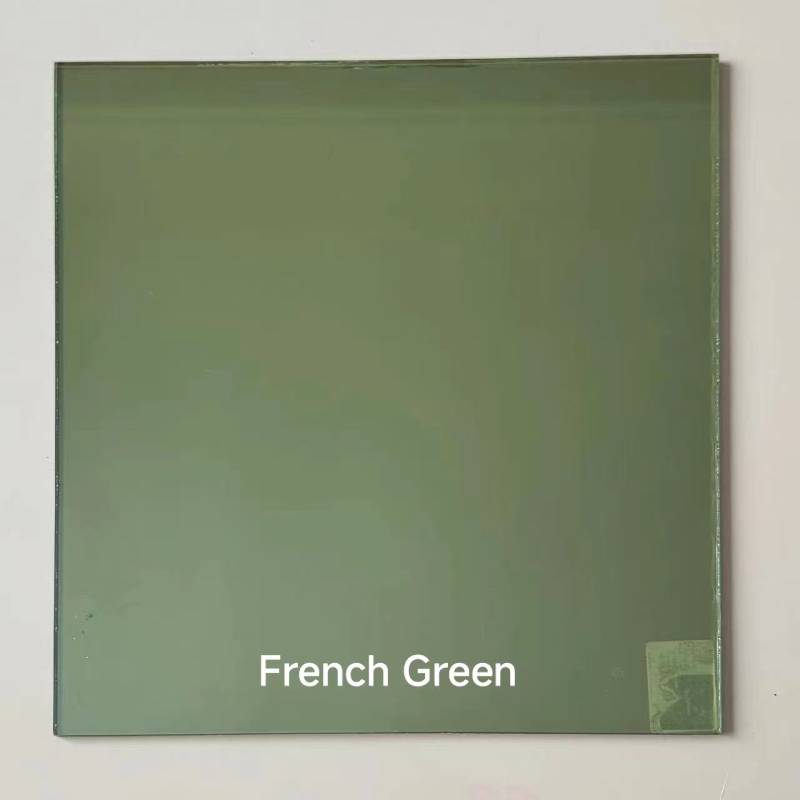
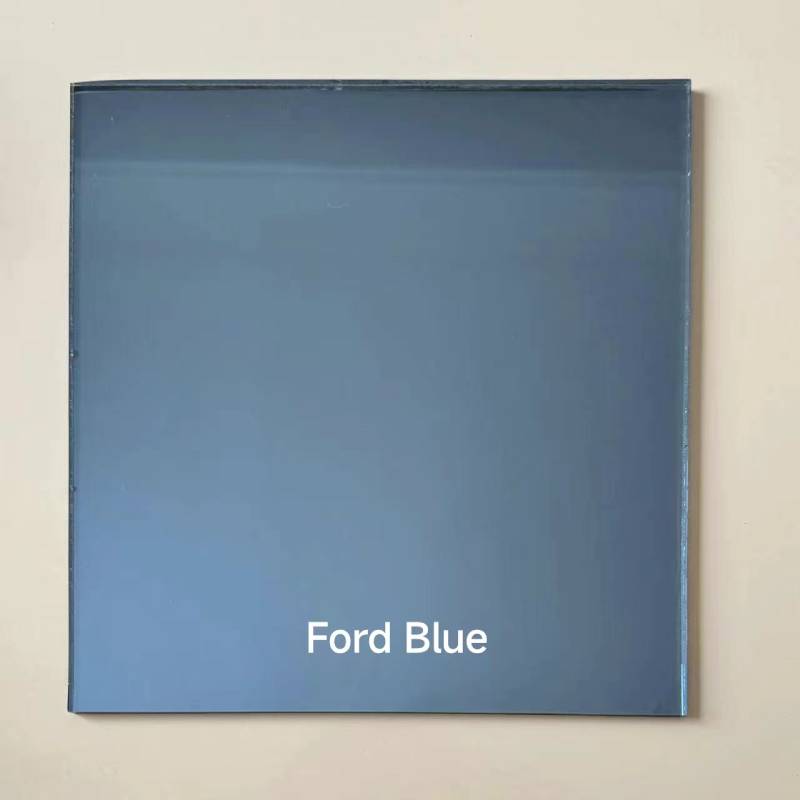
Shift toward bespoke colored and tinted glass for prestige commercial developments in Lagos Island.
Enhanced Safety Standards
Increasing adoption of tempered and laminated glass to meet international safety building codes.
Supply Chain Digitization
Integration of B2B e-commerce platforms to streamline glass ordering for Nigerian contractors.

Industry Outlook

The Nigerian glass industry is pivoting from mass-commodity production toward specialized, value-added products. We anticipate that the integration of energy-saving technologies will become the primary driver of growth as the government pushes for "Green Building" certifications in urban centers.

Strategically, the ability to provide customized cutting and polishing services locally will differentiate winners in the market, reducing the lead time and breakage rates associated with long-distance shipping of oversized glass sheets.

Localized Application Scenarios in Nigeria

Real-world deployments of high-performance glass in the Nigerian environment.

01. Lagos Waterfront Commercial Hubs

Utilization of high-thickness float window glass to provide wind resistance and panoramic views while blocking intense coastal heat.

02. Abuja Government District Offices

Installation of premium clear float glass for executive partitions, combining professional transparency with acoustic insulation for high-level meetings.

03. Luxury Hotels in Victoria Island

Applying brown mirror glass in lobby interiors and gymnasiums to create an expansive feeling and a modern, moody aesthetic.

04. Retail Showrooms in Kano

Integrating decorative glass elements in storefronts to attract high-end shoppers while maintaining security through reinforced tempering.

05. Residential Villas in Lekki

Customized window systems using energy-efficient float glass to reduce internal temperatures and minimize the electricity load on cooling systems.

Brand Story

Global Development Journey of Shahe Tptop Glass Products Co., Ltd.

Foundational Excellence

Established in the heart of China's glass industry, we began with a mission to solve the problem of optical distortion in commercial float glass.

Technological Breakthrough

We invested in advanced tempering and coating lines, allowing us to produce specialized architectural glass that meets rigorous ISO standards.

Global Expansion

Recognizing the potential of West African infrastructure, we optimized our logistics to provide seamless delivery to Nigeria and beyond.

Customer-Centric Innovation

We developed a flexible customization system, enabling architects to order precise dimensions, reducing waste and project timelines.

Vision for the Future

Our goal is to lead the transition toward sustainable, energy-efficient glass solutions for the entire African continent.

Complete Glass Portfolio for the Nigerian Market

From raw float sheets to high-end decorative finishes.

Frequently Asked Questions in Nigeria

Expert answers to common technical and logistics queries.

How does float glass perform in high-humidity coastal areas like Lagos?

Our float glass is manufactured with high chemical stability, preventing surface corrosion and "clouding" often caused by salt-mist environments in coastal Nigerian regions.

What is the best float glass window thickness for commercial high-rises in Abuja?

For commercial high-rises, we typically recommend 6mm to 12mm tempered float glass, often used in double-glazed units to enhance thermal insulation and wind pressure resistance.

Can brown mirror glass be used for exterior facade cladding?

Yes, our brown mirror glass is available in heat-strengthened versions that are suitable for exterior facades, providing excellent glare reduction and privacy.

How to maintain decorative glass in dusty environments like Northern Nigeria?

We recommend using non-abrasive microfiber cloths and pH-neutral cleaners to prevent scratching the surface of decorative glass when removing Harmattan dust.

What are the shipping lead times for float window glass to Apapa Port?

Depending on the order volume, standard sea freight typically takes 35-45 days, but we provide real-time tracking to help Nigerian contractors plan their installation schedules.

Is your float glass compliant with Nigerian building safety codes?

Our products meet and exceed international standards (such as ASTM and EN), ensuring they are fully compliant with the safety requirements of Nigerian urban planning authorities.

Get a Professional Glass Quote

Ready to upgrade your project with premium architectural glass? Our experts are ready to assist with customized specifications for your sites in Nigeria.

Contact Us Now