
logo

High-Performance decorative glass Solutions for the Philippines Market

Premium architectural glass engineered for tropical resilience, energy efficiency, and modern Filipino aesthetics.

High-Performance decorative glass Solutions for the Philippines Market

We provide a comprehensive range of glass products tailored for the Philippines' unique architectural needs, from high-rise condominiums in Makati to luxury villas in Boracay.

Glass Industry Status in the Philippines

Navigating the challenges of tropical humidity and urban expansion.

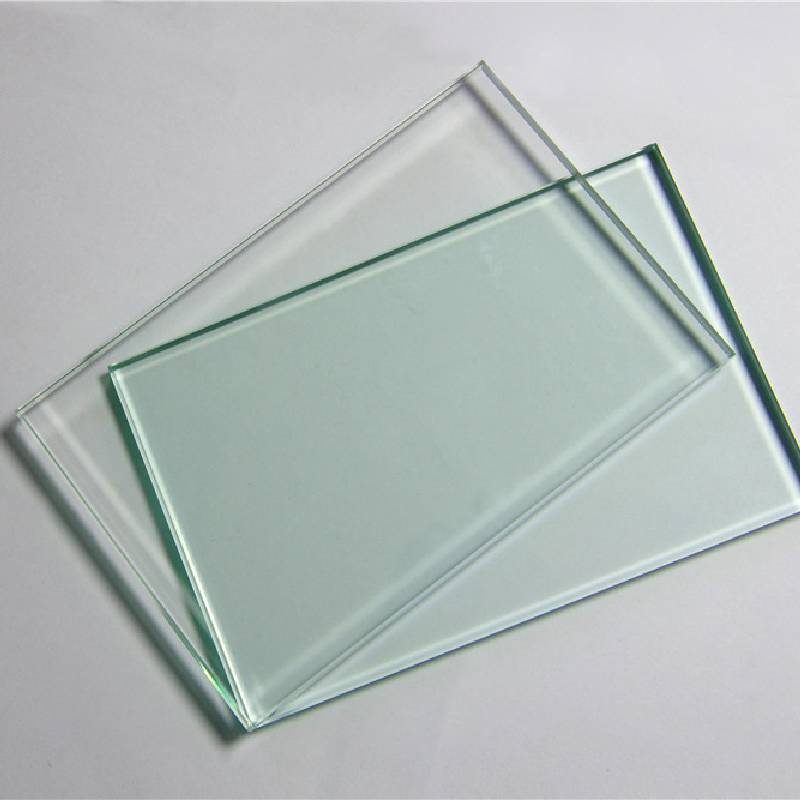
The Philippine construction market is currently experiencing a surge in vertical urbanization. The demand for high-quality float glass has increased significantly as Metro Manila evolves into a global business hub, requiring glass that can withstand high wind loads and intense solar radiation.

Due to the archipelago's humid tropical climate, there is a critical need for corrosion-resistant and heat-reflective materials. Standard glass often fails to prevent the "greenhouse effect" in indoor spaces, leading to a shift toward specialized float glass window systems that optimize thermal insulation.

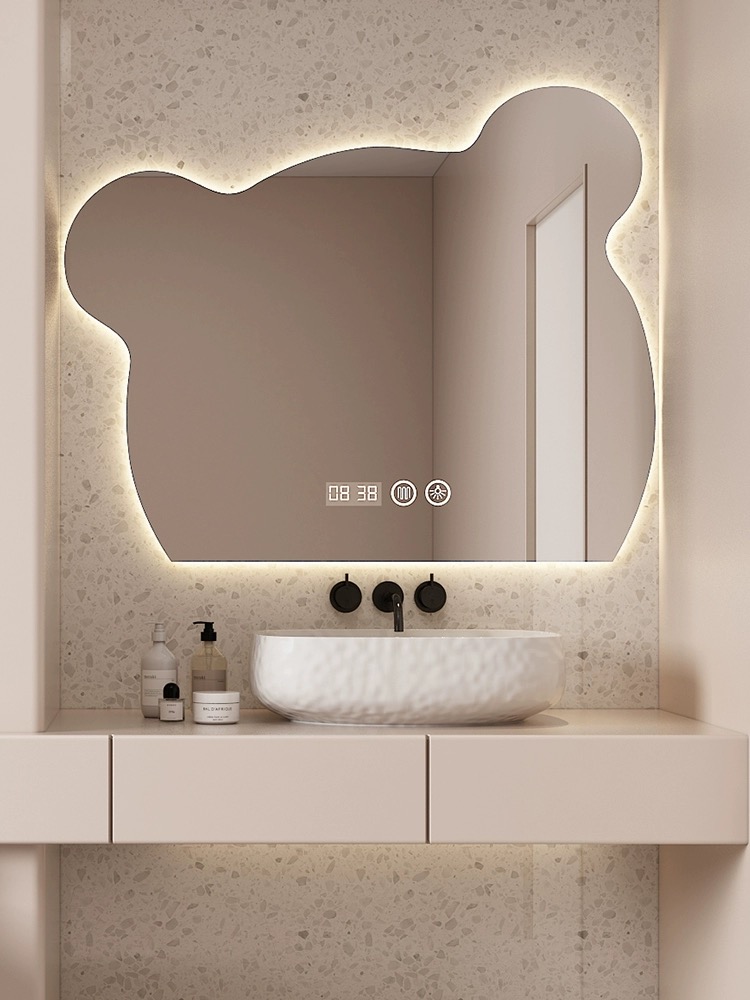
Economically, the Philippines relies heavily on imported premium glass. However, the growth of the BPO sector and luxury hospitality has created a niche for high-end brown mirror glass, used increasingly in commercial interiors to create a sense of space and luxury while managing light glare.
Evolution of Glass Technology in Asia-Pacific

From basic transparency to intelligent architectural skins.

Market Development History

In the late 20th century, the Philippine market primarily used basic annealed glass. The introduction of large-scale float window glass around the 1990s revolutionized the storefronts of shopping malls, allowing for larger, clearer vistas and better structural integrity.

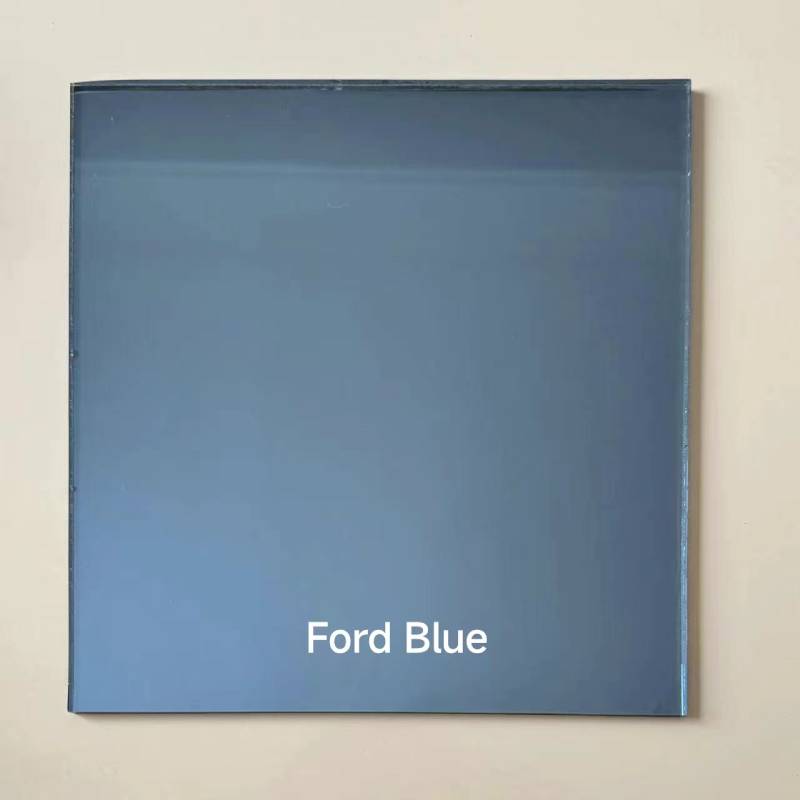
Between 2005 and 2015, the focus shifted toward safety and energy. Tempered and laminated processes became standard for high-rise developments. During this era, the use of tinted and reflective coatings grew to combat the intense equatorial sun, reducing reliance on air conditioning.

From 2016 to the present, the trajectory has moved toward "Aesthetic Functionalism." Modern projects now integrate custom-colored and textured glass, where decorative glass is no longer just an ornament but a key part of the building's thermal and acoustic strategy.

Future Development Trends

Smart Solar Integration

Integrating photovoltaic cells into float glass to turn windows into energy generators, matching the Philippines' push for renewable energy.

Ultra-Low Emissivity (Low-E) Standard

A transition where Low-E coatings become mandatory for all new commercial builds to meet global green building certifications (LEED).

Dynamic Privacy Glass

Growth in electrochromic glass that changes opacity via electrical current, ideal for the high-density living environments of Quezon City and Makati.

Industry Trends and Future Outlook

Strategic shifts in glass manufacturing for a sustainable future.

Thermal Efficiency Optimization
Developing glass with higher R-values to drastically lower cooling costs in tropical climates.
Sustainable Raw Materials
Increasing the use of cullet (recycled glass) to reduce carbon footprints in manufacturing.
Advanced Safety Standards
Implementing typhoon-resistant glass specifications to survive severe weather patterns.
Digital Design Integration
Using BIM (Building Information Modeling) for precise glass cutting and installation.

Industry Outlook

Based on current Google search trends in Southeast Asia, there is a rising query volume for "energy-efficient glazing" and "modern interior glass." This indicates a shift from basic functional needs to a desire for luxury combined with sustainability.

Over the next 3-5 years, the Philippine market will likely move toward fully integrated facade systems. The convergence of architectural beauty and environmental performance will make advanced glass products the primary driver of the construction industry.

Local Application Scenarios in the Philippines

Practical implementations for diverse Filipino environments.

1. Makati CBD High-Rise Facades

Utilizing high-strength float window glass to create sleek, modern skyscraper envelopes that resist high-altitude wind pressure while providing panoramic city views.

2. BGC Luxury Retail Interiors

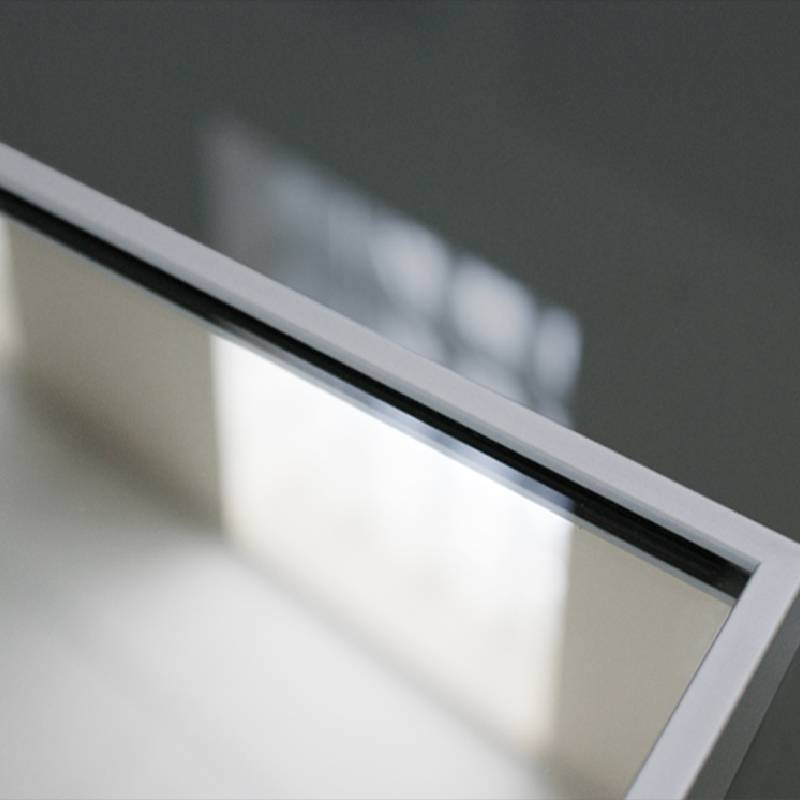
Incorporating brown mirror glass in high-end boutiques and lounges to enhance spatial depth and create a sophisticated, warm atmosphere for shoppers.

3. Boracay Beach Resort Villas

Deploying tempered float glass for seamless indoor-outdoor transitions, ensuring safety against accidental impact while maximizing natural light.

4. Cebu Industrial Park Offices

Installing energy-efficient float glass window systems to reduce heat gain, lowering the carbon footprint of corporate headquarters.

5. Manila Modern Residential Condos

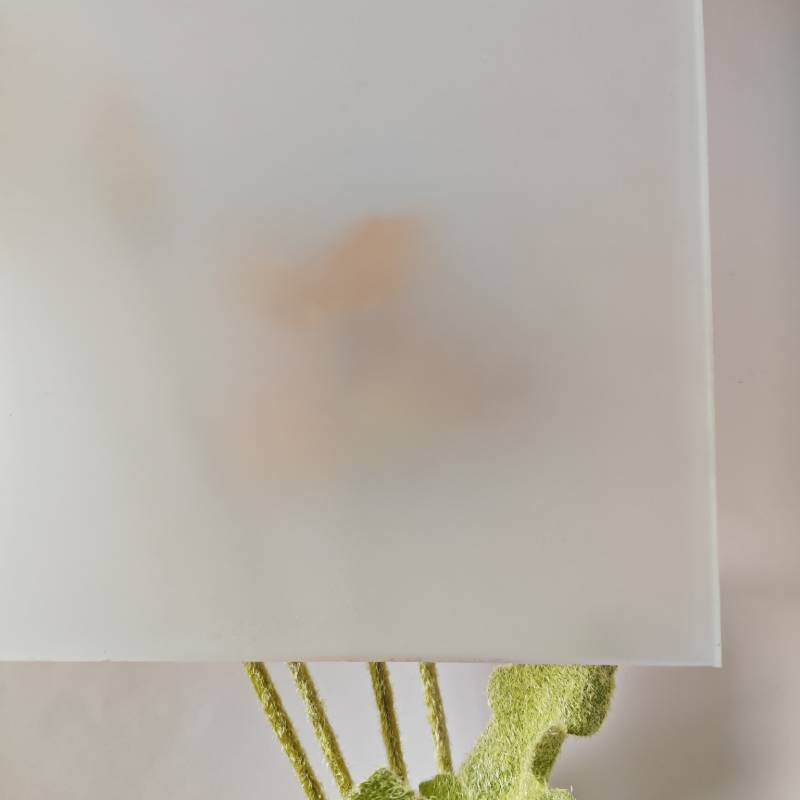
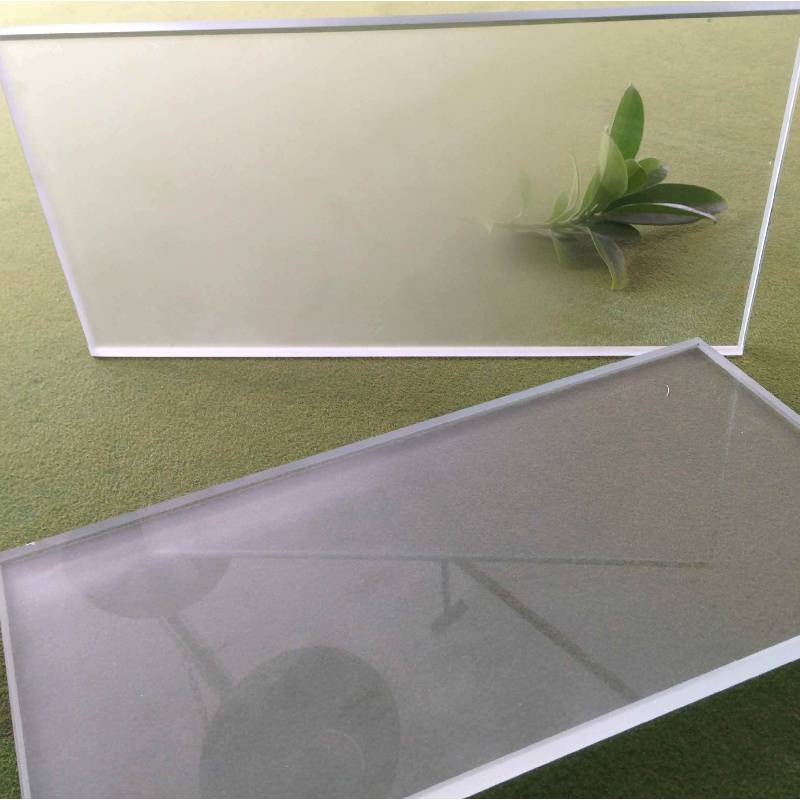
Applying custom-etched decorative glass for shower enclosures and room dividers, optimizing small living spaces with style and privacy.

Brand Story

Global Development Journey of Shahe Top Glass Products Co., Ltd.

Foundational Excellence

Established with a vision to master the art of float glass, we began by optimizing the purity of raw materials to ensure unmatched clarity.

Technological Breakthrough

We invested in advanced coating lines, enabling us to solve the common pain point of solar heat gain in tropical architectural glass.

Market Expansion

Expanding our reach into the Asia-Pacific region, specifically the Philippines, by tailoring products to withstand high salinity and humidity.

Quality Certification

Achieving international standards (ISO) to provide Filipino architects with the confidence and reliability needed for large-scale projects.

Sustainable Future

Now leading the way in green glass manufacturing, focusing on reducing emissions and promoting circular economy principles globally.

Complete Glass Portfolio for the Philippines

A one-stop solution for every architectural and decorative requirement.

Philippines Glass Industry FAQs

Expert answers to common technical and logistical questions.

How does float glass perform in typhoon-prone areas like the Philippines?

Our float glass is available in tempered and laminated options, which significantly increase impact resistance and prevent shattering during high-wind events, meeting local safety codes.

Can float glass window systems reduce electricity costs in Manila?

Yes, by utilizing Low-E coatings and double-glazing, our windows block a significant portion of infrared heat, reducing the load on air conditioning systems.

What is the best use for brown mirror glass in tropical interiors?

Brown mirror glass is ideal for hospitality and commercial spaces to reduce glare from the bright tropical sun while adding a warm, luxury aesthetic to the interior design.

How is decorative glass maintained in high-humidity environments?

Our decorative glass undergoes specialized surface treatments that resist moisture penetration and oxidation, requiring only standard non-abrasive cleaning.

What is the lead time for importing float window glass to the Philippines?

Lead times vary by order volume, but our optimized logistics network ensures efficient shipping to major ports like Manila and Cebu with streamlined customs clearance.

Do you provide custom sizes for architectural float glass projects?

Yes, we offer precision cutting and processing based on your architectural blueprints to ensure a perfect fit for any building geometry.

Get a Professional Glass Consultation

Ready to elevate your project with world-class glass solutions in the Philippines? Our experts are here to help you choose the right specifications.

Contact Us Now