
logo

Premium brown mirror glass Solutions for Ecuador Architecture

Engineering high-performance glass products tailored for the diverse climatic zones of South America, from the Andean highlands to the coastal regions of Ecuador.

Premium brown mirror glass Solutions for Ecuador Architecture

Providing advanced glazing solutions including high-clarity float glass and specialized decorative elements for the Ecuadorian construction market.

Glass Industry Landscape in Ecuador

Analyzing the integration of modern glazing materials in South America's unique environment.

Ecuador's glass market is characterized by a sharp divide between the humid coastal plains and the high-altitude Andean cities like Quito. This geographic diversity demands versatility in float window glass, where UV resistance and thermal stability are paramount to prevent condensation and structural fatigue.

The economy, driven by construction booms in urban centers, has shifted demand toward energy-efficient materials. Local contractors are increasingly replacing traditional timber frames with advanced float glass window systems that offer better insulation and durability against the tropical salinity of the coast.

Furthermore, the rise of luxury tourism and commercial development in the Galápagos and Guayaquil has surged the demand for decorative glass, blending aesthetic appeal with the rigorous demands of environmental sustainability.
Evolution of Glass Technology in Ecuador

From basic silica transparency to high-performance architectural coatings.

Market Development History

During the late 20th century, the Ecuadorian market relied heavily on basic annealed glass imports. The primary focus was functional transparency for residential housing, with little emphasis on thermal control or solar radiation.

Between 2005 and 2015, the transition toward industrialized float glass manufacturing techniques allowed for larger pane sizes and higher precision. This era saw the introduction of tempered and laminated safety glass in commercial shopping centers.

From 2016 to the present, there has been a technological pivot toward "Smart Glass." The integration of Low-E coatings and high-end mirroring has become the standard for modern Ecuadorian corporate offices.

Future Development Trends

Sustainable Low-Carbon Production

Expect a shift toward recycled cullet and electric melting furnaces to reduce the carbon footprint of glass production in South America.

Dynamic Solar Control

The adoption of electrochromic glass that adjusts transparency based on solar intensity, crucial for the equatorial sun in Ecuador.

Integration of BIM Design

The use of Building Information Modeling (BIM) to optimize the cutting and placement of complex decorative glass panels during the design phase.

Industry Trends and Future Outlook

Strategic forecasting for the non-metallic mineral products sector.

Thermal Efficiency Optimization
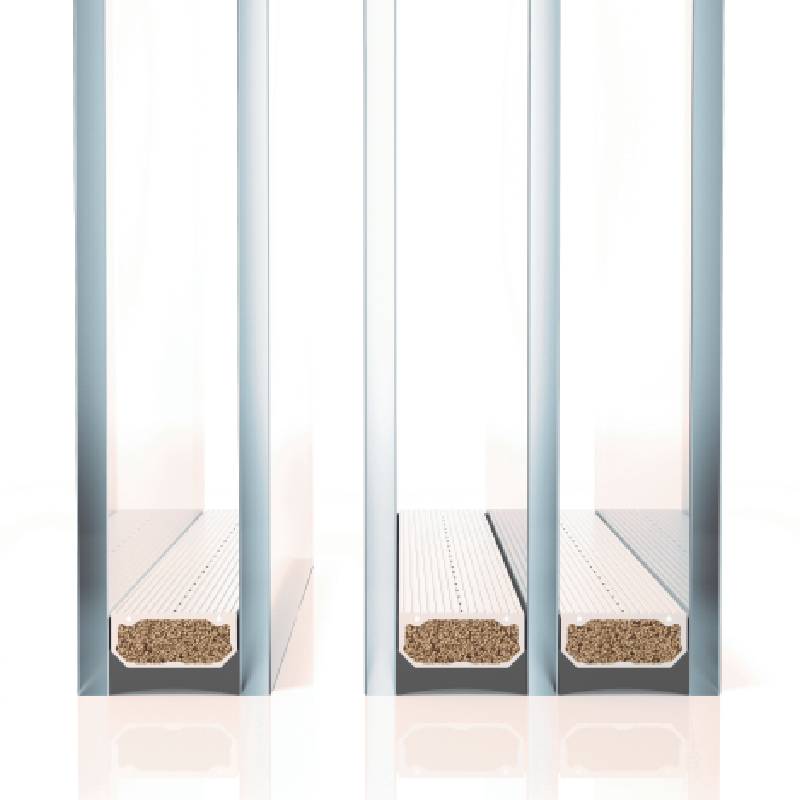
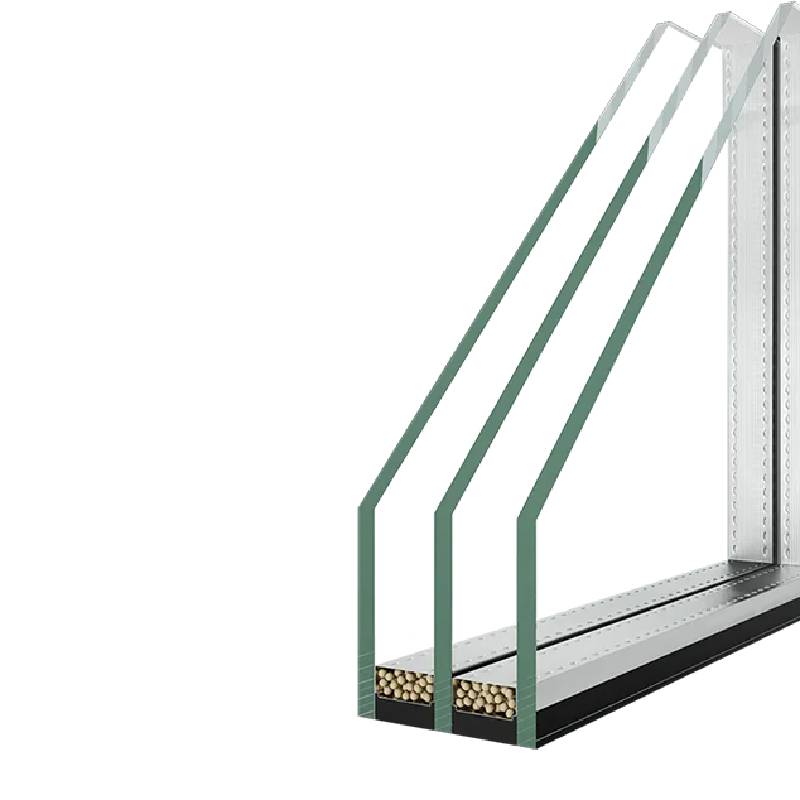
Reducing energy loads in Quito's altitude through advanced double-glazing technologies.
Anti-Corrosive Coatings
Developing surface treatments that resist the salt-spray environments of Guayaquil's coastline.
Architectural Aesthetics
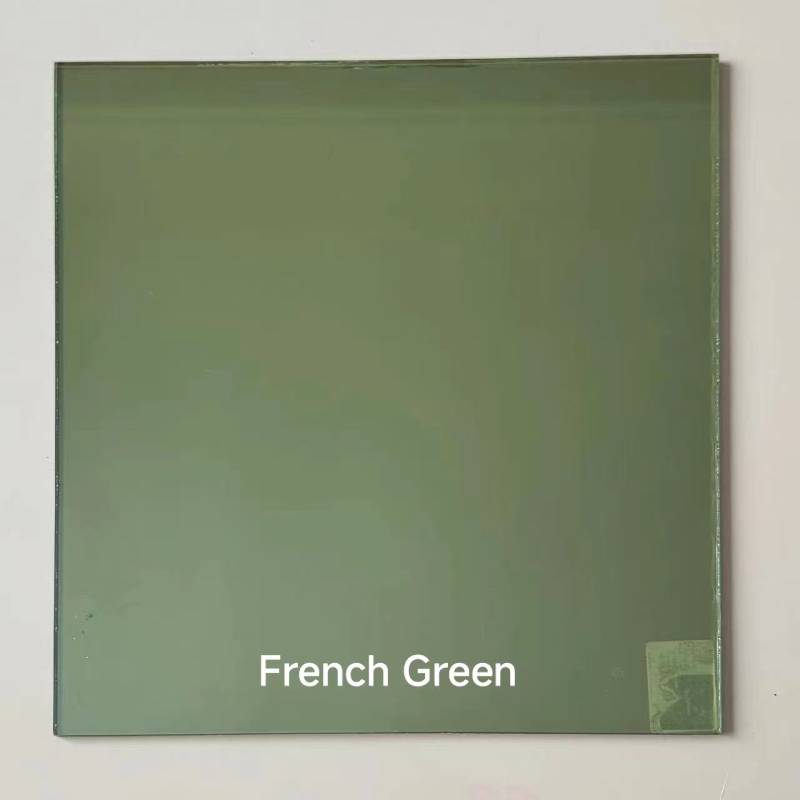
Increasing adoption of colored mirrors and textured glass for interior corporate branding.
Circular Economy Integration
Implementing closed-loop recycling for glass waste in industrial zones across Ecuador.

Industry Outlook

Google search trends indicate a rising interest in "Eco-friendly building materials" within the Ecuadorian market. This suggests that future demand will lean heavily toward glass that offers high solar heat gain coefficients (SHGC) to reduce air conditioning costs in tropical zones.

We anticipate that the next 3-5 years will see a surge in the integration of PV-integrated glass, turning facades into energy-generating surfaces, aligning with Ecuador's national goal of expanding renewable energy sources.

Local Application Scenarios in Ecuador

Practical implementations of high-performance glass in diverse Ecuadorian environments.

1. Quito Corporate High-Rises

Utilizing high-grade float window glass with Low-E coatings to manage extreme temperature fluctuations between day and night in the Andean highlands.

2. Guayaquil Coastal Hotels

Installation of heavy-duty tempered glass and salt-resistant coatings to ensure longevity against corrosive marine air and humidity.

3. Quito Luxury Residential Interiors

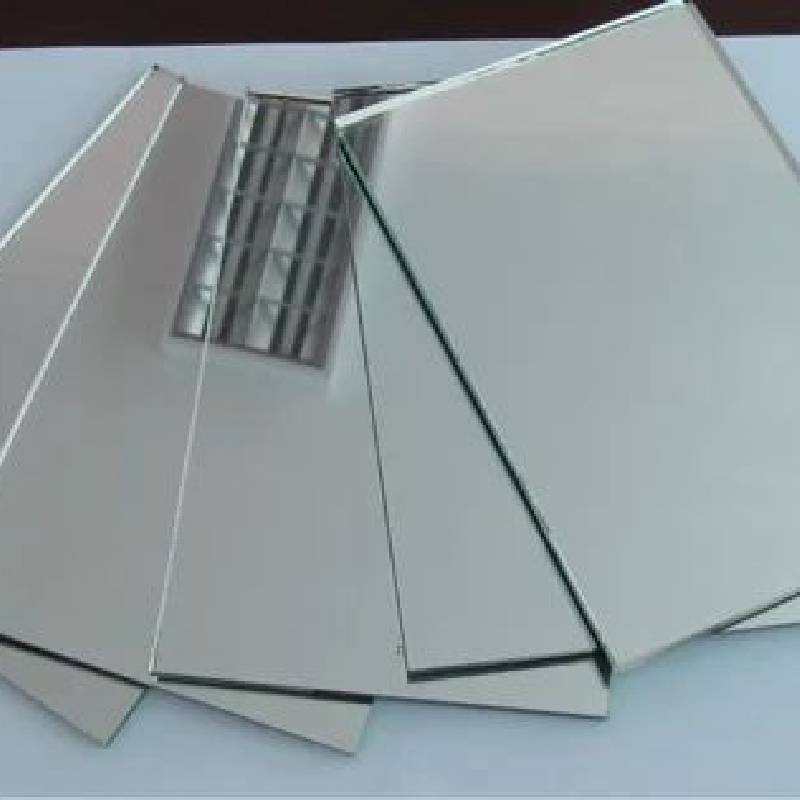
Applying brown mirror glass for expansive living room walls to create a sense of depth while adding a warm, sophisticated color palette.

4. Galápagos Eco-Resorts

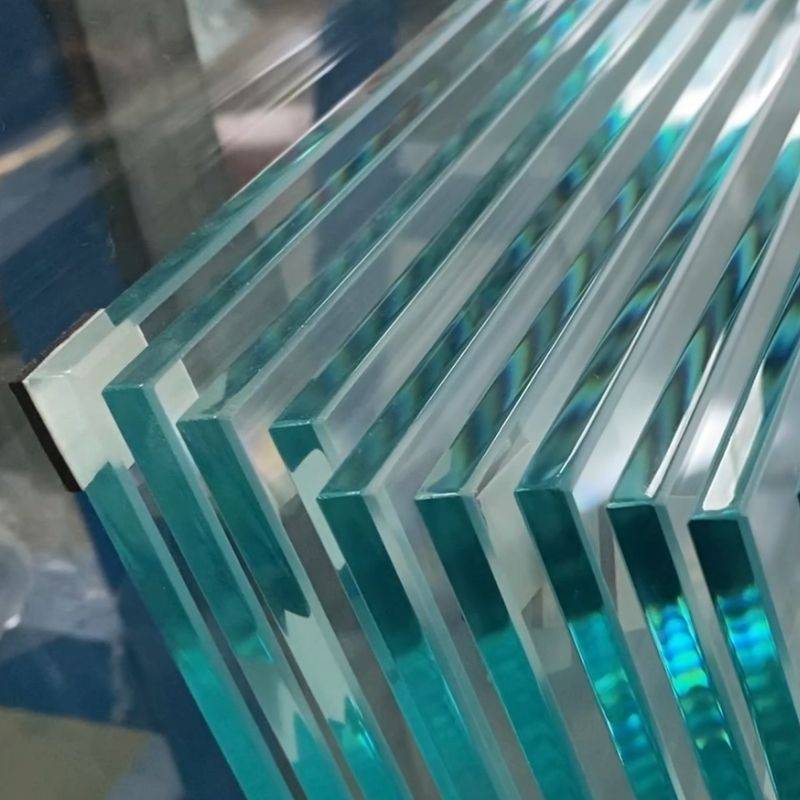
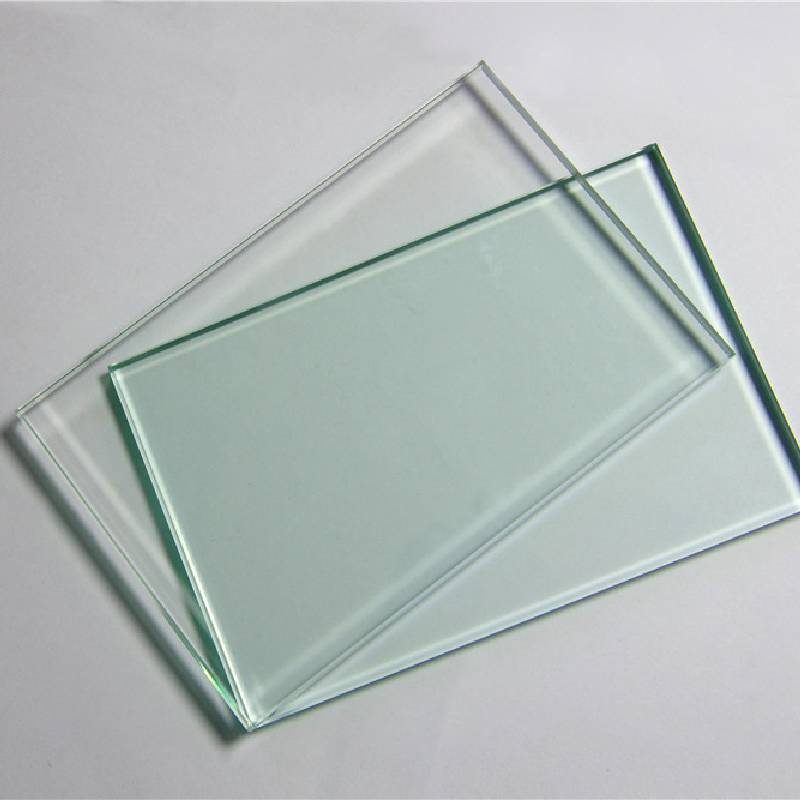
Implementing ultra-clear float glass that minimizes visual distortion, allowing guests to experience nature without optical barriers.

5. Commercial Retail in Manta

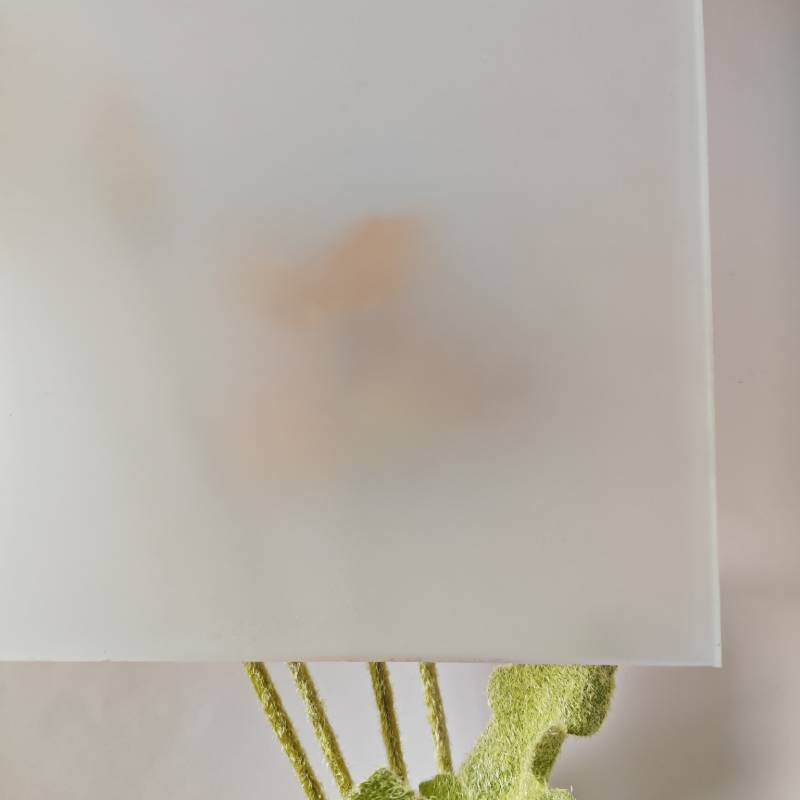
Using customized decorative glass for storefronts to attract high-end clientele through unique textures and artistic patterns.

Brand Story

Global Development History of Shahe Top Glass Products Co., Ltd.

Foundation and Core Vision

Established with a mission to solve the inconsistency of glass quality in the global supply chain, focusing on precision manufacturing.

Technological Breakthroughs

Invested in automated cutting and polishing lines to eliminate manual errors and achieve micron-level precision for architectural glass.

Global Market Expansion

Expanded operations into South America, tailoring production lines to meet the specific seismic and climatic requirements of the region.

Commitment to Sustainability

Developed a green manufacturing protocol, reducing energy consumption per ton of glass produced by 20%.

The Future of Clarity

Leading the industry toward smart glass solutions that combine energy efficiency with unmatched aesthetic versatility.

Comprehensive Glass Portfolio for Ecuador

A curated selection of float and decorative glass products engineered for South American standards.

Common Inquiries in the Ecuadorian Glass Market

Expert answers to technical questions regarding glass installation and selection.

How does float glass perform in high-altitude cities like Quito?

In high-altitude environments, standard float glass may experience thermal stress. We recommend using tempered Low-E versions to ensure stability and reduce heat loss.

Is brown mirror glass suitable for exterior facades in sunny regions?

Yes, brown mirror glass is excellent for solar heat reduction. It reflects a significant portion of infrared radiation, keeping interiors cool in equatorial climates.

What are the maintenance requirements for float window glass in coastal areas?

Coastal areas require regular cleaning to remove salt deposits. Using glass with a protective hydrophobic coating can significantly reduce maintenance frequency.

Can decorative glass be customized for seismic-prone regions in South America?

Absolutely. We provide laminated decorative glass that maintains structural integrity even upon breakage, which is critical for seismic safety in Ecuador.

What is the lead time for importing specialized float window glass to Ecuador?

Lead times vary based on customization, but typically range from 4-8 weeks including maritime shipping and customs clearance at Ecuadorian ports.

How do I choose between different types of decorative glass for commercial use?

Selection depends on the desired light transmission and privacy level. Frosted glass is ideal for offices, while tinted or mirrored glass works best for prestige facades.

Ready to Elevate Your Architecture?

Get professional consultation for high-performance glass solutions specifically engineered for the market in Ecuador.

Contact Us Now