
logo

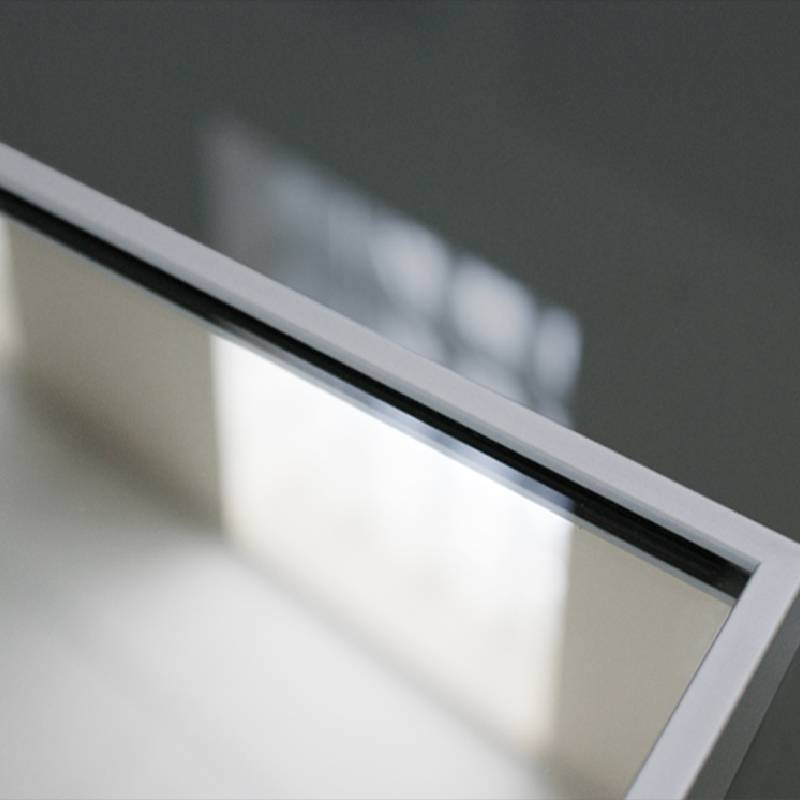
Premium brown mirror glass Solutions for Poland's Modern Architecture

Integrating high-performance float glass and innovative decorative surfaces to meet the stringent thermal and aesthetic standards of the Polish construction market.

Premium brown mirror glass Solutions for Poland's Modern Architecture

Providing Poland with industry-leading glass manufacturing technology, from standard clear float glass to high-end architectural mirrors and energy-efficient window systems.

The Polish Glass Market Landscape

Analyzing the demand for high-durability glass in Central Europe's industrial hub.

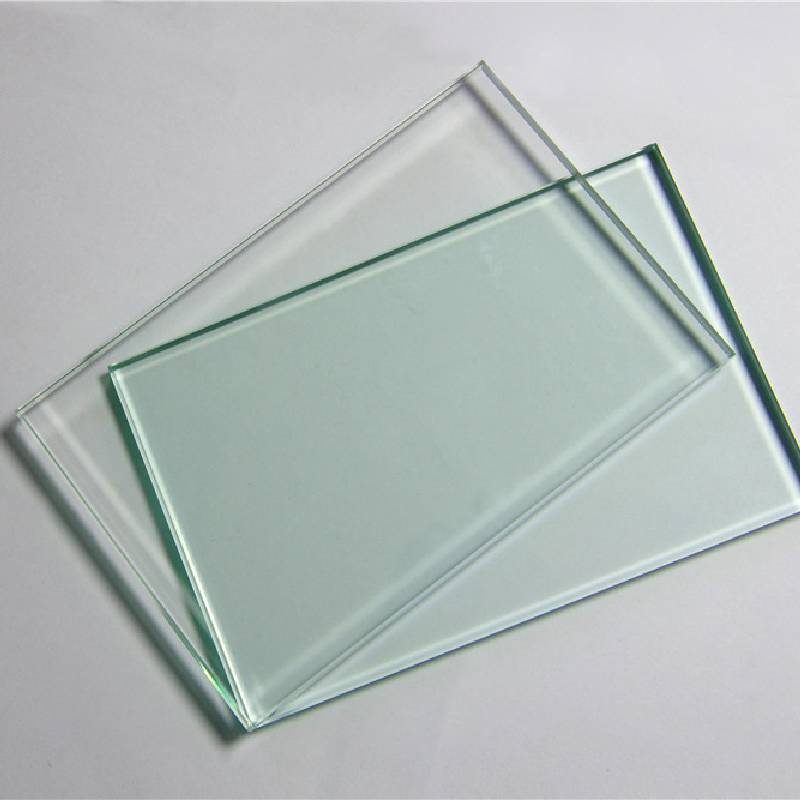
Poland serves as a critical logistics and manufacturing hub in Europe, where the construction sector demands glass that can withstand significant temperature fluctuations between harsh winters and warm summers. This climate necessitates a high reliance on float glass window systems that offer superior thermal insulation and structural integrity.

In urban centers like Warsaw and Kraków, there is a surging trend toward luxury commercial interiors. This has led to an increased adoption of decorative glass, where architects seek materials that combine functionality with a sophisticated aesthetic to define modern workspace identities.

Furthermore, the Polish industrial sector is transitioning toward sustainable "Green Building" certifications. This shift is driving the demand for high-purity float glass that serves as the base for low-emissivity coatings, reducing energy consumption across residential and commercial portfolios.
Evolution of Glass Manufacturing in Poland

From traditional silica smelting to automated precision float lines.

Market Development History

During the late 20th century, the Polish glass industry relied heavily on traditional casting and manual sheet production, focusing primarily on basic utility and industrial glazing with limited precision.

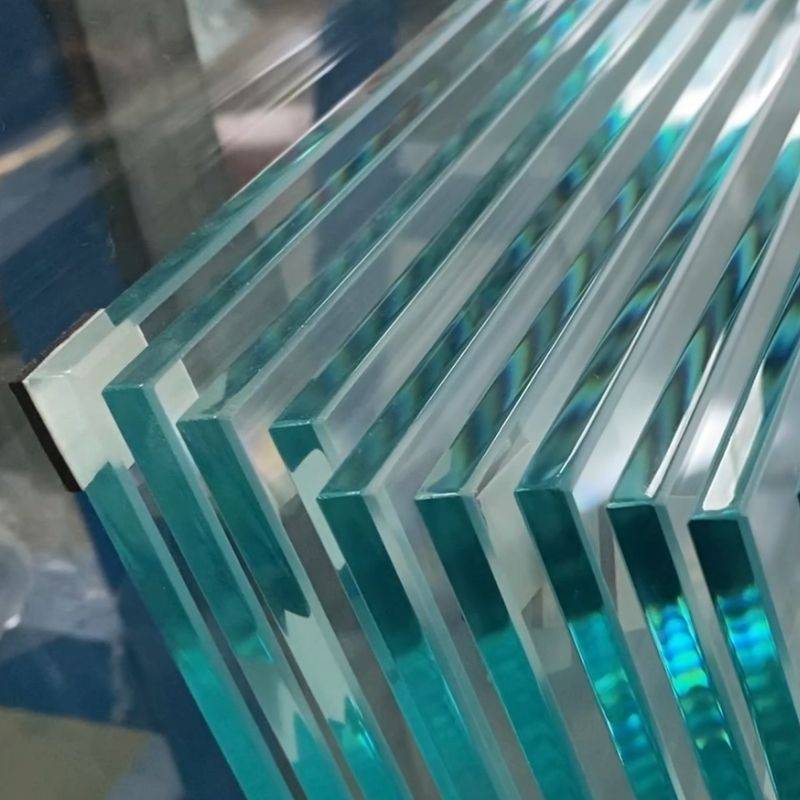
The transition to the modern era began in the early 2000s with the adoption of the Pilkington float process. This technological leap allowed for the mass production of float window glass, ensuring perfectly flat surfaces and uniform thickness for the growing residential window market.

By 2015, the focus shifted toward specialization. The integration of chemical tempering and precision coating technologies enabled the rise of architectural mirrors and specialized tints, catering to the prestige projects in Poland's expanding metropolitan areas.

Future Development Trends

Smart-Glass Integration

The next 3-5 years will see a rise in electrochromic glass that adjusts transparency based on sunlight, integrating seamlessly with existing window frames.

Circular Economy Materials

Google search trends indicate a spike in "recycled glass architecture," leading to a push for higher cullet integration in the float process without compromising clarity.

Ultra-Thin Decorative Surfaces

The demand for lightweight, high-strength glass will grow, allowing for more creative applications of mirrored surfaces in interior design.

Industry Trends and Future Outlook

Navigating the intersection of energy efficiency and architectural luxury.

Thermal Efficiency Push
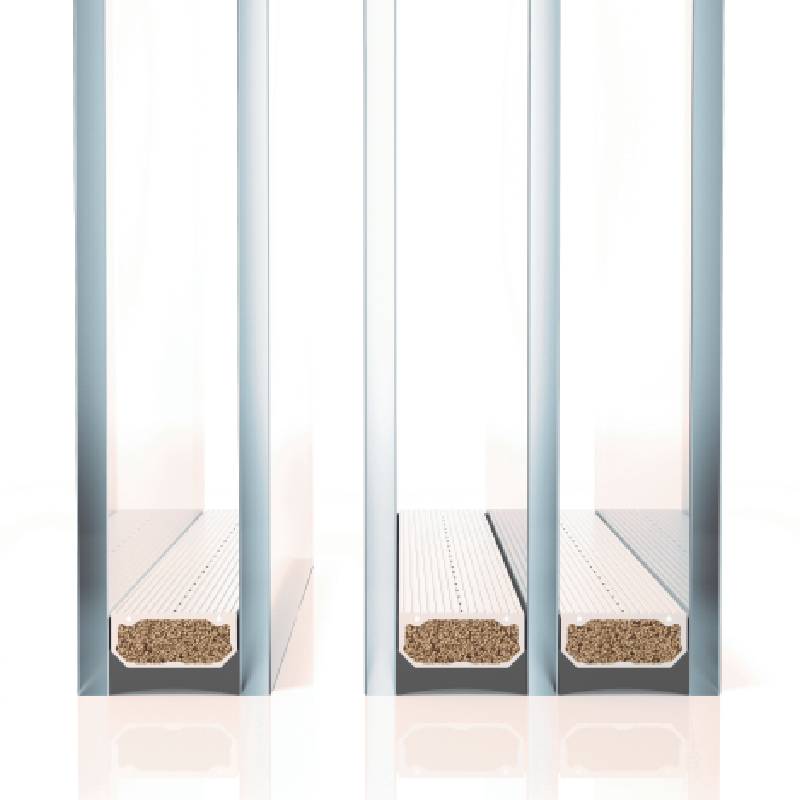
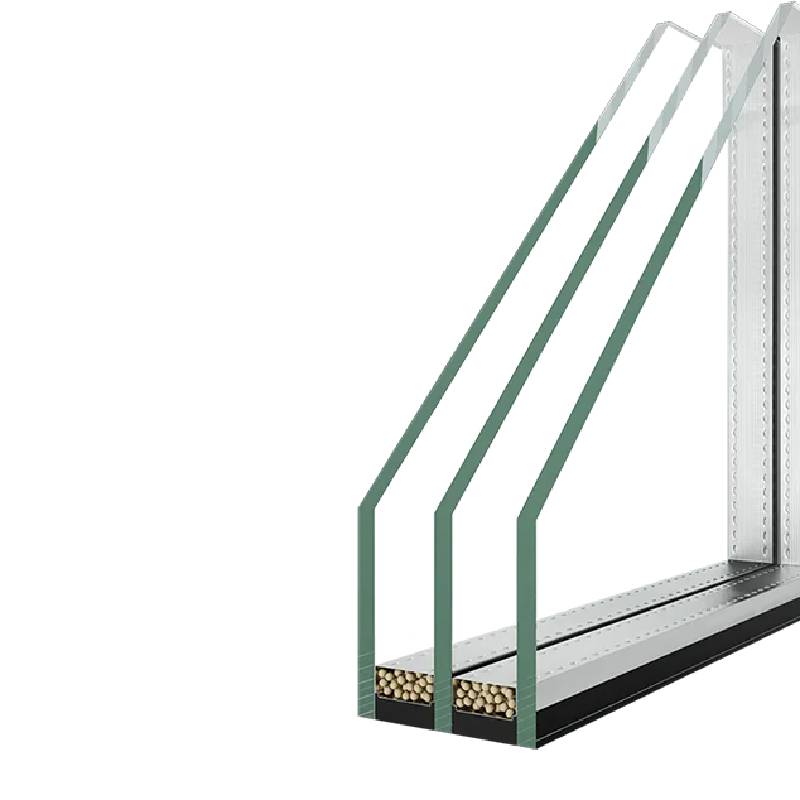
Increasing demand for triple-glazing and Low-E coatings to combat Central European winters.
Aesthetic Diversification
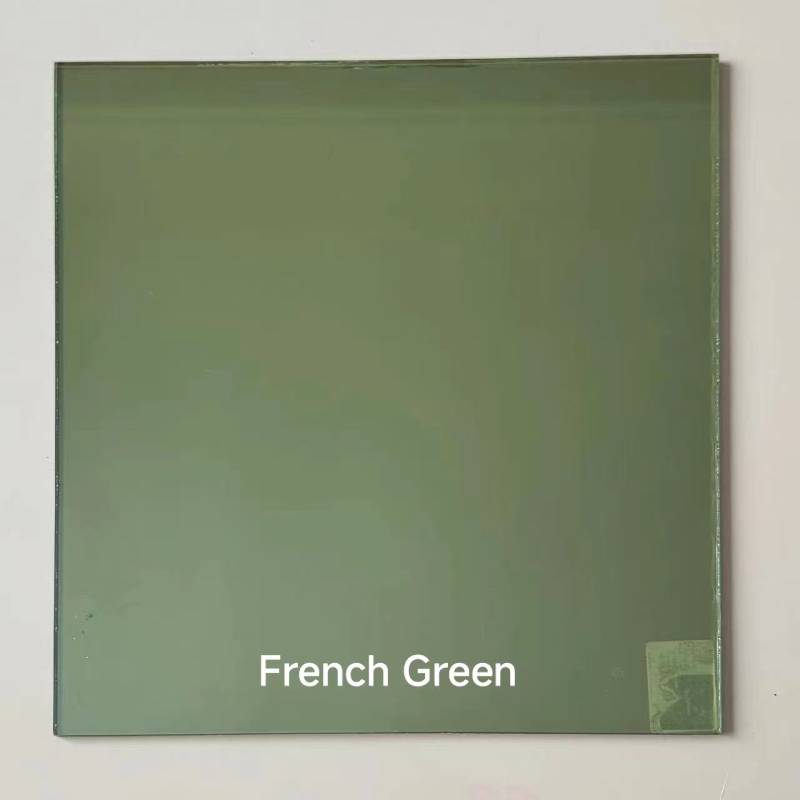
Shift toward tinted and mirrored finishes for high-end retail and hospitality sectors.
Digital Precision Cutting
Adoption of AI-driven CNC cutting to minimize waste and increase production speed.
Eco-Friendly Coating
Development of lead-free and low-VOC coatings for sustainable architectural use.

Industry Outlook

The Polish glass industry is poised for a paradigm shift toward "Intelligent Glazing." As energy costs fluctuate across Europe, the ability to integrate thermal management directly into the glass substrate will become the primary competitive advantage for manufacturers.

We anticipate a strong growth in the custom-order segment, where decorative glass is used not just for aesthetics, but for acoustic dampening in dense urban residential projects, blending luxury with wellness.

Localized Application Scenarios in Poland

Real-world deployments of high-performance glass across various Polish sectors.

1. Warsaw Corporate Skyscrapers

Utilization of high-strength float glass to create seamless curtain walls that offer panoramic views while reflecting solar heat to reduce air conditioning costs during summer peaks.

2. Kraków Historic Renovations

Implementing specialized float window glass that mimics traditional aesthetic proportions while providing modern U-value efficiency to preserve heritage buildings.

3. Luxury Retail in Gdańsk

Deployment of brown mirror glass for boutique storefronts to create a sense of depth and luxury while providing a layer of privacy for high-end clientele.

4. Modern Residential Villas in Wrocław

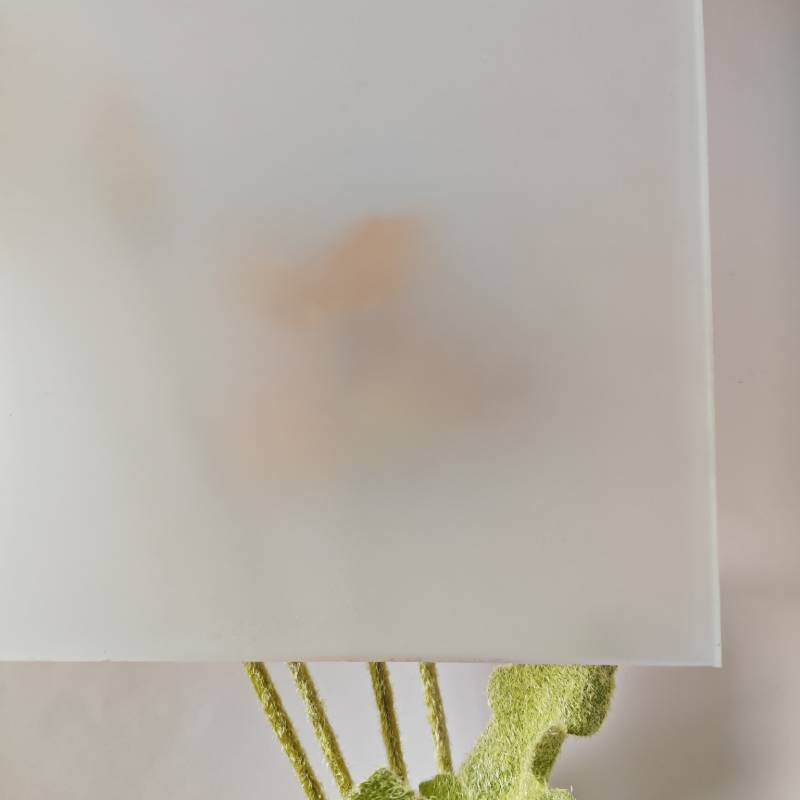
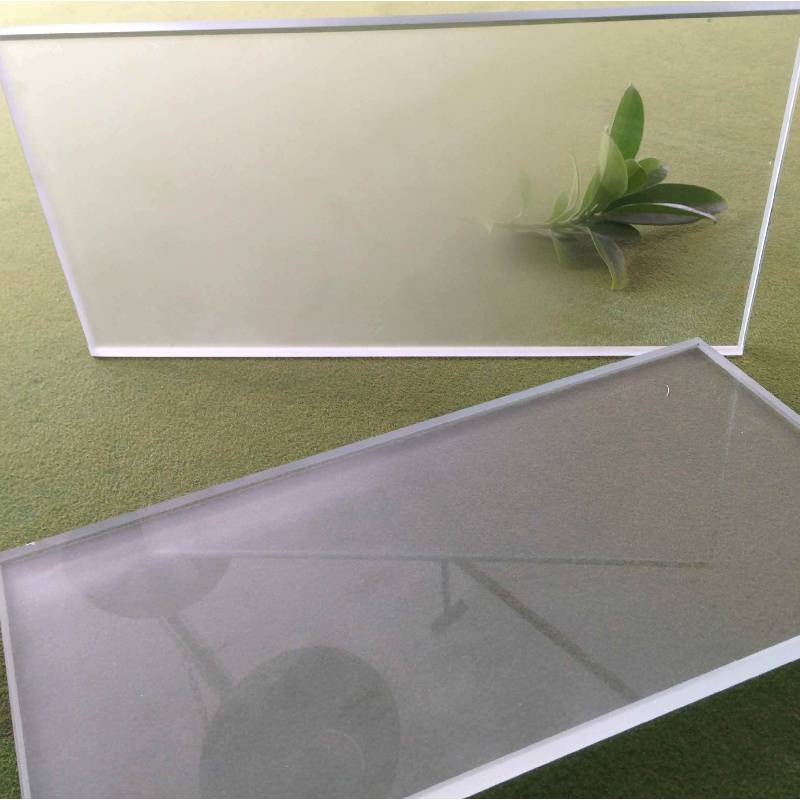
Integration of decorative glass partitions and tempered shower screens that utilize frosted or tinted textures to define open-plan living spaces.

5. Industrial Warehouses in Łódź

Installation of large-scale clear float glass panels for natural lighting in logistics centers, reducing the reliance on artificial light and lowering operational overhead.

Brand Story

Global Development History of Shahe Tptop Glass Products Co., Ltd.

Foundational Excellence

Established with a mission to bridge the gap between raw industrial glass and high-end architectural needs, focusing on precision float technology.

Technological Breakthroughs

Invested in advanced coating lines to produce specialized mirror glass, solving the industry pain point of oxidation and silvering degradation.

European Market Entry

Tailored production standards to meet EU certifications, specifically addressing the thermal and safety requirements of the Polish market.

Sustainable Pivot

Implemented energy-saving furnace technology to reduce the carbon footprint of every square meter of glass produced.

Global Leadership

Now recognized as a leading supplier of architectural glass, empowering architects worldwide to build safer, more beautiful structures.

Comprehensive Glass Portfolio for the Polish Market

From basic industrial float sheets to customized architectural masterpieces.

Common Inquiries Regarding Glass in Poland

Expert answers to technical and logistical questions for the local industry.

What are the advantages of using float glass window systems in Polish winters?

Float glass windows provide superior flatness and airtightness, which, when combined with Low-E coatings, significantly reduce heat loss and prevent condensation during freezing temperatures.

How does brown mirror glass differ from standard silver mirrors in architectural use?

Brown mirror glass offers a warmer, more muted reflection that reduces glare and adds a luxury aesthetic, making it ideal for high-end interiors and exterior facades in urban Poland.

Can decorative glass be tempered for safety in public spaces?

Yes, all our decorative glass options can undergo a thermal tempering process, ensuring that in the event of breakage, the glass shatters into small, blunt pieces, meeting EU safety standards.

What is the typical lead time for custom float window glass orders to Poland?

Depending on the customization level and volume, lead times typically range from 3 to 6 weeks, including precision manufacturing and secure international logistics.

How is float glass handled to prevent scratches during transit to Central Europe?

We use reinforced A-frame crates with interlayer protective foam and moisture-resistant wrapping to ensure the glass arrives in pristine condition regardless of the distance.

Do your decorative glass products comply with Polish environmental regulations?

Absolutely. Our manufacturing processes adhere to strict environmental guidelines, ensuring that our coatings and materials are non-toxic and sustainable for the Polish ecosystem.

Get a Professional Consultation

Partner with a global leader in glass manufacturing to elevate your next project in Poland.

Contact Us Now