

logo

Premium brown mirror glass Solutions for South Africa

Integrating advanced manufacturing precision with South African architectural aesthetics to deliver high-performance glass solutions.

Premium brown mirror glass Solutions for South Africa

We provide high-durability glass products engineered to withstand the unique environmental challenges of the South African climate, from coastal humidity to inland heat.

The State of Glass Manufacturing in South Africa

Analyzing the intersection of infrastructure demand and material science in the Southern African region.

South Africa's glass industry is currently driven by a surge in commercial real estate and a growing demand for energy-efficient building envelopes. The prevalence of high UV radiation across the plateau requires high-quality float glass that can maintain structural integrity while managing solar gain.

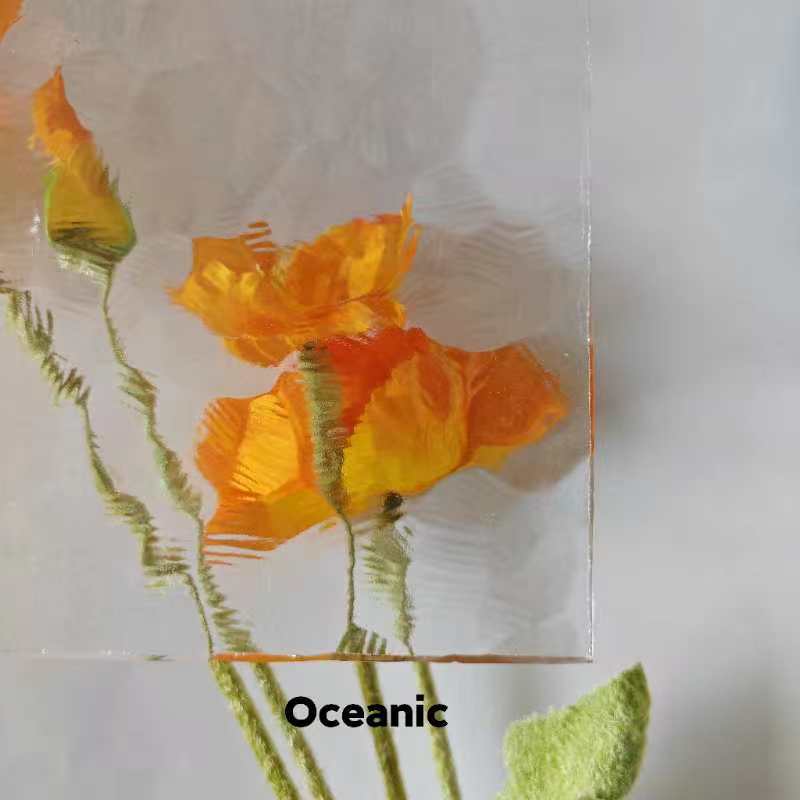
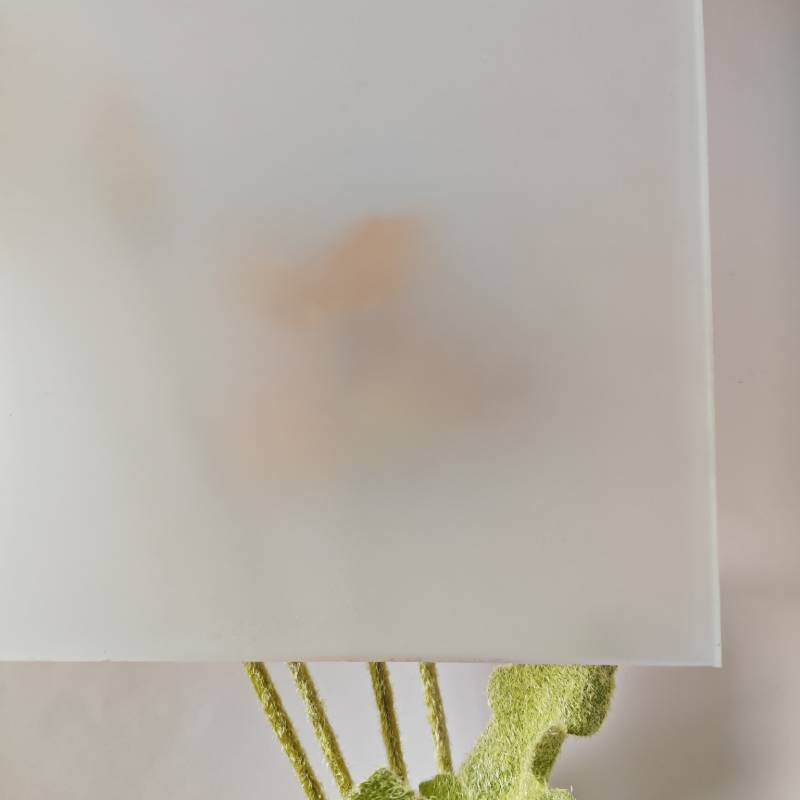
In urban centers like Johannesburg and Cape Town, the architectural shift toward modern minimalism has increased the adoption of decorative glass, blending luxury aesthetics with functional security requirements to meet the specific safety needs of the local market.

However, the industry faces challenges related to energy costs and raw material logistics. This has led to a critical need for optimized supply chains that can deliver consistent float window glass capable of reducing HVAC loads in extreme summer temperatures.
Evolution of Glass Technology in South Africa

From basic silica structures to high-performance architectural coatings.

Market Development History

During the late 20th century, the South African market relied heavily on standard annealed glass. The initial introduction of float glass window technology revolutionized the construction sector by providing uniform thickness and optical clarity, replacing older cylinder methods.

By the early 2010s, the focus shifted toward thermal efficiency. The integration of Low-E coatings and toughened processing allowed for larger spans in commercial facades, catering to the booming corporate districts in Gauteng.

Currently, the market has entered a phase of aesthetic diversification. The demand for tinted and reflective surfaces, such as specialized mirrors, has grown as designers seek to balance privacy with natural light optimization.

Future Development Trends

Smart-Tinting Integration

The next 3-5 years will see a rise in electrochromic glass that adjusts opacity based on South Africa's intense sunlight patterns.

Sustainable Circularity

Google search trends indicate a growing interest in "green building materials" in the region, pushing for higher recycled content in float glass production.

Enhanced Security Glass

Increased demand for laminated and multi-layered glass to enhance safety without compromising the transparency of architectural designs.

Industry Trends & Future Outlook

Navigating the future of non-metallic mineral products in the African landscape.

Energy Efficiency
Focusing on reducing solar heat gain coefficient (SHGC) to lower electricity dependency.
Urbanization Demand
Rapid expansion of mixed-use developments in Cape Town and Durban driving glass consumption.
Digital Precision
Adoption of CNC cutting and automated polishing for complex decorative patterns.
Eco-Coatings
Shift toward lead-free and VOC-compliant coatings for interior glass applications.

Industry Outlook

The trajectory of the South African glass market suggests a strong pivot toward "intelligent" materials. We anticipate a significant increase in the integration of photovoltaic glass, turning windows into energy-generating assets.

Furthermore, the alignment with global E-E-A-T standards ensures that local manufacturers are adopting more rigorous quality certifications to compete in the international export market, focusing on durability and precision.

Localized Application Scenarios in South Africa

Real-world implementations of high-performance glass tailored for regional needs.

01. Luxury Hospitality in Cape Town

Utilization of decorative glass for boutique hotel partitions to maximize coastal light while maintaining acoustic privacy.

02. Commercial Hubs in Sandton

Installing high-spec float window glass in skyscrapers to mitigate the extreme heat of the Gauteng summer.

03. Residential Solar Homes

Integrating energy-efficient float glass in eco-estates to reduce reliance on the unstable national power grid.

04. High-End Retail Interiors

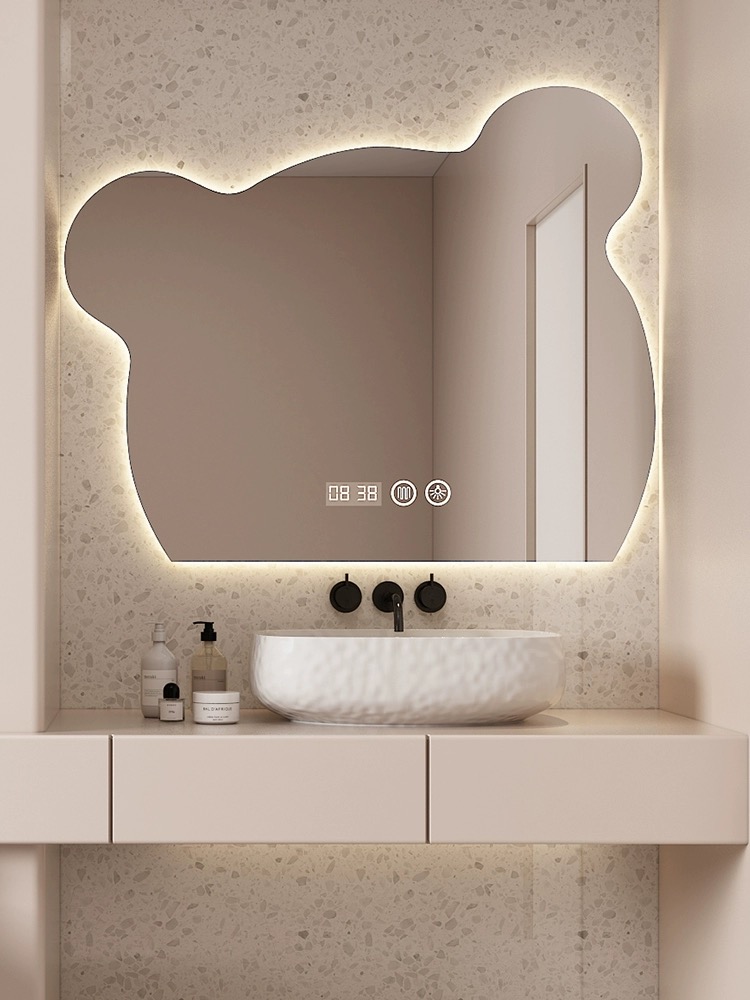
Applying brown mirror glass in luxury showrooms to create depth and a warm, sophisticated atmosphere.

05. Industrial Warehouse Facades

Implementing reinforced float glass window systems in logistics centers for security and natural illumination.

Brand Story

Global Development History of Shahe Top Glass Products Co., Ltd.

Foundational Precision

Established with a commitment to solve the instability of glass thickness in large-scale manufacturing.

Technological Leap

Investment in automated tempering lines to meet international safety standards for architectural glass.

Market Expansion

Expanding operations into the African market, addressing the need for weather-resistant glass solutions.

Innovation Center

Developing proprietary coating techniques for high-reflectivity mirrors and decorative surfaces.

Sustainable Future

Leading the shift toward carbon-neutral production and 100% recyclable glass materials.

Complete Glass Portfolio for South Africa

A curated selection of materials designed for the African architectural landscape.

Common Questions in the South African Market

Expert answers to technical queries regarding glass installation and maintenance.

How does float glass perform under high UV exposure in South Africa?

Our premium float glass is treated to resist degradation and maintain clarity even under extreme UV radiation common in the Southern Hemisphere.

What are the benefits of using brown mirror glass for interior design?

It provides a warm, muted reflection that reduces glare compared to silver mirrors, making it ideal for high-end residential and commercial interiors.

Can float window glass be customized for energy efficiency?

Yes, we offer Low-E coatings and double-glazing options specifically designed to lower the SHGC for South African climates.

Is decorative glass suitable for high-traffic public areas?

By applying tempering and lamination processes, our decorative glass ensures maximum safety and durability for commercial use.

What is the lead time for shipping float window glass to Durban?

We optimize our logistics chain to ensure competitive delivery timelines, coordinating through major South African ports.

How do I maintain the clarity of brown mirror glass over time?

We recommend using non-abrasive, pH-neutral cleaners to prevent scratches and protect the reflective coating from chemical erosion.

Request a Professional Consultation

Our experts are ready to provide tailored glass solutions for your projects in South Africa.

Contact Us Now