
logo

Premium brown mirror glass Solutions for Tanzania Architecture

Integrating high-performance glazing technology with East African aesthetic demands to deliver durability and elegance.

Premium brown mirror glass Solutions for Tanzania Architecture

We provide Tanzania's construction sector with advanced glass manufacturing solutions, specializing in heat-resistant and high-clarity glazing tailored for the tropical climate.

Glass Industry Landscape in Tanzania

Analyzing the intersection of urban growth and material demands in Dar es Salaam and Dodoma.

Tanzania is experiencing a rapid surge in commercial infrastructure. The demand for float glass has shifted from basic residential use to complex architectural facades that must withstand high humidity and intense UV radiation typical of the region.

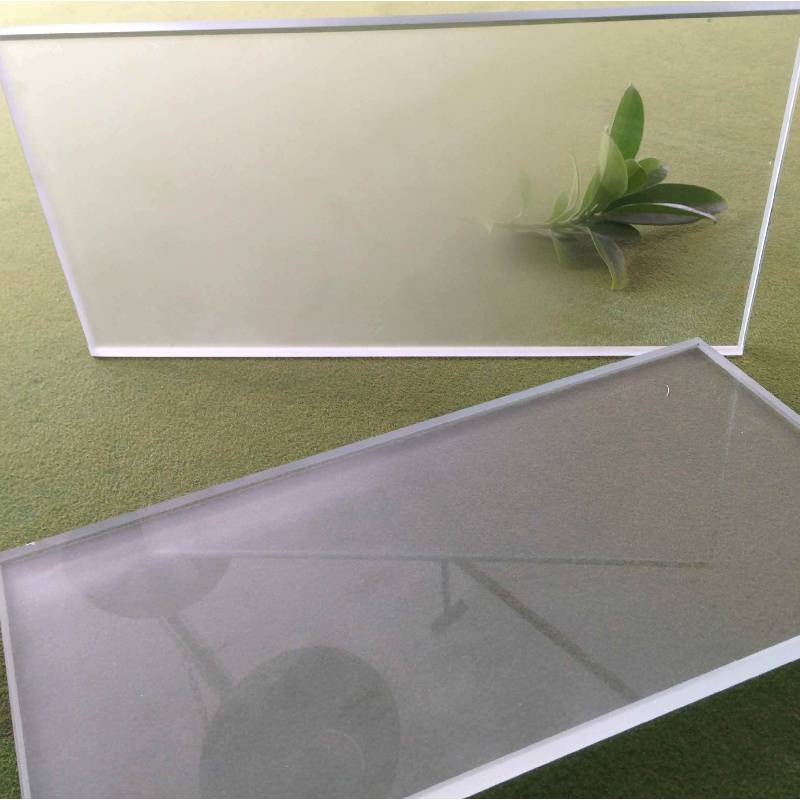
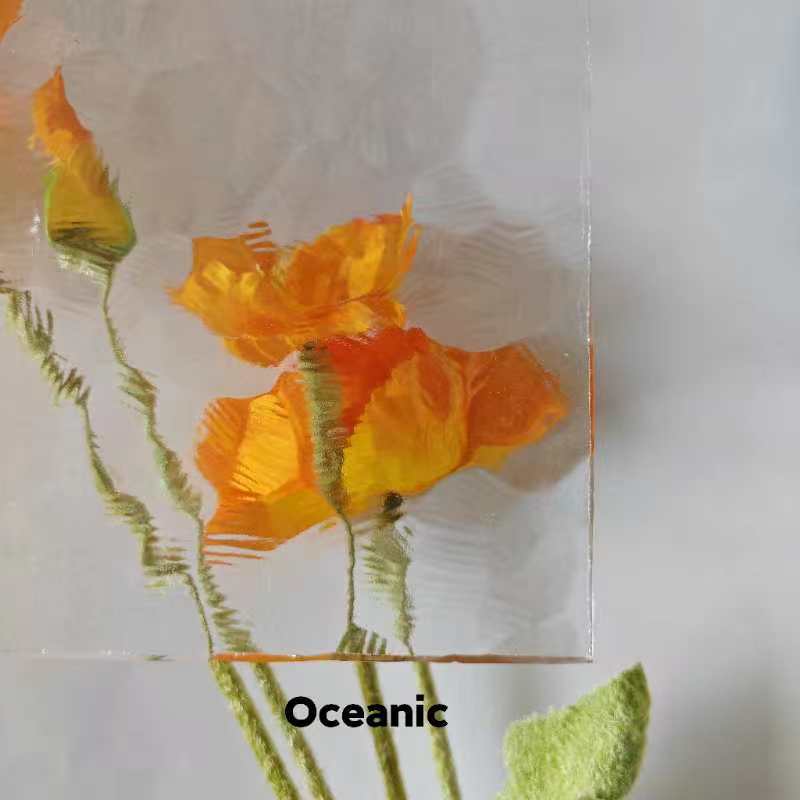
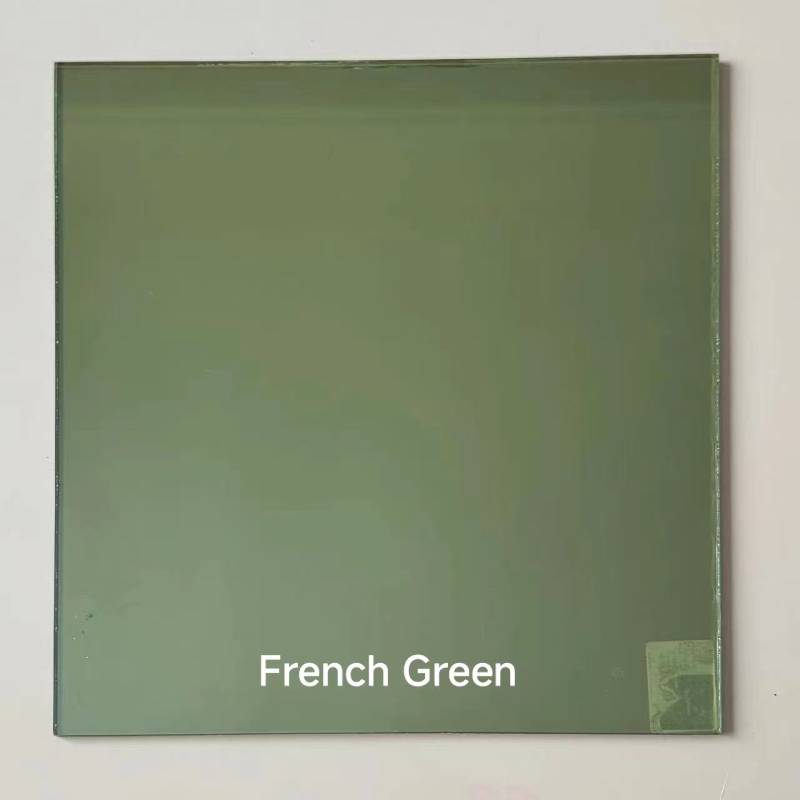
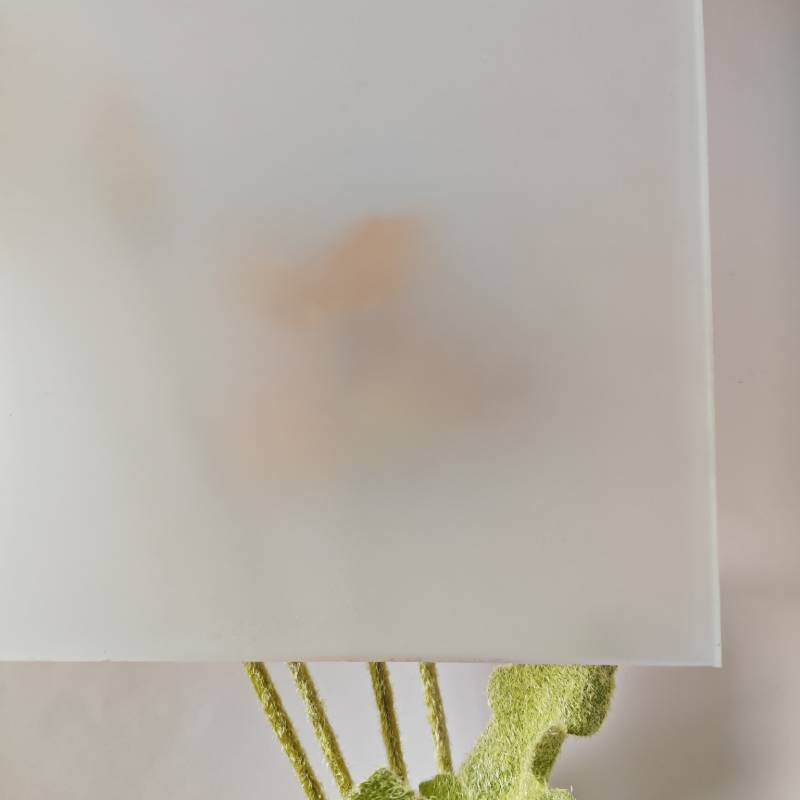
Local contractors are increasingly seeking specialized materials like decorative glass to enhance the visual appeal of luxury hotels and corporate offices, moving away from standard clear panes toward tinted and reflective options.

Despite the growth, the market still faces challenges in sourcing high-grade float glass window components that meet international energy efficiency standards, creating a significant opportunity for premium imports.
Evolution of Glass Technology in Tanzania

From basic silica sheets to high-tech architectural glazing.

Market Development History

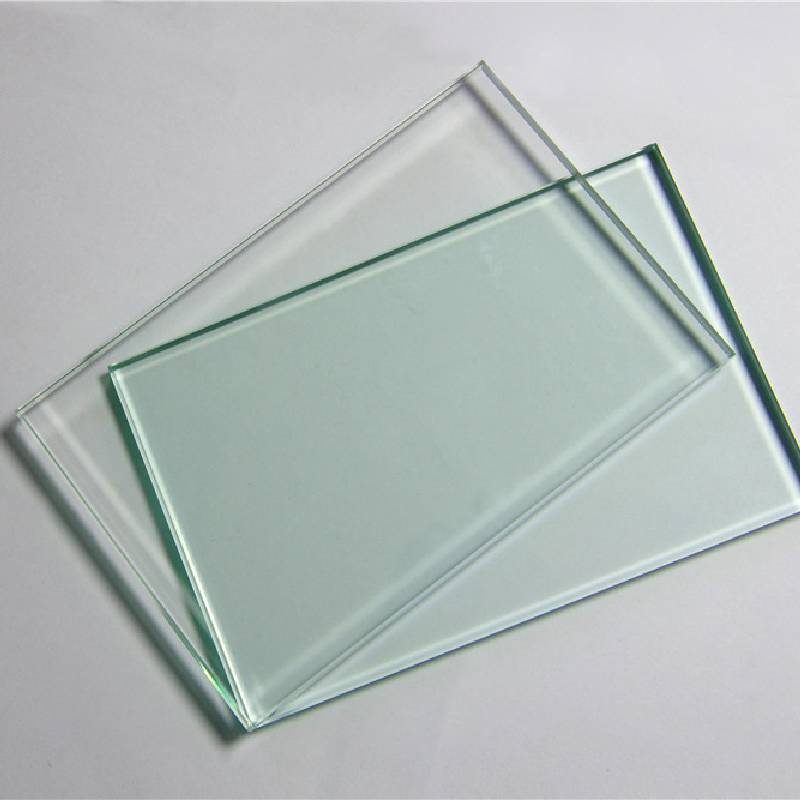
Prior to 2010, the Tanzanian market relied heavily on thick, uneven glass. The introduction of standardized float window glass revolutionized the local window frame industry, allowing for thinner profiles and better light transmission.

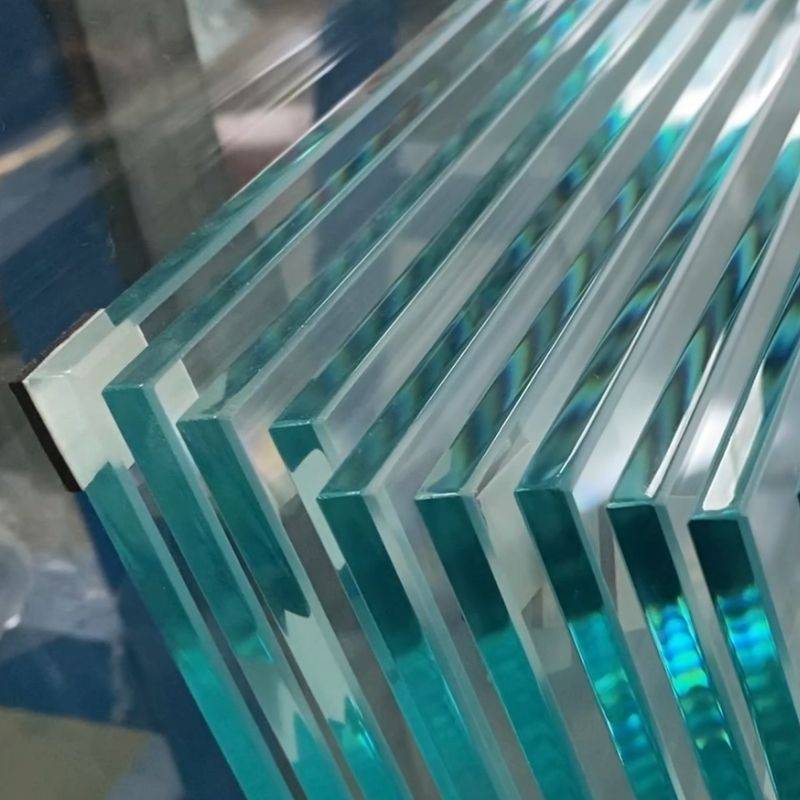
Between 2012 and 2018, there was a noticeable transition toward safety and aesthetics. The adoption of tempered and laminated processes allowed for the proliferation of larger storefronts and safe interior partitions in urban hubs.

From 2019 to the present, the focus has shifted toward solar control. The integration of metal-oxide coatings has enabled glass to reduce internal heat gain, which is critical for reducing air conditioning costs in Tanzania's hot climate.

Future Development Trends

Smart Glass Integration

Expect a rise in electrochromic glass that adjusts transparency based on the Tanzanian sun's intensity, optimizing natural light while blocking heat.

Sustainable Raw Materials

A shift toward recycled cullet in the production of float glass to align with global green building certifications like LEED.

High-Performance Mirror Coatings

Increased demand for advanced vacuum-deposition coatings for mirrors to prevent oxidation in coastal humid environments like Zanzibar.

Industry Outlook & Strategic Projections

Predicting the trajectory of non-metallic mineral products in East Africa.

Energy-Efficient Glazing
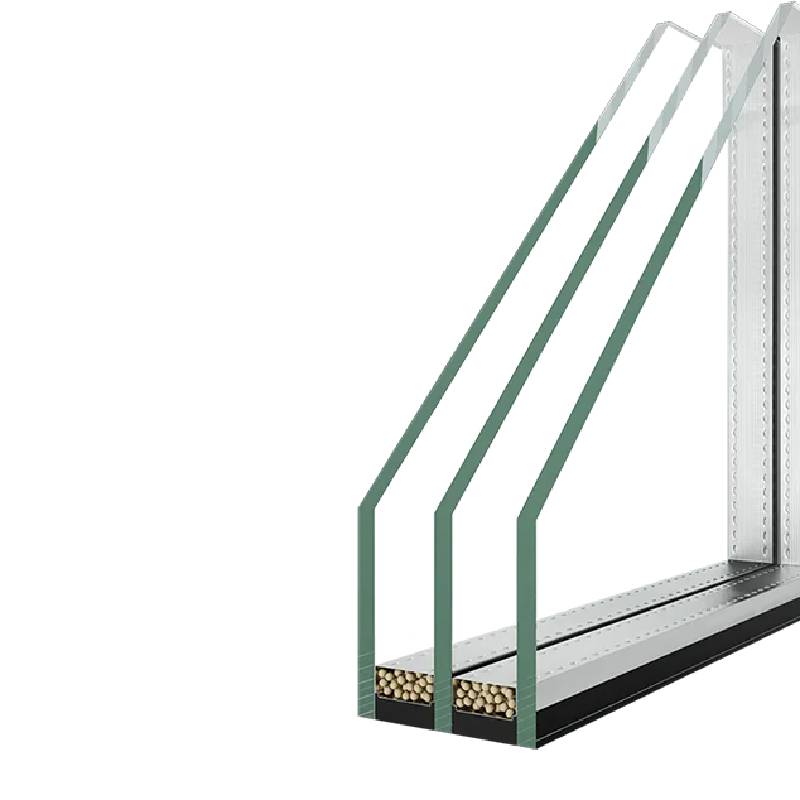
Low-E coatings will become the standard to mitigate the tropical heat in Tanzania's expanding cities.
Urbanization Synergy
Growth in high-rise residential projects driving demand for customized float glass dimensions.
Architectural Branding
Rise of luxury retail spaces requiring bespoke colored mirrors and decorative glass patterns.
Digital Supply Chain
Adoption of B2B digital procurement to streamline float glass imports into the Port of Dar es Salaam.

Industry Outlook

Based on Google search trends for "sustainable building materials in Africa", we predict a 15% annual increase in demand for high-efficiency glazing. Tanzania is positioned to become a regional hub for glass distribution in East Africa.

The shift toward modernism in Dar es Salaam's skyline will necessitate a move from basic clear glass to multifaceted, high-performance architectural solutions that combine security with thermal insulation.

Localized Applications in Tanzania

Real-world implementation of glass solutions across various Tanzanian sectors.

01. Luxury Coastal Resorts in Zanzibar

Implementing large-scale float window glass with anti-corrosion coatings to withstand the salty sea air while maximizing ocean views.

02. Corporate Skyscrapers in Dar es Salaam

Using high-reflectivity float glass to reduce solar heat gain and lower electricity consumption for cooling systems.

03. Boutique Hotels in Arusha

Integrating decorative glass in lobby areas and partitions to create a fusion of modern luxury and local Tanzanian artistry.

04. High-End Residential Villas in Dodoma

Installing tinted mirrors and brown mirror glass in interior design to add depth and warmth to contemporary living spaces.

05. Government Infrastructure Projects

Providing standardized, durable float glass for new administrative buildings, ensuring longevity and ease of maintenance.

Brand Story

Global Development History of Shahe Top Glass Products Co., Ltd.

Foundation and Precision

Established with a commitment to purity, we began by mastering the float process to eliminate distortions in architectural glass.

Technological Diversification

Expanded into colored and mirror glass, solving the industry pain point of uneven coating and peeling in humid climates.

Global Quality Certification

Achieved international ISO standards, enabling us to export high-grade glazing to the demanding markets of East Africa.

Market Specialization

Developed a specialized logistics chain to ensure the safe delivery of oversized glass sheets to Tanzania's major ports.

Vision for Tomorrow

Driving the transition toward "Green Glass," reducing carbon footprints while enhancing urban aesthetics globally.

Complete Glass Product Portfolio for Tanzania

A comprehensive range of non-metallic mineral products for every construction need.

Tanzania Glass Industry FAQ

Addressing common technical and logistical queries for the local market.

How to choose the right float glass window for coastal Dar es Salaam?

For coastal areas, we recommend using tempered float glass with an anti-corrosion coating to prevent salt-air degradation and increase wind load resistance.

What are the benefits of using brown mirror glass in hot climates?

Brown mirror glass effectively absorbs and reflects a significant portion of solar radiation, reducing interior heat and glare while providing privacy.

Can decorative glass be customized for Tanzanian cultural motifs?

Yes, our decorative glass can be processed via CNC cutting, frosting, or digital printing to incorporate local patterns for high-end interior projects.

What is the lead time for float window glass shipments to Tanzania?

Typical lead times include production and sea freight to Dar es Salaam, usually ranging from 30 to 45 days depending on order volume.

Is float glass safe for high-rise buildings in urban centers?

Standard float glass should be thermally toughened or laminated for high-rise applications to ensure safety and structural integrity under pressure.

How do I maintain the clarity of mirrored glass in humid environments?

We use high-grade copper-free silvering which is specifically designed to resist "black edge" oxidation common in high-humidity regions like Tanzania.

Get Expert Glass Consultation

Partner with a global leader to bring high-performance glazing to your next project in Tanzania.

Contact Us Now