


logo

Premium decorative glass Solutions for Chile's Modern Architecture

Integrating advanced optical precision and structural durability to meet the unique seismic and climatic demands of the South American market.

Premium decorative glass Solutions for Chile's Modern Architecture

We provide high-performance glass engineering tailored for the Chilean construction sector, focusing on energy efficiency, aesthetic versatility, and rigorous safety standards.

Glass Manufacturing Landscape in Chile

Analyzing the intersection of geography and industrial glass demand in the Andean region.

Chile's glass industry is heavily influenced by its unique geography, stretching from the arid Atacama Desert to the humid south. The high demand for float glass is driven by a booming urban construction sector in Santiago and Valparaíso, where energy-efficient facades are critical for managing extreme temperature fluctuations.

Due to the high seismic activity in the region, Chilean building codes are among the strictest in the world. This has shifted the market focus toward safety-enhanced float glass window installations that can withstand structural stress while maintaining thermal insulation properties.

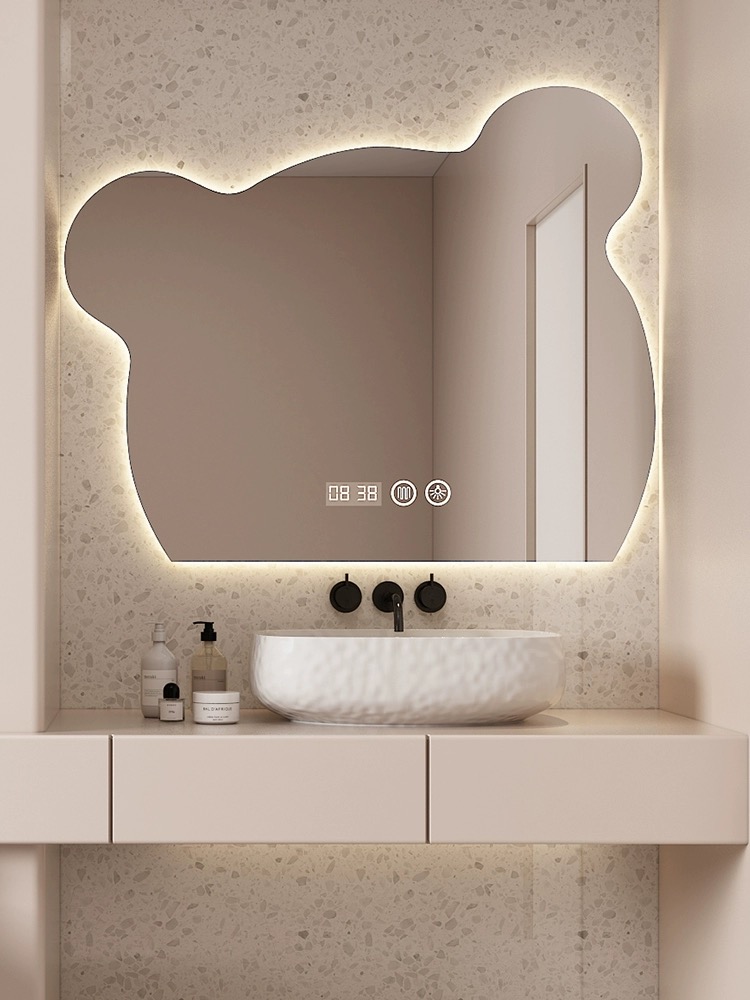
Furthermore, the luxury hospitality and retail sectors in the coastal regions are increasingly adopting brown mirror glass to reduce solar glare and heat gain, blending functional climate control with high-end architectural aesthetics.
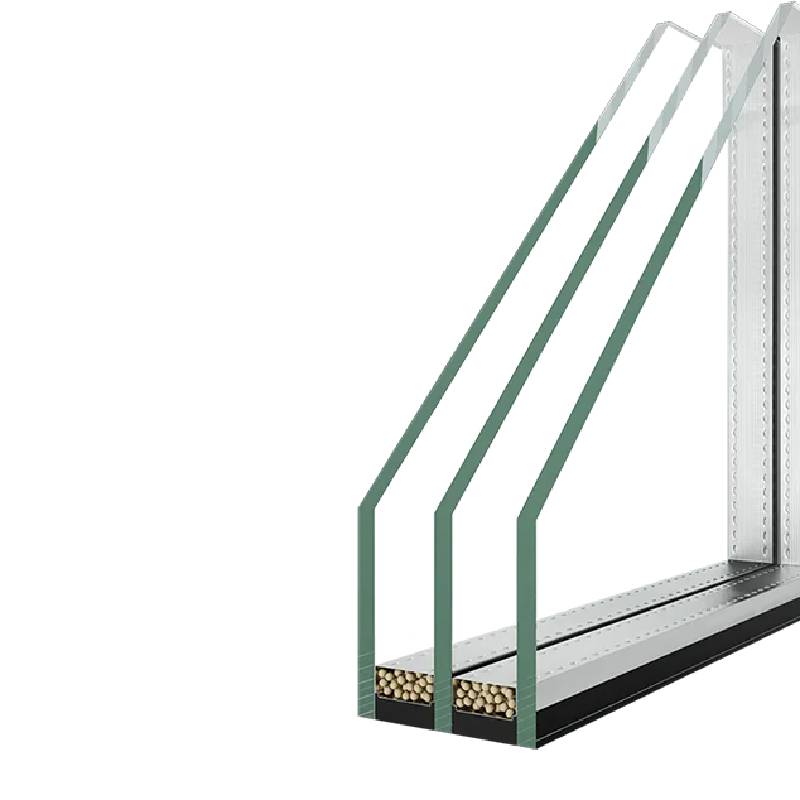

Evolution of Glass Technology in the Chilean Market

From traditional glazing to intelligent, high-performance architectural surfaces.

Market Development History

In the late 20th century, the Chilean market relied primarily on standard single-pane glazing. The transition began around the early 2000s with the widespread adoption of float window glass, which provided better clarity and uniformity for the growing commercial office spaces.

By 2010, the focus shifted toward sustainability. The integration of Low-E coatings and double-glazing units became standard in new developments to comply with emerging energy efficiency regulations, reducing the reliance on HVAC systems in the Central Valley.

From 2018 to the present, there has been a surge in "Emotional Architecture," where decorative glass is used not just for partitioning, but as a primary design element to enhance light diffusion and spatial luxury in residential projects.

Future Development Trends

Smart Adaptive Glazing

Prediction of electrochromic glass adoption to automatically adjust transparency based on the intense UV radiation typical of the Chilean highlands.

Circular Economy Integration

Increasing demand for recycled cullet in the manufacturing of float glass to meet Chile's "Circular Economy Roadmap 2040" goals.

Seismic-Resilient Framing

Development of integrated glass-polymer composites that allow windows to flex during tectonic movements without shattering.

Industry Trends and Future Outlook

Strategic forecasting for the non-metallic mineral products sector in South America.

Thermal Efficiency Maxima
Driving the shift toward argon-filled units to combat Chile's diverse climatic zones.
UV Radiation Control
Implementing specialized tints to protect interiors from high-altitude solar intensity.
Seismic Safety Glass
Advanced tempering processes to minimize fragmentation risk during earthquakes.
Aesthetic Customization
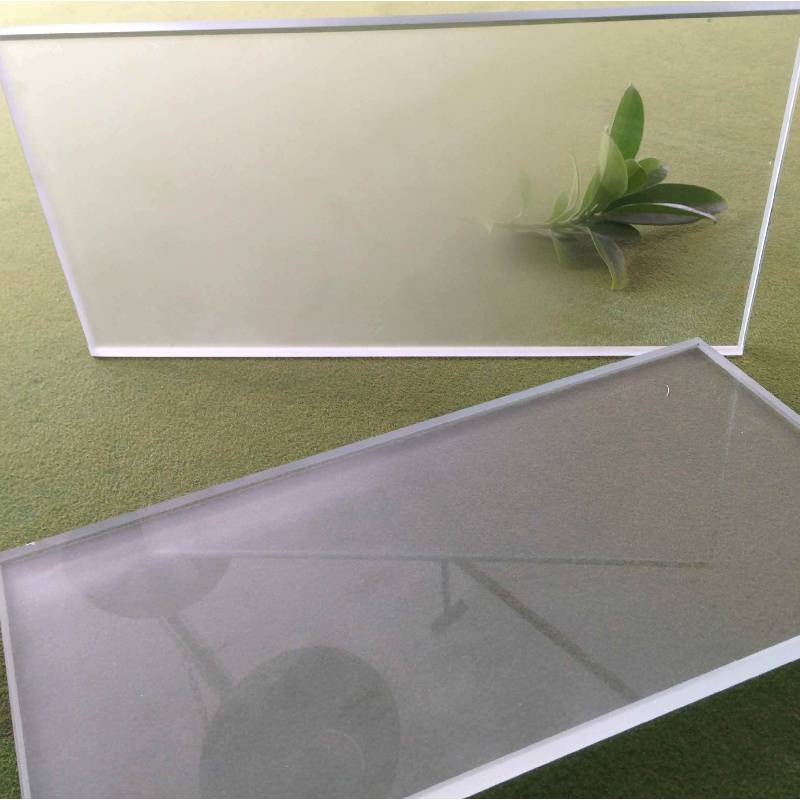
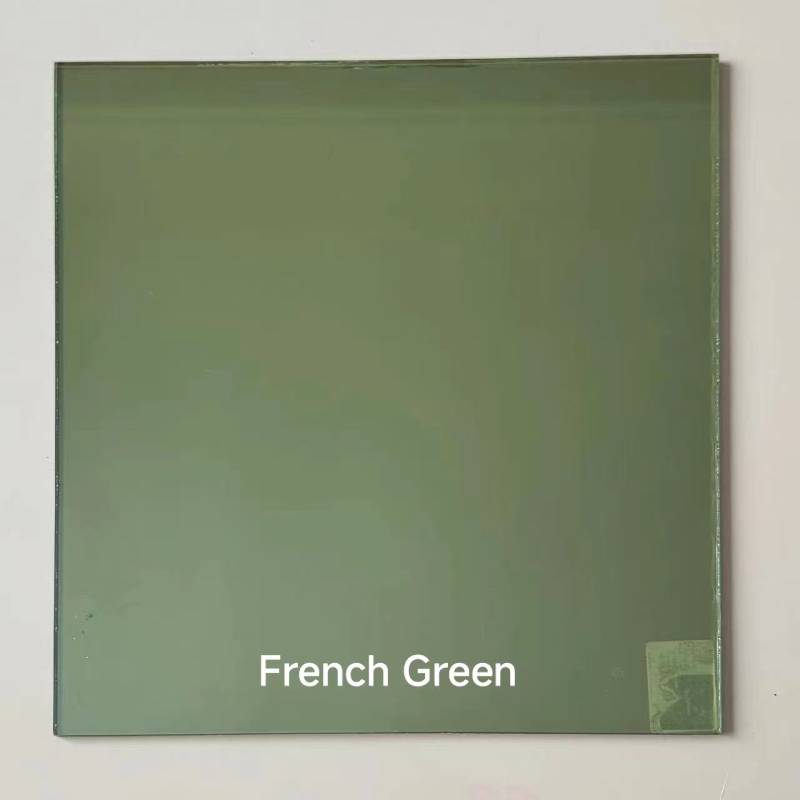
Growth in bespoke colored and frosted glass for the luxury hospitality market.

Industry Outlook

Based on Google search trends in South America, there is a marked increase in queries regarding "sustainable building materials" and "energy-saving windows" within Chile. This suggests that the market is moving away from purely aesthetic choices toward high-performance functional glazing.

We anticipate that the next 3-5 years will see a convergence of IoT and glass technology, where smart windows integrate with building management systems to optimize natural lighting and internal climate, significantly reducing the carbon footprint of urban skyscrapers in Santiago.

Localized Application Scenarios in Chile

Practical deployments of professional glass solutions across diverse Chilean environments.

1. High-Rise Corporate Offices in Santiago

Utilizing high-transparency float window glass combined with reflective coatings to maximize natural light while blocking the intense midday heat of the capital.

2. Luxury Coastal Resorts in Viña del Mar

Installation of brown mirror glass for exterior balconies and facades to provide privacy and reduce the salt-spray glare from the Pacific Ocean.

3. Boutique Hotels in the Atacama Region

Applying heavy-duty float glass with reinforced UV filters to protect interior furnishings from the world's highest solar radiation levels.

4. Modern Residential Interiors in Concepción

Implementation of decorative glass partitions and shower enclosures to create an open-concept feel while maintaining acoustic privacy.

5. Industrial Warehouses in San Antonio Port

Deploying thick, tempered float glass for safety windows and partitions that can withstand high-pressure industrial environments and heavy vibrations.

Brand Story

Global Development Journey of Shahe Tptop Glass Products Co., Ltd.

Founding Vision

Established with a commitment to solve the fragility and impurity issues in architectural glass, focusing on high-precision float processes.

Technical Breakthrough

Developed proprietary tempering and coating technologies that significantly improved the thermal stability of commercial glass windows.

Global Expansion

Expanded operations into the South American market, adapting product specifications to meet the rigorous seismic codes of Chile.

Sustainability Pivot

Invested in green manufacturing lines to reduce carbon emissions and increase the use of recycled materials in float glass production.

Industry Leadership

Now recognized as a leading provider of specialized decorative and functional glass solutions for global architectural landmarks.

Comprehensive Glass Portfolio for the Chilean Market

A curated selection of high-performance glazing solutions engineered for South American standards.

Chilean Glass Industry FAQ

Expert answers to common technical and regulatory questions in the local glass sector.

How does float glass perform in seismic zones like Santiago?

Standard float glass is brittle, but when processed into tempered or laminated safety glass, it provides the necessary structural flexibility and safety fragmentation required by Chilean seismic building codes.

What is the best float glass window specification for Atacama's UV levels?

We recommend double-glazed units with a high-performance Low-E coating and a specialized UV-blocking interlayer to prevent interior fading and reduce heat gain.

Can brown mirror glass reduce electricity costs for commercial buildings?

Yes, by reflecting a significant portion of solar infrared radiation, brown mirror glass reduces the solar heat gain coefficient (SHGC), lowering the energy required for air conditioning.

What makes decorative glass suitable for high-end hotels in Viña del Mar?

Our decorative glass offers a blend of privacy, light diffusion, and luxury aesthetics, which are essential for the high-end tourism and hospitality architecture in coastal regions.

What is the difference between float window glass and tempered glass?

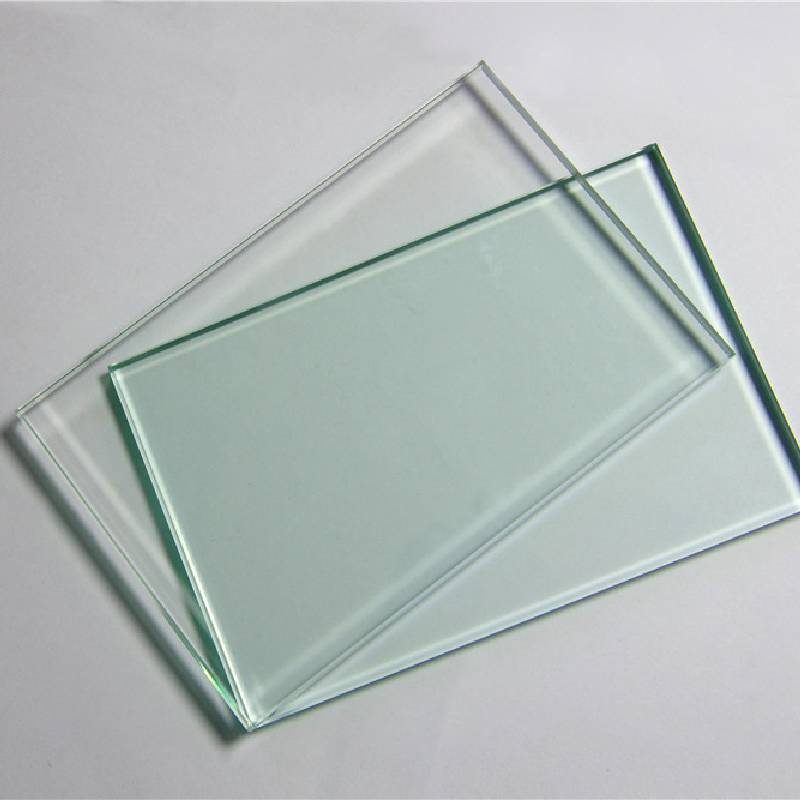
Float window glass is the base annealed glass. Tempered glass is float glass that has undergone a thermal or chemical treatment to increase its strength and safety characteristics.

Are these glass products compliant with Chilean environmental norms?

Yes, our manufacturing processes align with international ISO standards and are designed to support Chile's goals for energy efficiency and sustainable urban development.

Get a Professional Consultation

Contact our technical engineering team for bespoke glass solutions tailored to the specific architectural requirements of Chile.

Contact Us Now