
logo

Premium Decorative Glass Solutions for Danish Architecture

Integrating sustainable energy efficiency with Scandinavian minimalist aesthetics through high-performance glass engineering.

Premium Decorative Glass Solutions for Danish Architecture

We provide high-precision glass manufacturing tailored for the Danish market, combining the clarity of float glass with cutting-edge thermal insulation and artistic finishes.

The Landscape of Glass Manufacturing in Denmark

Balancing Northern European climate demands with strict carbon neutrality goals.

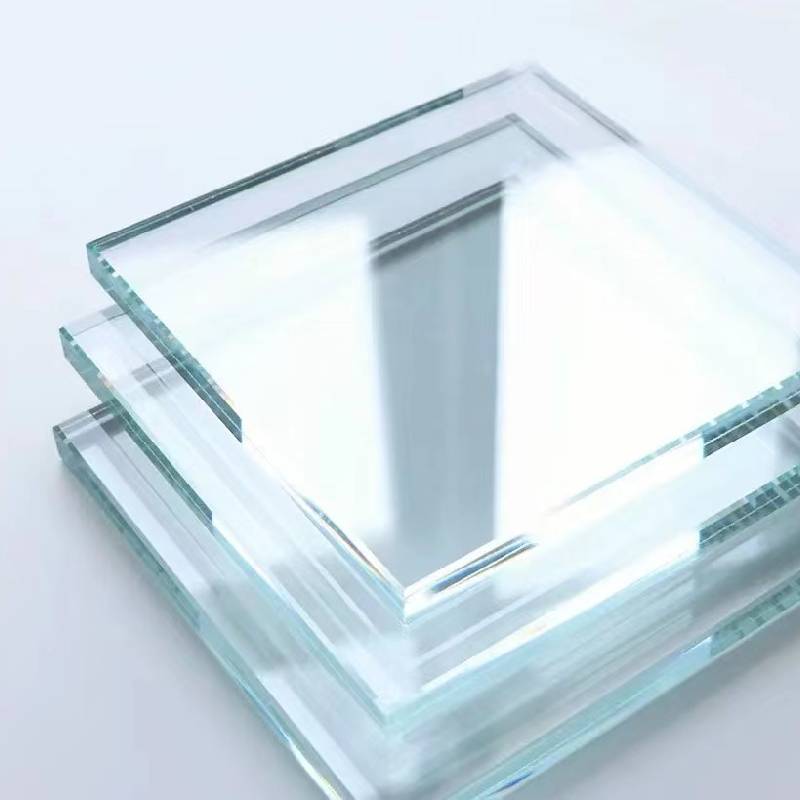
Denmark's architectural landscape is defined by a commitment to "Hygge" and sustainability. In this environment, the demand for high-quality float glass window systems is driven by the need to maximize natural light during dark winters while maintaining rigorous heat retention standards.

The local market is currently shifting toward circular economy principles. Manufacturers are no longer just providing raw materials but are optimizing the life cycle of float window glass to ensure it meets the EU's strict energy efficiency directives (EPBD).

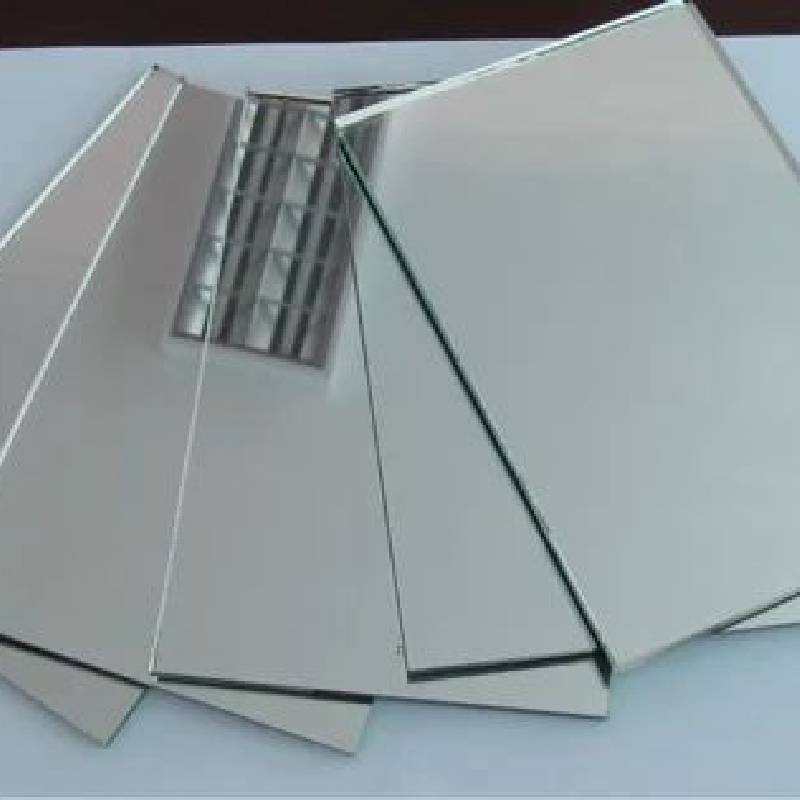
Furthermore, the Danish interior design sector has seen a surge in the use of specialized finishes. From luxury hotels in Copenhagen to residential villas in Aarhus, the integration of brown mirror glass has become a trend for creating warmth and depth in minimalist interiors.
Evolution of Glass Technology in the Nordic Region

From traditional smelting to AI-driven precision coating.

Market Development History

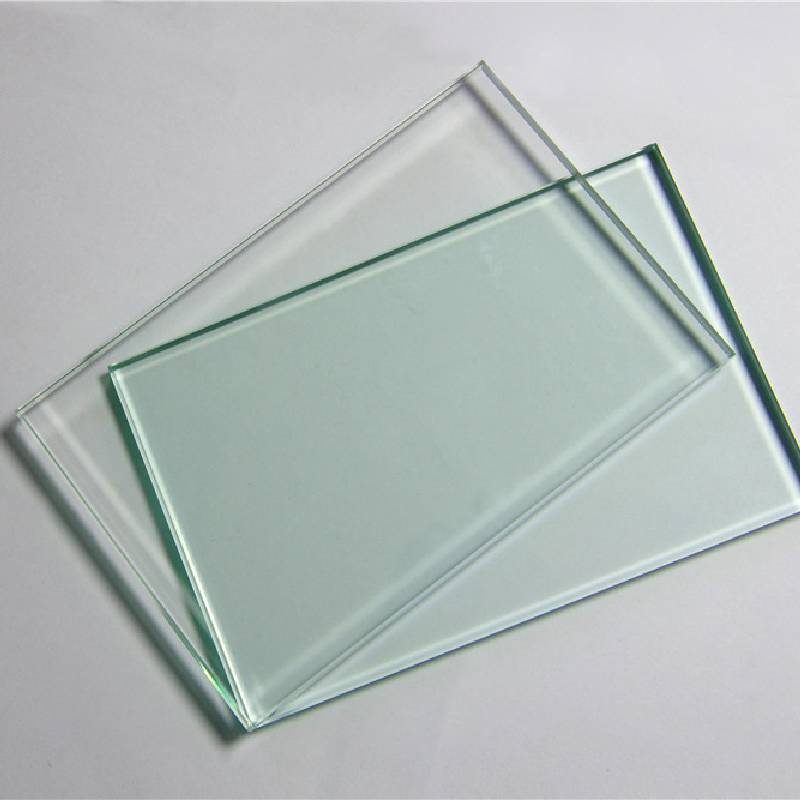
In the mid-20th century, the Danish glass market relied on standard annealed glass with limited thermal properties. The introduction of industrial-scale float glass production revolutionized the industry, allowing for perfectly flat, distortion-free sheets for large-scale facades.

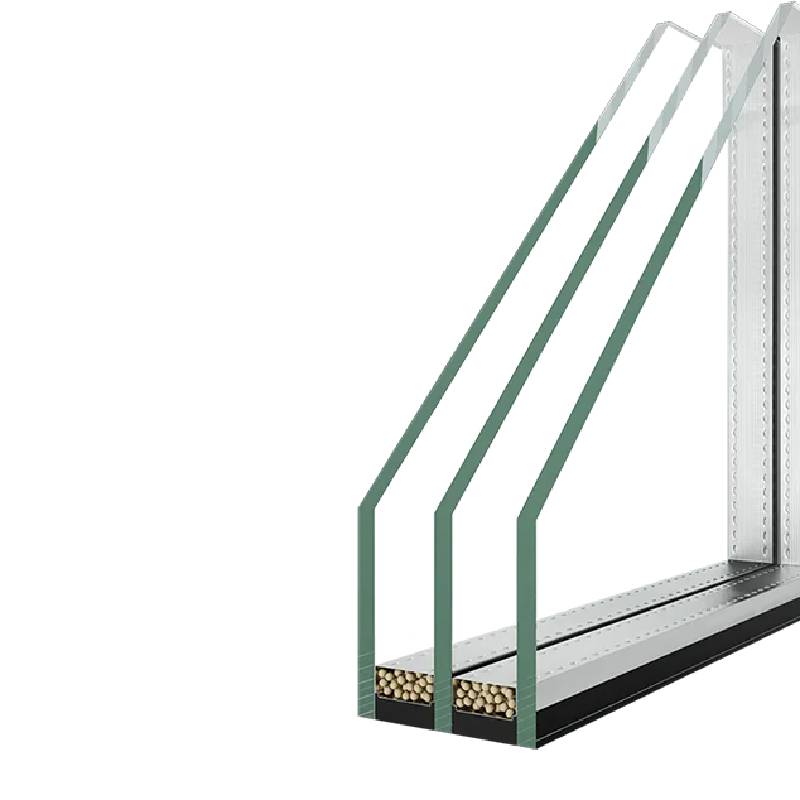
By the 1990s, the focus shifted toward "Low-E" coatings. This era marked the transition from simple transparency to functional engineering, where windows were redesigned to reflect infrared light, drastically reducing heating costs in Denmark's cold maritime climate.

Entering the 2010s, the trend evolved toward aesthetic versatility. The rise of architectural branding led to the widespread adoption of decorative glass, integrating frosting, tinting, and digital printing directly into the glass substrate.

Future Development Trends

Vacuum Insulated Glass (VIG)

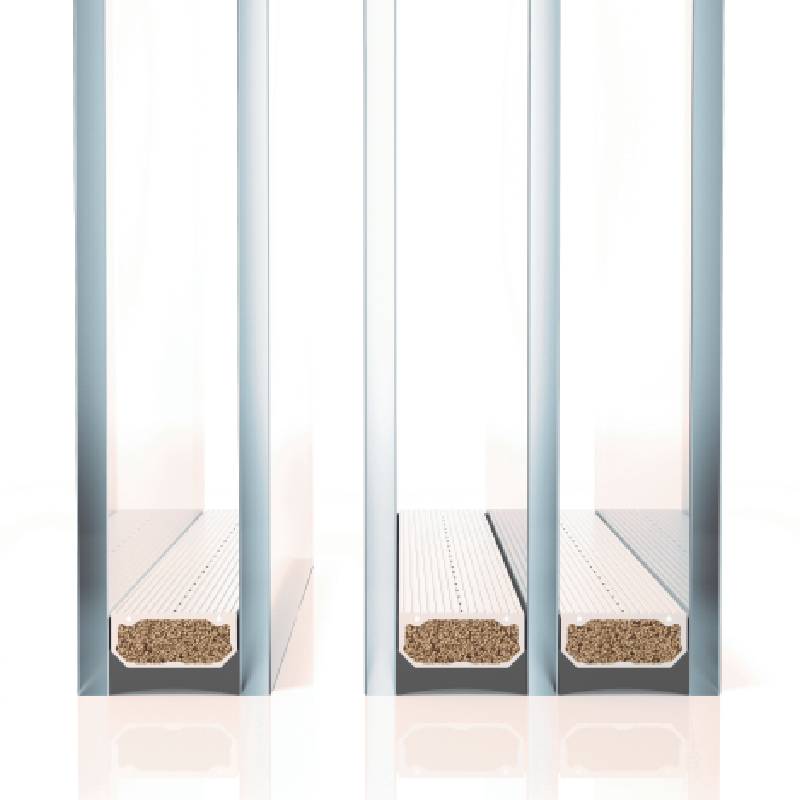
Moving toward thinner profiles with the insulation value of triple-glazing to suit the renovation of historic Danish buildings.

Dynamic Smart Tinting

Integration of electrochromic layers that allow users to change transparency based on sunlight intensity, reducing HVAC loads.

Bio-based Coating Materials

Replacing traditional chemical coatings with organic, biodegradable alternatives to align with Denmark's 2030 green transition goals.

Industry Trends and Future Outlook

Predicting the next frontier of glass engineering through Google search data and climate logic.

Carbon-Neutral Smelting
Shift toward hydrogen-powered furnaces to eliminate CO2 emissions in the production of base float glass.
BIPV Integration
Building-Integrated Photovoltaics where windows generate solar energy without sacrificing transparency.
AI-Optimized Coatings
Using machine learning to create nano-coatings that adapt to specific latitude solar angles in Denmark.
Circular Recycling
Closed-loop systems that reclaim and re-smelt old architectural glass into new premium sheets.

Industry Outlook

Based on search trends, there is a growing appetite in Northern Europe for "Passive House" certifications. This will drive the demand for hyper-insulated glass units that can replace traditional walls without compromising the aesthetic of open-plan living.

The future of the industry lies in the convergence of material science and digitalization. We expect the "smart window" segment to grow by 15% annually as Denmark integrates more IoT devices into urban building management systems.

Localized Application Scenarios in Denmark

Real-world implementations of advanced glass solutions across Danish sectors.

01. Copenhagen Waterfront Commercial Hubs

Utilization of high-strength float window glass for expansive curtain walls that withstand strong Baltic sea winds while optimizing natural light.

02. Aarhus Contemporary Art Galleries

Application of bespoke decorative glass partitions to create semi-private exhibition zones without interrupting the visual flow of the gallery.

03. Luxury Residential "Hygge" Interiors

Integrating brown mirror glass in living rooms and hallways to reflect soft lighting and create a warm, cozy atmosphere during winter months.

04. Odense Sustainable Office Parks

Deployment of energy-efficient float glass window arrays designed to meet LEED Platinum standards and reduce carbon footprints.

05. Billund Airport Infrastructure

Implementing large-scale, safety-tempered glass surfaces that combine durability with the high clarity required for transit hubs.

Brand Story

The Global Development Journey of Shahe TP Top Glass Products Co., Ltd.

Foundational Precision

Established with a vision to solve the inconsistency of glass flatness, we perfected our initial float process to serve demanding industrial clients.

Technological Leap

We expanded our R&D into specialized coatings, overcoming the challenge of thermal leakage in extreme climates.

Global Expansion

By entering the European market, we adapted our standards to meet the highest EU certifications for safety and energy.

Aesthetic Innovation

We launched our decorative series, bridging the gap between industrial glass strength and high-end interior design.

Sustainable Future

Our current mission is the "Green Glass" initiative, focusing on 100% recyclable materials for a zero-waste future.

Complete Glass Portfolio for the Danish Market

From structural foundations to artistic finishing touches.

Frequently Asked Questions - Denmark Glass Solutions

Expert answers to technical and logistical queries.

How does float glass window efficiency vary in Danish winters?

Our windows utilize multi-layered Low-E coatings that reflect internal heat back into the room, maintaining warmth even when outside temperatures drop below zero.

Can decorative glass be customized for specific architectural styles in Copenhagen?

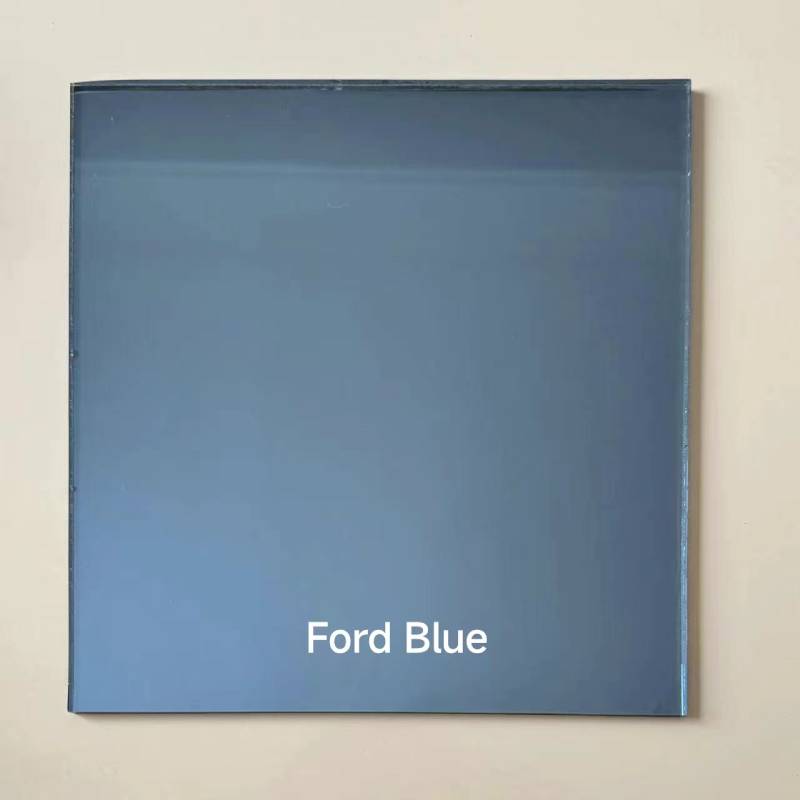
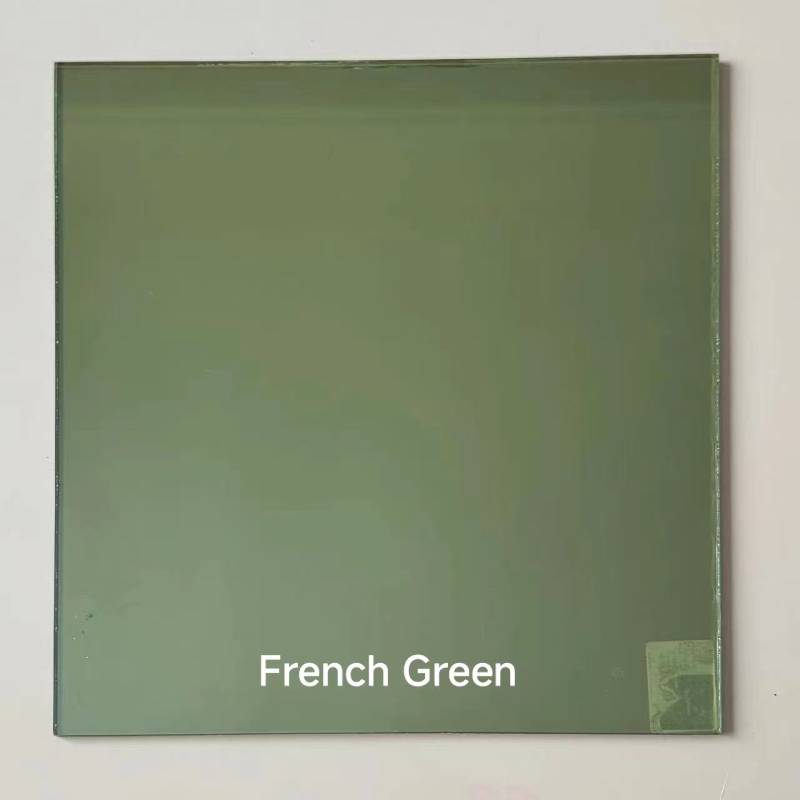
Yes, we provide custom frosting, tinting, and pattern engraving to align with both historical neoclassical and modern Scandinavian design principles.

What are the benefits of using brown mirror glass in residential spaces?

Brown mirror glass provides a warm tonal reflection that reduces the "coldness" of large glass surfaces, enhancing the Hygge feel of a home.

Is float window glass compatible with aluminum frames common in Denmark?

Absolutely. Our glass is precision-cut to ensure a seamless fit with high-grade aluminum profiles, preventing air leakage and moisture infiltration.

What is the lead time for shipping large-scale float glass to Denmark?

Depending on the volume and customization level, our streamlined logistics typically deliver to Danish ports within 3-5 weeks.

Are your decorative glass products compliant with EU safety standards?

Yes, all our products undergo rigorous testing to comply with CE marking and EN safety standards for tempered and laminated glass.

Ready to Transform Your Space?

Contact our expert engineering team for a tailored consultation on high-performance glass solutions in Denmark.

Contact Us Now