



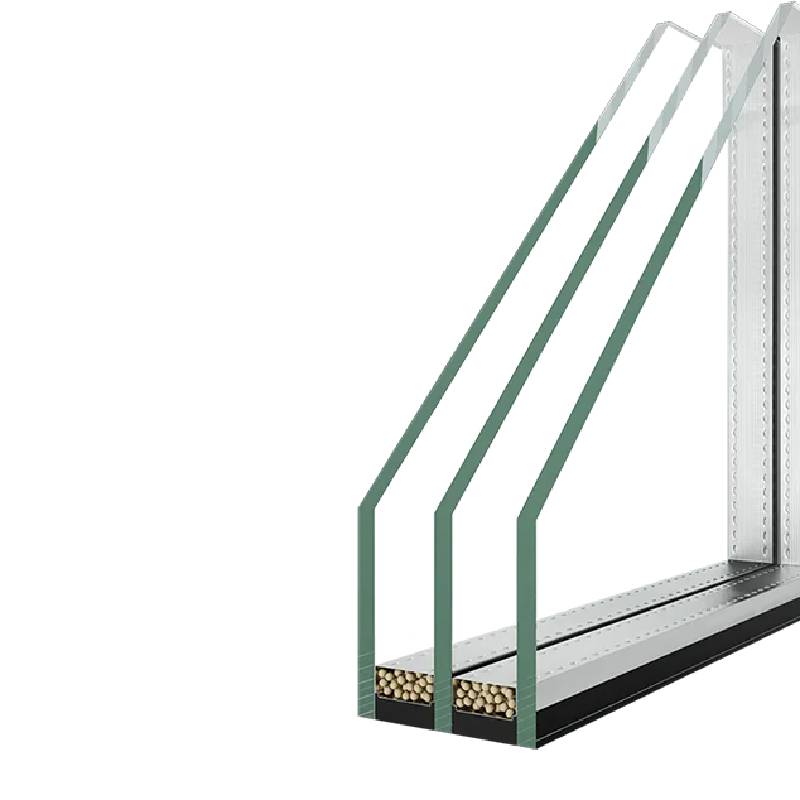
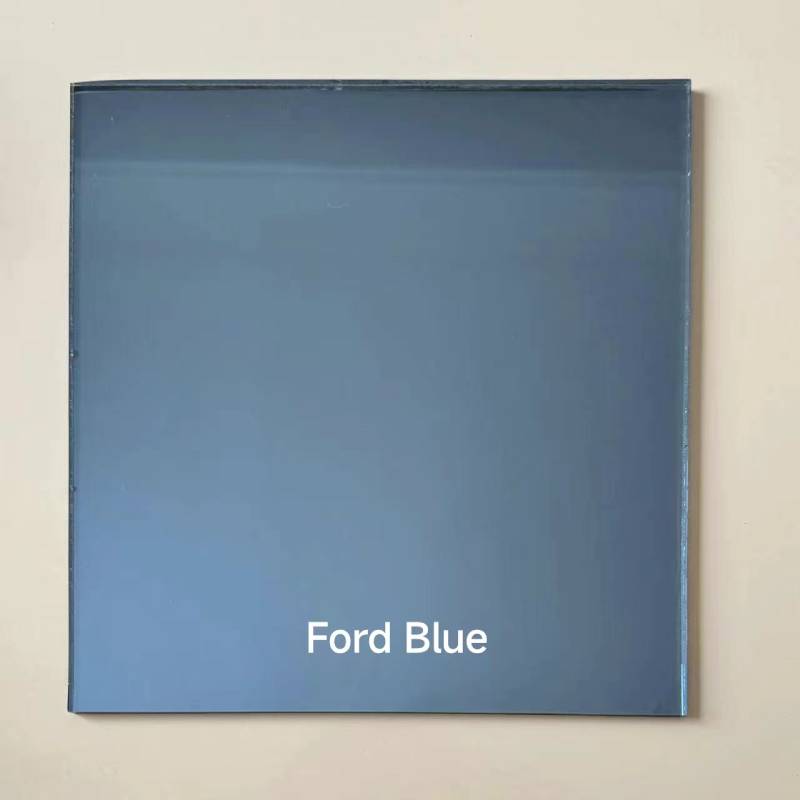
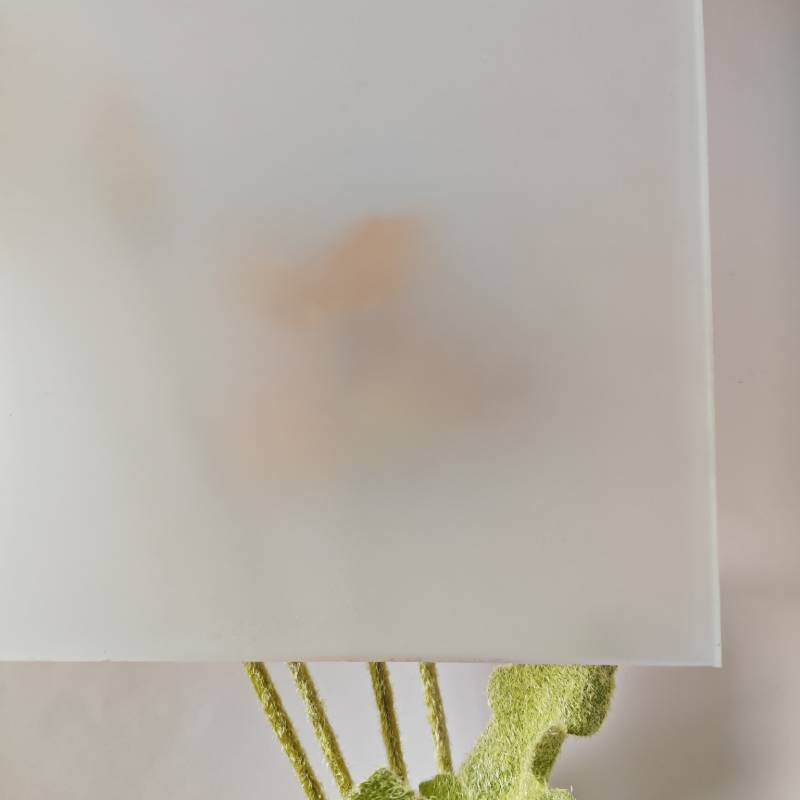
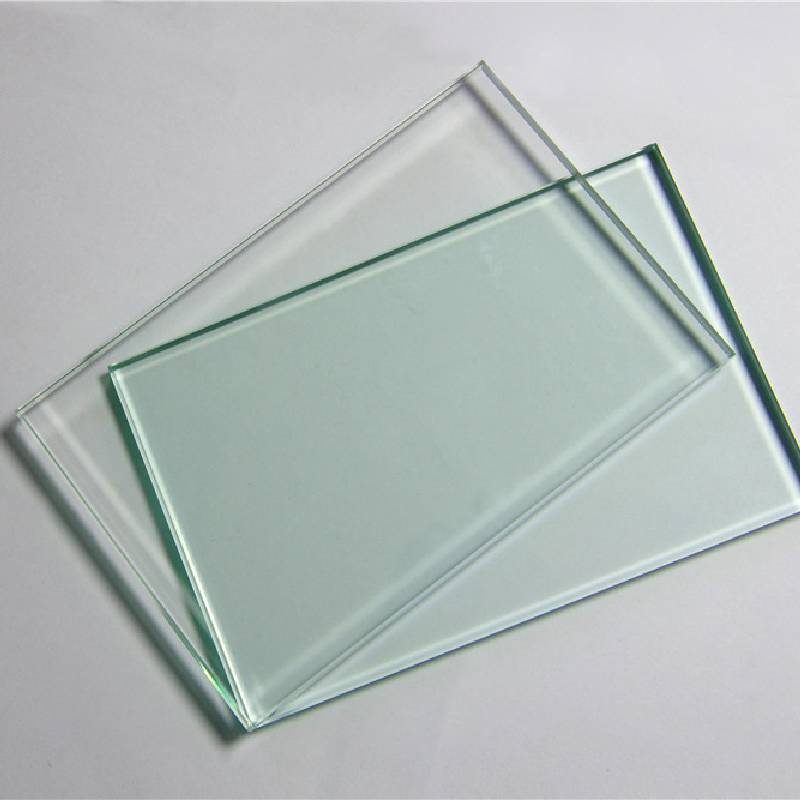
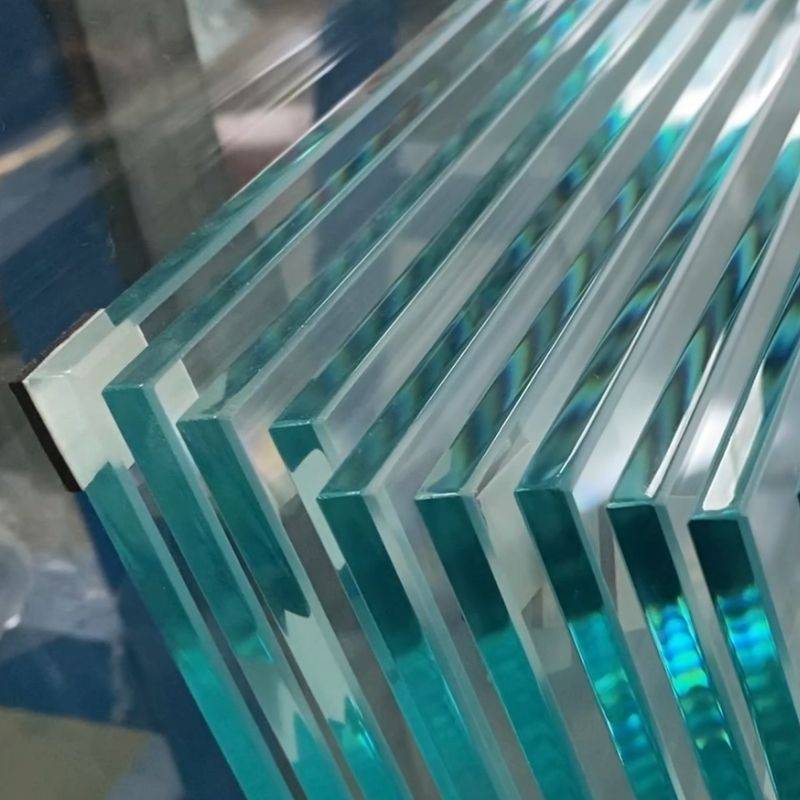
Japan's architectural sector is characterized by a rigorous demand for seismic resilience and energy efficiency. The integration of float glass window systems must adhere to strict JIS (Japanese Industrial Standards), ensuring that every pane can withstand extreme environmental pressures while maintaining absolute clarity.
In urban centers like Tokyo and Osaka, there is a growing preference for brown mirror glass in commercial facades. This trend is driven by the need to reduce solar heat gain during humid summers, lowering HVAC energy consumption while providing a sophisticated, muted aesthetic that blends with urban concrete landscapes.
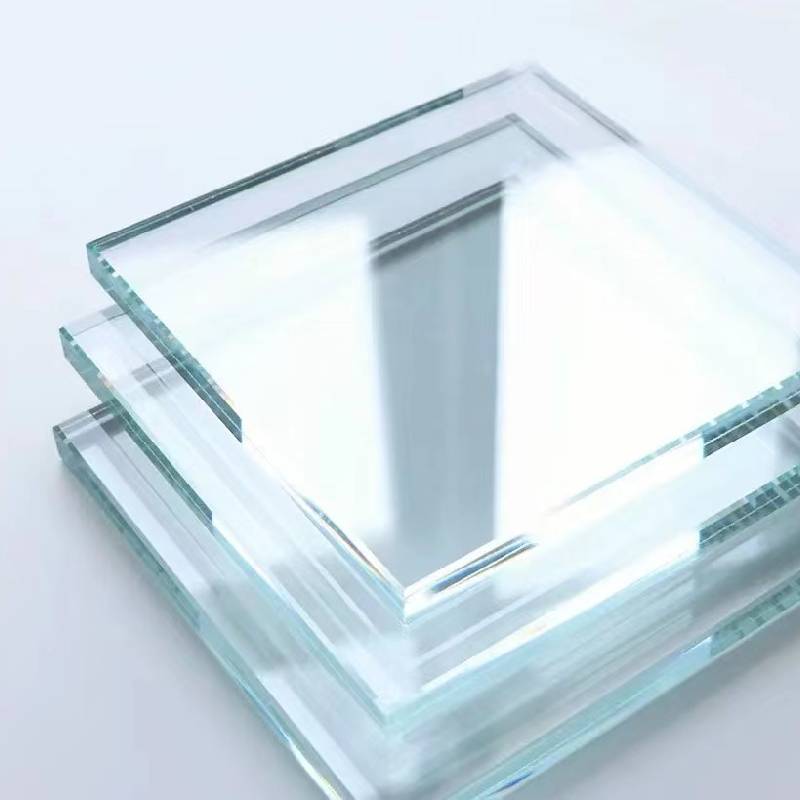
The Japanese market prioritizes "Monozukuri" (the art of making things), which translates to a zero-tolerance policy for optical distortion. This pushes the industry toward ultra-premium float window glass that offers superior flatness and light transmission, essential for high-end residential and corporate projects.
Evolution of Glass Engineering in Japan
From basic transparency to smart, functional glass ecosystems.
Market Development History
In the mid-20th century, the Japanese market relied heavily on basic annealed glass. However, the 1970s saw a rapid shift toward standardized float glass production, enabling the mass construction of the skyscrapers that define modern Japanese skylines.
By the 1990s, the focus shifted toward thermal insulation and safety. The introduction of Low-E coatings and tempered processes transformed the standard window into a high-performance barrier, emphasizing the importance of precision-cut glass for tight-tolerance Japanese framing.
Entering the 2010s, the "Aesthetic Functionalism" era began. Glass was no longer just a structural element but a design tool, leading to the rise of custom-tinted mirrors and high-end decorative patterns used in luxury hospitality sectors across Japan.
Future Development Trends
Smart Glass Integration
Predicting a shift toward electrochromic glass that adjusts transparency based on sunlight, reducing energy costs in accordance with Japan's Net Zero Energy House (ZEH) goals.
Sustainable Raw Materials
Increasing adoption of recycled cullet and carbon-neutral melting processes to meet the stringent environmental ESG targets of Japanese corporations.
Advanced Vacuum Insulation
The move toward VIG (Vacuum Insulated Glass) to provide maximum thermal resistance with minimum thickness, fitting the compact spatial constraints of Japanese urban architecture.
Industry Outlook and Strategic Projection
Forecasting the trajectory of non-metallic mineral products in the Japanese market.
Industry Outlook
Based on Google search trends in Asia, the demand for "Sustainable Architecture" and "Energy Efficient Windows" in Japan is peaking. This suggests a critical transition from standard glass to multi-functional glazing that combines thermal control with aesthetic value.
We anticipate that the next 3-5 years will see a consolidation of the market toward suppliers who can provide high-customization services, specifically in combining the structural integrity of float glass with the artistic requirements of modern interior design.
Localized Applications in Japan
Real-world implementation of glass solutions across diverse Japanese environments.
01. Tokyo High-Rise Commercial Hubs
Implementation of high-performance float window glass in Shinjuku skyscrapers to ensure maximum natural light while mitigating the urban heat island effect.
02. Kyoto Traditional Ryokan Renovations
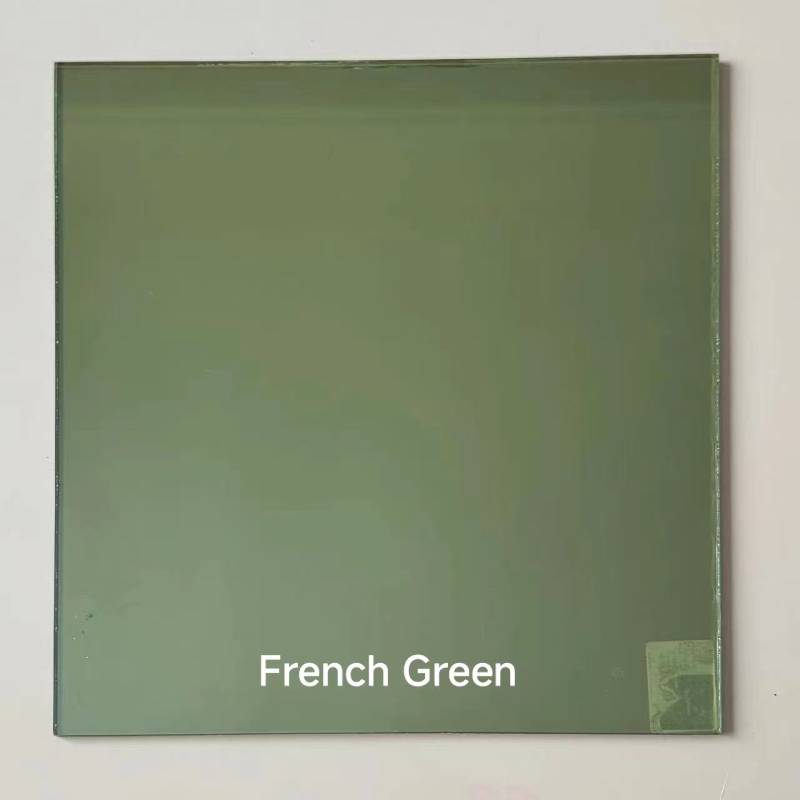
Using custom-tinted decorative glass to replace old partitions, blending traditional Japanese aesthetics with modern durability and soundproofing.
03. Luxury Retail Centers in Ginza
Application of brown mirror glass for boutique storefronts, providing a high-end, reflective surface that maintains privacy and controls interior glare.
04. Residential Eco-Homes in Hokkaido
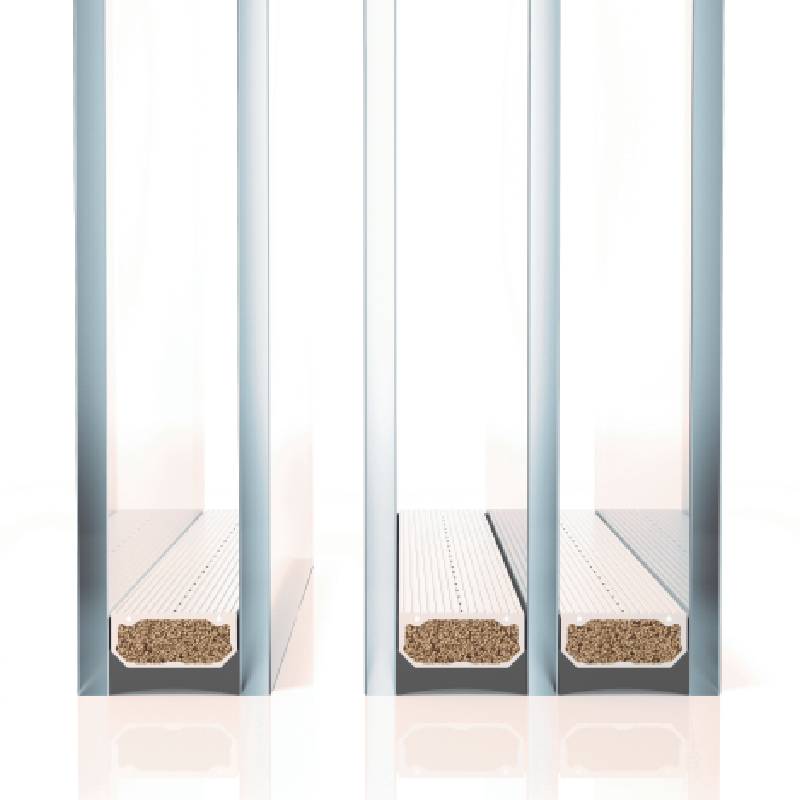
Installation of triple-glazed float glass window systems to combat extreme winter temperatures while maintaining slim, minimalist frames.
05. Corporate Zen Gardens and Atriums
Integrating large-scale architectural glass panels that utilize advanced coatings to prevent condensation, essential for the humid Japanese climate.
Brand Story
Global Development History of Shahe Tptop Glass Products Co., Ltd.
Foundational Excellence
Established with a vision to redefine glass purity, we began by mastering the core float process to eliminate optical impurities.
Technical Diversification
Expanded our portfolio into specialty mirrors and decorative coatings, solving the industry pain point of color inconsistency.
Global Quality Certification
Achieved international certifications to meet the rigorous standards of the Japanese and European architectural markets.
Innovative R&D Leap
Launched an advanced R&D center focused on thermal efficiency and seismic-grade glass laminates.
Sustainable Future
Committed to green manufacturing, reducing carbon footprints while delivering high-value glass solutions worldwide.
Comprehensive Glass Portfolio for the Japan Market
A curated selection of high-spec glass products designed for seismic zones and energy-efficient builds.
Frequently Asked Questions - Japan Glass Solutions
Expert answers to common technical inquiries regarding float and decorative glass.
How does float glass window performance vary in Japan's humid climate?
Our products utilize advanced anti-condensation coatings and high-precision sealing to prevent moisture ingress, ensuring long-term clarity during Japan's rainy season.
What are the benefits of brown mirror glass for commercial facades in Tokyo?
Brown mirror glass provides an optimal balance of aesthetic sophistication and solar heat reduction, significantly lowering indoor temperatures and energy costs.
Does your float window glass comply with Japanese seismic safety standards?
Yes, our glass is engineered to support tempering and laminating processes that meet the rigorous safety requirements for high-seismic activity zones.
Can decorative glass be customized for Zen-style interior design?
Absolutely. We offer a range of frosted, etched, and tinted options that complement the minimalist and natural aesthetics of traditional Japanese interiors.
What is the lead time for bulk float glass shipments to Japan?
Depending on the customization level and volume, our streamlined logistics network ensures efficient delivery to major Japanese ports with rigorous quality checks.
How do I maintain the clarity of decorative glass in urban environments?
We recommend using non-abrasive pH-neutral cleaners and optional self-cleaning coatings to reduce maintenance in high-pollution urban areas.
Request a Technical Consultation
Partner with the leader in high-precision glass manufacturing for your next project in Japan.
Contact Us Now