

logo

Premium Decorative Glass Solutions for Palestine

Engineering high-performance glazing and architectural glass systems tailored for the unique climatic and urban needs of Palestine.

Premium Decorative Glass Solutions for Palestine

We provide a comprehensive range of high-durability glass products, from structural float glass window systems to luxury interior mirrors, ensuring stability and elegance in every project.

Glass Manufacturing Landscape in Palestine

Analyzing the intersection of architectural demand and environmental challenges in the region.

In Palestine, the glass industry is heavily influenced by the Mediterranean climate, where high UV exposure and salt-laden air necessitate the use of high-quality float glass. The market is characterized by a strong demand for materials that can withstand temperature fluctuations while providing thermal insulation for urban residential areas.

Current construction trends in Gaza and the West Bank show a transition toward modern facades. There is an increasing reliance on float window glass to replace traditional smaller panes, aiming for better natural lighting and energy efficiency in commercial complexes.

Furthermore, the interior design sector is seeing a surge in the use of brown mirror glass. This preference is driven by a desire for warm, sophisticated aesthetics that complement the local stone architecture prevalent in Palestinian cities.
Evolution and Trajectory of Glass Technology

From basic artisanal glazing to advanced automated manufacturing processes.

Market Development History

Historically, the region relied on basic annealed glass with high distortion. By the late 20th century, the introduction of the float process revolutionized the availability of float glass, enabling the production of perfectly flat, distortion-free sheets for large-scale urban development.

Between 2000 and 2015, the focus shifted toward safety and functionality. The adoption of toughened and laminated float glass window options became standard to meet safety regulations in high-density residential zones.

In recent years, the trajectory has moved toward specialized aesthetics. The integration of vacuum coating technologies allowed for the mass production of reflective and colored glasses, making luxury options more accessible for local designers.

Future Development Trends

Smart Thermal Integration

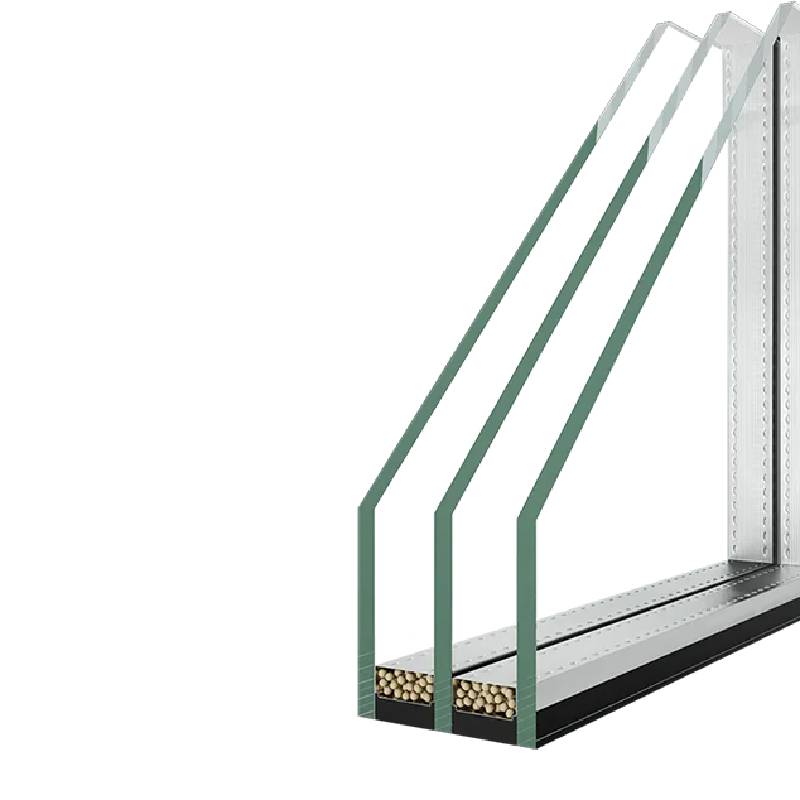
Expect a shift toward Low-E and argon-filled units to combat the intense summer heat of the Levant region.

Sustainable Recycled Glass

Increasing pressure for "Green Building" certifications will drive the use of high-recycled content in float glass production.

Customized Digital Printing

The move from simple tints to digitally printed decorative patterns to create unique cultural motifs on glass surfaces.

Industry Trends & Future Outlook

Forecasting the technological shifts in the non-metallic mineral products sector.

Energy Efficiency
Adopting advanced coatings to reduce HVAC loads in Mediterranean climates.
Urban Density Adaptation
Developing thinner, stronger glass for high-rise developments in Ramallah and Gaza.
Aesthetic Diversification
Growth in bespoke tinted and textured glasses for high-end interior design.
Smart Glass Integration
Electrochromic glass for dynamic light control in luxury villas.

Industry Outlook

Based on Google search trend patterns for architectural glass in the Middle East, there is a significant uptick in queries related to "energy-saving windows" and "modern interior mirrors." This suggests that the Palestinian market is shifting toward sustainable luxury.

The next 3-5 years will likely see a convergence of traditional craftsmanship and high-tech manufacturing, where the ability to customize brown mirror glass for local tastes will be a key competitive advantage.

Localized Application Scenarios in Palestine

Practical implementations of high-grade glass across different sectors.

1. Coastal Residential Facades

Utilizing salt-resistant float window glass for beachfront homes in Gaza to prevent corrosion and ensure long-term clarity.

2. Luxury Hotel Interiors in Ramallah

Implementing large-scale brown mirror glass in lobbies to create a sense of space and warmth that blends with local limestone decor.

3. Modern Commercial Office Hubs

Using high-transparency float glass for internal partitions to maximize natural light while maintaining sound insulation.

4. Boutique Retail Storefronts

Installing custom decorative glass for shop windows to attract high-end clientele with artistic textures and patterns.

5. Government Administrative Buildings

Applying heavy-duty, tempered float window glass for security-enhanced windows and structural stability.

Brand Story

Global Development History of Shahe City TopTop Glass Products Co., Ltd.

Industrial Foundations

Established with a vision to refine the purity of float glass, we started by solving the common industry pain point of optical distortion.

Technical Breakthroughs

Developed advanced coating processes that allowed for the creation of durable, color-consistent brown mirror glass for global markets.

Global Expansion

Expanded our footprint into the Middle East, specializing in products that survive extreme heat and humidity.

Quality Standardization

Achieved international certifications to ensure every sheet of decorative glass meets the highest safety and environmental standards.

Sustainable Future

Now focusing on eco-friendly manufacturing to reduce the carbon footprint of the glass industry worldwide.

Complete Glass Product Portfolio for Palestine

A curated selection of high-performance glass solutions designed for Palestinian architectural needs.

Frequently Asked Questions in Palestine

Expert answers to common queries regarding glass selection and installation.

How do I choose the right float glass window for hot climates in Palestine?

For hot climates, we recommend Low-E coated float glass which reflects infrared heat while letting in visible light, reducing indoor temperatures.

Is brown mirror glass suitable for high-humidity coastal areas?

Yes, provided it has a high-quality copper-free backing and protective sealant to prevent edge corrosion from salt air.

What is the difference between float window glass and tempered glass?

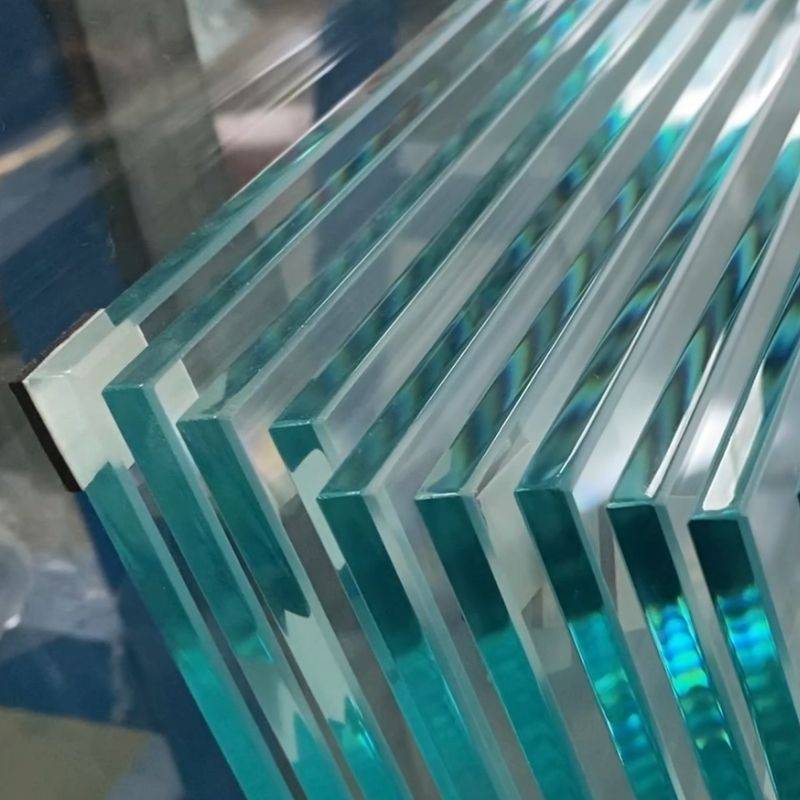
Float glass is the basic flat glass; tempered glass is float glass that has been heat-treated for strength and safety, shattering into small granules if broken.

Can decorative glass be customized for traditional Palestinian patterns?

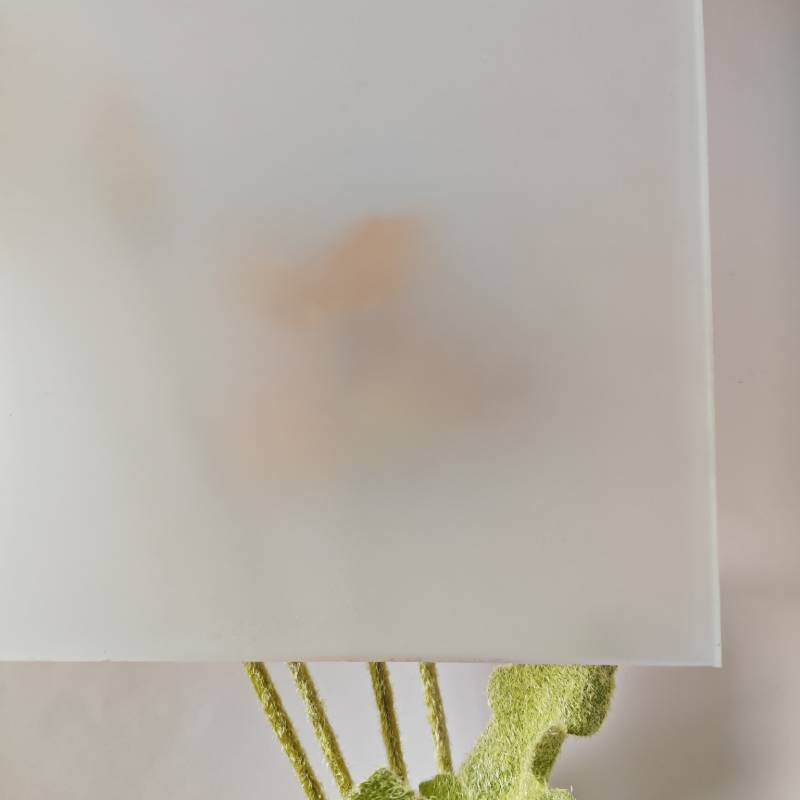
Absolutely. We offer acid-etching and digital printing services to incorporate specific cultural designs into the glass surface.

What thickness of float glass is recommended for commercial storefronts?

Typically, 8mm to 12mm tempered float glass is recommended for storefronts to ensure structural integrity and safety.

How do I maintain the clarity of my float window glass?

Regular cleaning with a mild soap solution and avoiding abrasive scrubbers will prevent scratches and maintain optimal transparency.

Ready to Elevate Your Project?

Contact our experts for bespoke glass solutions tailored specifically for the Palestine market.

Contact Us Now