
logo

Premium decorative glass Solutions for South Sudan Infrastructure

Engineering high-performance glass substrates tailored for the unique climatic and architectural demands of the South Sudanese market.

Premium decorative glass Solutions for South Sudan Infrastructure

Integrating advanced manufacturing precision with local durability requirements to provide the most reliable float glass products for South Sudan's expanding urban landscape.

Glass Industry Landscape in South Sudan

Analyzing the challenges of glazing in extreme tropical climates

The construction sector in South Sudan is currently characterized by a rapid transition toward permanent urban structures. However, the extreme heat and intense UV radiation of the region place immense stress on standard glazing, making the demand for high-quality float window glass critical for energy efficiency.

Due to the landlocked nature of South Sudan, the supply chain for specialized materials like brown mirror glass relies heavily on international imports. This has created a market gap for durable, heat-reflective glass that can reduce indoor temperatures without increasing electrical cooling costs.

Currently, there is a growing preference for float glass window installations in government buildings and commercial hubs in Juba, where the focus is shifting from basic functionality to long-term structural resilience and thermal insulation.
Evolution of Glass Technology in the Region

From basic transparency to high-performance thermal control

Market Development History

In the early post-conflict reconstruction phase (circa 2011-2015), the market primarily utilized basic single-pane clear glass. These installations suffered from high heat gain and frequent breakage due to poor quality standards.

Between 2016 and 2021, the introduction of standardized float glass began to replace artisanal glass. This period marked a shift toward architectural consistency, allowing for larger window spans and better structural stability in commercial facades.

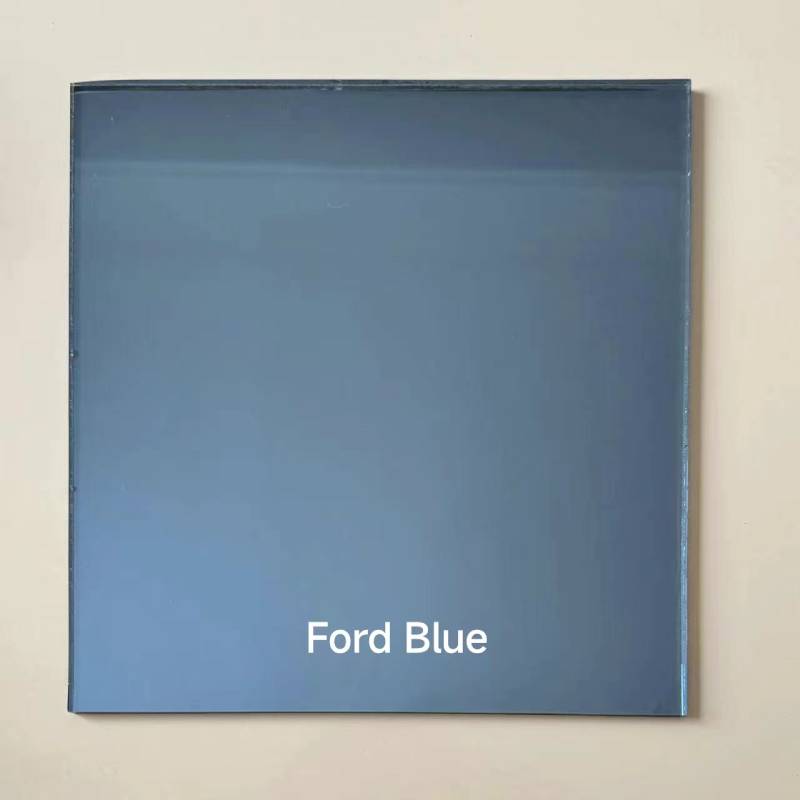
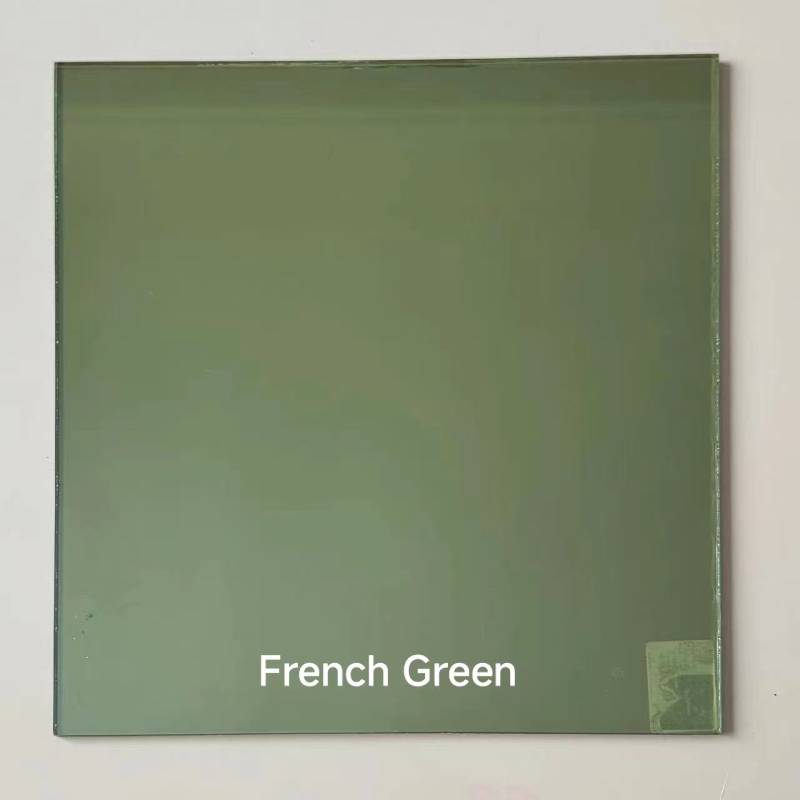
From 2022 to the present, the focus has evolved toward specialized coatings. The adoption of tinted and reflective options has become the norm for luxury residential and corporate projects to combat the harsh equatorial sun.

Future Development Trends

Low-E Thermal Integration

Integration of Low-Emissivity coatings into standard float glass to significantly lower the carbon footprint of buildings in Juba.

Impact-Resistant Glazing

Increasing demand for tempered and laminated safety glass to ensure public safety in high-traffic urban areas.

Sustainable Solar Glass

A predicted shift toward BIPV (Building Integrated Photovoltaics) as South Sudan seeks decentralized energy solutions.

Industry Trends and Future Outlook

Strategic forecasting for the non-metallic mineral sector in South Sudan

Solar Heat Gain Reduction
Optimizing glass chemistry to reflect infrared radiation while maintaining natural light.
Urbanization Acceleration
Scaling production to meet the surge in commercial skyscraper demands in urban centers.
Sustainable Sourcing
Improving logistics to ensure the consistent delivery of high-purity raw materials.
Smart Glass Adoption
Transitioning toward electrochromic glass that adjusts opacity based on sun intensity.

Industry Outlook

Based on search trend data and infrastructure investment patterns, we expect a 15% annual growth in the demand for energy-efficient glazing in South Sudan over the next 3-5 years. This growth is driven by a push toward "Green Building" certifications for new diplomatic and NGO headquarters.

The focus will shift from mere availability to technical specification, where U-value and Solar Heat Gain Coefficient (SHGC) become the primary decision factors for procurement officers and architects.

Localized Application Scenarios

Practical implementation of glass solutions in the South Sudanese environment

01. High-Rise Commercial Hubs in Juba

Implementing large-scale float window glass with reflective coatings to maintain cool interiors while providing panoramic city views.

02. Luxury Hospitality Interiors

Utilizing custom-cut brown mirror glass for hotel lobbies and restrooms to create a sophisticated, warm aesthetic that complements local décor.

03. Government Administrative Buildings

Installation of thick, high-strength float glass for security partitions and office facades to ensure durability and transparency.

04. Modern Residential Villas

Combining clear float window glass for living areas and tinted options for bedrooms to balance light and privacy.

05. Boutique Retail Storefronts

Applying decorative glass for window displays to attract customers while protecting merchandise from direct sunlight degradation.

Brand Story

Global Development Journey of Shahe Tptop Glass Products Co., Ltd.

Founding Excellence

Established in the heart of China's glass industry, we began with a mission to standardize float glass production for international export.

Technical Innovation

Invested in advanced annealing and coating technologies to solve the problem of thermal stress in equatorial climates.

Global Expansion

Successfully expanded our logistics network to serve landlocked markets, ensuring safe delivery of fragile glass products across borders.

Quality Certification

Achieved international ISO and safety certifications, becoming a trusted partner for large-scale government infrastructure projects.

Sustainable Vision

Committed to developing energy-saving glass that helps South Sudanese cities reduce their carbon footprint and cooling costs.

Comprehensive Glass Portfolio for South Sudan

A full spectrum of glazing solutions from clear substrates to decorative mirrors.

Frequently Asked Questions in South Sudan

Expert answers to common technical and logistical glass queries

How does float glass perform in high-temperature regions like Juba?

Our float glass is manufactured to resist thermal expansion and contraction, reducing the risk of stress cracks during the extreme temperature fluctuations common in South Sudan.

What are the benefits of installing float glass window systems for energy saving?

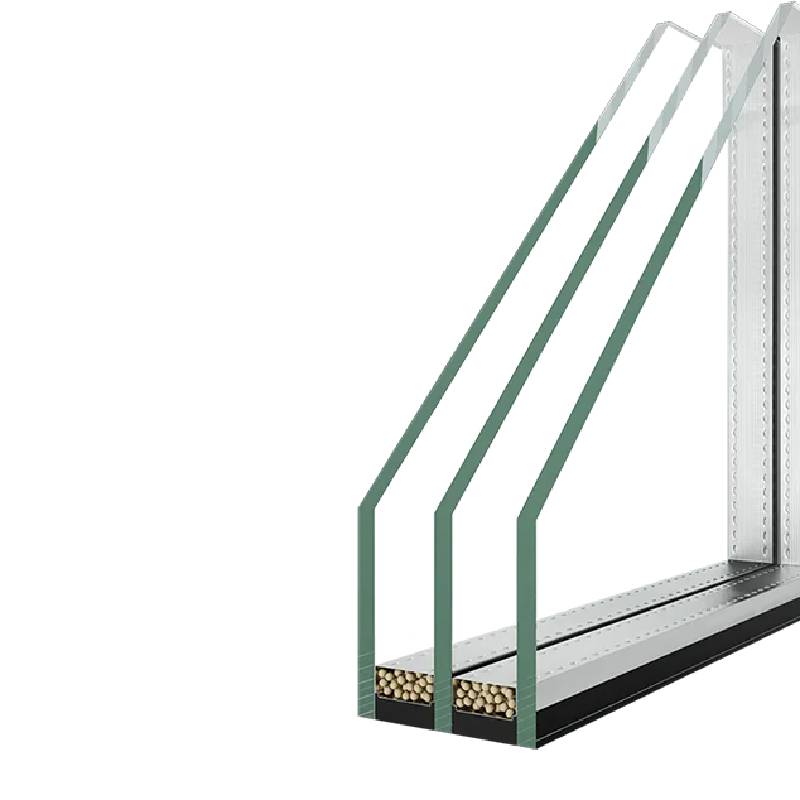
By utilizing high-clarity float glass window systems with optional Low-E coatings, buildings can block a significant portion of solar heat, lowering reliance on air conditioning.

Can brown mirror glass be used for outdoor architectural facades?

Yes, brown mirror glass is excellent for facades as it provides high reflectivity to keep heat out while adding a modern, bronze-like aesthetic to the building.

How is float window glass transported safely to landlocked South Sudan?

We use reinforced sea-worthy wooden crates and shock-absorbent packaging, typically routed through Mombasa or Port Sudan, to ensure zero-breakage delivery.

What options are available for decorative glass in commercial interior design?

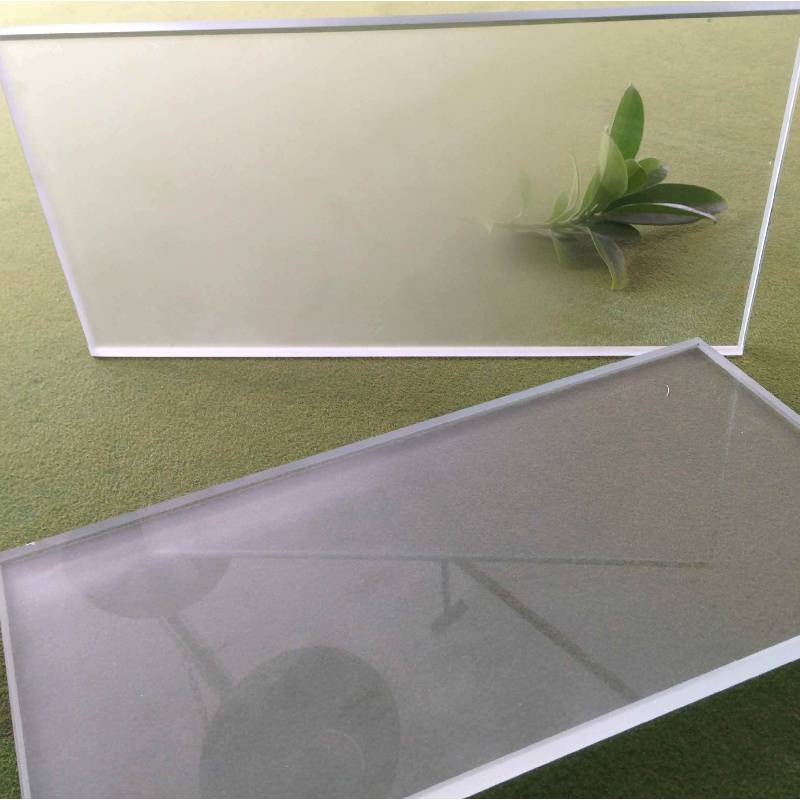
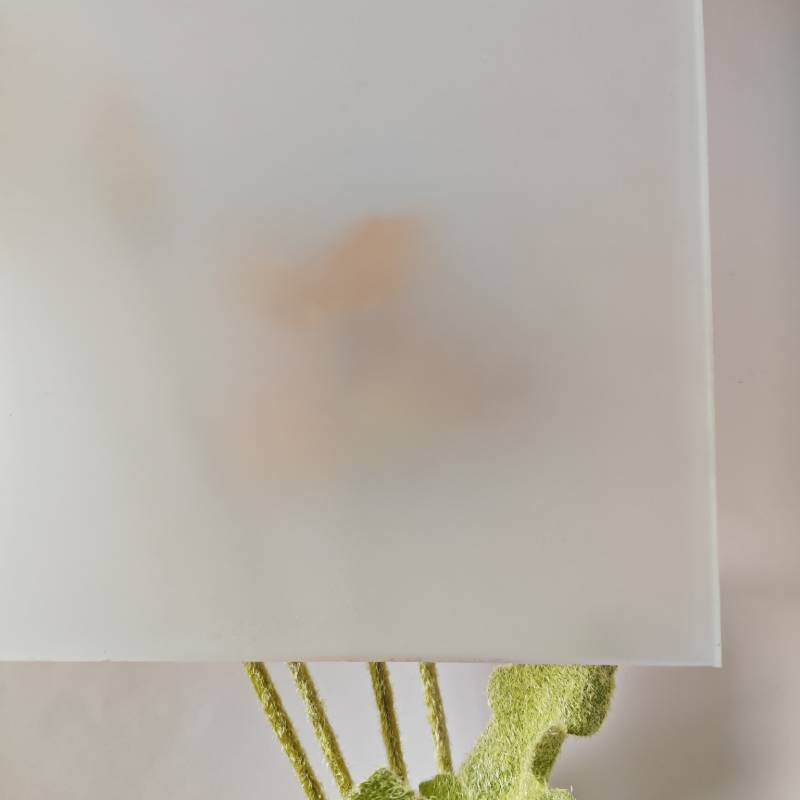
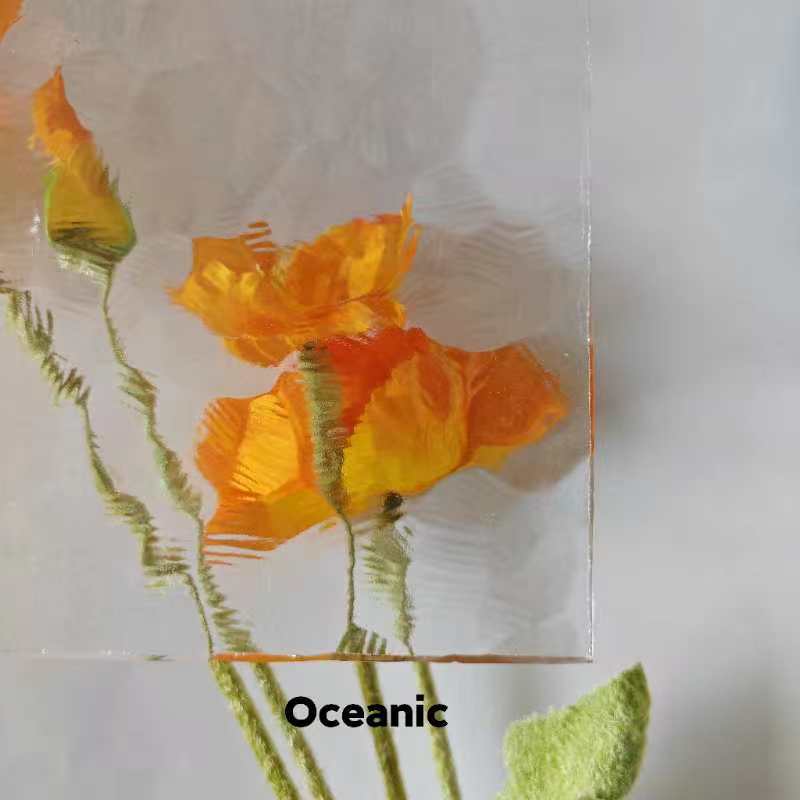
We offer a variety of decorative glass options including frosted, tinted, and patterned glass, which are ideal for partitions and feature walls in luxury offices.

Which thickness of float glass is recommended for commercial windows in Juba?

For most commercial applications, we recommend a minimum of 6mm to 8mm thickness, or laminated options for areas requiring higher security and sound insulation.

Consult Our Glass Experts Today

Ready to upgrade your infrastructure in South Sudan with world-class glazing technology? Our engineers are available for technical consultation.

Contact Us Now