



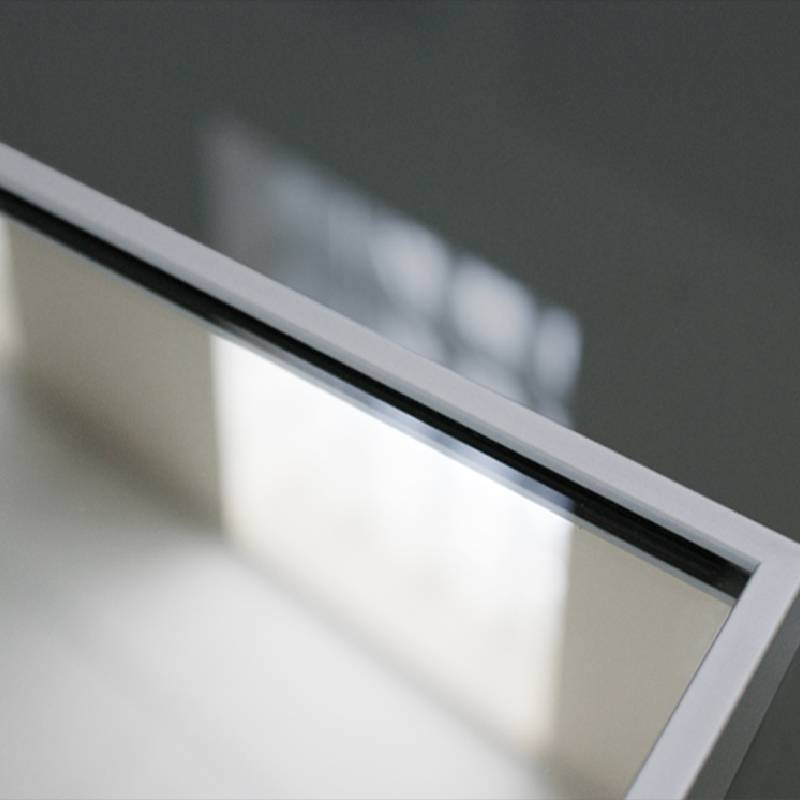


The United States glass market is currently driven by stringent LEED certification requirements and the diverse climatic needs of different states. In the Sun Belt, there is a massive surge in demand for float glass window systems that incorporate Low-E coatings to reduce solar heat gain while maintaining natural light.
Simultaneously, the luxury residential and commercial sectors in metropolitan hubs like New York and Los Angeles are shifting toward high-end brown mirror glass and tinted solutions. These materials serve a dual purpose: enhancing privacy in dense urban environments and adding a sophisticated, modern aesthetic to corporate interiors.
Logistically, the US market relies on a highly optimized supply chain where float glass must meet precise ASTM international standards for safety and durability, ensuring that every pane can withstand extreme temperature fluctuations from Alaskan winters to Texan summers.
Evolution and Trajectory of Architectural Glass
From traditional glazing to intelligent, sustainable glass ecosystems.
Market Development History
Prior to the 1960s, the US market relied on labor-intensive plate glass production. The introduction of the Pilkington float process revolutionized the industry, enabling the mass production of perfectly flat float window glass, which significantly lowered construction costs and allowed for the expansive glass curtains seen in Mid-Century Modern architecture.
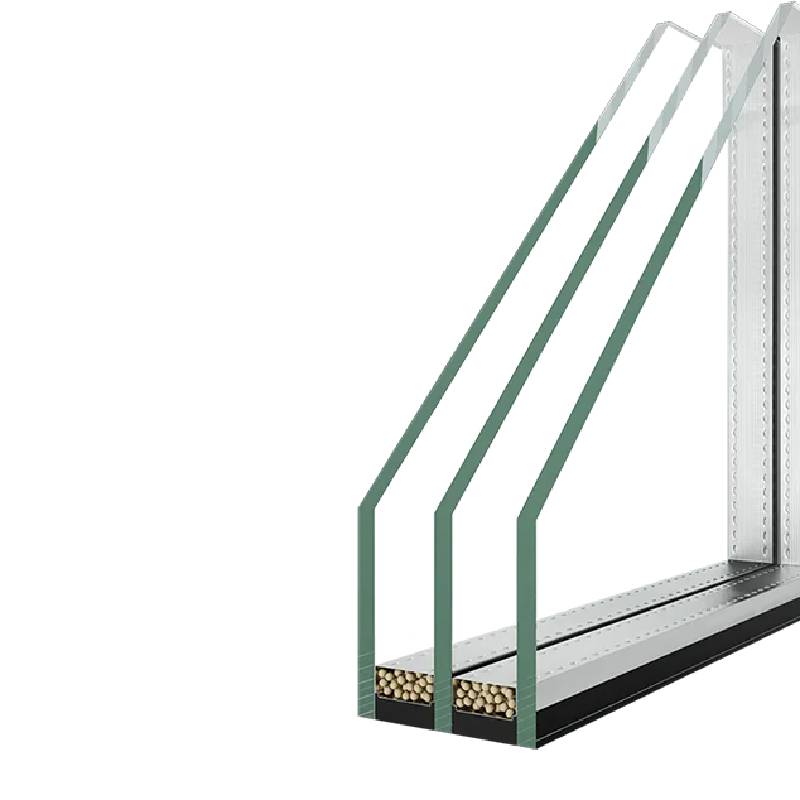
Between 1990 and 2010, the focus shifted toward thermal performance. The integration of double and triple glazing became standard in the North American market to combat energy loss, transforming the basic float pane into a complex energy-saving component.
In the last decade, the rise of "Biophilic Design" has pushed the industry toward specialized decorative options. The market transitioned from simple clear glass to complex textures and colors, making aesthetic customization a core requirement for architects.
Future Development Trends
Dynamic Smart Glazing
The integration of electrochromic technology will allow glass to change opacity based on the time of day, further reducing HVAC loads in large US office complexes.
Circular Economy & Recycled Cullet
Driven by US federal sustainability goals, the next 5 years will see a massive increase in the use of post-consumer recycled glass without compromising the clarity of premium float products.
Vacuum Insulated Glass (VIG)
To meet the "Net Zero" building targets, VIG technology is expected to replace traditional IGU, providing superior insulation in a much thinner profile.
Industry Trends and Future Outlook
Strategic projections for the non-metallic mineral products sector in North America.
Industry Outlook
Based on Google search trends, there is a rising interest in "sustainable architecture" and "smart home glazing" across the United States. We predict that the demand for multifunctional glass—combining insulation, solar harvesting, and aesthetic appeal—will grow by 15% annually over the next 3-5 years.
The market will move away from commoditized glass toward value-added solutions. Companies that can integrate high-performance coatings with custom designs will dominate the US high-end construction sector.
Localized Application Scenarios in the United States
Tailoring glass solutions to the specific architectural and environmental needs of US regions.
01. High-Rise Commercial Facades in NYC
Utilizing high-strength float window glass with advanced UV filters to maximize natural light while protecting interiors from solar degradation in dense urban environments.
02. Luxury Residential Interiors in Beverly Hills
Implementation of brown mirror glass and customized decorative partitions to create an atmosphere of exclusivity and modern warmth in upscale villas.
03. Energy-Efficient Homes in the Midwest
Integration of double-pane float glass window systems designed to withstand extreme temperature swings and reduce heating costs during harsh winters.
04. Boutique Hotel Design in Miami
Applying artistic decorative glass for lobbies and bathrooms to blend the tropical outdoor vibe with high-end indoor luxury.
05. Industrial Warehouse Skylights in Texas
Using large-scale, clear float glass panels with reinforced tempering to ensure safety and maximum daylighting for massive logistics centers.
Brand Story
Global Development Journey of Shahe Tptop Glass Products Co., Ltd.
Foundational Precision
Established with a commitment to solving the inconsistency of glass thickness, we pioneered rigorous quality control for float glass production.
Technological Breakthrough
We expanded our capabilities to include high-precision tinting and coating, allowing us to enter the competitive North American decorative market.
Global Expansion
By aligning our production with ASTM and ISO standards, we successfully exported our architectural solutions to the United States and beyond.
Sustainability Pivot
We integrated green manufacturing processes to reduce carbon emissions, meeting the growing demand for eco-friendly building materials.
Future-Ready Innovation
Today, we focus on smart glass and customized architectural solutions, bridging the gap between structural necessity and artistic vision.
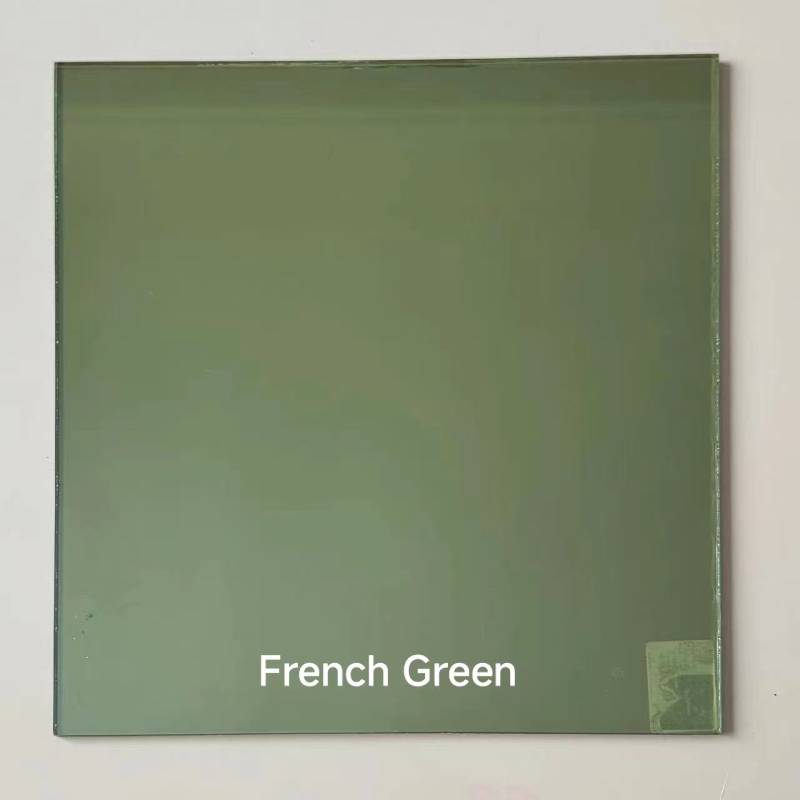
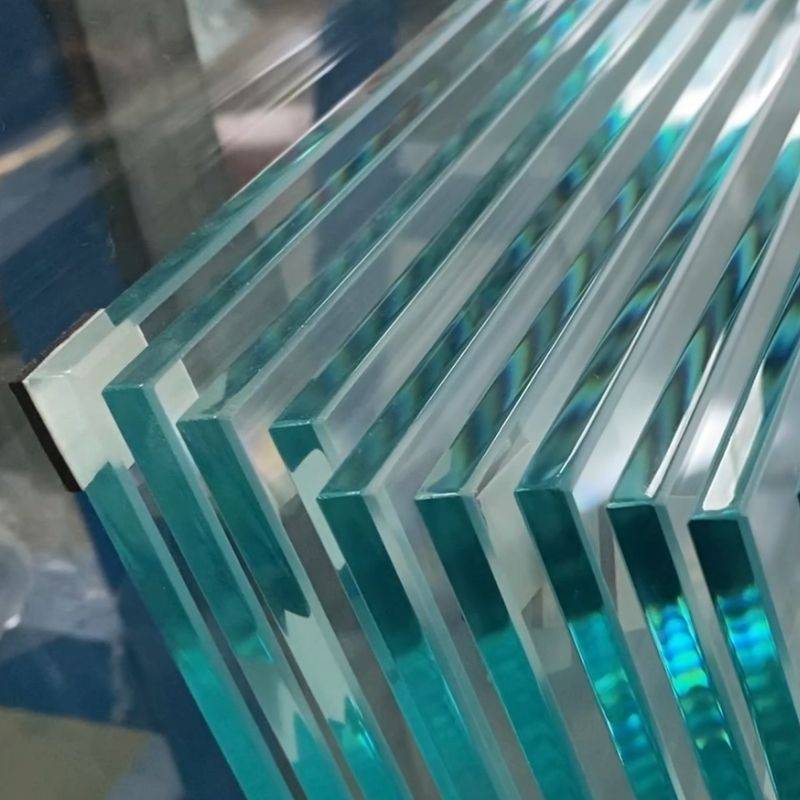
Comprehensive Glass Portfolio for the US Market
A full range of high-performance glass products designed for American architectural standards.

Frequently Asked Questions for US Clients
Expert answers to common technical and logistical queries regarding glass procurement.
How does float glass window performance vary in different US climate zones?
Performance varies based on the coating; for instance, Low-E coatings are essential in the Northeast for heat retention and in the Southwest for heat reflection.
What are the primary benefits of using brown mirror glass in commercial interiors?
Brown mirror glass reduces glare and provides a warm, luxurious aesthetic, making it ideal for high-end lounges and corporate boardrooms.
Is float window glass compliant with US safety building codes?
Yes, our float window glass can be tempered or laminated to meet ANSI Z97.1 and CPSC 16 CFR 1201 safety standards.
Can decorative glass be customized for specific architectural patterns?
Absolutely. We offer a wide range of CNC cutting, frosting, and etching services to create bespoke patterns for any project.
What is the typical lead time for bulk float glass shipments to the USA?
Lead times vary by volume and shipping method, typically ranging from 30 to 60 days including ocean freight and customs clearance.
How do I maintain the clarity of architectural float glass in coastal areas?
We recommend specialized hydrophobic coatings for coastal US regions to prevent salt buildup and ease the cleaning process.
Request a Professional Consultation
Our experts are ready to help you select the perfect glass specifications for your project in the United States.
Contact Us Now