
Tinted glass is a versatile material that combines functionality with aesthetic appeal. This article explores the tinted glass product, its technical specifications, and its wide-ranging applications. Whether you're an architect, an automotive manufacturer, or a homeowner, understanding the benefits of tinted glass can help you make informed decisions. Below, we delve into the details of this innovative material, supported by authoritative references and industry insights.
Tinted (or heat-absorbing) glass is produced through the float process, where small quantities of metal oxides are added to the glass mixture to achieve coloration. This process does not compromise the fundamental properties of the glass, although it slightly increases visible light reflectance. The color density of tinted glass increases with thickness, while visible transmittance decreases as the glass becomes thicker. This unique characteristic makes tinted glass an effective solution for solar control and energy efficiency.
Tinted glass offers numerous advantages, making it a popular choice across industries. Below are the key benefits:
Tinted glass effectively reduces heat gain by absorbing solar energy. This feature is particularly valuable in regions with high sunlight exposure, as it lowers the need for air conditioning and improves energy efficiency. According to the National Institute of Standards and Technology (NIST), materials with optimized thermal properties play a critical role in reducing energy consumption in buildings (NIST, 2023).
By blocking UV radiation, tinted glass safeguards interior furnishings, flooring, and artwork from fading and degradation. This is especially important in commercial spaces and museums where preserving valuable items is a priority.
Tinted glass is ideal for applications requiring privacy, such as office buildings, residential windows, and vehicles. Its ability to obscure external views while maintaining internal visibility ensures a balance between security and comfort.
Excessive glare from sunlight can cause eye strain and reduce productivity. Tinted glass mitigates this issue, creating a more comfortable environment for occupants in homes, offices, and vehicles.
Available in over 20 colors, including French Green, Dark Green, Mist Grey, and Royal Blue, tinted glass allows for creative design choices. It can be used to enhance the visual appeal of architectural elements, automotive exteriors, and decorative installations.
Tinted glass is widely used in various sectors due to its functional and aesthetic benefits. Below are some common applications:
In residential settings, tinted glass improves privacy, controls light transmission, and enhances the overall aesthetics of a home. It is commonly used for windows, doors, and skylights.
Office buildings, shopping centers, and hotels utilize tinted glass to reduce heat gain, improve energy efficiency, and create a comfortable interior environment. Its ability to regulate light and temperature makes it a preferred choice for large-scale projects.
In vehicles, tinted glass provides privacy, glare reduction, and UV protection. It is often used for side and rear windows, as well as sunroofs, enhancing both driver safety and passenger comfort.
Tinted glass is used in skylights, canopies, and atriums to control light transmission and reduce heat buildup. This application is ideal for creating a pleasant indoor environment in commercial and residential spaces.
Tinted glass is also employed in decorative elements such as partitions, doors, shower enclosures, and glass furniture. Its versatility allows for unique design solutions that combine functionality with visual appeal.
The following table provides detailed specifications for the tinted glass product:
| Parameter | Подробности |
|---|---|
| Available Colors | French Green, Dark Green, Mist Grey, Euro Grey, Dark Grey, Light Blue, Lake Blue, Dark Blue, Royal Blue, Ocean Blue, Euro Bronze, Golden Bronze, Pink |
| Thickness | 3mm, 4mm, 5mm, 5.5mm, 6mm, 8mm, 10mm, 12mm |
| Size Options | 33002140, 36602140, 33002250, 36602250, 33002440, 36602440, 16502140, 16502250, 16502440, 18302140, 18302440 |
| Key Features | Heat absorption, UV protection, glare reduction, privacy enhancement, aesthetic flexibility |
Shahe Top Glass Co., Ltd. is a leading manufacturer of high-quality glass products, including tinted glass. With years of experience in the industry, the company is committed to delivering innovative solutions that meet the evolving needs of its clients. Their products are designed to combine functionality, durability, and aesthetic appeal, making them a trusted choice for architects, designers, and manufacturers worldwide.
For more information about Shahe Top Glass Co., Ltd., visit their official website: https://www.tptopglass.com.
Tinted glass is a versatile material that offers numerous benefits, from solar control and UV protection to enhanced privacy and aesthetic appeal. Its wide range of applications makes it an essential component in residential, commercial, and automotive settings. By choosing tinted glass, users can achieve a balance between functionality and design while contributing to energy efficiency and sustainability.
National Institute of Standards and Technology (NIST). (2023). Advancing Energy Efficiency in Buildings. Retrieved from https://www.nist.gov/.
Below are images of the tinted glass product:
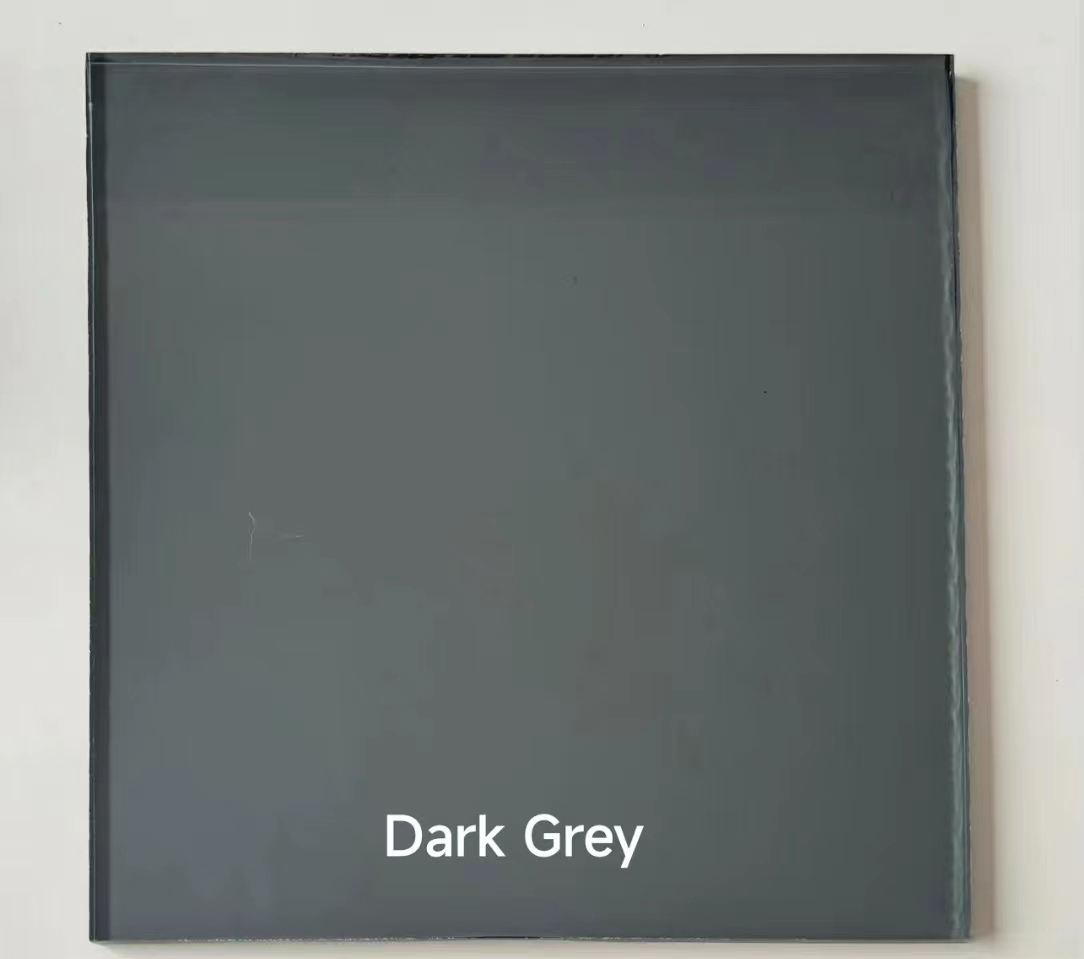
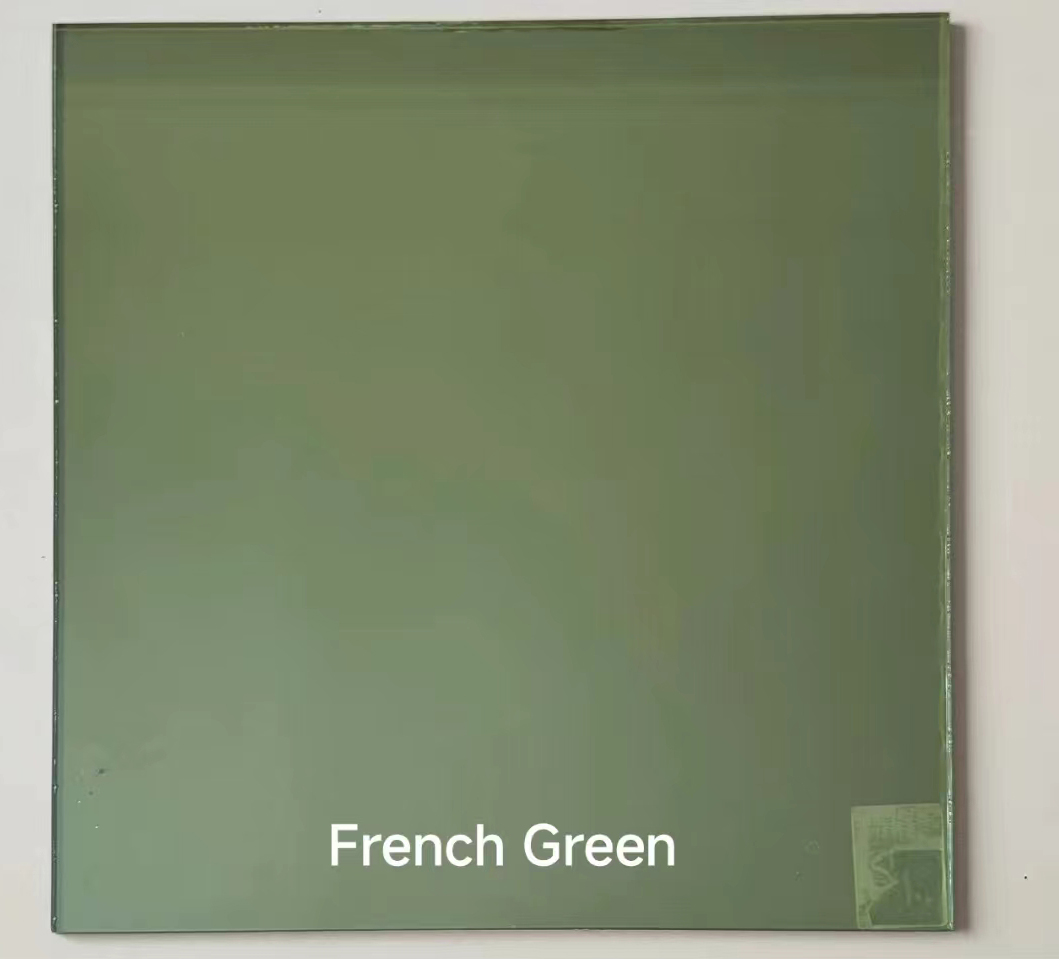
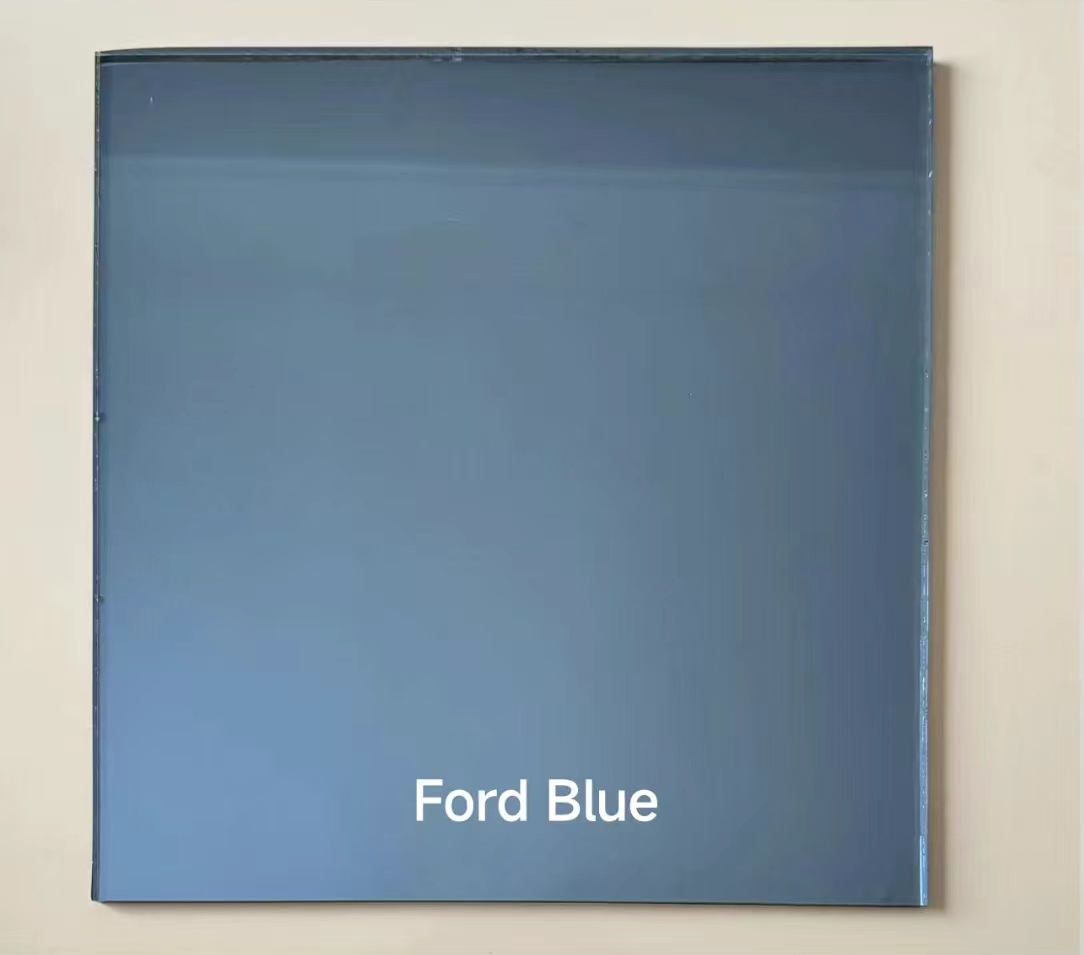
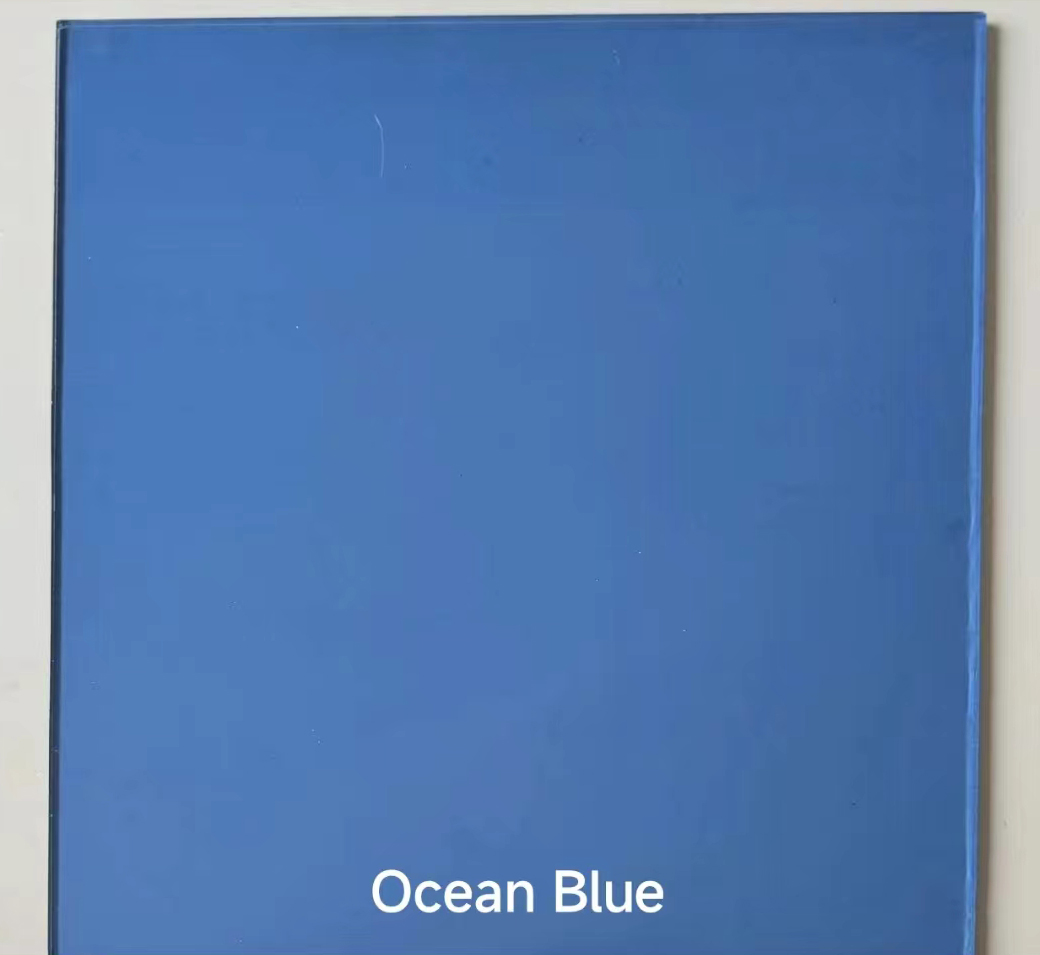
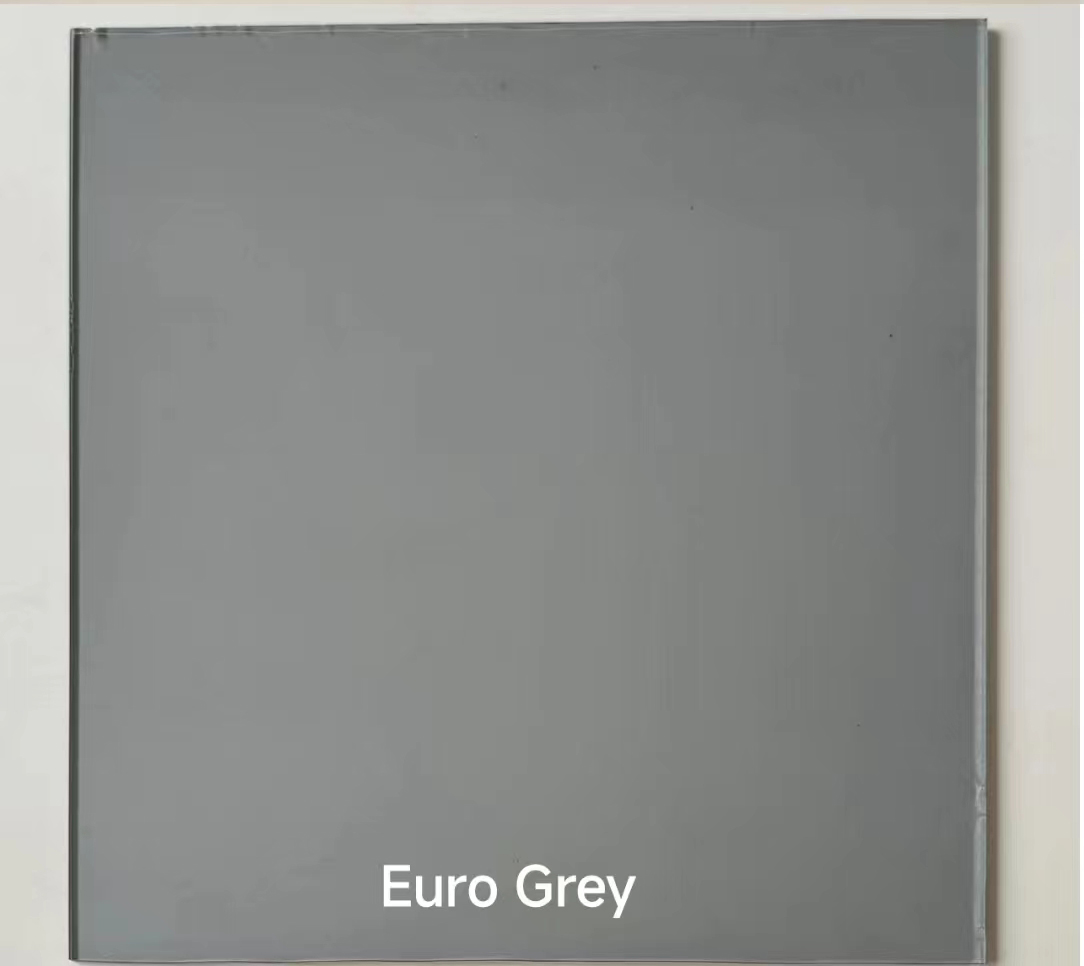
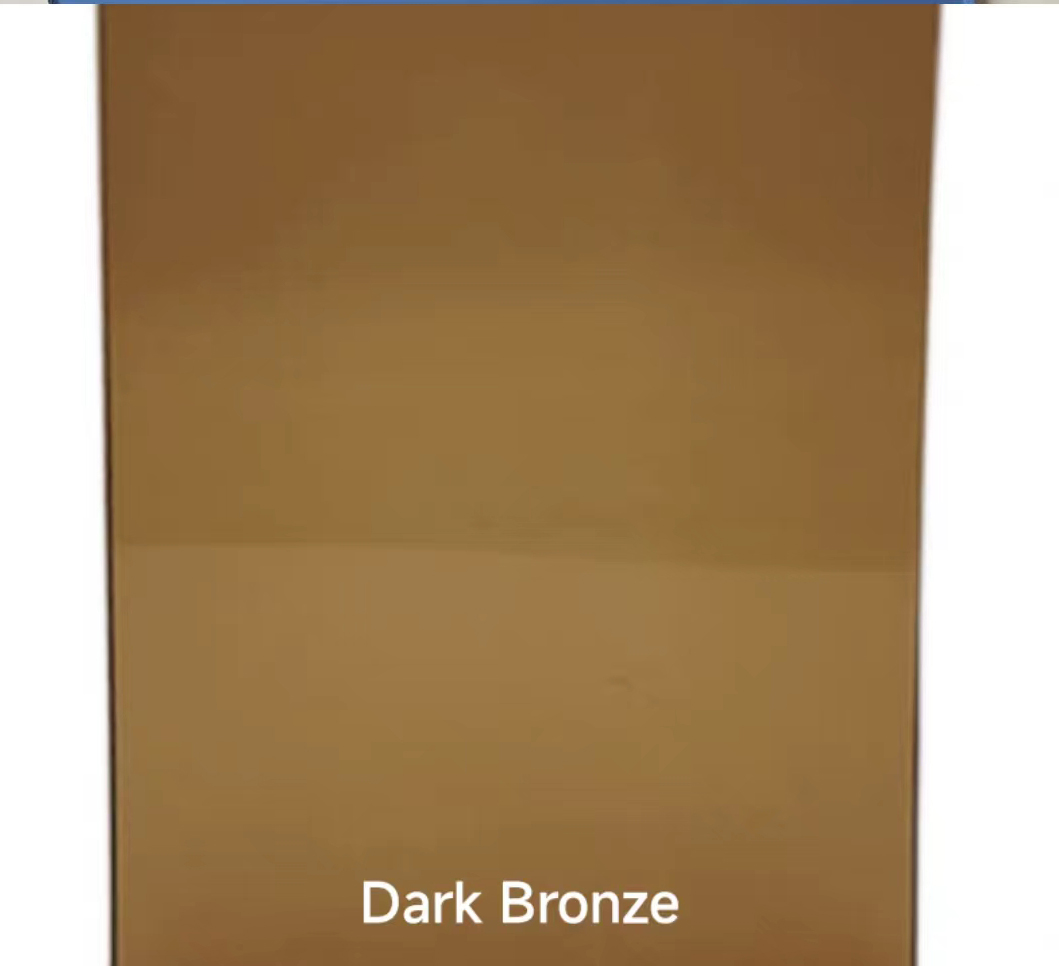
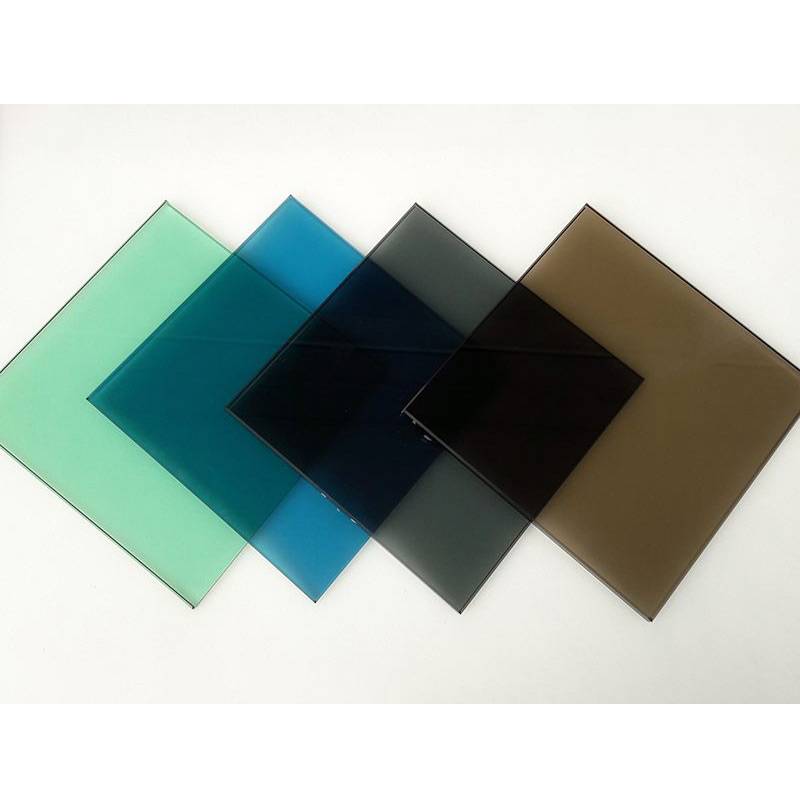
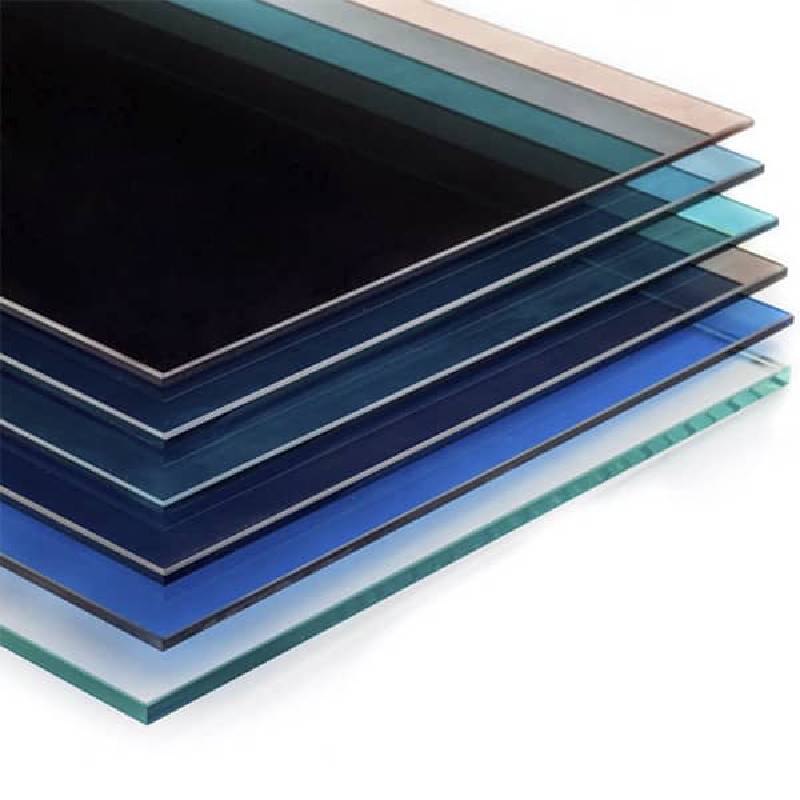
For more details about tinted glass, visit the official product page: https://www.tptopglass.com/tinted-glass.html.
Tinted glass, a versatile material with both practical and aesthetic benefits, has become a cornerstone in modern construction, automotive design, and decorative applications. By integrating advanced manufacturing techniques and a wide range of color options, tinted glass offers solutions for solar control, UV protection, and visual comfort. This article explores the features, benefits, and applications of tinted glass, while also highlighting the role of authoritative institutions like the National Institute of Standards and Technology (NIST) in ensuring material quality and performance standards.
Tinted glass is produced using the float process, a method that involves adding small quantities of metal oxides to the glass mixture during the smelting stage. This process imparts color to the glass without compromising its fundamental properties, such as durability and clarity. The coloration is achieved through the absorption of specific wavelengths of light, which also affects the glass's optical characteristics.
One of the key features of tinted glass is its solar transmittance control. By absorbing a significant portion of solar energy, tinted glass reduces heat gain, thereby improving energy efficiency in buildings and vehicles. The visible light transmittance decreases with increasing thickness, while the color density increases, allowing for customization based on specific needs.
| Specification | Подробности |
|---|---|
| Colors | French Green, Dark Green, Mist Grey, Euro Grey, Dark Grey, Light Blue, Lake Blue, Dark Blue, Royal Blue, Ocean Blue, Euro Bronze, Golden Bronze, Pink |
| Thickness | 3mm, 4mm, 5mm, 5.5mm, 6mm, 8mm, 10mm, 12mm, etc. |
| Standard Sizes | 3300x2140, 3660x2140, 3300x2250, 3660x2250, 3300x2440, 3660x2440, 1650x2140, 1650x2250, 1650x2440, 1830x2140, 1830x2440, etc. |
Tinted glass offers a multitude of advantages, making it a preferred choice for architects, engineers, and designers. Below are the primary benefits:
Tinted glass is widely used across various industries, with applications ranging from residential to commercial and automotive sectors. Its versatility makes it an ideal solution for diverse needs:
Explore the wide range of tinted glass options available, each offering unique color and design characteristics:
Shahe Top Glass Co., Ltd. is a leading manufacturer of high-quality glass products, specializing in tinted glass and other advanced glass solutions. With a commitment to innovation and customer satisfaction, the company has established itself as a trusted provider in the global market. Their products are designed to meet the evolving needs of industries ranging from construction to automotive, ensuring durability, performance, and aesthetic appeal.
Tinted glass is more than just a functional material—it is a critical component in modern design and engineering. Its ability to control solar energy, enhance privacy, and add aesthetic value makes it indispensable in today’s world. As the demand for energy-efficient and sustainable solutions grows, tinted glass continues to play a vital role in shaping the future of architecture and industry. For more information about tinted glass and other products, visit Shahe Top Glass Co., Ltd..
NIST (National Institute of Standards and Technology). https://www.nist.gov
For further insights into materials science and standards, the NIST website provides valuable resources on measurement science, energy efficiency, and technological innovation.

Зона экономического развития города Шахе 32, Хэбэй, КНР.

+8618686009698
+8613191439158

eoch@shtopglass.com
jason@shtopglass.com