French Green float glass, also known as antique green glass, is a specialized glass prized for its unique aesthetic and historical significance. It's becoming increasingly popular in architectural projects seeking a vintage or artistic touch. This article will explore the characteristics of this beautiful glass, its diverse applications, sourcing options, and considerations for using it effectively in your projects. We will delve into what makes French Green Float Glass a sought-after material for designers and builders. What sets French Green Float Glass apart is its subtle, antique green hue. This coloration isn't achieved through modern tinting processes, but rather originates from the natural impurities – primarily iron oxide – present in the raw materials used during the glassmaking process. The slight variations in iron content contribute to unique color shades within each sheet, making every panel slightly different. This also gives the glass a slightly wavy texture, further enhancing its vintage appearance. It’s a visually striking alternative to standard clear float glass. The gentle tint also offers a degree of solar control, reducing glare and heat gain.
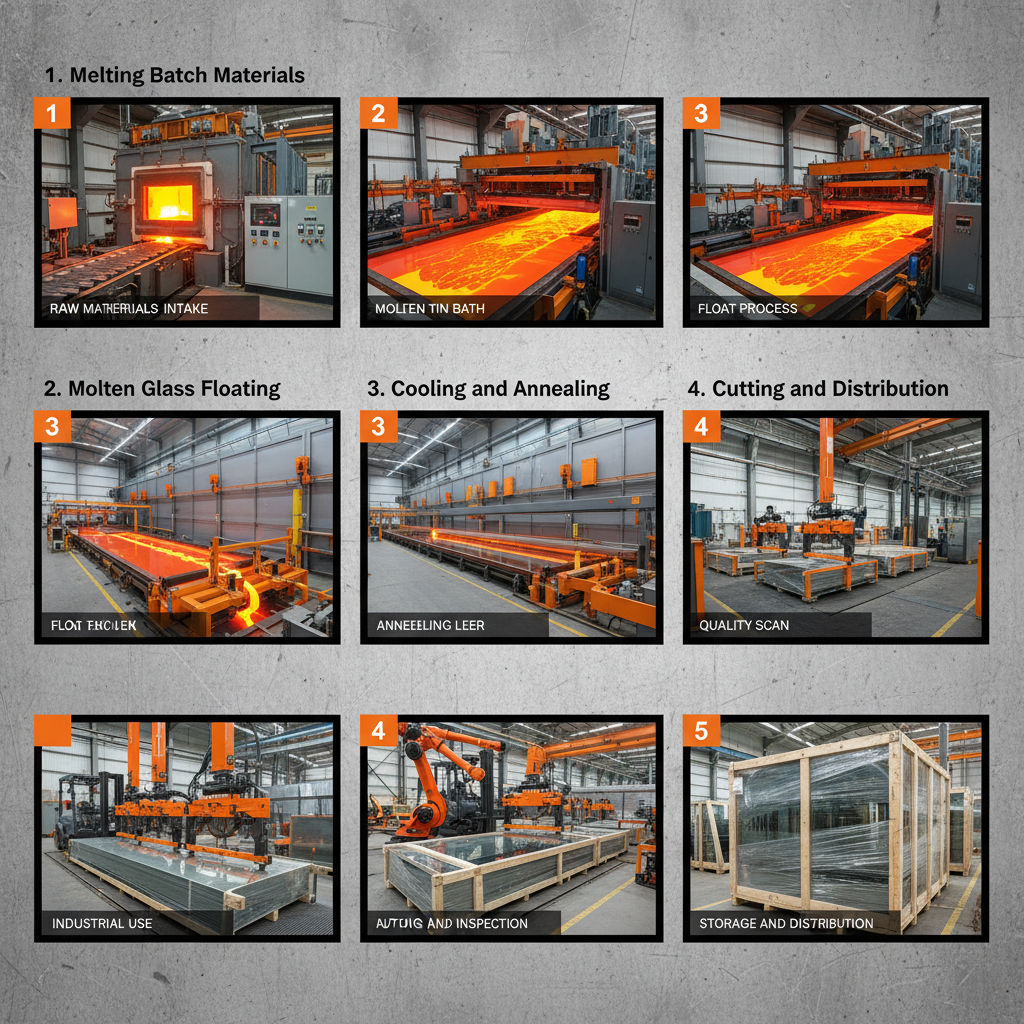
Dark grey float glass, a versatile material widely used in construction, automotive, and interior design, is increasingly sought after for its aesthetic appeal and functional properties. This article delves into the characteristics, manufacturing process, applications, and benefits of dark grey float glass, providing a comprehensive overview for architects, designers, and anyone interested in learning more about this essential building material. Dark grey float glass is produced using the float glass process, where molten glass is floated on a bed of molten tin. This process yields a glass sheet with exceptional flatness and clarity. The grey tint is achieved by adding metal oxides to the glass batch during manufacturing. These oxides absorb a portion of the light spectrum, resulting in a neutral grey color that reduces glare and solar heat gain. The unique aesthetic and functional properties of dark grey float glass make it suitable for a wide range of applications. It is commonly used in architectural glazing for building facades, windows, and curtain walls.
Blue float glass is a versatile material prized for its aesthetic appeal and functional properties. Unlike standard clear float glass, blue float glass incorporates metallic oxides during the manufacturing process, resulting in a beautiful, subtly tinted appearance. This makes it ideal for architectural applications, interior design, and specialized industries where light control and visual impact are crucial. TPTopGlass is a leading supplier of high-quality blue float glass, offering a wide range of thicknesses, sizes, and finishes to meet diverse client needs. This article will explore the properties, applications, and benefits of blue float glass, with a focus on sourcing from a trusted partner. The manufacturing of blue float glass largely mirrors the standard float glass process, with a critical addition: the introduction of specific metallic oxides. Typically, cobalt oxide is used to achieve the blue hue. These oxides are thoroughly mixed with the raw materials – silica sand, soda ash, and limestone – before being fed into a specialized float glass furnace. This furnace operates at extremely high temperatures (around 1500°C), causing the materials to melt and float on a bed of molten tin.
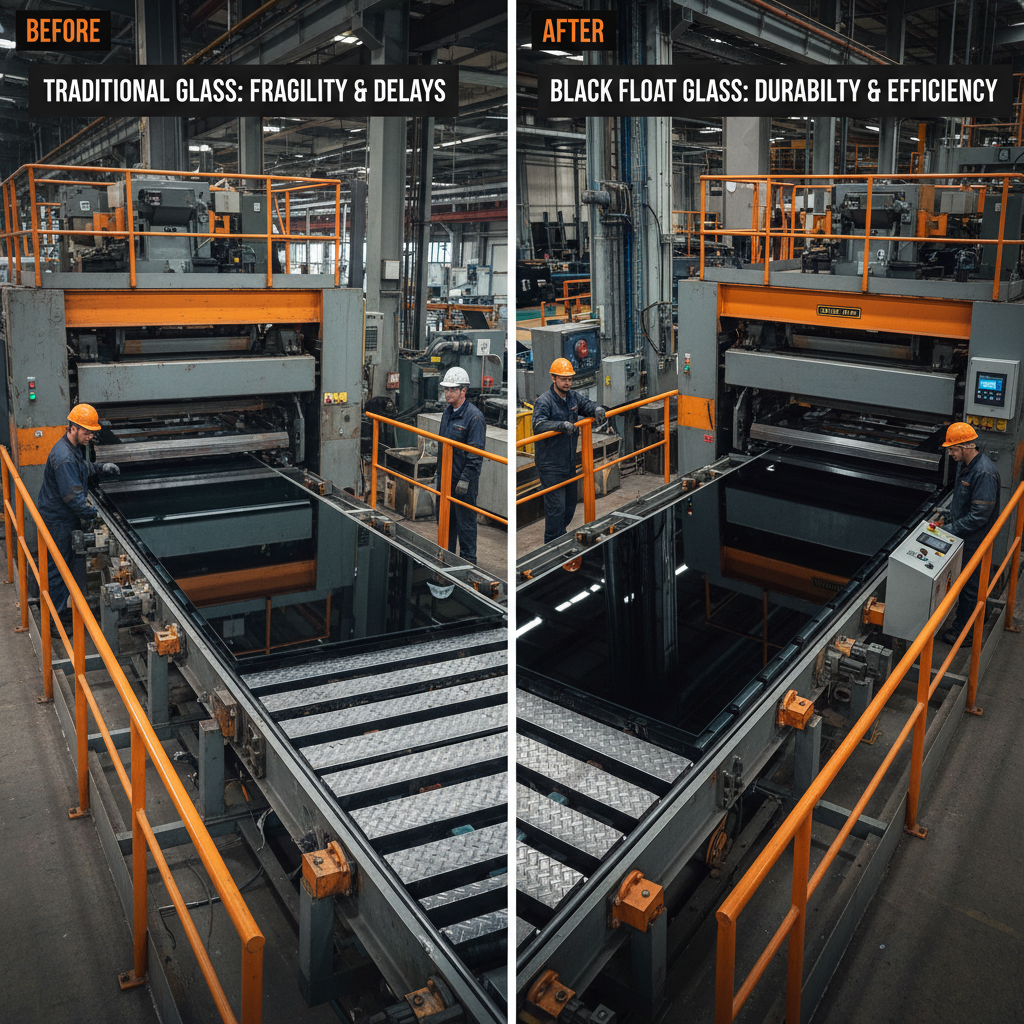
Black float glass, a sophisticated and versatile material, is increasingly sought after in architectural design and interior applications. Its distinctive aesthetic, coupled with its functional benefits, makes it a premium choice for various projects. This article delves into the characteristics of black float glass, its diverse uses, the manufacturing process, and where to source high-quality products like those offered by TP Top Glass. We'll explore its advantages and considerations for implementation, guiding you through the selection process for your next project. Black float glass is manufactured using the standard float glass process, but with the addition of metal oxides – typically iron oxide – during the melting stage. These oxides create the characteristic dark tint, offering a range of shades from light grey to deep black. The amount of oxide used determines the final color intensity. Unlike tinted glass achieved through coatings, the color of black float glass is inherent to the glass itself, making it durable and resistant to scratches.
8mm float glass is a versatile and widely used glass type in construction, automotive, and furniture industries. Renowned for its clarity, flatness, and durability, it’s a fundamental material for numerous applications. This article provides an in-depth look at the properties of 8mm float glass, its diverse uses, and factors to consider when sourcing a reliable supplier like TP Top Glass. We'll explore its advantages and considerations for optimal performance in various projects. Float glass is produced through a process where molten glass is floated on a bed of molten tin, creating a perfectly flat surface. The 8mm thickness is a popular choice because it strikes a balance between strength, weight, and cost. It offers greater rigidity and impact resistance compared to thinner glasses, while still being relatively lightweight and easy to handle. 8mm float glass is suitable for applications needing moderate strength and safety features, making it a practical choice for a wide range of projects.
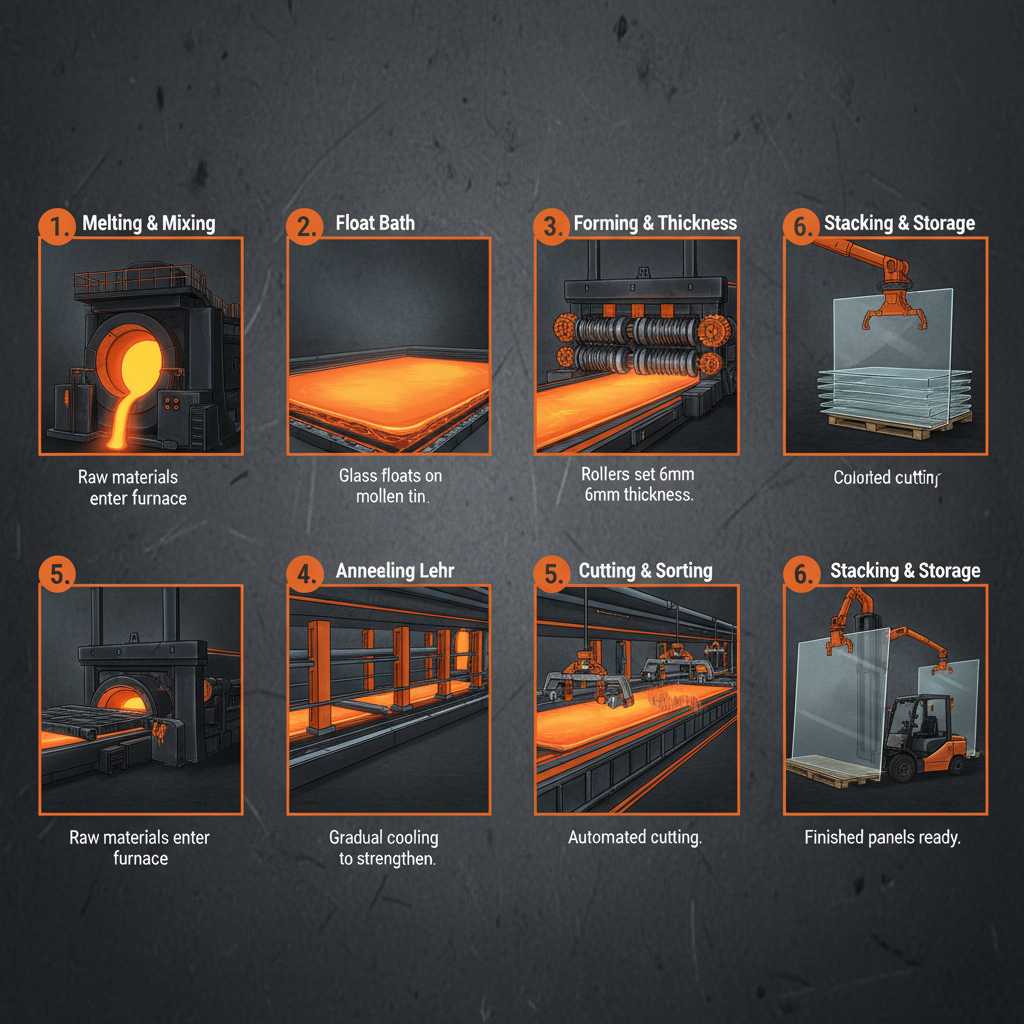
6mm float glass is a versatile and widely used glass type in numerous applications, from construction and furniture to automotive and decorative elements. Its clarity, strength, and affordability make it a popular choice for both residential and commercial projects. This article will delve into the properties, manufacturing process, applications, advantages, and considerations when working with 6mm float glass, offering a comprehensive guide for professionals and homeowners alike. Understanding the characteristics of this essential material can ensure optimal performance and longevity in any application. Float glass is manufactured using the float process, where molten glass is poured onto a bed of molten tin. This creates a perfectly flat and smooth surface on both sides, eliminating the need for grinding or polishing. The thickness of the glass is controlled during this process. 6mm float glass specifically refers to glass that is 6 millimeters thick.
5mm float glass is a versatile material widely used in various applications, from construction and automotive to furniture and decorative pieces. Its clarity, durability, and affordability make it a popular choice globally. This article provides an in-depth look at the properties, manufacturing process, applications, benefits, and considerations when working with 5mm float glass. We’ll explore why it’s a staple in the glass industry and where you can source high-quality 5mm float glass from reputable suppliers like Tptopglass. Float glass is manufactured through a process where molten glass is floated on a bed of molten tin. This creates a perfectly flat, smooth surface without the need for grinding or polishing. The glass is then cooled slowly and precisely cut to the desired thickness. 5mm float glass refers to the glass sheet having a thickness of 5 millimeters. This thickness provides a good balance between strength, weight, and cost-effectiveness. The process ensures minimal distortion and exceptional clarity, making it ideal for applications where visibility is paramount.
4mm float glass is a versatile and widely used glass type in numerous industries, from construction and automotive to furniture and decorative applications. Its clarity, strength, and affordability make it a popular choice for a diverse range of projects. This article will delve into the properties of 4mm float glass, its common uses, and factors to consider when sourcing a reliable supplier like Tptop Glass. We will explore its benefits and guide you on selecting the right glass for your specific needs. Float glass is manufactured using a process where molten glass is floated on a bed of molten tin. This process creates a perfectly flat and smooth surface, eliminating the distortions common in older glassmaking methods. 4mm float glass refers to the thickness of the glass sheet, meaning it is 4 millimeters thick. This thickness provides a good balance between strength, weight, and cost. The manufacturing process ensures excellent optical clarity, making it ideal for applications where visibility is paramount.
3mm float glass is a versatile material widely used in a variety of applications, from picture framing to architectural glazing. Its clarity, affordability, and ease of processing make it a popular choice for both residential and commercial projects. This article will delve into the properties, uses, benefits, and factors to consider when selecting 3mm float glass, providing a comprehensive guide for anyone looking to understand this essential building material. Choosing the right glass type is crucial for any project’s success, and understanding the nuances of 3mm float glass is a great place to start. Float glass is manufactured through a process where molten glass is floated on a bed of molten tin. This creates a remarkably flat and uniform surface, free from distortion. The resulting glass is then cooled and cut to various thicknesses. 3mm float glass specifically refers to glass that has been processed to a thickness of 3 millimeters. While other thicknesses are available (e.g., 4mm, 6mm, 10mm), 3mm is often favored for applications where weight and thinness are important considerations, such as picture frames and certain types of furniture.