
If you’ve wondered why museum vitrines, solar modules, and upscale storefronts suddenly look crisper, it’s because of ultra clear glass. To be honest, the shift felt quiet at first—engineers cared, designers gushed, and then end users started asking why their old displays looked “green.” Now the category is mainstream.
Origin matters too: this product is produced in Shahe City Economic Development Zone 32, Hebei, P.R. China—still one of the world’s densest glass manufacturing clusters. I’ve walked those lines; the consistency has improved year over year, surprisingly fast.
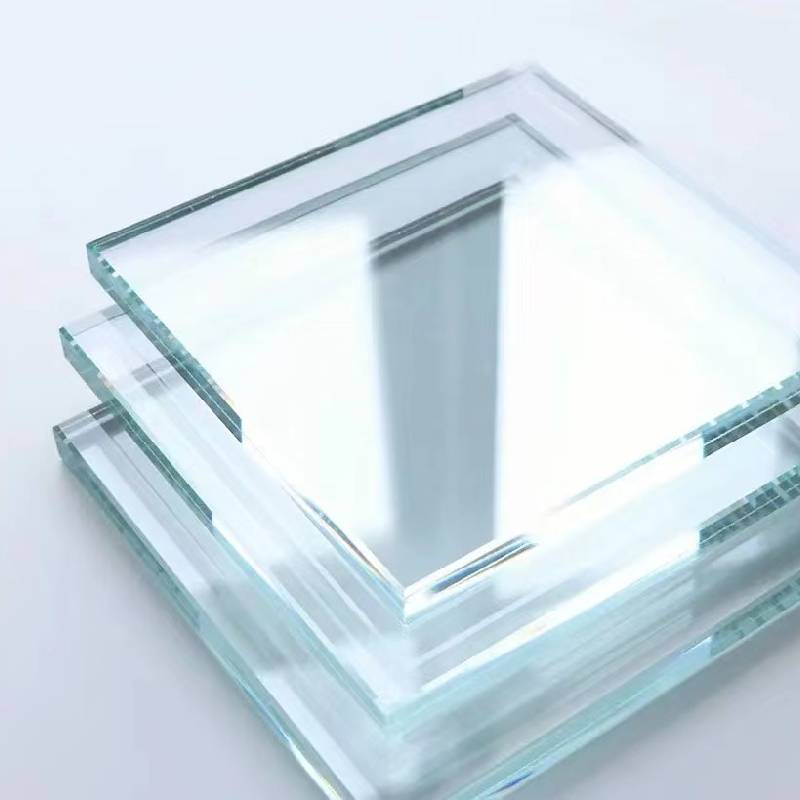
Architects want true‑color interiors; retailers want undistorted merchandising; solar teams chase every extra watt. ultra clear glass reduces the green tint by using low‑iron silica, so light transmission jumps a few percentage points. On paper that’s small; in the field, it’s obvious.
| Thickness | 3, 3.2, 4, 5, 6, 8, 10, 12, 15, 19 mm | HOT THICKNESS lineup |
| Standard Sheet Sizes | 300×2140; 3660×2140; 3300×2250; 3660×2250; 3300×2440; 3660×2440; 1650×2140/2250/2440; 1830×2140/2440 mm | HOT SIZE range |
| Iron (Fe2O3) | ≈0.015–0.02% | Low‑iron batch |
| Luminous Transmittance τv | ≈91–92% @ 3.2 mm; ≈89–90% @ 6 mm | ISO 9050/EN 410 methods |
| Haze | ≤0.3% | Typical lab data |
| Processing | Tempering (EN 12150), Lamination (EN 14449), IGU (EN 1279) | Post‑process ready |
- Materials: low‑iron silica sand, soda ash, limestone, dolomite; Fe2O3 tightly controlled.
- Float method: melt → tin bath → lehr anneal; optional tempering/lamination later.
- Testing: optical spectra per ISO 9050/EN 410; dimensional/tolerance per ASTM C1036; fragmentation per EN 12150; moisture/fog for IG per EN 1279.
- Service life: around 25–30 years in façades (proper IGU sealing); PV glass often exceeds 20 years under IEC climate tests.
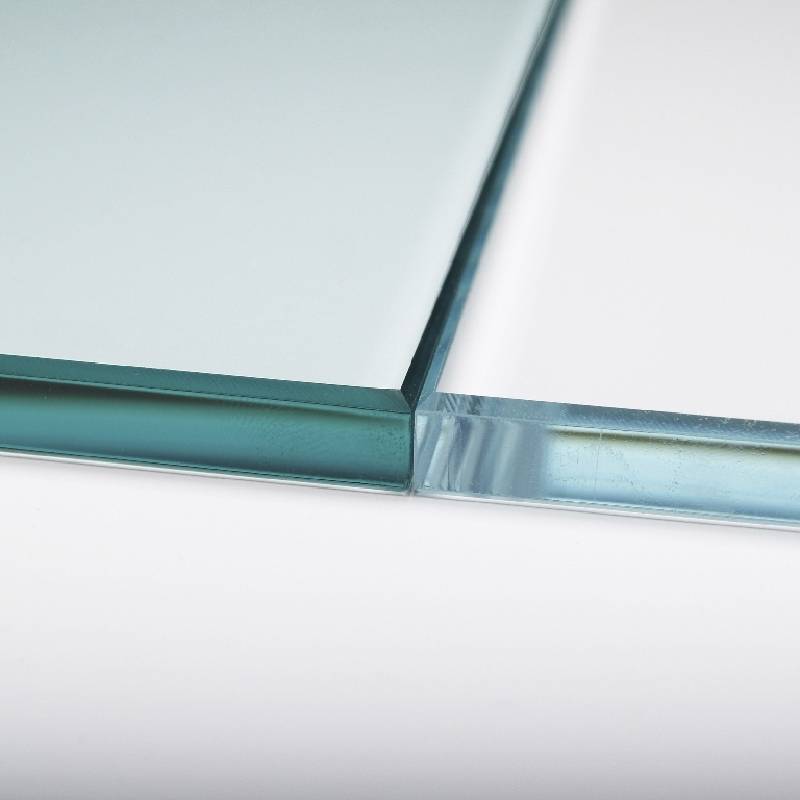
- Architecture: curtain walls, balustrades, canopies—colors read true, edges look premium.
- Retail/museum: showcases where color fidelity is critical; many customers say glare feels lower even before AR coating.
- Solar/PV and agrivoltaics: 3.2 mm sheets, sometimes with AR coating, yield measurable gain.
- Interiors: partitions, shower enclosures, furniture; I guess the “no‑green” aesthetic is addictive.
| Vendor | Fe2O3 (ppm) ≈ | τv @3.2 mm | Max Size | Certs | Lead Time |
|---|---|---|---|---|---|
| TPTOP Glass (Shahe, Hebei) | 150–200 | ≈91–92% | 3660×2440 mm | ISO 9001; EN/ASTM compliant | Fast (made‑to‑order) |
| Global Brand A | ≤200 | ≈91% | Up to 6000 mm (special) | ISO 9001/14001 | Moderate |
| Regional Fabricator B | 200–250 | ≈90% | ≤3300×2250 mm | Factory‑specific | Quick for small lots |
Thickness 3–19 mm; tailored sizes; polished/beveled edges; CNC cut‑outs; heat‑strengthened/tempered; SGP/PVB lamination; AR/low‑reflective coating; silk‑screen printing; IGU assembly. With ultra clear glass, color‑critical projects see the biggest upside.
- Museum retrofit (EU): 12 mm laminated ultra clear glass showcases; curator feedback—“reds no longer look muddy,” measured ΔE improvement ≈ 15% vs standard float.
- PV greenhouse (APAC): 3.2 mm AR‑coated ultra clear glass lifted annual yield by ~2–3% while improving crop light levels—small on paper, big on ROI.
Compliant builds typically reference ASTM C1036/C1048, EN 410/EN 1279/EN 12150, EN 14449 for laminates, and ISO 9050 for optical data. PV applications often look to IEC 61215/61730 for module durability. Certificates (ISO 9001) and factory spectrophotometer reports are available on request.
References:
1) ASTM C1036 – Standard Specification for Flat Glass
2) EN 12150 – Thermally Toughened Safety Glass
3) EN 410 / ISO 9050 – Light and solar properties of glazing
4) EN 1279 – Insulating Glass Units
5) IEC 61215 / IEC 61730 – PV module performance and safety

เขตพัฒนาเศรษฐกิจเมือง Shahe 32, hebei, PR. China

+8618686009698
+8613191439158

eoch@shtopglass.com
jason@shtopglass.com