Understanding types of tinted glass for Industrial and Architectural Applications
In modern construction, automotive, and specialized industrial sectors, the demand for advanced glazing solutions that offer both aesthetic appeal and enhanced functional performance is ever-growing. Among these, tinted glass stands out as a critical material, providing benefits ranging from solar control and privacy to glare reduction and energy efficiency. This comprehensive guide explores the various types of tinted glass, detailing their manufacturing, technical specifications, application advantages, and market trends for B2B decision-makers.
Tinted glass achieves its characteristic color and performance attributes through the incorporation of specific metal oxides into the glass composition during the manufacturing process. This intrinsic coloring ensures long-lasting uniformity and prevents fading, unlike films or coatings. Key benefits include reduced solar heat gain, decreased glare, enhanced privacy, and UV radiation blockage, making it an indispensable material for sustainable and comfortable environments.
The Manufacturing Process of Tinted Glass
The production of tinted glass is a sophisticated process, primarily utilizing the float glass method, adapted to integrate coloring agents. This ensures high optical clarity, uniform thickness, and consistent tint across large sheets.
Materials and Composition:
- Base Materials: High-quality silica sand, soda ash, limestone, and dolomite form the primary components, melted at extremely high temperatures.
- Coloring Agents: Specific metal oxides are introduced to achieve the desired tint. For example:
- Bronze Tinted Glass: Often uses iron oxide and selenium.
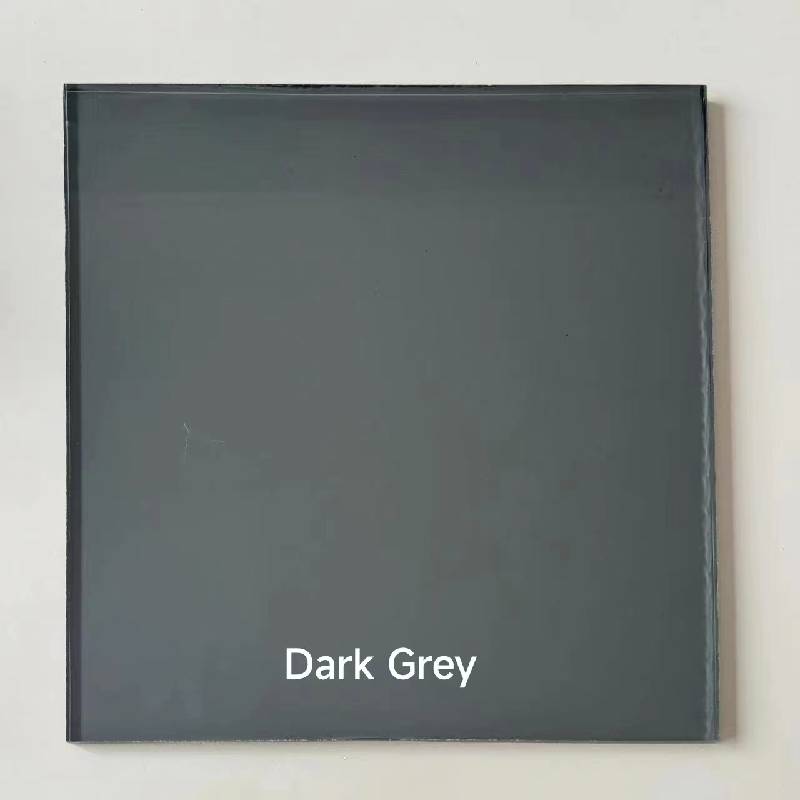
- Grey/Black Tinted Glass: Incorporates iron, nickel, and cobalt oxides to achieve various shades, including black tinted glass.
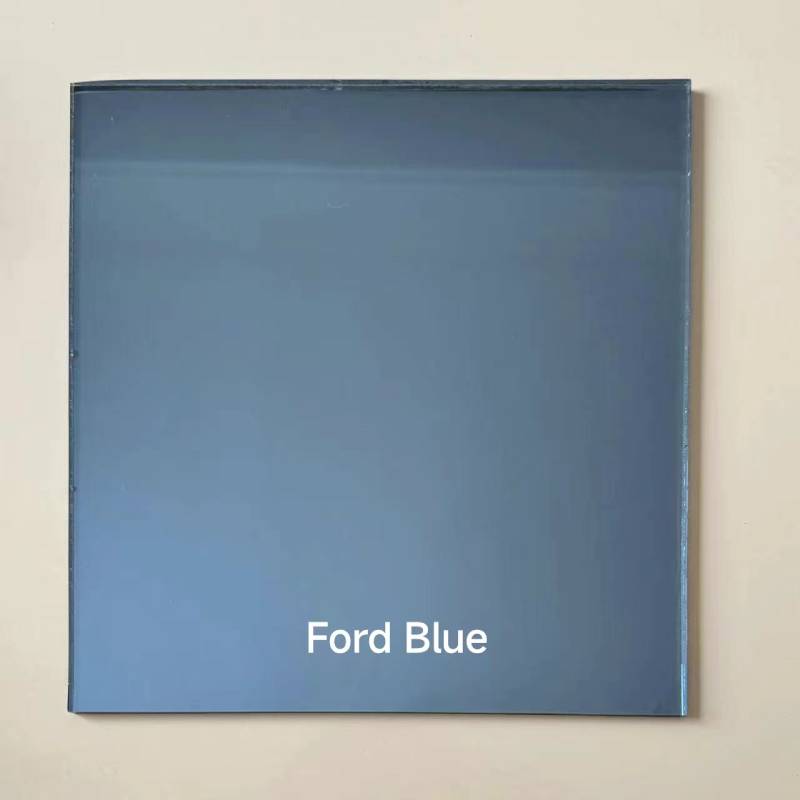
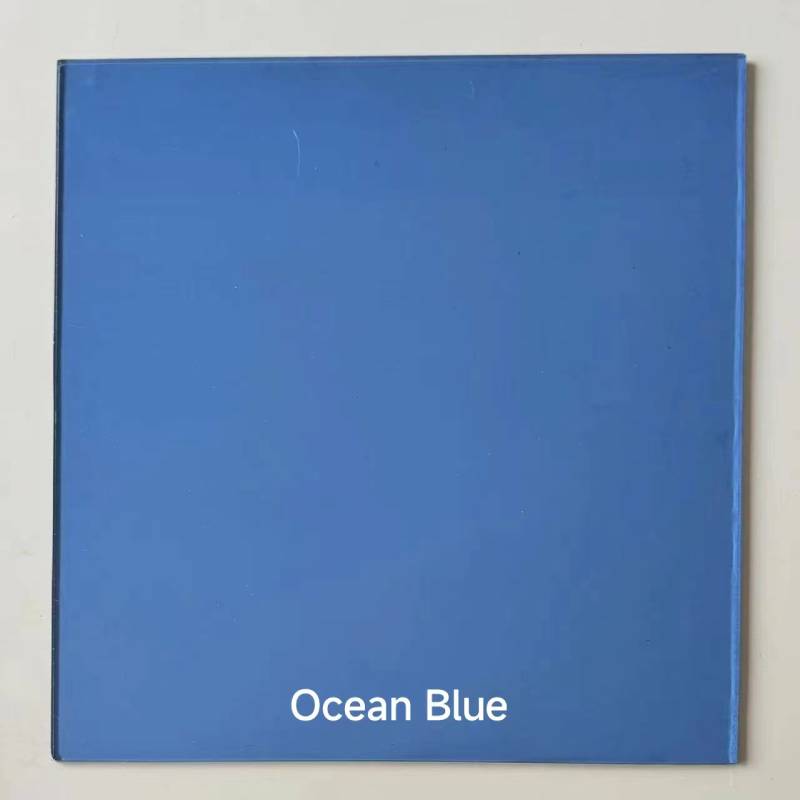
- Blue Tinted Glass: Achieved with cobalt, iron, and selenium oxides.
- Green Tinted Glass: Primarily uses iron oxides.
Process Flow (Float Glass Method with Tinting):
- Batch Mixing: Raw materials, including coloring agents, are precisely weighed and thoroughly mixed.
- Melting: The batch is fed into a furnace where it is heated to approximately 1600°C, transforming into molten glass.
- Float Bath: The molten glass flows from the furnace onto a bath of molten tin. The glass floats on the tin, spreading out evenly to form a flat, parallel surface due to gravity and surface tension. The controlled atmosphere in the tin bath prevents oxidation.
- Cooling and Annealing: As the glass moves along the tin bath, it gradually cools. It then enters an annealing lehr, where it is slowly cooled to room temperature. This controlled cooling process relieves internal stresses, preventing cracking and enhancing durability.
- Cutting and Inspection: Once cooled, the continuous ribbon of tinted glass is cut into specified dimensions. Each sheet undergoes rigorous quality inspection for optical clarity, color consistency, and dimensional accuracy.
Testing Standards: Our tinted glass products adhere strictly to international standards such as ISO (International Organization for Standardization) for quality management and environmental performance (e.g., ISO 9001, ISO 14001), and ANSI (American National Standards Institute) standards (e.g., ANSI Z97.1 for safety glazing). Compliance with these standards guarantees product reliability and safety for diverse applications.
Technical Specifications and Performance Parameters
The performance of types of tinted glass is quantified by several key technical parameters, crucial for architects and engineers in selecting the appropriate solution. These parameters directly influence energy efficiency, visual comfort, and structural integrity.
Typical Technical Specifications for Tinted Glass (6mm Thickness)
| Parameter |
Clear Glass (Reference) |
Bronze Tinted Glass |
Grey/Black Tinted Glass |
Blue Tinted Glass |
| Visible Light Transmittance (VLT) |
~90% |
40-60% |
30-50% |
50-70% |
| Solar Heat Gain Coefficient (SHGC) |
~0.88 |
0.50-0.70 |
0.45-0.65 |
0.55-0.75 |
| UV Transmittance |
~80% |
30-50% |
25-45% |
40-60% |
| Visible Light Reflectance (VLR) |
~8% |
6-10% |
5-9% |
7-11% |
| U-Value (W/m²K) |
~5.7 |
~5.6 |
~5.6 |
~5.6 |
Service Life: When properly installed and maintained, tinted glass has an exceptionally long service life, often exceeding 30-50 years, retaining its color and structural integrity throughout its operational period. This longevity contributes significantly to lower lifecycle costs for building materials.
Industry Trends and Market Dynamics
The market for tinted glass is evolving rapidly, driven by sustainability initiatives, smart building technologies, and aesthetic preferences.
- Sustainable Construction: Growing emphasis on green building certifications (e.g., LEED, BREEAM) fuels demand for energy-efficient glazing solutions. Tinted glass, by reducing solar heat gain, significantly lowers cooling loads, contributing to substantial energy savings.
- Aesthetic Versatility: Architects are increasingly leveraging the diverse color palette of types of tinted glass, including bronze tinted glass, blue tinted glass, and black tinted glass, to create distinct and appealing building facades. This trend is prominent in commercial high-rises and luxury residential projects.
- Integration with Smart Technologies: While not intrinsically "smart," tinted glass is often integrated into smart building envelopes, complementing switchable glass (electrochromic) or automated shading systems to optimize light and temperature control.
- Enhanced Privacy and Security: For sensitive applications, the reduced visibility offered by darker tints provides an added layer of privacy and security, particularly in data centers, government buildings, and financial institutions.
- Global Demand: The Asia-Pacific region, particularly China and India, is witnessing significant growth in construction and infrastructure development, driving the demand for high-performance architectural glass, including various types of tinted glass.
The market for tinted glass for sale is robust, with continuous innovation focusing on improving thermal performance and optical properties without compromising aesthetic integrity.
Application Scenarios and Technical Advantages
The versatility of tinted glass makes it suitable for a wide array of applications across various target industries.
Target Industries:
- Architectural (Commercial & Residential): Facades, windows, skylights, interior partitions, balconies.
- Automotive: Car windows, sunroofs, enhancing privacy and reducing solar glare.
- Marine: Boat windows and portholes, offering UV protection and glare reduction.
- Specialized Industrial: Control room windows, observation panels in environments where solar heat management and glare control are critical. For instance, in petrochemical plants for administrative buildings, or metallurgy facilities.
- Water Supply & Drainage: Glazing for control centers and visitor facilities.
Key Technical Advantages:
- Energy Saving: By absorbing and reflecting a significant portion of solar radiation, tinted glass reduces heat transfer into buildings, thereby decreasing the reliance on air conditioning systems. This translates into lower energy consumption and operational costs.
- Glare Reduction: Darker tints significantly cut down harsh glare from direct sunlight, improving visual comfort for occupants and preventing eye strain, especially critical in office environments or control rooms.
- UV Protection: Tinted glass blocks a substantial amount of harmful UV radiation, protecting interior furnishings, artwork, and occupants from fading and damage. This is particularly valuable for retail storefronts and museums.
- Enhanced Privacy: The reduced transparency of tinted glass provides increased privacy during daylight hours, preventing clear views into buildings from the outside.
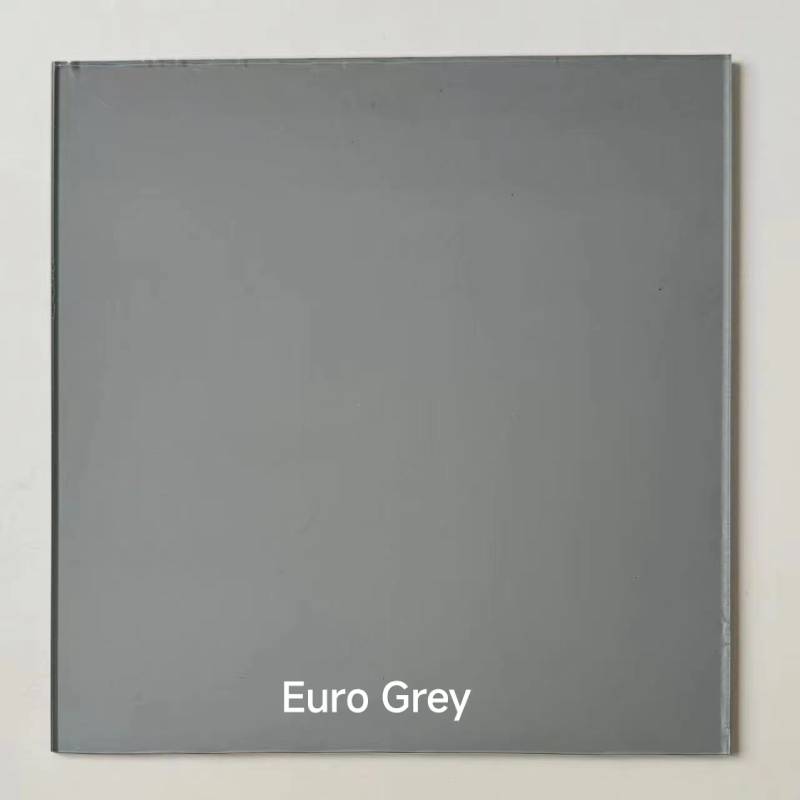
- Aesthetic Appeal: Available in a spectrum of colors—bronze tinted glass, blue tinted glass, grey, and black tinted glass—it offers design flexibility, allowing architects to create distinctive building envelopes that harmonize with urban landscapes or corporate branding.
- Durability & Corrosion Resistance: As the tint is integral to the glass composition, it is highly durable, resistant to scratching, fading, and chemical corrosion, ensuring sustained performance and appearance over decades.
Vendor Comparison and Customized Solutions
When sourcing tinted glass for sale, it's crucial to evaluate vendors based on quality, customization capabilities, and support.
Key Differentiation Factors Among Vendors:
- Product Quality & Consistency: Leading vendors ensure uniform tint, thickness, and optical clarity across all batches, adhering to strict ISO standards. Our company, for instance, has over 15 years of experience in manufacturing high-quality glass products, ensuring consistent performance.
- Certification & Compliance: Reputable suppliers provide products certified to relevant international standards (e.g., ISO, ANSI, CE), demonstrating adherence to quality and safety regulations. Our products are rigorously tested and certified.
- Customization Capabilities: The ability to provide bespoke solutions in terms of thickness, dimensions, tint intensity, and even specialized treatments (e.g., tempering, laminating for safety) is a significant advantage.
- Technical Support & After-Sales Service: Comprehensive support from initial consultation to installation guidance and warranty claims is vital for complex projects.
- Supply Chain Reliability: For large-scale projects, a vendor's ability to maintain consistent supply, manage logistics, and meet deadlines is paramount. We have robust logistics networks to ensure timely delivery.
Customized Solutions:
We specialize in providing tailored tinted glass solutions to meet unique project requirements. This includes:
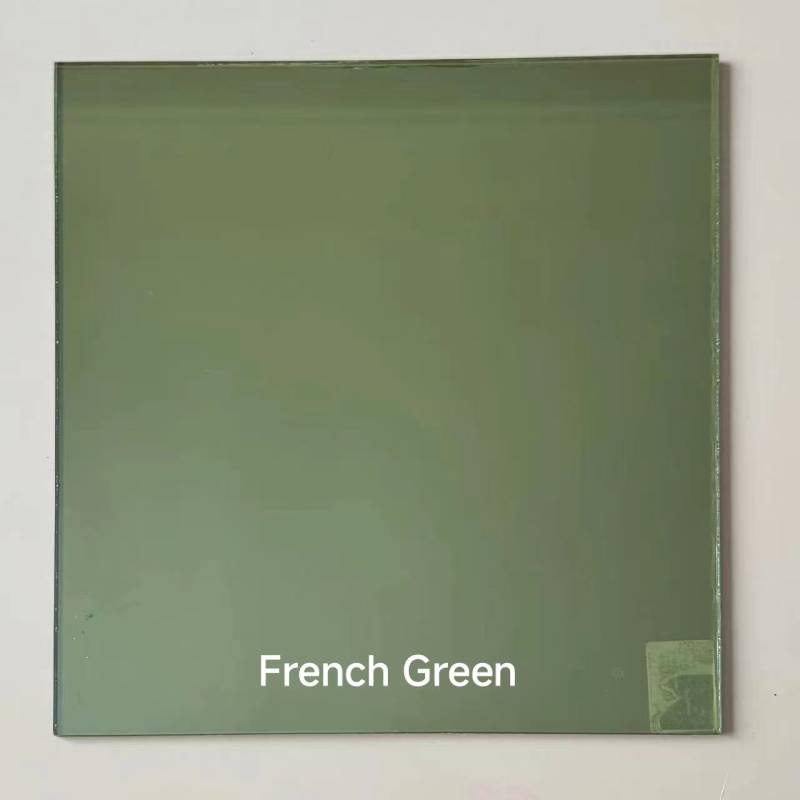
- Specific Color Matching: Developing custom tint shades to align with precise architectural designs or brand aesthetics.
- Dimension and Thickness Variations: Manufacturing glass panels in non-standard sizes and thicknesses to fit unique structural demands, including oversized panels for modern facades.
- Performance Optimization: Adjusting the metal oxide composition to fine-tune VLT, SHGC, and UV blockage for specific climate zones or building orientations, optimizing for energy efficiency and occupant comfort.
- Integration with Advanced Glazing: Offering tinted glass as a component in insulated glass units (IGUs) or laminated glass for enhanced thermal, acoustic, or security performance.
- Edge Work and Fabrication: Providing precision edge finishing (e.g., polished, beveled) and hole drilling or cutouts for hardware integration.
Application Case Studies and Customer Feedback
Our types of tinted glass have been successfully implemented in numerous high-profile projects, demonstrating tangible benefits.
Case Study 1: Commercial Office Tower – Energy Efficiency Upgrade
Client: Major real estate developer in a hot climate region.
Challenge: Excessive solar heat gain and glare significantly increased cooling costs and reduced occupant comfort.
Solution: Installation of 10,000 m² of 8mm blue tinted glass (SHGC 0.55, VLT 60%) in an insulated glass unit configuration.
Results: Post-installation, the building reported a 28% reduction in annual cooling energy consumption. Occupant feedback indicated a marked improvement in thermal comfort and a reduction in glare, enhancing productivity. The blue tinted glass also provided a distinct, modern aesthetic to the facade.
Case Study 2: Luxury Residential Complex – Privacy and Aesthetics
Client: High-end residential construction firm.
Challenge: Desired enhanced privacy for residents and a sophisticated architectural look while maintaining good natural light.
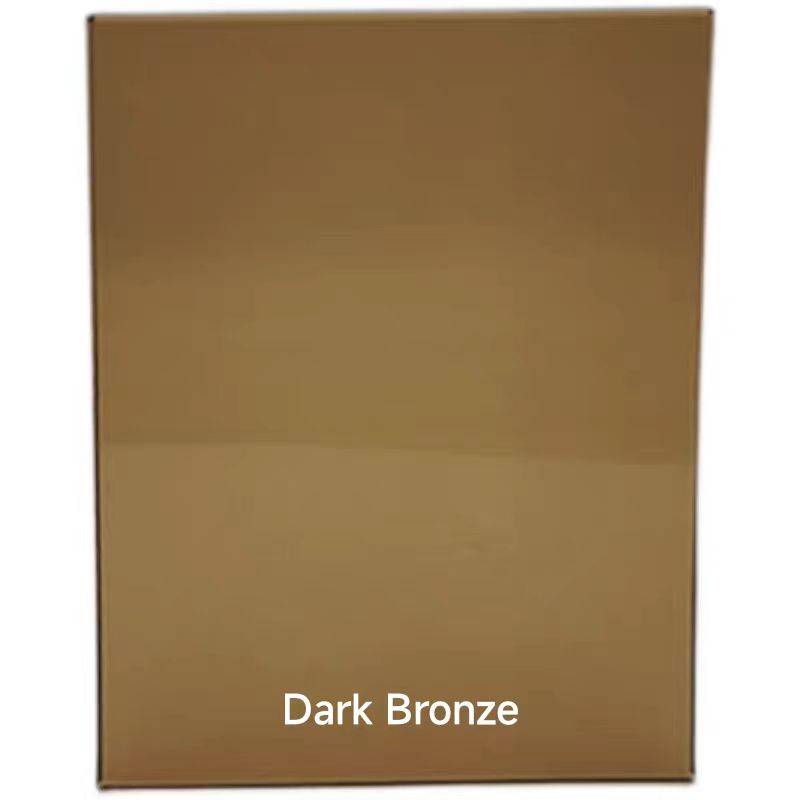
Solution: Utilized 6mm bronze tinted glass for all exterior windows and balcony railings.
Results: The bronze tint provided an elegant, warm aesthetic that complemented the building's materials. Residents highly appreciated the increased daytime privacy without sacrificing natural illumination. The UV blocking properties also protected interior furnishings from sun damage.
Customer Feedback:
"We have consistently relied on their tinted glass for our commercial projects for over a decade. Their black tinted glass provided the perfect balance of aesthetic appeal and solar control for our latest skyscraper, helping us achieve significant energy savings and tenant satisfaction."
— Senior Procurement Manager, Global Construction Group
Trustworthiness and Support
Building long-term B2B relationships is founded on trust, reliability, and unparalleled support. We are committed to transparency and customer satisfaction.
Frequently Asked Questions (FAQ):
Q: What is the lead time for custom tinted glass orders?
A: Standard tinted glass orders typically have a lead time of 2-3 weeks from order confirmation. Custom specifications or large volume projects may require 4-6 weeks, subject to complexity and material availability. We prioritize clear communication on fulfillment schedules.
Q: How does tinted glass compare to applied films in terms of durability?
A: Tinted glass, where the color is integral to the glass composition, offers superior durability, scratch resistance, and color stability compared to applied films. Films can peel, bubble, or fade over time, whereas our tinted glass maintains its performance and appearance for decades.
Q: Can your tinted glass be tempered or laminated?
A: Yes, our types of tinted glass can undergo further processing, including tempering for enhanced safety and strength, or lamination for increased security and acoustic performance. These processes meet relevant safety standards like ANSI Z97.1 and EN 12150.
Lead Time & Fulfillment:
We operate with a highly efficient manufacturing and logistics pipeline. For standard sizes and commonly requested types of tinted glass, we aim for a fulfillment period of 15-20 business days. For large-scale or highly customized orders, a detailed production and delivery schedule will be provided and mutually agreed upon, ensuring transparency and adherence to project timelines.
Warranty Commitments:
All our tinted glass products come with a comprehensive 10-year limited warranty against manufacturing defects, delamination, and significant color degradation under normal use. This commitment underscores our confidence in product quality and longevity. Specific terms and conditions are available upon request.
Customer Support:
Our dedicated customer support team is available from 9 AM to 5 PM (GMT+8), Monday through Friday, to assist with technical queries, order tracking, and after-sales support. We provide expert advice on product selection, installation best practices, and maintenance. Reach us via phone, email, or through our website's contact portal for prompt assistance.
Conclusion
The diverse types of tinted glass offer a compelling solution for a myriad of architectural and industrial challenges. From enhancing energy efficiency and reducing glare to providing privacy and unique aesthetic appeal, its inherent properties make it a superior choice for forward-thinking projects. As a professional B2B provider, we are dedicated to delivering high-performance, customizable tinted glass solutions backed by robust manufacturing, stringent quality control, and exceptional customer support. Partner with us to achieve your project's optimal glazing performance and design vision.
References:
- 1. International Organization for Standardization (ISO). (n.d.). ISO 9001: Quality management systems.
- 2. American National Standards Institute (ANSI). (n.d.). ANSI Z97.1: Safety Glazing Materials Used in Buildings.
- 3. European Committee for Standardization (CEN). (n.d.). EN 12150: Glass in building - Thermally toughened soda lime silicate safety glass.
- 4. U.S. Department of Energy. (n.d.). Energy-Efficient Windows.
- 5. Building Research Establishment Environmental Assessment Method (BREEAM). (n.d.). Building standards and certification.
- 6. Leadership in Energy and Environmental Design (LEED). (n.d.). Green building rating system.