



Eastern float glass represents a significant advancement in glass manufacturing, offering superior quality and versatility for a wide range of applications. Produced using the float process, this type of glass is renowned for its clarity, flatness, and consistency. This article will delve into the characteristics of eastern float glass, its manufacturing process, diverse applications, and why Tptopglass is a trusted supplier. Understanding the nuances of float glass is crucial for architects, builders, and manufacturers alike.
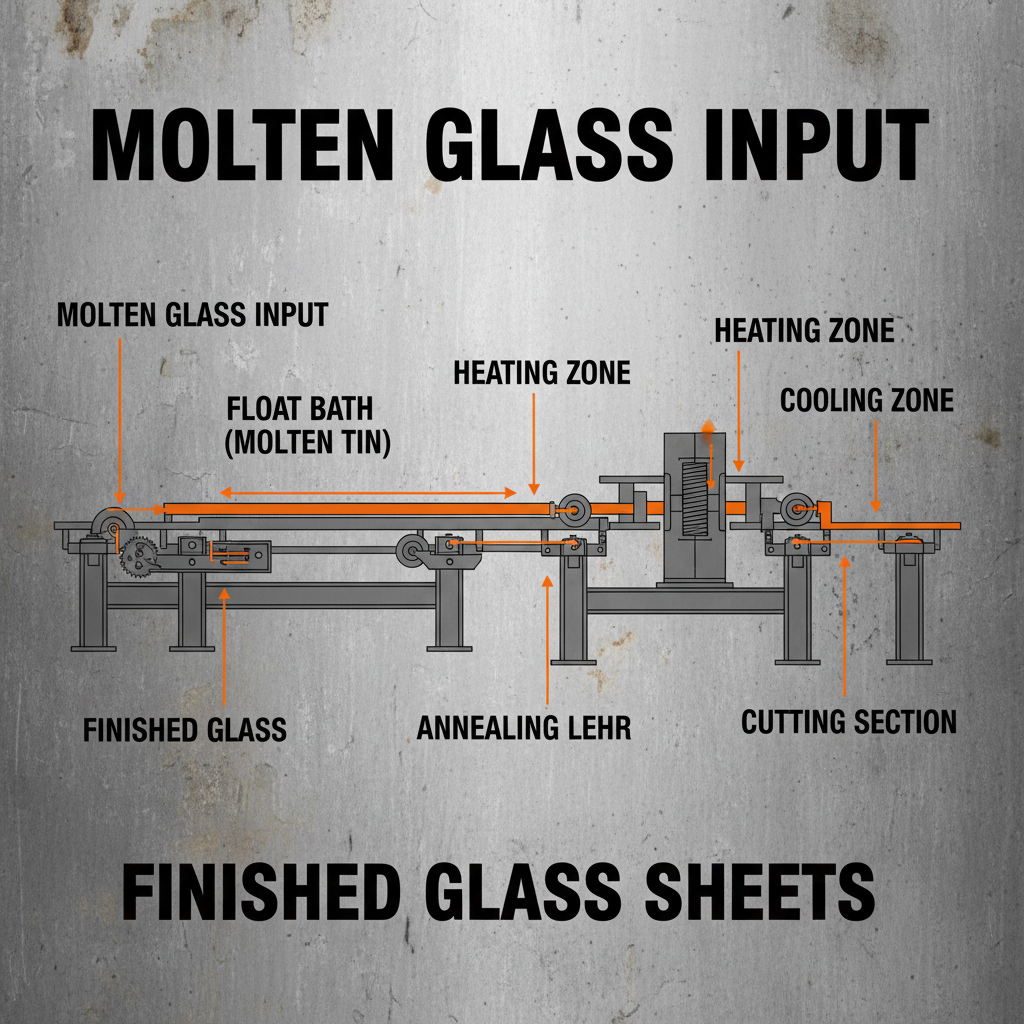
The float glass process, invented by Pilkington in the 1950s, revolutionized glass production. Molten glass is poured onto a bath of molten tin, creating a perfectly flat surface. This method eliminates the distortion found in older sheet glass manufacturing techniques. The glass then slowly cools as it moves along the tin bath, solidifying into a consistent, high-quality product. This process results in glass that is exceptionally flat, smooth, and free from imperfections. The precise temperature control and consistent cooling contribute to the superior optical properties of eastern float glass.
Key Benefit: Superior flatness, consistent thickness, and optical clarity, making it ideal for architectural and automotive applications.
Eastern float glass’s versatile properties make it suitable for an extensive array of applications. These include architectural glazing for commercial buildings and residential homes, automotive windshields and windows, furniture components, mirrors, and decorative glass elements. The ability to further process float glass – through cutting, bending, laminating, tempering, and coating – expands its possibilities even further. From energy-efficient windows to durable automotive glass, the applications are seemingly limitless. Tptopglass offers a comprehensive range of float glass options to meet diverse project requirements.
Common Applications:
• Architectural Windows & Doors
• Automotive Glazing
• Mirrors
• Furniture Glass
• Display Cases
Eastern float glass is available in a variety of thicknesses, ranging from 2mm to 19mm, catering to different structural and performance needs. Standard thicknesses include 3mm, 4mm, 5mm, 6mm, 8mm, 10mm, and 12mm. Different glass types also offer varied characteristics. Clear float glass provides maximum light transmission, while tinted glass offers solar control and aesthetic appeal. Low-E coatings can be applied to enhance energy efficiency by reducing heat transfer. The following table outlines common specifications:
Tptopglass is a leading supplier of high-quality eastern float glass, committed to providing exceptional products and customer service. We offer a wide range of glass types and thicknesses, along with customized cutting and processing services. Our rigorous quality control procedures ensure that every sheet of glass meets the highest standards. With competitive pricing and reliable delivery, Tptopglass is the ideal partner for your glass requirements. We pride ourselves on our ability to deliver tailored solutions, meeting the specific needs of each project.
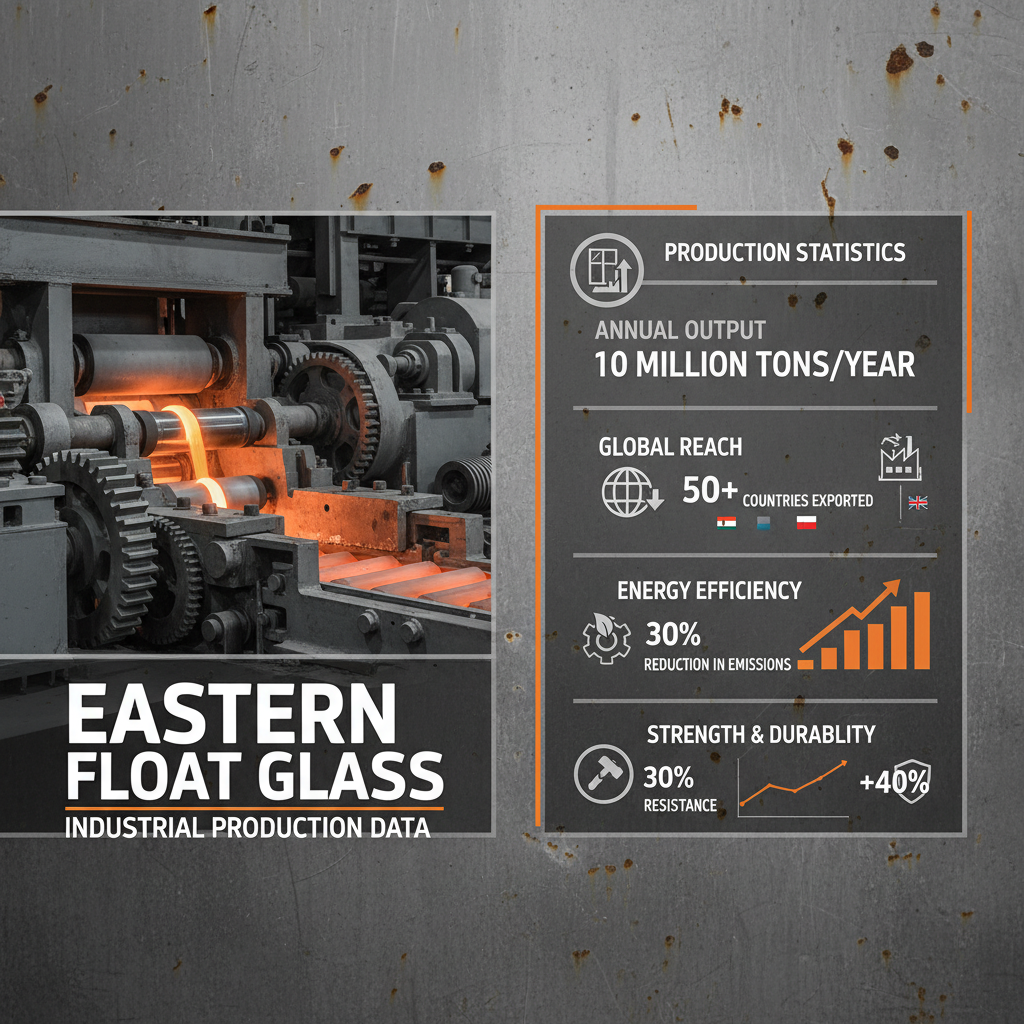
Ongoing research and development continue to drive innovation in float glass technology. New coatings are being developed to improve energy efficiency and solar control, while advancements in glass composition are enhancing its strength and durability. Sustainable manufacturing practices are also gaining prominence, aiming to reduce the environmental impact of glass production. As demand for high-performance glass grows, we can expect to see continued advancements in this vital material.
Eastern float glass remains an essential material for numerous industries, offering a unique combination of clarity, strength, and versatility. Tptopglass is dedicated to providing our customers with the highest quality float glass products and exceptional service. Whether you require standard thicknesses or customized solutions, we are here to meet your needs.
Float glass is manufactured by floating molten glass on a bed of molten tin, resulting in a perfectly flat surface and eliminating the distortions common in older sheet glass manufacturing methods. Sheet glass, by contrast, is typically produced using a rolling process. This results in a less uniform thickness and a potential for surface imperfections. Float glass is generally preferred for applications requiring optical clarity and dimensional accuracy.
Yes, float glass can be further processed through tempering or lamination to enhance its strength and safety characteristics. Tempering involves heating the glass to a high temperature and then rapidly cooling it, creating a hardened surface. Lamination involves bonding two or more layers of glass together with an interlayer material, preventing shattering. Both processes significantly improve the glass's resistance to impact and breakage.
Low-E (low emissivity) coated float glass offers significant energy-saving benefits. The coating reduces the amount of heat transferred through the glass, keeping buildings cooler in the summer and warmer in the winter. This translates to lower energy bills and reduced carbon emissions. Low-E coatings also block harmful UV rays, protecting interior furnishings from fading.
Float glass should be stored indoors, in a dry, level area, protected from direct sunlight and extreme temperatures. It should be supported on a flat, even surface to prevent stress and breakage. Avoid stacking sheets of glass directly on top of each other without adequate separation. Use protective interlayers, such as cardboard or foam padding, to prevent scratches and chipping.

Shahe City economic Development Zone 32,hebei,P.R .China.

+8618686009698
+8613191439158

eoch@shtopglass.com
jason@shtopglass.com