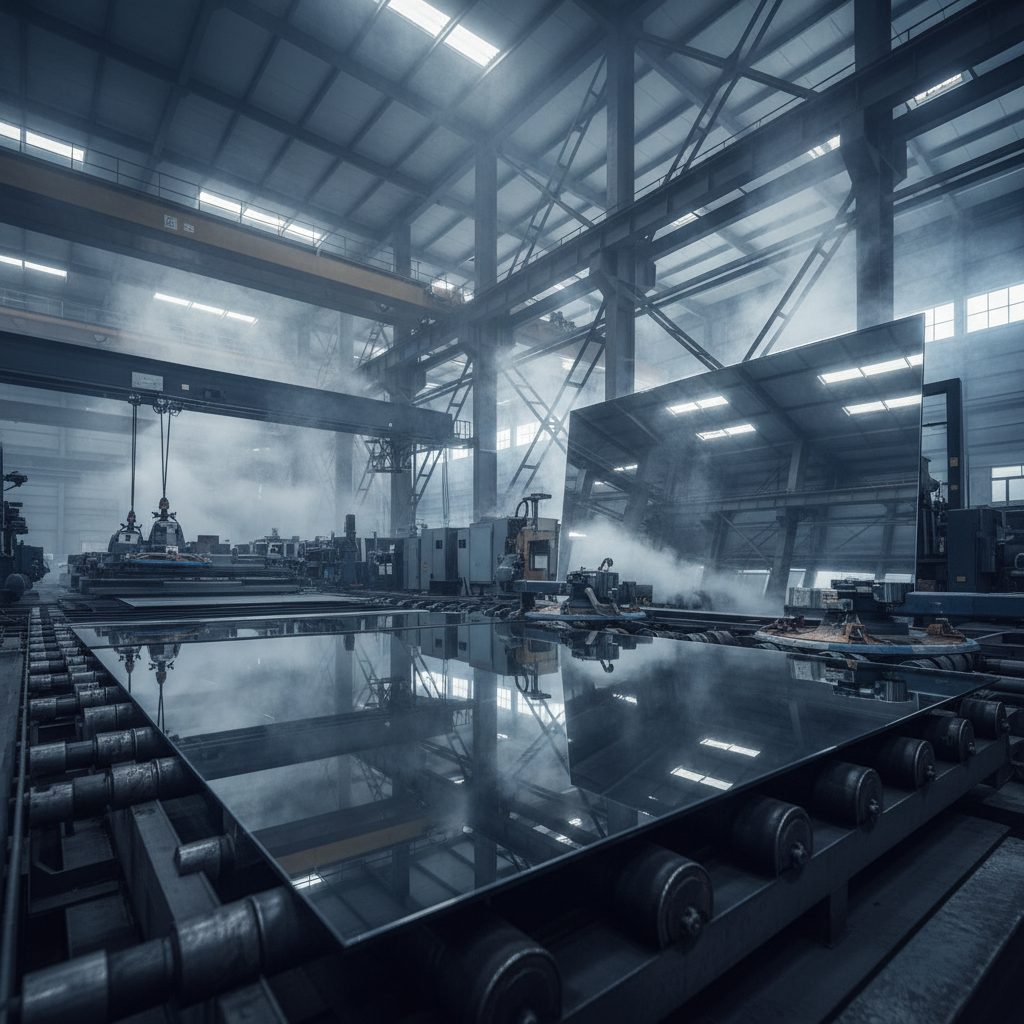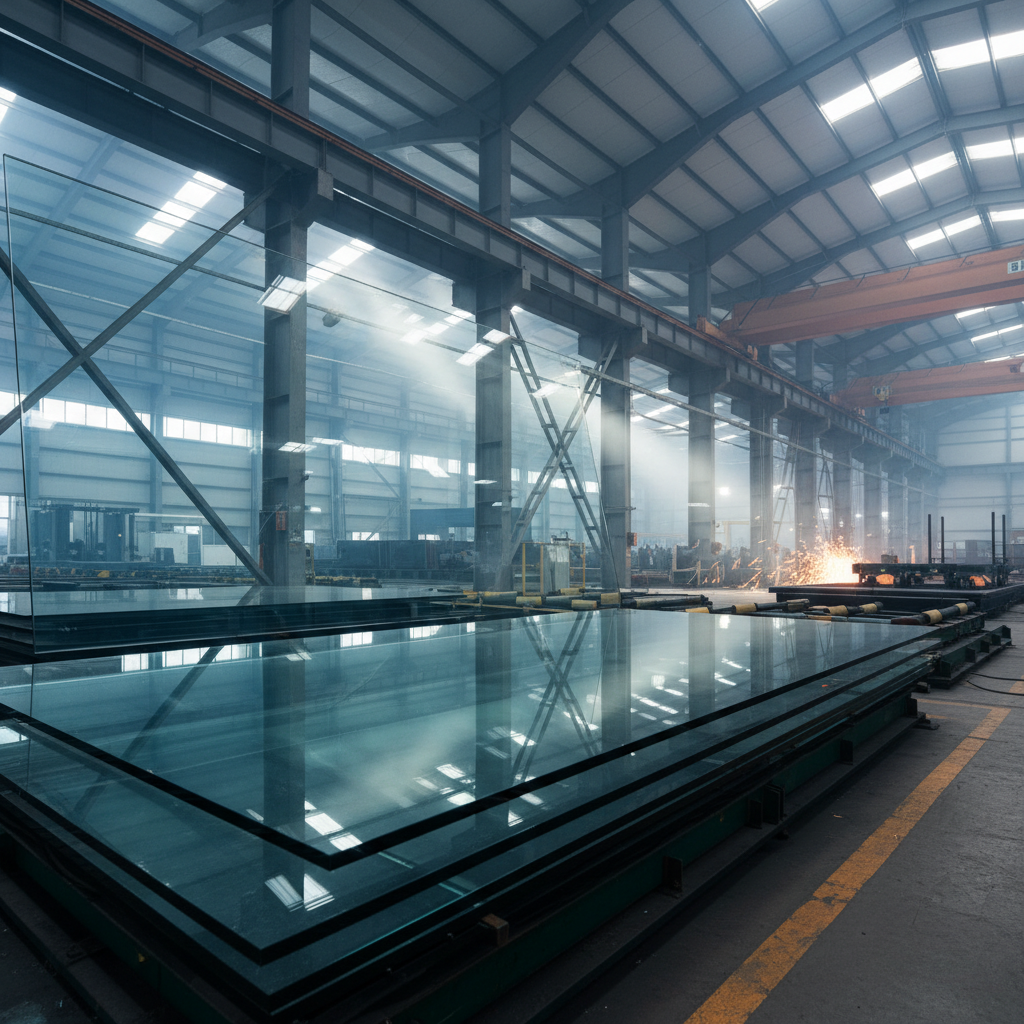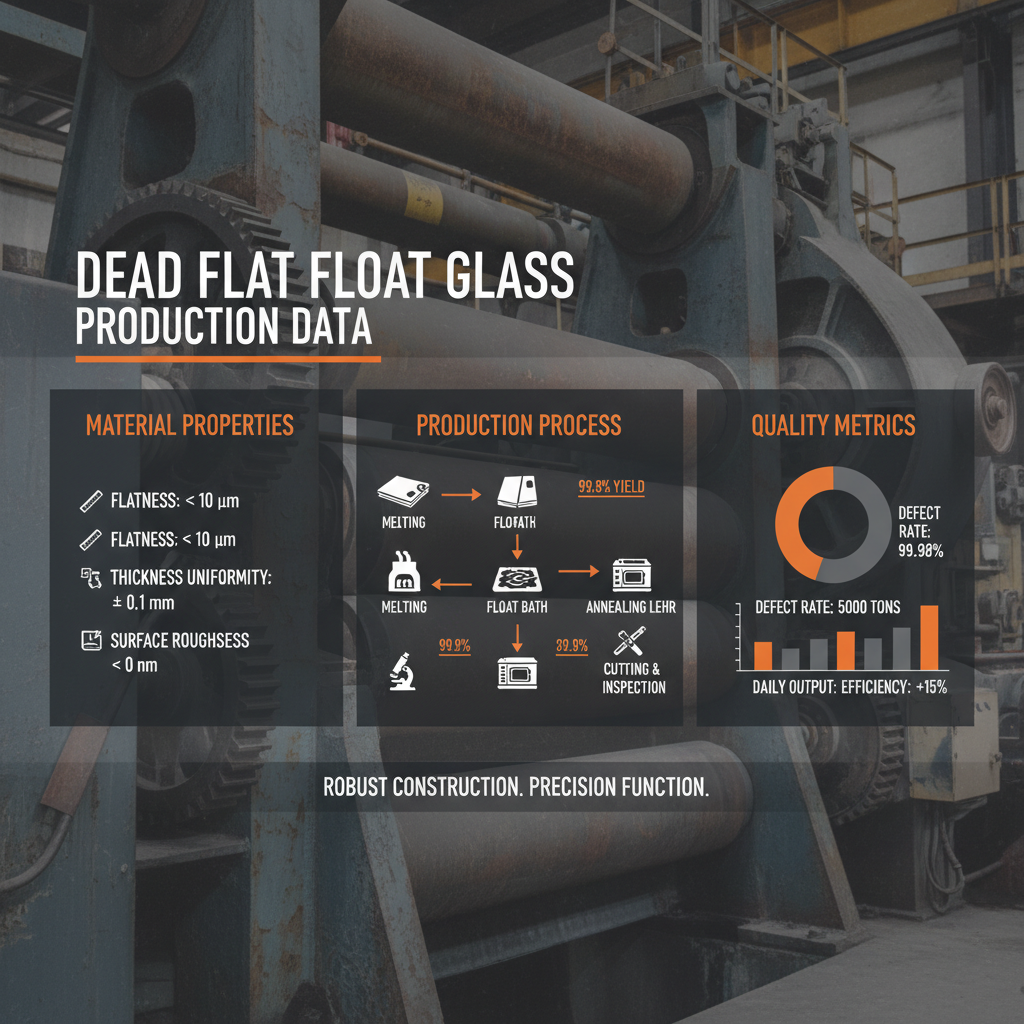



Float glass china—it's more than just panes in a window. After years spent walking construction sites, feeling the grit under my boots, and talking to the folks who actually build things, I can tell you it’s foundational. It’s in almost everything: homes, skyscrapers, cars, solar panels, even your smartphone screen. And increasingly, the demand for high-quality, reliably sourced float glass is exploding globally. China, as the world’s manufacturing powerhouse, has become central to meeting that demand, offering not just volume but also rapidly improving quality and innovation. It's not just about cheap imports anymore; it's about strategic partnerships and a growing capability to deliver specialized glass solutions.
We’re seeing a real shift in construction, and float glass china is driving a lot of it. Projects are demanding larger, thinner, and more energy-efficient glass. Architects are pushing boundaries with complex designs, and engineers need materials that can meet increasingly stringent safety standards. The supply chain has to be rock solid, because delays cost money—big money. This isn’t just a materials issue; it's a logistical one. And China's ability to scale up production and deliver consistently is a huge factor in keeping projects on track.
It’s easy to get lost in specs and certifications, but at the end of the day, float glass china impacts real people. From the comfort of their homes to the safety of their workplaces, it's a critical component of modern life. Getting it right—from raw materials to finished product—is a serious responsibility. That’s why understanding the nuances of the Chinese float glass industry, its capabilities, and its challenges, is so vital for anyone involved in construction, manufacturing, or global supply chains.
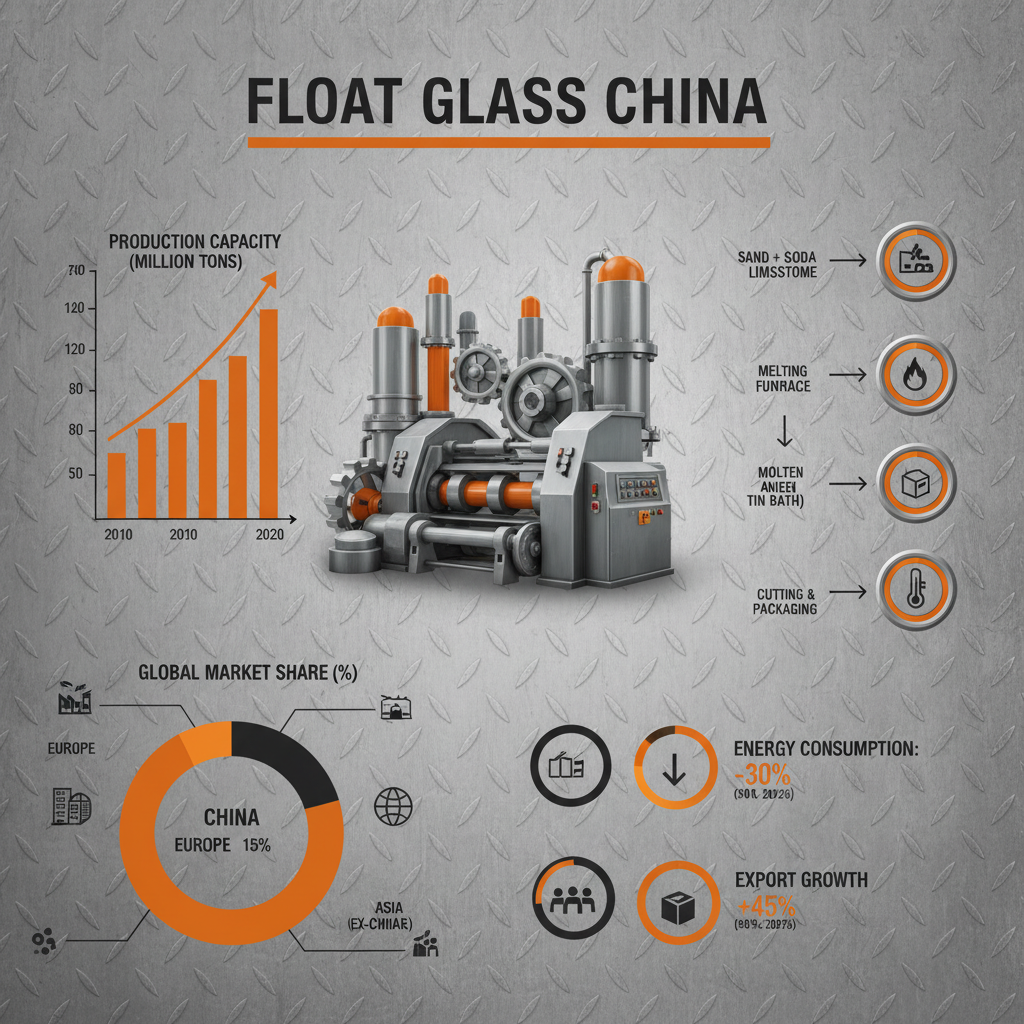
The global demand for float glass is a reflection of broader economic trends—urbanization, infrastructure development, and the increasing use of glass in various industries. According to the UN, over half the world’s population lives in urban areas, a figure projected to rise to 68% by 2050. This growth fuels the need for massive amounts of glass for building construction. China, as the leading producer of float glass, currently accounts for over 50% of global output. The ISO standards for glass quality are increasingly being met by Chinese manufacturers, solidifying their role as a critical supplier.
However, the reliance on a single source, especially in times of geopolitical instability or economic disruption, presents challenges. Supply chain bottlenecks, fluctuations in raw material prices (like silica sand and soda ash), and environmental concerns related to glass manufacturing are constant pressures. Finding ways to diversify sourcing, improve manufacturing efficiency, and promote sustainable practices within the float glass china industry is vital for maintaining a stable and reliable supply for the world.
Lead times for large orders of float glass china can vary significantly depending on the quantity, glass type, and current factory capacity. Typically, you can expect a lead time of 4-8 weeks for standard float glass, but specialized glass (tempered, laminated, coated) can take 6-12 weeks or longer. Establishing clear communication with your supplier and planning well in advance is crucial, especially during peak seasons or times of high demand. Accurate forecasting can help secure capacity and avoid delays.
The quality of float glass china has dramatically improved in recent years. Many Chinese manufacturers now meet or exceed international standards like ISO 9001 and CE marking. While there were historical concerns about consistency, modern facilities utilize advanced technology and stringent quality control processes. Independent testing and certification are vital. A good supplier will readily provide test reports and samples for your evaluation. Don't solely focus on price; prioritize quality and reliability.
A wide range of coatings are available for float glass china to enhance its performance characteristics. Low-E coatings improve energy efficiency by reducing heat transfer. Anti-reflective coatings reduce glare and increase light transmission. Self-cleaning coatings minimize maintenance. Safety coatings, such as laminated coatings, enhance breakage resistance. Decorative coatings can add color and pattern. The choice of coating depends on the specific application and desired properties. Discuss your requirements with your supplier to determine the best option.
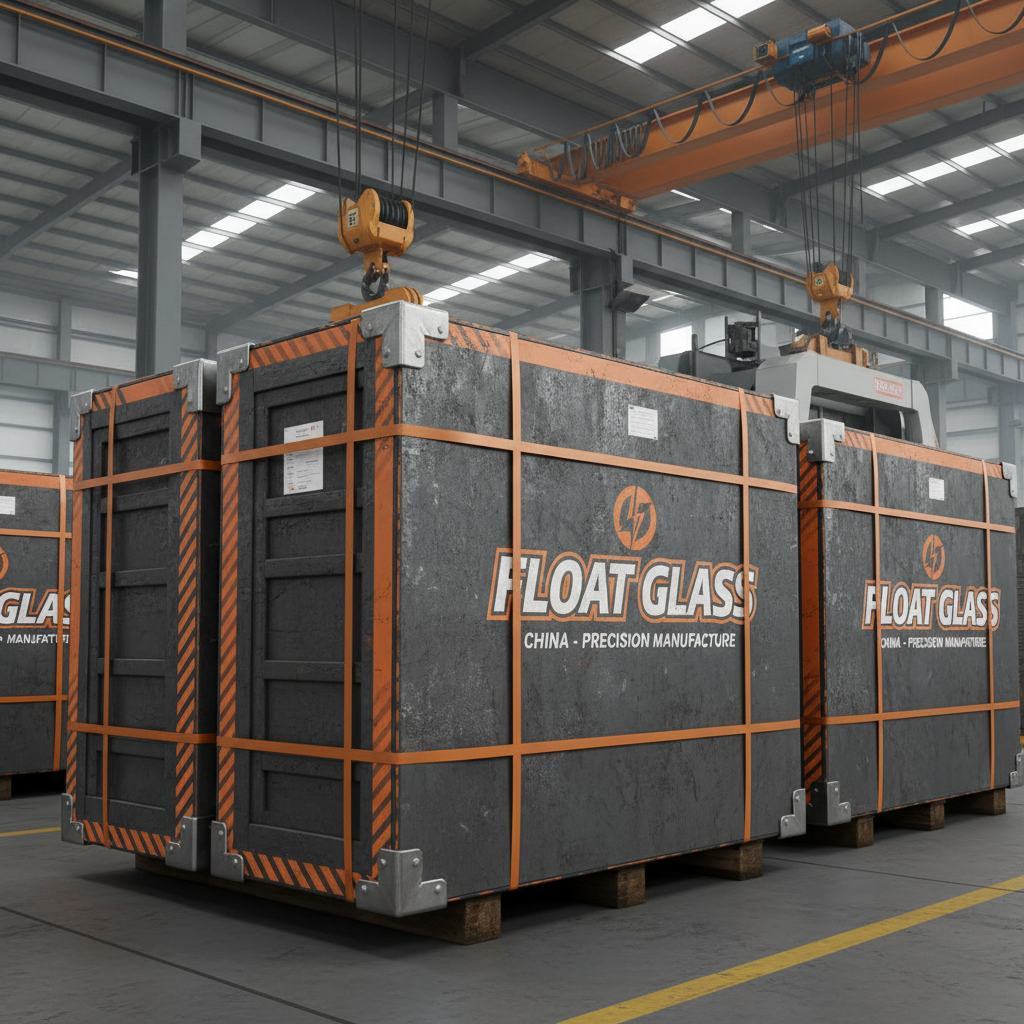
Shipping float glass china internationally requires careful planning. Proper packaging is paramount to prevent breakage during transit. Glass is typically packed in wooden crates with protective cushioning. Sea freight is the most common and cost-effective method for large shipments, but air freight may be necessary for urgent orders. Insurance is essential to cover potential damage or loss. Compliance with import regulations and customs procedures in your country is also crucial. Work with a reputable freight forwarder experienced in handling fragile materials.
Many float glass china manufacturers are implementing sustainability practices. These include using recycled glass cullet in production, reducing energy consumption through efficient furnace technologies, and investing in pollution control equipment. Some manufacturers are also exploring alternative raw materials and developing more environmentally friendly coating processes. Look for suppliers with certifications like ISO 14001, which demonstrates a commitment to environmental management. Inquire about their waste management practices and carbon footprint.
When inspecting float glass china, common defects to look for include scratches, bubbles, distortions (waviness), and edge chips. Check for consistent thickness and ensure the glass meets the specified dimensions. Examine the surface for any visible flaws or imperfections. Pay close attention to the edges, as these are vulnerable to damage. Proper lighting is essential for thorough inspection. A reputable supplier should have a clear quality control process and be willing to address any defects promptly.
Float glass china has become an indispensable component of modern construction, manufacturing, and technology. Its affordability, scalability, and increasingly high quality have positioned China as a global leader in glass production. Understanding the nuances of this industry – from raw material sourcing to quality control and future innovations – is crucial for anyone involved in related sectors. Successfully navigating the challenges and embracing sustainable practices will be key to ensuring a reliable and responsible supply chain.
Looking ahead, the future of float glass china lies in continued innovation, particularly in smart glass technologies and environmentally friendly manufacturing processes. By investing in research and development, embracing digitalization, and fostering collaboration across the value chain, the industry can solidify its position as a vital contributor to a sustainable and technologically advanced future. To learn more about our capabilities and how we can support your project, visit our website: float glass china.


Shahe City economic Development Zone 32,hebei,P.R .China.

+8618686009698
+8613191439158

eoch@shtopglass.com
jason@shtopglass.com