Float glass manufacturers are at the heart of countless industries, providing the foundational material for everything from architectural marvels to everyday consumer products. The global demand for high-quality float glass continues to surge, driven by construction booms in emerging economies and increasing sophistication in automotive and technology applications. Understanding the nuances of float glass manufacturing – the processes, quality control, and technological advancements – is crucial for businesses and consumers alike.
The importance of selecting a reliable float glass manufacturer extends beyond simply obtaining a product. It’s about securing consistent quality, meeting stringent safety standards, and ensuring timely delivery. A strong manufacturing partner can contribute to reduced project costs, improved energy efficiency in buildings, and enhanced performance in automotive applications. The competitive landscape demands innovation and a commitment to sustainability, making the choice of a manufacturer paramount.
float glass manufacturers play a vital role in shaping the modern world, offering a versatile material that balances strength, clarity, and affordability. Continued advancements in manufacturing techniques and glass compositions will only expand their influence across various sectors, cementing their position as a key driver of economic growth and technological progress.
The Global Significance of Float Glass Manufacturers
The role of float glass manufacturers is increasingly vital in a world undergoing rapid urbanization and infrastructure development. According to the United Nations, nearly 70% of the global population is projected to live in urban areas by 2050, driving unprecedented demand for construction materials, and float glass is a cornerstone of modern building design. This escalating demand necessitates a global network of reliable manufacturers capable of meeting stringent quality and volume requirements.
The World Bank estimates that investments in infrastructure – including buildings, transportation, and energy – will reach trillions of dollars in the coming decades. Float glass is integral to all these sectors, serving as a primary component in windows, facades, solar panels, and automotive windshields. Consequently, the performance of float glass manufacturers directly impacts the sustainability and efficiency of these crucial infrastructure projects.
Defining Float Glass Manufacturing
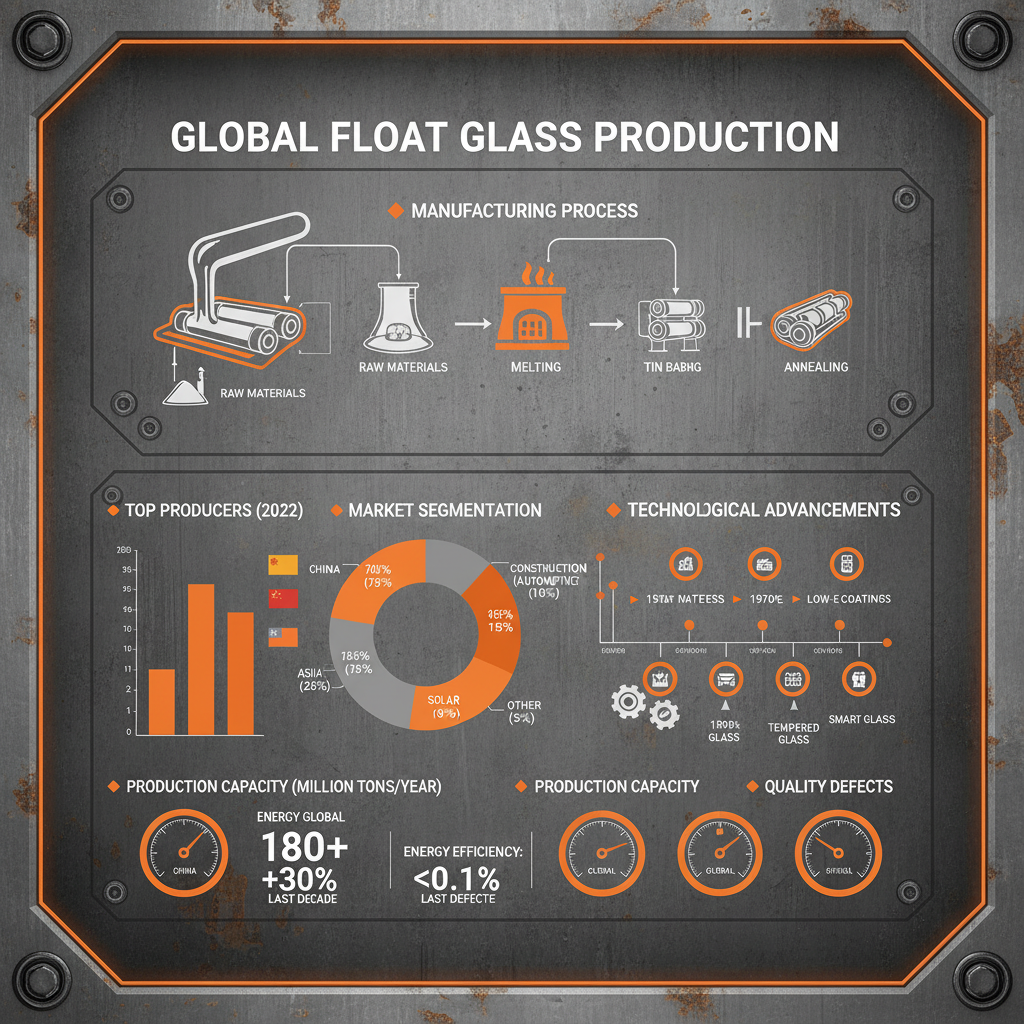
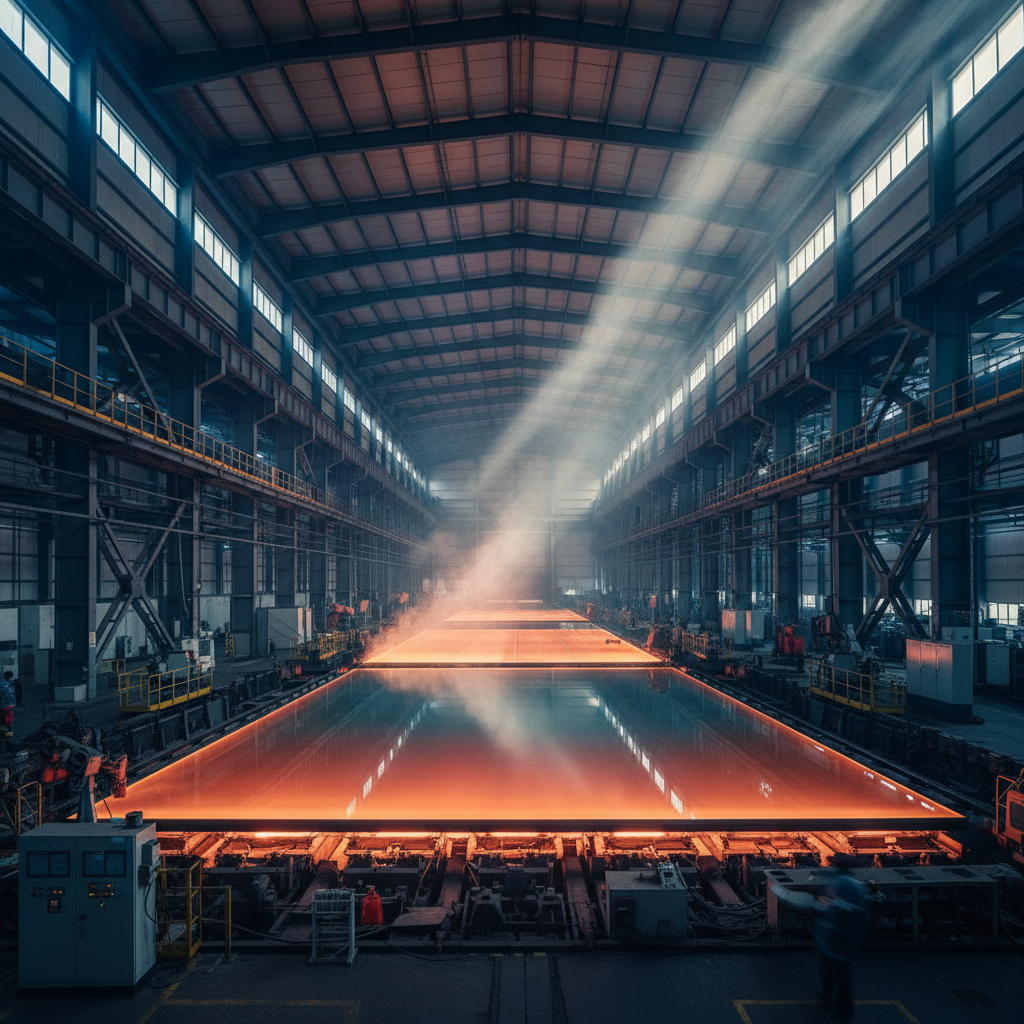
Float glass manufacturing is a revolutionary process, patented in 1952 by Pilkington, that transformed the glass industry. It involves pouring molten glass onto a bed of molten tin, resulting in a perfectly flat, uniform sheet with exceptional clarity. This method eliminated the distortions inherent in previous manufacturing techniques, such as drawing glass and grinding. The process produces glass with a consistent thickness and smooth surface, making it ideal for a wide range of applications.
Essentially, float glass manufacturers create a base material that's then customized through various treatments – tempering, coating, laminating – to achieve specific performance characteristics. This versatility allows the glass to meet diverse needs, from enhancing building insulation to improving vehicle safety. The foundation of many modern materials begins with the efficient and precise operations of float glass production.
This manufacturing process directly contributes to modern humanitarian needs, providing safe and durable glazing for schools, hospitals, and residential buildings. Furthermore, the energy efficiency achieved through the use of high-quality float glass reduces energy consumption and carbon emissions, supporting environmental sustainability efforts globally.
Core Aspects of Exceptional Float Glass Production
Clarity & Transparency: The purity of raw materials and precise control of the melting process are paramount. Float glass manufacturers prioritize sourcing high-quality silica sand, soda ash, and limestone to minimize impurities that could compromise clarity. Advanced filtration systems further refine the molten glass, ensuring optimal light transmission and visual clarity.
Dimensional Accuracy: The float process inherently delivers exceptional flatness and uniform thickness. However, maintaining tight tolerances requires sophisticated monitoring and control systems. Float glass manufacturers employ laser scanning and automated cutting technologies to ensure precise dimensions, crucial for applications like insulating glass units (IGUs) and architectural facades.
Surface Quality: A smooth, defect-free surface is essential for many applications, particularly those involving coatings or laminations. Float glass manufacturers implement rigorous quality control procedures to identify and eliminate surface imperfections, such as scratches, bubbles, or distortions.
Diverse Applications Across Industries
The versatility of float glass makes it a fundamental component in a wide spectrum of industries. In the construction sector, it forms the backbone of modern architecture, providing windows, curtain walls, and interior partitions. Automotive manufacturers rely heavily on float glass for windshields, side windows, and rear windows, prioritizing safety and visibility.
Beyond these core applications, float glass plays a crucial role in solar energy, serving as the transparent cover for solar panels, maximizing light absorption and protecting the photovoltaic cells. The furniture industry utilizes float glass for tabletops, shelves, and decorative elements, enhancing aesthetics and durability. In regions experiencing rapid urbanization, such as Southeast Asia and Latin America, float glass manufacturers are supporting infrastructure development with increasing volumes of high-quality products.
Float Glass Application Distribution by Industry
Advantages and Long-Term Value Proposition
Choosing a reputable float glass manufacturer offers significant long-term advantages. Cost efficiency is a primary benefit, as optimized production processes and economies of scale translate to competitive pricing. Furthermore, high-quality float glass contributes to improved energy efficiency in buildings, reducing heating and cooling costs over the lifespan of the structure.
The durability and longevity of float glass minimize replacement costs and reduce environmental impact. From a sustainability perspective, selecting manufacturers committed to responsible sourcing and reduced emissions aligns with growing environmental consciousness. Ultimately, a partnership with a reliable float glass manufacturer builds trust and ensures a consistent supply of high-performance materials.
Future Trends and Innovations in Float Glass
The future of float glass manufacturing is poised for significant advancements. Research and development are focused on creating self-cleaning glass coatings, reducing maintenance requirements and improving visual clarity. Smart glass technologies, which can dynamically adjust light transmission and opacity, are gaining traction, offering enhanced energy efficiency and privacy control.
The integration of digital technologies, such as artificial intelligence and machine learning, is optimizing production processes, improving quality control, and reducing waste. Furthermore, a growing emphasis on sustainability is driving the development of low-carbon glass formulations and innovative recycling techniques, paving the way for a more environmentally responsible industry.
Challenges and Strategies for Optimization
Despite advancements, float glass manufacturing faces challenges. Fluctuations in raw material prices, particularly silica sand, can impact production costs. Maintaining consistent quality across large-scale operations requires continuous monitoring and process optimization. Moreover, the industry must address the environmental impact of energy-intensive manufacturing processes and glass waste.
Strategies for optimization include investing in energy-efficient technologies, exploring alternative raw materials, and implementing closed-loop recycling systems. Collaboration between float glass manufacturers, research institutions, and industry associations is crucial for driving innovation and addressing these challenges effectively.
Key Performance Indicators for Float Glass Manufacturers
| Raw Material Purity |
Dimensional Tolerance (mm) |
Energy Consumption (kWh/ton) |
Defect Rate (%) |
| Silica Sand Grade |
+/- 0.5 mm |
150 kWh/ton |
0.2% |
| Soda Ash Content |
+/- 0.3 mm |
140 kWh/ton |
0.15% |
| Limestone Impurities |
+/- 0.2 mm |
130 kWh/ton |
0.1% |
| Iron Oxide Content |
+/- 0.4 mm |
160 kWh/ton |
0.25% |
| Alumina Level |
+/- 0.6 mm |
170 kWh/ton |
0.3% |
| Magnesia Concentration |
+/- 0.5 mm |
145 kWh/ton |
0.18% |
FAQS
Lead times for custom float glass orders typically range from 4 to 8 weeks, depending on the complexity of the specifications, the quantity required, and the manufacturer's current production schedule. Factors such as coating applications, tempering, and specialized dimensions can all influence the delivery timeframe. Reliable float glass manufacturers will provide a detailed production schedule and proactive communication throughout the process.
Reputable float glass manufacturers adhere to stringent quality control standards, including ISO 9001 certification for quality management systems. They employ rigorous testing procedures at every stage of production, from raw material inspection to final product assessment. This includes checks for dimensions, flatness, clarity, surface defects, and adherence to relevant industry standards like ASTM and EN.
To ensure the suitability of float glass, provide the manufacturer with detailed specifications of your application, including dimensions, thickness, coating requirements, and any specific performance criteria. Request samples for testing and verification before placing a large order. Working with a knowledgeable float glass manufacturer who can offer expert advice and technical support is essential.
Environmental considerations should be paramount. Choose manufacturers committed to sustainable practices, such as reducing energy consumption, minimizing waste, and using recycled materials. Look for certifications like ISO 14001 for environmental management systems and inquire about the manufacturer's carbon footprint. A responsible float glass manufacturer will prioritize environmental stewardship.
Various coatings can be applied to float glass to enhance its performance. Low-E coatings improve energy efficiency by reducing heat transfer, while reflective coatings control solar gain and glare. Anti-reflective coatings enhance light transmission, and self-cleaning coatings minimize maintenance. The choice of coating depends on the specific application and desired properties.
Annealed float glass is the standard form, offering basic strength and clarity. Tempered glass undergoes a heat treatment process, increasing its strength and making it shatter-resistant. Laminated glass consists of two or more layers of glass bonded together with an interlayer, providing enhanced safety and security. The selection depends on the application's safety and performance requirements.
Conclusion
In conclusion, the influence of float glass manufacturers on modern infrastructure, technology, and daily life is undeniable. From shaping sustainable buildings to enabling advancements in automotive safety and renewable energy, their role is pivotal. Understanding the core principles of float glass production, coupled with an awareness of future trends and challenges, is crucial for stakeholders across diverse industries.
Investing in partnerships with reliable and innovative manufacturers is key to unlocking the full potential of this versatile material. As the demand for high-performance glass continues to grow, prioritizing sustainability, quality, and technological advancement will be essential for shaping a brighter, more efficient future. Visit our website at www.tptopglass.com to explore how we can meet your float glass needs.