



White float glass stands as a cornerstone of modern construction and numerous industrial applications. Its exceptional clarity, consistent thickness, and versatility have made it indispensable in architectural glazing, automotive windshields, and the production of high-quality mirrors. Understanding the properties and applications of white float glass is crucial for architects, engineers, manufacturers, and anyone involved in industries where visual transparency and structural integrity are paramount. This understanding drives innovation and efficiency across diverse sectors, impacting everything from energy conservation in buildings to safety standards in transportation.
The global demand for white float glass is steadily increasing, fueled by urbanization, infrastructure development, and a growing emphasis on sustainable building practices. According to recent industry reports, the global flat glass market, largely dominated by white float glass, is projected to reach \$150 billion by 2028, with a CAGR of over 5%. This growth underscores the critical role of white float glass in meeting the evolving needs of a rapidly changing world. Meeting this demand responsibly, while addressing environmental concerns related to production processes, presents a significant challenge and opportunity.
Beyond its functional benefits, white float glass contributes significantly to aesthetic design and enhances the natural lighting in buildings, leading to improved occupant well-being. Its widespread availability and relatively low cost make it an accessible material for a wide range of projects, from large-scale commercial developments to residential constructions. This accessibility, coupled with continuous advancements in glass technology, solidifies its position as a fundamental material in modern society.

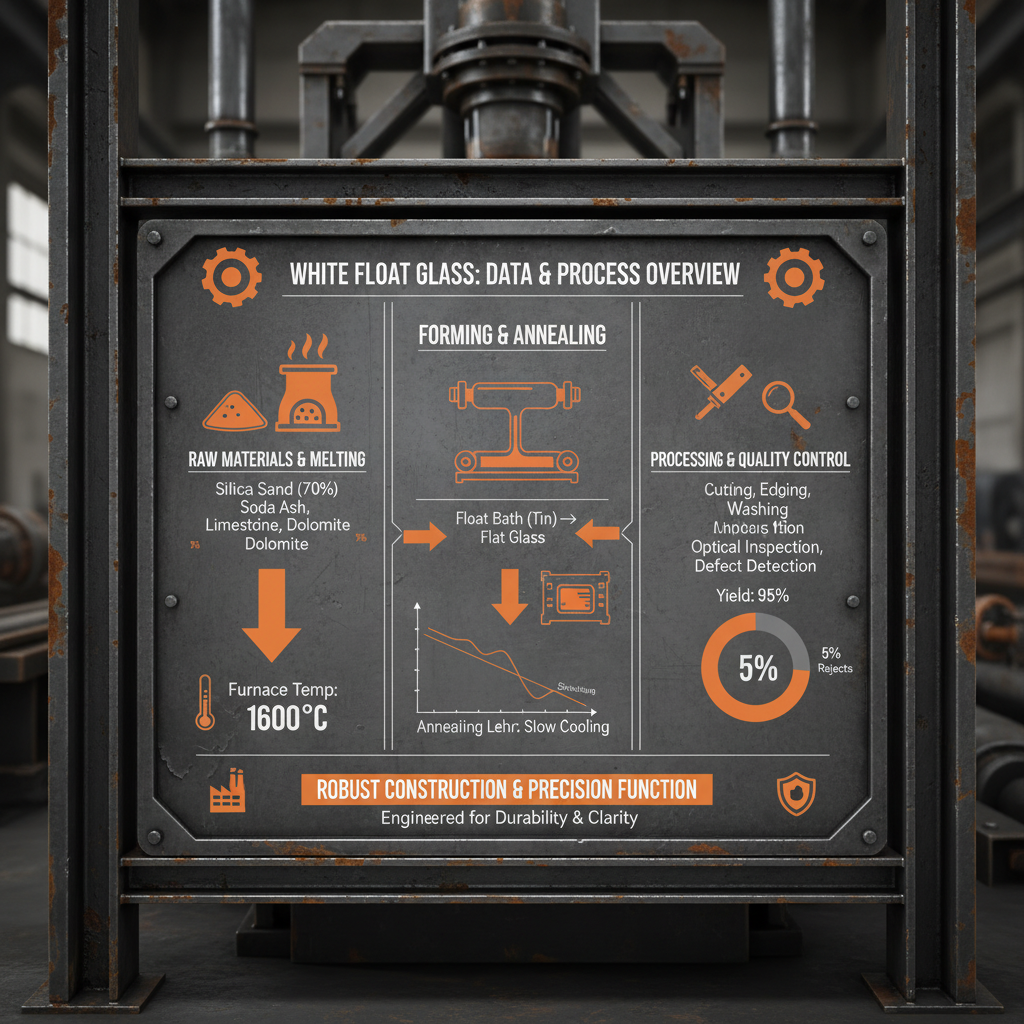
White float glass isn't simply a building material; it's a facilitator of modern living. Its clarity allows for abundant natural light, reducing reliance on artificial illumination and contributing to energy efficiency in buildings. The consistent quality and flat surface make it ideal for creating visually appealing and structurally sound spaces.
Furthermore, the versatility of white float glass enables its use in a vast array of applications, from protective barriers in automotive vehicles to durable surfaces in furniture and appliances. Its relatively low cost and ease of processing make it a practical choice for projects of all scales.
White float glass is incredibly versatile. Its primary applications include architectural glazing in buildings (windows, facades), automotive windshields and windows, furniture, mirrors, interior design elements, and displays for electronic devices. Its clarity and strength make it ideal for these diverse uses, providing both aesthetic appeal and functional benefits. It also serves as a base material for further processing such as tempering, laminating, and coating.
The float process is crucial for the superior quality of white float glass. By pouring molten glass onto a bed of molten tin, the process ensures a perfectly flat surface and uniform thickness, minimizing distortions and optical imperfections. This contrasts sharply with older manufacturing methods that often produced glass with uneven surfaces and significant visual distortions, making float glass the standard for applications requiring high clarity and precision.
While the production of white float glass is energy-intensive, there are ongoing efforts to improve its environmental footprint. Utilizing recycled glass cullet in the manufacturing process reduces reliance on raw materials and lowers energy consumption. Furthermore, advancements in Low-E coatings improve energy efficiency in buildings, reducing the overall carbon footprint. The long lifespan of white float glass also contributes to sustainability by reducing the need for frequent replacements.
Several coatings can be applied to white float glass to enhance its performance. Low-E coatings reduce heat transfer, improving energy efficiency. Self-cleaning coatings repel water and dirt, minimizing maintenance. Reflective coatings control light transmission and glare. Safety coatings, like those used in laminated glass, increase impact resistance and prevent shattering. The specific coating applied depends on the desired properties and application.
Tempering is a heat treatment process that significantly increases the strength of white float glass. Tempered glass is approximately four times stronger than annealed (untreated) glass. When broken, it shatters into small, relatively harmless fragments, reducing the risk of serious injury. This makes tempered white float glass ideal for applications where safety is paramount, such as shower doors, car windows, and building facades.
White float glass is available in a wide range of thicknesses, typically from 2mm to 19mm, with the most common thicknesses being 3mm, 4mm, 5mm, 6mm, 8mm, 10mm, and 12mm. The appropriate thickness depends on the application and the structural requirements. Thicker glass provides greater strength and impact resistance, while thinner glass is often used for decorative purposes or smaller applications.
White float glass has fundamentally transformed the construction and industrial landscape. Its inherent clarity, durability, versatility, and cost-effectiveness make it an indispensable material for a vast array of applications. From enhancing natural light in buildings to providing safety features in vehicles, white float glass continues to play a critical role in modern life. Understanding its properties and advancements is essential for professionals across multiple sectors.
Looking ahead, continued innovation in manufacturing processes, coating technologies, and recycling initiatives will further enhance the sustainability and performance of white float glass. Embracing these advancements will not only drive economic growth but also contribute to a more environmentally responsible future. To learn more about our diverse range of white float glass products and solutions, visit our website: www.tptopglass.com.




Shahe City economic Development Zone 32,hebei,P.R .China.

+8618686009698
+8613191439158

eoch@shtopglass.com
jason@shtopglass.com