
logo
0%

Table of Contents

Green float glass represents a significant advancement in materials science, increasingly vital across numerous industries. Its unique properties—clarity, strength, and versatility—make it essential for modern construction, automotive manufacturing, and renewable energy technologies. Understanding the nuances of green float glass, from its production processes to its diverse applications, is crucial for professionals and consumers alike, driving innovation and sustainability in a rapidly changing world.

Globally, the demand for high-quality glass continues to rise, fueled by urbanization and infrastructure development, particularly in emerging economies. Green float glass addresses critical needs for energy efficiency in buildings, safety in transportation, and durability in various industrial applications. As concerns about environmental impact grow, the demand for sustainable glass solutions is also increasing, positioning green float glass as a key material in building a more responsible future.

The inherent properties of green float glass, coupled with its adaptability, make it a cornerstone of modern infrastructure and a driver of innovation across multiple sectors. Its ability to be tempered, laminated, coated, and formed into various shapes allows for tailored solutions to meet specific project requirements.

Exploring the Versatility and Significance of Green Float Glass Technology

The Significance of Green Float Glass

Exploring the Versatility and Significance of Green Float Glass Technology

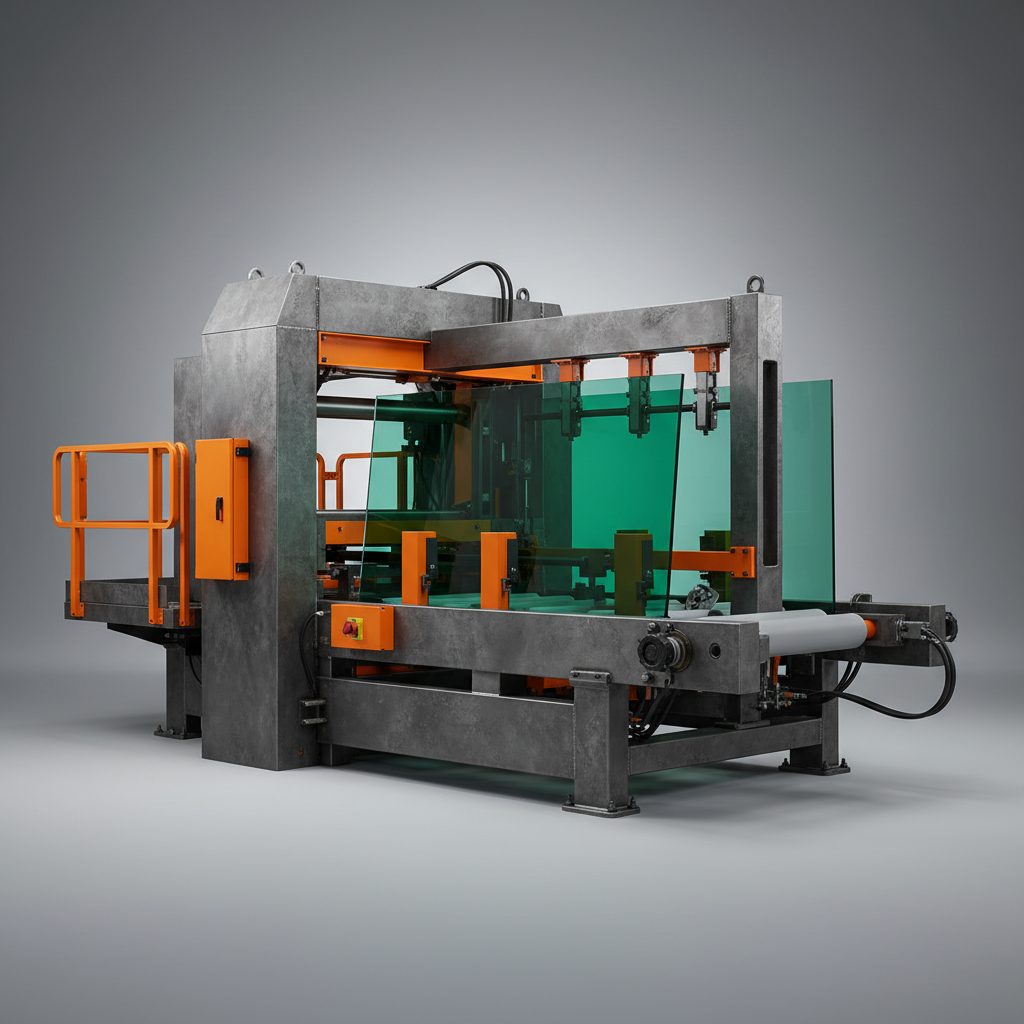
Green float glass stands as a cornerstone material in modern construction and numerous industrial applications. Its unique manufacturing process, which involves floating molten glass on a bed of molten tin, results in a remarkably flat and uniform surface. This process imparts exceptional optical clarity, making it ideal for windows, skylights, and other architectural elements. green float glass’s increasing adoption reflects a growing demand for high-performance building materials.

The significance of green float glass extends beyond its aesthetic qualities. Its inherent strength and durability contribute to structural integrity and safety. The ability to further process it – through tempering, laminating, or coating – expands its functionality, enabling applications ranging from automotive windshields to solar panels. The continued development of specialized green float glass products addresses evolving industry needs and sustainability goals.

Global Relevance and Industry Context

The global glass market is a multi-billion dollar industry, experiencing consistent growth driven by construction, automotive, and packaging sectors. According to data from the UN Statistics Division, global construction output is projected to reach \$18.5 trillion by 2030, necessitating increased glass production. Green float glass plays a vital role in this growth, particularly in the push for energy-efficient buildings and sustainable infrastructure.

A key challenge is reducing the carbon footprint associated with glass manufacturing. While the float glass process itself is energy-intensive, advancements in furnace technology and the use of recycled glass (cullet) are mitigating these impacts. Furthermore, the development of low-emissivity (Low-E) coatings on green float glass significantly improves thermal performance, lowering energy consumption in buildings and reducing reliance on fossil fuels.

The ISO 9001 quality management standards are increasingly important in the green float glass industry, ensuring consistent product quality and reliability. Manufacturers are also responding to demand for specialized glass, such as solar control glass and self-cleaning glass, further expanding the applications and market reach of green float glass globally.

Defining Green Float Glass

Green float glass is a type of flat panel glass manufactured using the float process, characterized by its slightly green tint due to the presence of iron oxide impurities. This tint doesn't compromise its clarity significantly and is often acceptable for many applications. However, modern manufacturing techniques allow for the production of low-iron green float glass, minimizing the green hue and maximizing light transmission.

Its connection to modern industry is fundamental. It is the base material for a vast array of glass products used in construction, automotive, and various other sectors. Without a reliable supply of high-quality green float glass, the efficient production of windows, doors, vehicle windshields, and many other essential products would be impossible.

More broadly, green float glass connects to humanitarian needs by enabling the creation of safe and comfortable living spaces. Its durability and weather resistance contribute to the longevity and resilience of buildings, providing shelter and security for communities around the world. Its use in energy-efficient glazing also helps reduce energy costs, making housing more affordable and accessible.

Key Properties of Green Float Glass

Green float glass boasts several key properties making it a preferred material. Firstly, its Optical Clarity is exceptional, allowing for maximum light transmission while maintaining visual definition. This is crucial for windows and architectural glazing. Secondly, Durability is another hallmark; it can withstand significant physical stress and environmental exposure, ensuring long-lasting performance.

Thirdly, Thermal Resistance is enhanced through the float process and can be further improved with coatings. This reduces heat transfer, leading to energy savings. Fourth, Chemical Stability means it's resistant to most common chemicals and weathering, ensuring longevity. Finally, Versatility allows it to be cut, bent, tempered, laminated, and coated, adapting to diverse design needs.

Green Float Glass Performance Metrics


Applications Across Industries

The construction industry is the largest consumer of green float glass, utilizing it in windows, doors, facades, and interior partitions. The automotive industry relies heavily on tempered green float glass for windshields, side windows, and rear windows, prioritizing safety and visibility. Beyond these core sectors, it's also found in furniture, mirrors, display cases, and even scientific instruments.

In regions undergoing rapid urbanization, like Asia and the Middle East, demand for green float glass is particularly strong, driven by large-scale infrastructure projects and residential developments. Organizations involved in sustainable building practices, such as LEED-certified projects, often specify green float glass for its energy efficiency and environmental benefits.

Advantages and Long-Term Value

The advantages of utilizing green float glass extend beyond its immediate functional benefits. Its cost-effectiveness, stemming from the efficient manufacturing process and relative abundance of raw materials, makes it a competitive choice. From a sustainability perspective, the ability to incorporate recycled glass content reduces waste and minimizes environmental impact.

The long-term value of green float glass lies in its durability, reduced energy consumption (when coupled with Low-E coatings), and contribution to safer, more comfortable living and working environments. This translates to lower maintenance costs, increased building lifespan, and a positive impact on occupant well-being. The innovation in glass technology continually adds value, such as self-cleaning or smart glass options.

Future Trends and Innovations

Several trends are shaping the future of green float glass. The increasing focus on net-zero energy buildings is driving demand for high-performance glazing solutions, including advanced Low-E coatings and multi-pane configurations. Digital transformation in manufacturing processes is enabling greater precision and customization, allowing for the production of tailored glass products.

Automation and robotics are streamlining production lines, reducing costs and improving efficiency. Research into alternative glass compositions, such as those incorporating bio-based materials, is exploring more sustainable manufacturing routes. Furthermore, the integration of smart technologies – like electrochromic glass that adjusts light transmission based on sunlight – is expanding the functionality and value of green float glass.

The convergence of green building standards and renewable energy initiatives will continue to fuel innovation. Expect to see more widespread adoption of integrated photovoltaic (PV) glass, which combines solar energy generation with the structural and aesthetic benefits of green float glass.

FAQS

What are the primary environmental benefits of using green float glass compared to traditional glass?

Green float glass offers several environmental advantages. The manufacturing process, while energy-intensive, can be optimized by incorporating recycled glass (cullet), reducing the need for virgin materials. When combined with Low-E coatings, green float glass minimizes heat transfer, decreasing energy consumption for heating and cooling. Its durability also extends the lifespan of buildings, reducing the need for frequent replacements, contributing to less waste. The use of green float glass supports sustainable building practices and reduces a building’s carbon footprint.

How does the green tint in green float glass affect the clarity and light transmission?

The green tint in standard green float glass is caused by iron oxide impurities. While noticeable, it doesn't significantly compromise clarity or light transmission in most applications. However, for applications requiring maximum light transmittance, low-iron green float glass is available. This variant minimizes the green hue, providing almost perfectly clear glass. Low-iron glass is commonly used in storefronts, aquariums, and areas where true color representation is crucial.

What safety features can be added to green float glass to enhance its performance?

Several safety features can be applied to green float glass. Tempering increases its strength and, when broken, it shatters into small, relatively harmless pieces. Lamination involves bonding two or more layers of glass with an interlayer, creating a strong, impact-resistant glass that holds together even when broken. Coatings can also enhance safety by providing UV protection and reducing glare. These features make green float glass suitable for a wide range of applications where safety is paramount.

How does the cost of green float glass compare to other types of glass?

The cost of green float glass is generally competitive with other standard glass types. Low-iron green float glass, due to the more refined manufacturing process, tends to be more expensive. However, considering its long-term benefits – energy efficiency, durability, and reduced maintenance – green float glass often provides a greater overall value. Prices can vary based on thickness, size, coatings, and quantity ordered.

What are the common applications for green float glass in sustainable building design?

Green float glass is widely used in sustainable building design for its energy-saving properties. It is a key component in high-performance windows, reducing heat gain in summer and heat loss in winter. Low-E coatings further enhance thermal insulation. It’s also employed in skylights and curtain walls, maximizing natural light while minimizing energy consumption. Moreover, using recycled glass content in its production contributes to a circular economy.

What is the lifespan of green float glass and what maintenance is required?

Green float glass is incredibly durable and, with proper installation, can last for several decades, often exceeding 50 years. Maintenance is minimal, generally involving regular cleaning with mild soap and water. Avoid abrasive cleaners, as they can scratch the surface. While highly resilient, damaged or cracked glass should be replaced for safety reasons. Protective coatings may require periodic reapplication depending on the environment and the coating type.

Conclusion

In conclusion, green float glass stands as a fundamental material in modern society, essential for construction, automotive, and numerous other industries. Its unique properties – clarity, durability, versatility, and increasing sustainability – make it a crucial component of energy-efficient buildings and safe transportation systems. The ongoing innovation in manufacturing processes and glass technologies further enhances its value and expands its applications.

Looking ahead, the future of green float glass is bright. Continued investment in research and development, alongside a commitment to sustainable practices, will unlock even greater potential. Embracing new technologies and prioritizing environmental responsibility will ensure that green float glass remains a cornerstone material for generations to come. For more information on our products and services, visit our website: www.tptopglass.com.

William Davis

William Davis

William Davis is a seasoned Logistics Coordinator managing the export process to the United States and Europe. He's responsible for coordinating shipments, handling customs documentation, and ensuring seamless delivery of our glass products. William’s expertise lies in navigating the complexities of international trade regulations and optimizing transportation routes. He holds
Previous Exploring the Versatility and Benefits of Grey Float Glass in Modern Construction
Next The Essential Role of White Float Glass in Modern Industries and Construction