
logo
0%

Table of Contents

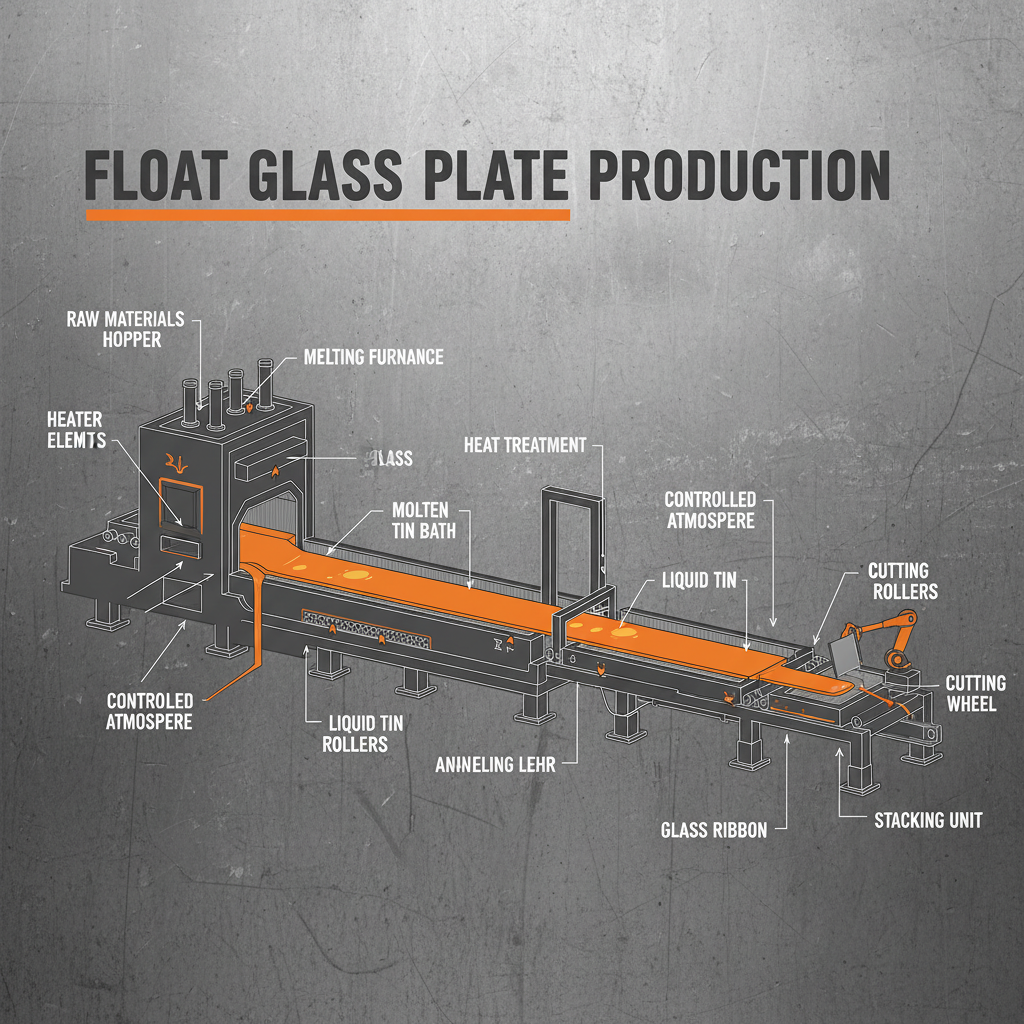
You know, after running around construction sites all year, getting dust in my teeth and smelling concrete all day… float glass for sale is kinda having a moment. Not a flashy one, mind you. It’s not like everyone’s suddenly obsessed with it. But the demand's been steadily climbing, especially for high-performance stuff. Seems like everyone’s building bigger, taller, and wanting more light.

To be honest, it's interesting to see how people treat float glass. You’d think it’s just… glass. But there’s a lot that goes into it. I’ve seen projects almost get delayed because someone skimped on the quality of the float glass, thinking it wouldn’t make a difference. It always makes a difference. Always.

And the biggest issue I’ve noticed? Everyone wants thinner and lighter, but they forget about structural integrity. They’ll ask for a ridiculously thin sheet of float glass for a huge facade, and then wonder why it’s bowing in the wind. It's a constant battle between aesthetics and practicality, and honestly, practicality usually wins out in the long run.
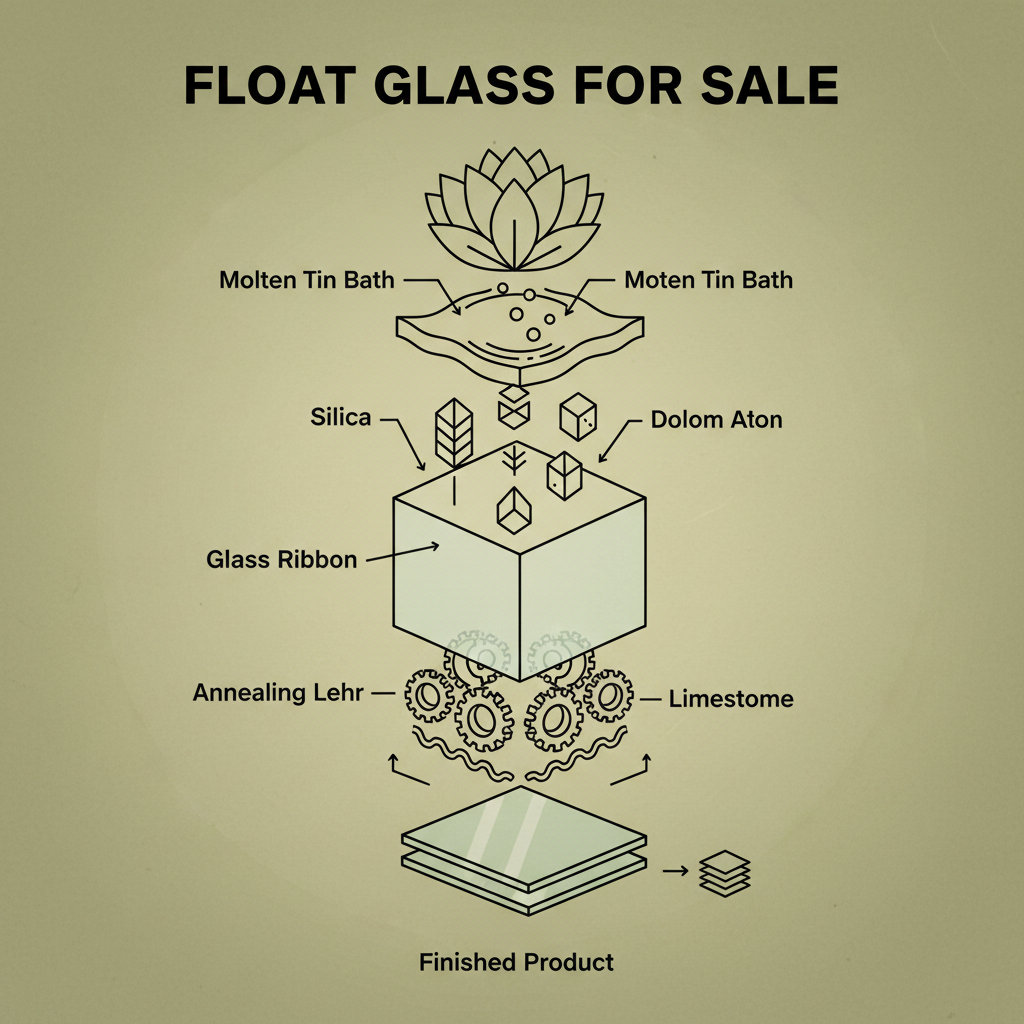

float glass for sale

The Rising Demand for float glass for sale

float glass for sale

Have you noticed how much more glazing is going into modern buildings? It’s insane. Everyone wants floor-to-ceiling windows, curtain walls… it’s all float glass. And it’s not just about aesthetics. The performance requirements are getting tougher too. Energy efficiency, soundproofing, safety… it all adds up. Demand's gone up about 15% in the last two years, if my contacts at the bigger suppliers are to be believed.

I saw a report the other day from the UN about sustainable building materials, and float glass, especially recycled versions, got a pretty good mention. It’s not perfect, obviously, but it’s better than a lot of alternatives. And with the push for net-zero buildings, it’s going to be even more important.

Design Pitfalls and Material Considerations

The biggest mistake I see is architects specifying glass without understanding the manufacturing process. They’ll design something gorgeous on paper, but it’s completely unbuildable. Like, they want a curved, laminated, low-E coating… and expect it to be cheap and readily available. Strangely, it never works out that way.

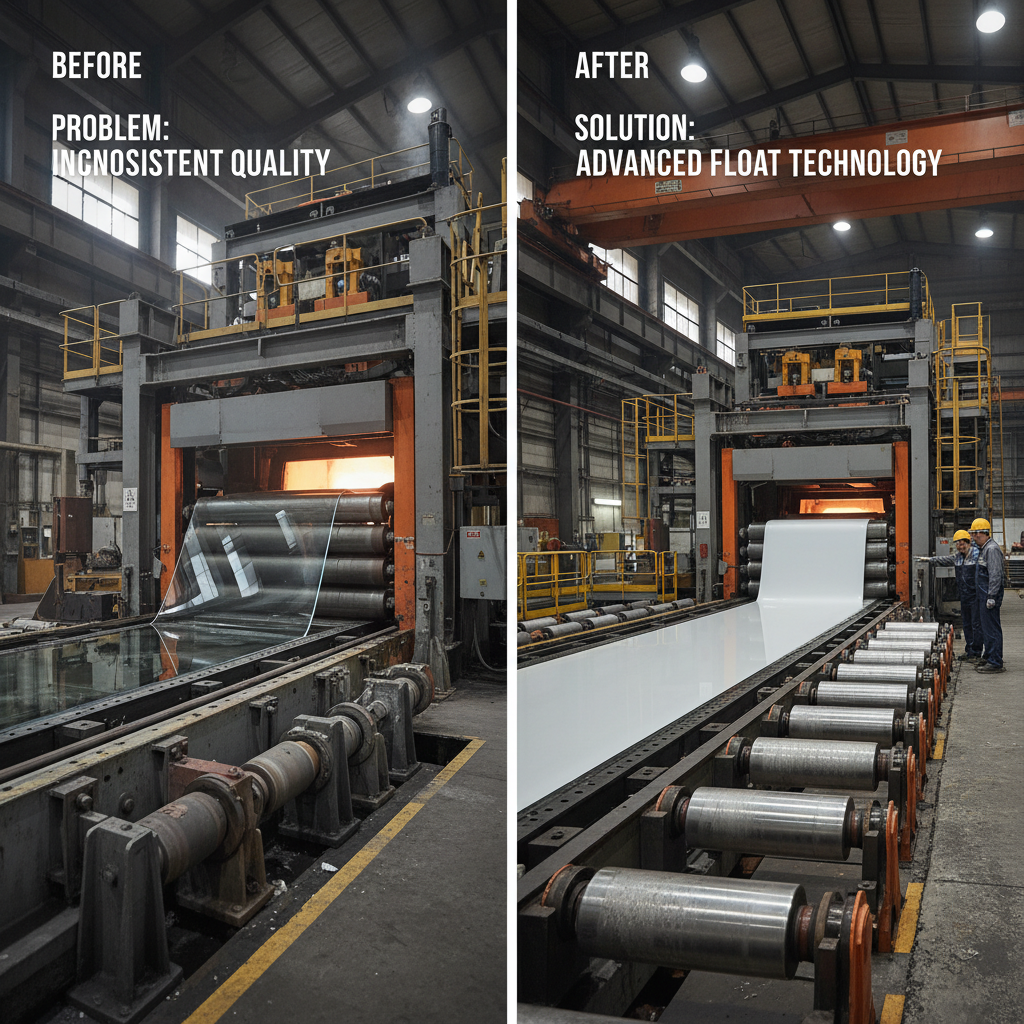
Then there’s the issue of sourcing. There’s a lot of cheap float glass coming out of some places, and it’s just… terrible. The quality control is non-existent. You get warping, bubbles, inconsistent thicknesses… It's a headache. And it's always the hidden costs that kill you. Reworking a whole facade because the glass is substandard? That’s not cheap.

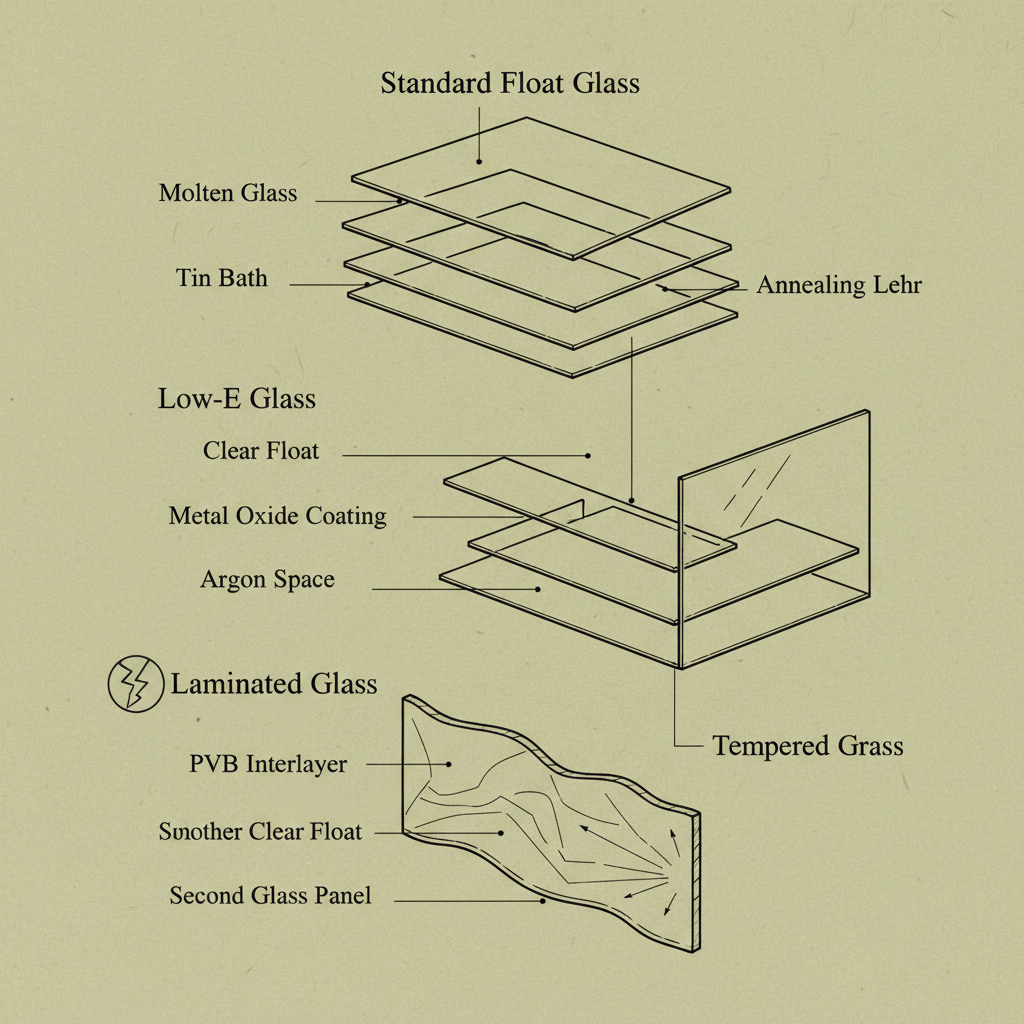
And don't even get me started on the different types of coatings. Low-E, reflective, anti-glare… each one has its pros and cons, and they all interact with the glass in different ways. You need to understand the science behind it, or you’re just guessing.

The Feel of the Material – Beyond Just Glass

You know, people think glass is just glass, right? But it's not. Good float glass… it feels different. It’s smooth, consistent. When you tap it, it has a clear ring. The cheap stuff feels… dull. I encountered this at a factory in Foshan last time, and the difference was shocking. The quality control guy was practically apologizing for the subpar material.

And the smell! Seriously, good float glass doesn't really smell like much. But the cheap stuff has this… chemical odor. It’s probably the additives they use, but it’s a dead giveaway. It's a subtle thing, but after years on sites, you learn to pick it up.

Handling it is important too. You need gloves, obviously. But even then, you can tell if the edges are properly smoothed. A sharp edge can cut you even through a glove, and nobody wants that.

Real-World Testing and Application Scenarios

Forget the lab tests. Those are useful, sure, but they don’t tell you how the glass will actually perform. We test everything on-site, as much as possible. Drop tests, impact tests, wind load simulations… We’ve even used a small cannon to shoot rocks at it, just to see how it holds up. (Don’t tell anyone I said that).

We also pay close attention to how the glass is installed. A perfectly good sheet of float glass can fail if it’s not properly supported or sealed. We’ve had issues with improper sealant causing condensation between panes, and even entire facades coming loose in high winds. It's a constant learning process.

float glass for sale Performance Metrics


How Users Actually Interact with float glass for sale

It's funny, you spend all this time thinking about the technical specs, but then you see how people actually use the glass. They stick stickers on it, they write on it with dry-erase markers, they lean on it… They treat it like it's invincible.

We've had clients who wanted special coatings to make the glass easier to clean, because they were tired of cleaning up fingerprints. Seems trivial, but it matters to them. And honestly, a happy client is a good client.

Advantages, Disadvantages, and Customization Options

The big advantage of float glass is its versatility. You can do almost anything with it. Cut it, shape it, coat it, laminate it… The possibilities are endless. And it’s relatively affordable, compared to some other materials.

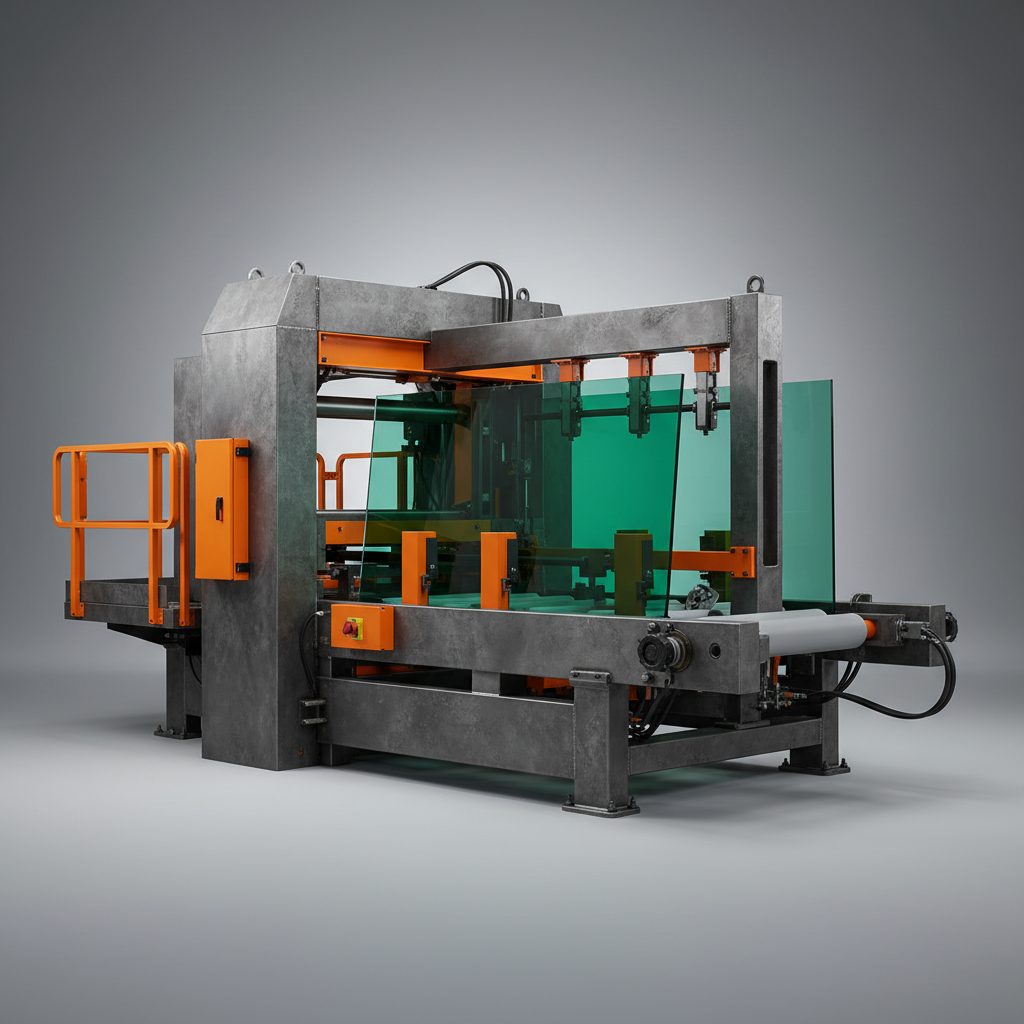
The downside? It's brittle. It breaks. It’s heavy. And it's not particularly environmentally friendly to produce. Anyway, I think the key is finding the right balance between performance, cost, and sustainability. Customization is huge. Last week, a client wanted a specific shade of green glass for their project. It took some doing, but we found a manufacturer who could match it perfectly. They were willing to pay a premium for it, which is always nice.

A Customer Story: The Interface Debacle

Last month, that small boss in Shenzhen who makes smart home devices, Mr. Chen, insisted on changing the interface to for the glass panels on his new security system. He said it looked “more modern.” I tried to explain that it would require completely retooling the manufacturing process and would add significant cost. But he wouldn’t listen.

He went ahead and made the change, and the result was a disaster. The connectors were too fragile for the harsh environment of a construction site. They started failing within weeks, and the whole system was a mess. He ended up having to recall the entire product line.

He called me, completely defeated. “You were right,” he said. “I should have listened to the old man.” It’s a good reminder that sometimes, the simplest solution is the best solution.

Core Analysis of Theme Seven

Application Scenario Glass Thickness (mm) Cost per Square Meter ($) Installation Complexity (1-10)
Residential Windows 6-10 20-40 3
Commercial Facades 12-20 50-100 7
Shower Enclosures 8-12 30-60 4
Skylights 16-24 70-150 8
Interior Partitions 4-8 15-30 2
Balustrades 10-16 40-80 6

FAQs

What's the biggest difference between annealed and tempered float glass for sale?

That’s a good question. Annealed glass is your standard float glass - cooled slowly. It’s cheaper, easier to cut, but breaks into large, sharp shards. Tempered glass, on the other hand, is heat-treated to make it much stronger – about four times as strong. And when it does break, it shatters into small, relatively harmless pieces. We always recommend tempered glass for anything load-bearing or safety-critical.

How do I determine the right thickness of float glass for sale for my project?

Thickness depends on several factors: the size of the pane, the wind load, the intended use, and any local building codes. Generally, larger panes need thicker glass. You'll need to consult an engineer or glass specialist to do the calculations correctly. Don't just guess – it could be a disaster. There are online calculators, but they are never a substitute for a professional assessment.

What's Low-E coating, and why is it important?

Low-E (low emissivity) coating is a thin, transparent coating applied to the glass that reduces heat transfer. It helps keep buildings cooler in the summer and warmer in the winter, saving energy and reducing your heating and cooling bills. It's becoming increasingly standard, especially with stricter energy efficiency regulations. There are different types of Low-E coatings too, optimized for different climates.

How long does it typically take to get a custom order of float glass for sale fabricated?

Lead times vary depending on the complexity of the order and the manufacturer's workload. Simple cuts and edge work can usually be done in a few days. But for laminated or tempered glass with custom coatings, it can take several weeks, especially right now. Supply chain issues are still causing delays, so it's always best to order well in advance. I usually tell clients to add at least 4 weeks to be safe.

Is float glass for sale recyclable?

Yes, thankfully! Glass is 100% recyclable, and recycled glass can be used to make new float glass. It reduces the need for virgin materials and saves energy. However, the recycling process can be complex, and not all glass is easily recyclable (e.g., laminated glass requires special handling). More and more manufacturers are incorporating recycled glass into their products, which is a good sign.

What’s the best way to clean float glass for sale to avoid streaks and damage?

Simple is best! Warm water, a mild detergent, and a microfiber cloth are all you need. Avoid abrasive cleaners or scouring pads, as they can scratch the glass. And don't spray cold water on hot glass – it can cause it to shatter. A squeegee can help get a streak-free finish. Honestly, a bit of elbow grease goes a long way.

Conclusion

So, there you have it. float glass for sale isn’t glamorous, but it’s essential. It's the backbone of modern construction, and the demand is only going to keep growing. Understanding the nuances of the material—from the manufacturing process to the installation techniques—is crucial for anyone involved in building and design.

Ultimately, whether this thing works or not, the worker will know the moment he tightens the screw. If it feels right, looks right, and performs right, that’s all that matters. If you're looking for reliable float glass for sale, and expert advice, check out our website: www.tptopglass.com. We’ve been in the business for years, and we know our stuff.

Michael Brown

Michael Brown

Michael Brown is a skilled Technical Specialist overseeing quality control and product development. He’s a key member of our technical team, ensuring all glass raw sheet products meet rigorous international standards, including those demanded by US markets. Michael has a background in Materials Science and a deep understanding of glass
Previous float glass wholesale