The float glass factory industry is the backbone of modern construction, automotive, and countless other sectors. It’s not just about making flat sheets of glass; it’s about enabling entire supply chains and powering innovation in architecture and design. We’re talking about a multi-billion dollar global market, with constant demands for higher quality, larger sizes, and specialized coatings. From the skyscrapers that define city skylines to the windscreens protecting drivers, float glass is integral to our daily lives. Understanding the nuances of float glass factory operations – from raw material sourcing to quality control – is crucial for anyone involved in these industries.
For those of us on the ground, visiting plants and seeing the process firsthand, it’s clear this isn’t a simple manufacturing process. It’s a complex interplay of physics, chemistry, and engineering precision. Fluctuations in raw material prices, energy costs, and global demand can all impact production. The industry is constantly evolving, with a growing focus on sustainability and reducing its carbon footprint. It’s a challenging field, but a vital one, and the demands only continue to grow as the world builds more and modernizes.
What people often overlook is how much customization is involved. It’s not one-size-fits-all. Clients need glass with specific thicknesses, strengths, tints, and coatings for various applications. A float glass factory’s ability to meet these diverse requirements, consistently and efficiently, is what separates the good from the great. And that’s where a deep understanding of the process really pays off.
The Global Importance of Float Glass Factory
The global float glass market is substantial and constantly growing, driven by urbanization, infrastructure development, and a rising demand for energy-efficient building materials. According to data from the UN, global construction output is projected to reach $18 trillion by 2030, fueling an increased need for high-quality glass. This translates directly into a need for more efficient and technologically advanced float glass factories. It’s not just about volume, though. The demand for specialized glass – low-E coatings for energy conservation, laminated glass for safety, and tempered glass for strength – is increasing exponentially.
One of the biggest challenges we face is managing the supply chain. The raw materials – silica sand, soda ash, limestone, and dolomite – need to be sourced reliably and sustainably. Transportation costs and geopolitical factors can significantly impact production. We're also seeing increasing pressure to reduce the environmental impact of float glass factories, including lowering carbon emissions and minimizing waste. Meeting these demands requires continuous innovation and investment in new technologies.
Defining the Float Glass Factory
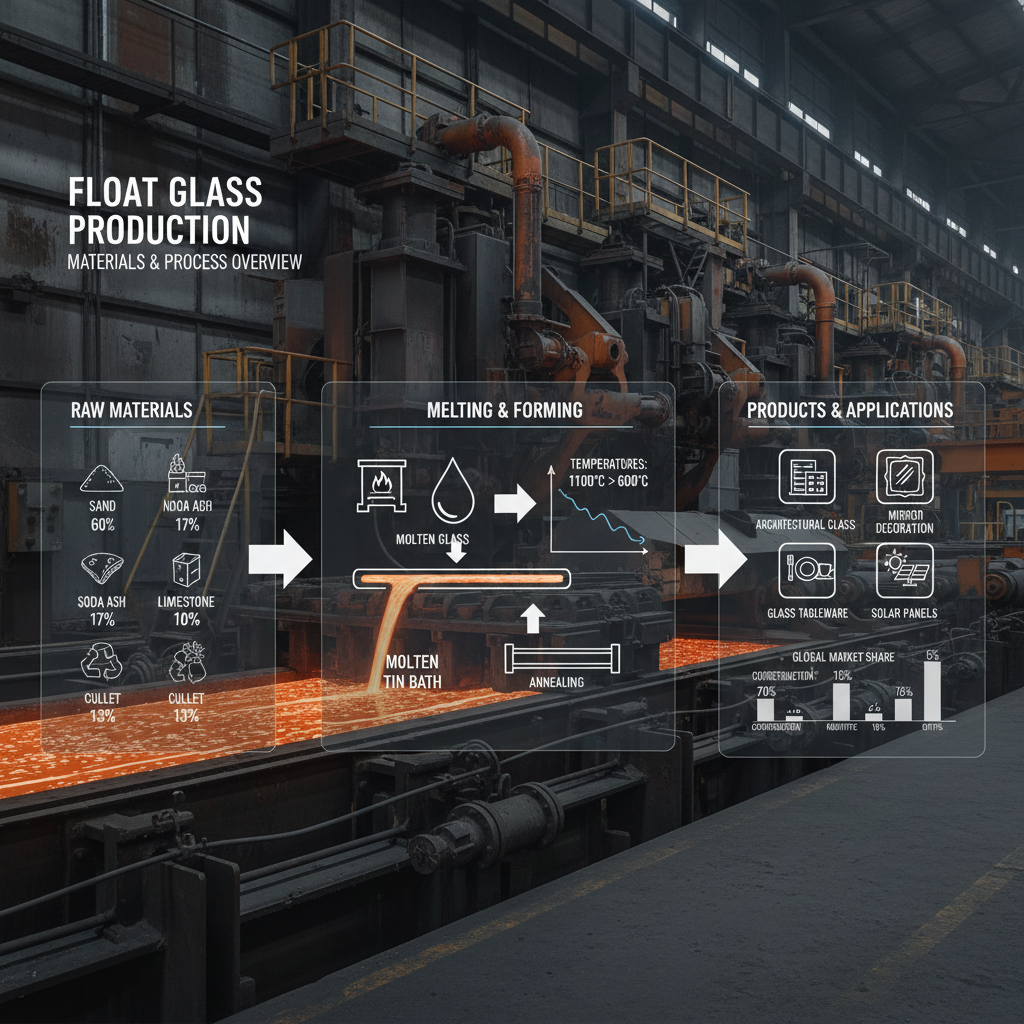
A float glass factory is a specialized manufacturing facility that produces flat glass using the float glass process. Developed in the 1950s by Pilkington, the process involves pouring molten glass onto a bath of molten tin. This creates a perfectly flat, smooth surface, eliminating the need for grinding and polishing. The result is a high-quality, distortion-free glass that is ideal for a wide range of applications. It's a truly revolutionary process, and the fundamental principles haven’t changed much since its inception.
It's a critical component of modern industry because it provides a fundamental building material for everything from homes and offices to cars and electronic devices. Without float glass, modern architecture as we know it simply wouldn’t exist. It’s enabling technologies in everything from solar energy (specialty glass for panels) to interior design. It's hard to overstate its impact.
In essence, a float glass factory isn’t just about production; it's about enabling progress. It's about providing the materials that underpin a lot of the modern world. And it's a process that demands a high level of skill and attention to detail, from the operators on the line to the engineers designing the plants.
Core Components of a Float Glass Factory
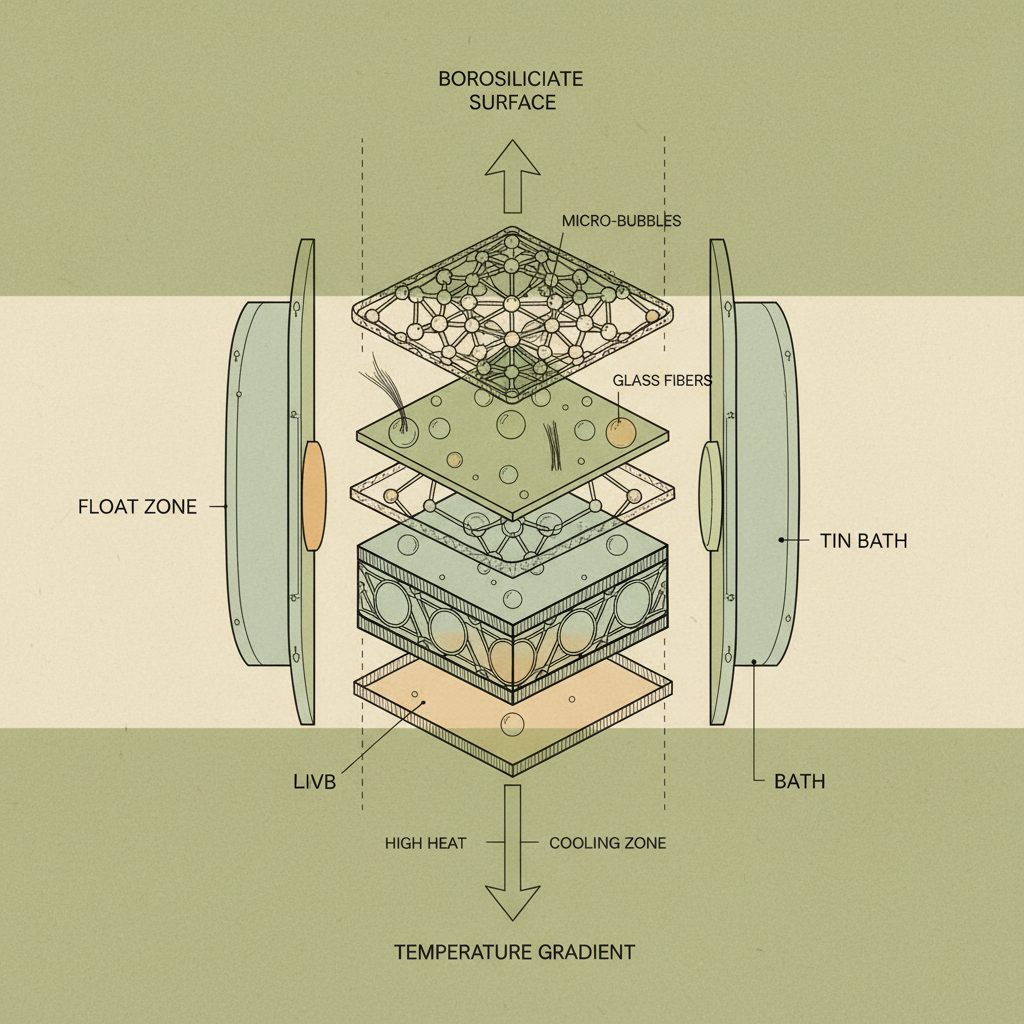
Several core components are essential for the effective operation of a float glass factory. Firstly, there's the melting furnace, where raw materials are heated to temperatures exceeding 1500°C. This is a huge energy consumer, and optimizing furnace efficiency is paramount. Secondly, the tin bath itself – maintaining the purity and temperature of the molten tin is critical for the glass’s quality. Then you have the annealing lehr, where the glass is slowly cooled to reduce stress and prevent cracking.
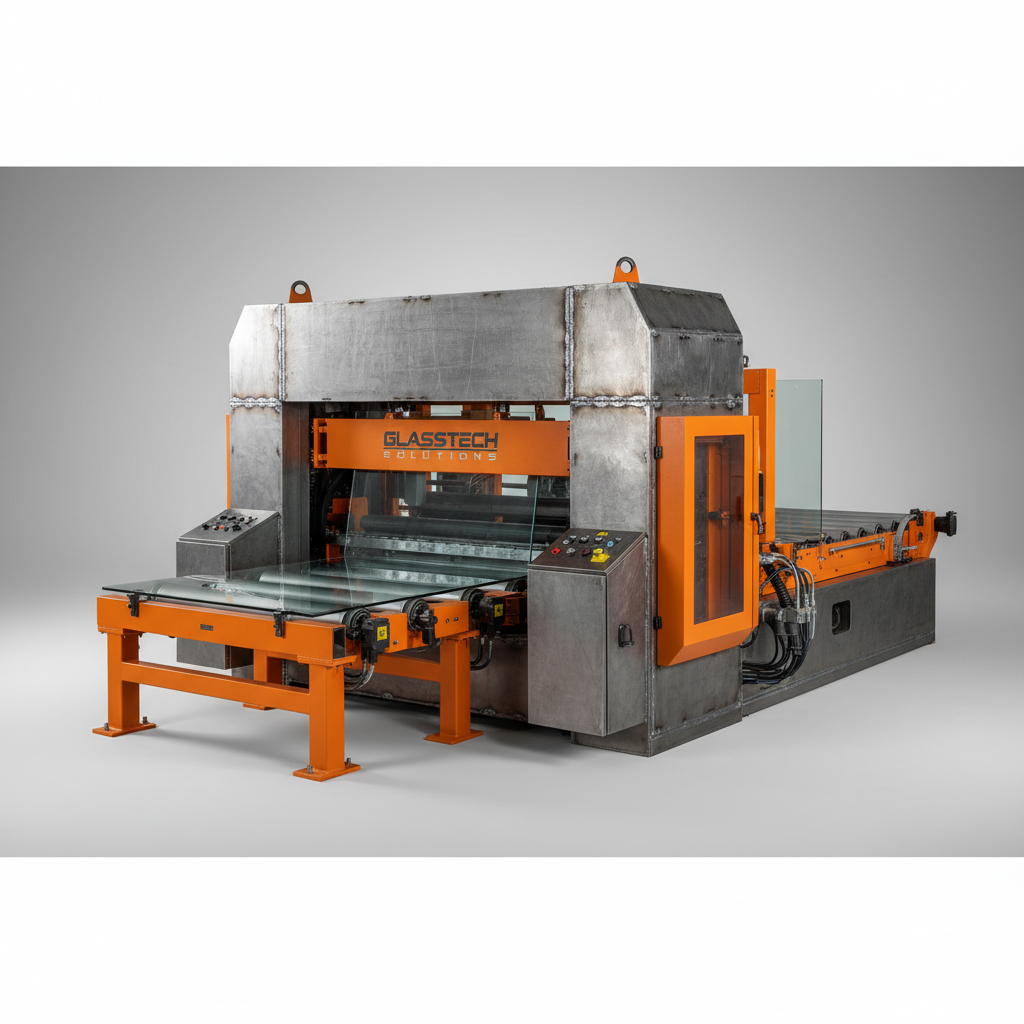
Quality control is another crucial aspect. We're talking about continuous monitoring of glass thickness, flatness, and optical properties. Defects need to be detected and removed immediately to ensure that only the highest quality glass reaches the market. Automated inspection systems are becoming increasingly common, but skilled technicians are still essential for identifying subtle flaws. The fourth major component is the cutting and finishing line, which handles the cutting of the large glass sheets into various sizes and shapes, as well as edge polishing and coating application.
Finally, the raw material handling and storage systems are vital. Ensuring a consistent supply of high-quality raw materials is crucial for maintaining consistent glass quality. This involves sophisticated logistics and inventory management. It all works in synergy – if one component fails, the entire process is disrupted.
Applications Across Industries
The applications of float glass are incredibly diverse. In the construction industry, it’s used for windows, facades, and interior partitions, providing natural light and energy efficiency. In the automotive sector, it’s essential for windscreens, side windows, and rear windows, offering safety and visibility. You’ll find it in furniture, mirrors, and decorative items. And increasingly, it's used in specialized applications like solar panels and electronic displays.
Regions like China, India, and Southeast Asia are experiencing rapid growth in construction, driving a significant increase in demand for float glass. In Europe and North America, the focus is shifting towards energy-efficient and sustainable building materials, leading to demand for specialized coatings and high-performance glass. We're also seeing increased demand in emerging markets in Africa and South America.
Float Glass Factory Efficiency Ratings
Advantages and Long-Term Value
The benefits of using float glass are numerous. From a cost perspective, the high production volume and efficiency of the float process have made it a relatively affordable building material. It's durable, requires minimal maintenance, and offers excellent optical clarity. It's also recyclable, contributing to a circular economy. The energy efficiency benefits, particularly with low-E coatings, result in long-term cost savings for building owners.
Beyond the practical advantages, float glass adds aesthetic value to buildings and enhances the quality of life. It creates bright, inviting spaces and allows for innovative architectural designs. Investing in high-quality float glass also demonstrates a commitment to safety and sustainability, building trust with clients and stakeholders.
Future Trends and Innovations
The future of float glass manufacturing is focused on sustainability, automation, and digital transformation. We're seeing increased investment in electric melting furnaces to reduce carbon emissions. Artificial intelligence and machine learning are being used to optimize production processes and improve quality control. Digital twin technology allows for virtual modeling and simulation of entire factories, enabling proactive maintenance and process optimization.
We are also seeing a push towards developing new glass compositions with enhanced properties, such as self-cleaning glass, dynamic glazing (which can adjust its transparency based on sunlight), and ultra-thin glass for flexible displays. The use of recycled glass cullet is also increasing, contributing to a more circular economy.
Ultimately, the goal is to create more sustainable, efficient, and versatile float glass factories that can meet the evolving needs of the global market.
Challenges and Solutions in Float Glass Production
One of the biggest challenges is the energy intensity of the float glass process. Melting glass requires a significant amount of energy, and reducing that consumption is crucial for lowering costs and minimizing environmental impact. Solutions include investing in more efficient furnace designs, utilizing waste heat recovery systems, and transitioning to alternative energy sources.
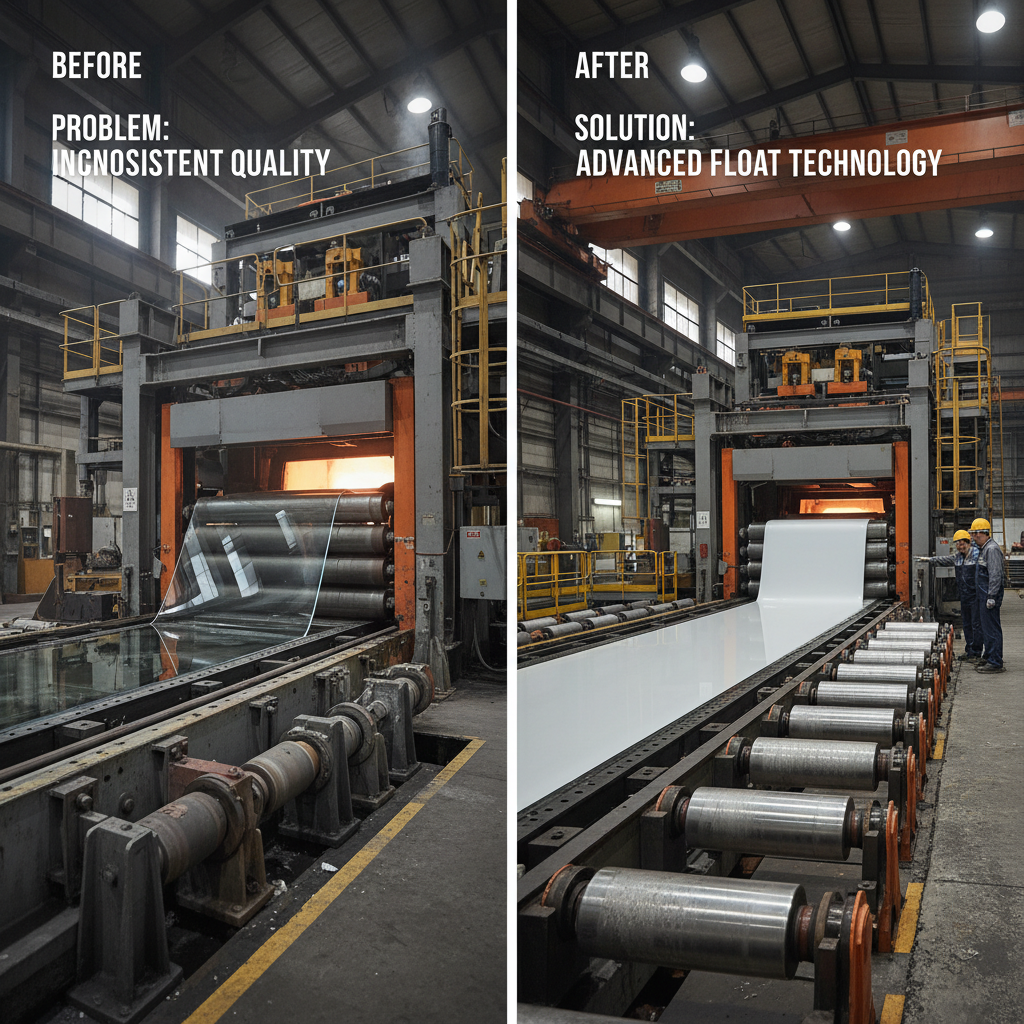
Another challenge is maintaining consistent glass quality. Variations in raw material composition or process parameters can lead to defects. Implementing advanced process control systems and automated inspection technologies can help mitigate these issues. Skilled operators and engineers are also vital for identifying and addressing potential problems proactively.
Finally, the industry faces increasing pressure to reduce waste. Optimizing cutting patterns, recycling glass cullet, and developing new applications for waste materials are all important strategies for improving sustainability.
Summary of Challenges and Solutions in Float Glass Production
| Challenge Area |
Impact Level (1-10) |
Proposed Solution |
Implementation Cost (USD) |
| High Energy Consumption |
9 |
Electric Furnace Conversion |
$5M - $15M |
| Quality Control Variability |
7 |
Advanced Process Control Systems |
$1M - $3M |
| Raw Material Sourcing |
6 |
Diversification of Suppliers |
$200K - $500K |
| Waste Material Management |
5 |
Cullet Recycling Programs |
$100K - $250K |
| Skilled Labor Shortage |
8 |
Enhanced Training Programs |
$50K - $150K (annual) |
| Supply Chain Disruptions |
7 |
Strategic Inventory Management |
$300K - $700K |
FAQS
A well-maintained float glass factory can operate for 20-30 years, or even longer. However, key components like the furnace will require periodic rebuilds (typically every 8-12 years) which represent a significant investment. The longevity depends heavily on the quality of initial construction, the operating conditions, and the effectiveness of the maintenance program. Regular inspections and proactive repairs are essential to maximizing the lifespan and minimizing downtime.
Energy costs are consistently the largest single operational expense, representing 30-40% of the total. Raw material costs (sand, soda ash, limestone) follow closely behind, at around 20-25%. Maintenance, labor, and transportation contribute significantly as well. Effective energy management strategies and securing favorable raw material supply contracts are critical for controlling costs and maintaining profitability.
Environmental regulations are becoming increasingly stringent, particularly regarding emissions of pollutants like sulfur dioxide (SO2) and nitrogen oxides (NOx). Factories are required to invest in emission control technologies, such as scrubbers and filters. There’s also growing pressure to reduce carbon emissions and minimize waste generation. Compliance with these regulations requires continuous monitoring, reporting, and investment in sustainable practices.
Automation is increasingly prevalent in float glass factories, particularly in areas like raw material handling, glass cutting, quality control, and packaging. Automated systems improve efficiency, reduce labor costs, and enhance product consistency. The use of robotics is also growing, enabling more precise and flexible manufacturing processes. While full automation isn’t always feasible, strategic implementation can yield significant benefits.
Float glass prices are highly sensitive to global economic conditions. Economic downturns often lead to reduced demand in the construction and automotive sectors, resulting in lower prices. Conversely, strong economic growth and increased infrastructure investment typically drive prices up. Fluctuations in currency exchange rates and raw material costs also play a significant role. Staying abreast of these economic trends is crucial for effective pricing strategies.
Specialty glass, such as low-E coatings, laminated glass, and self-cleaning glass, is expected to experience significant growth in the coming years. These products offer enhanced performance characteristics and address increasing demand for energy efficiency, safety, and comfort. Investment in research and development to create even more innovative specialty glass products is crucial for remaining competitive in the market. The demand for these higher-value products offsets the commodity glass pressure.
Conclusion
In conclusion, the float glass factory industry is a complex and vital component of the global economy. From its foundational role in construction and automotive to its expanding applications in renewable energy and advanced technologies, float glass remains indispensable. Understanding the key components, challenges, and future trends within this industry is crucial for anyone involved in related sectors. Investing in innovation, sustainability, and skilled labor is paramount for ensuring the long-term viability and success of float glass factories.
Looking ahead, the industry must embrace digital transformation, prioritize environmental responsibility, and adapt to evolving market demands. Continuous improvement in energy efficiency, waste reduction, and product quality will be essential. For anyone considering entering the field or looking to optimize existing operations, a deep understanding of these factors is not just beneficial—it’s essential for thriving in this dynamic and ever-evolving landscape. Visit our website at float glass factory to learn more.