Blue float glass represents a significant advancement in materials science, impacting countless industries from construction and automotive to electronics and renewable energy. Its unique properties – clarity, strength, and versatility – make it a cornerstone of modern infrastructure and technological innovation. Understanding the nuances of blue float glass production, applications, and future trends is crucial for professionals across a broad spectrum of fields.
Globally, the demand for high-quality glass continues to rise, driven by urbanization, infrastructure development, and a growing focus on energy efficiency. Blue float glass, with its superior optical qualities and thermal performance, is increasingly favored for architectural projects seeking both aesthetic appeal and sustainability. This demand creates a dynamic market, necessitating continuous innovation and a commitment to responsible manufacturing practices.
This comprehensive guide delves into the world of blue float glass, exploring its core components, real-world applications, future trends, and the challenges surrounding its production and implementation. By providing a detailed overview, we aim to empower readers with the knowledge needed to leverage the full potential of this remarkable material.
The Fundamentals of blue float glass
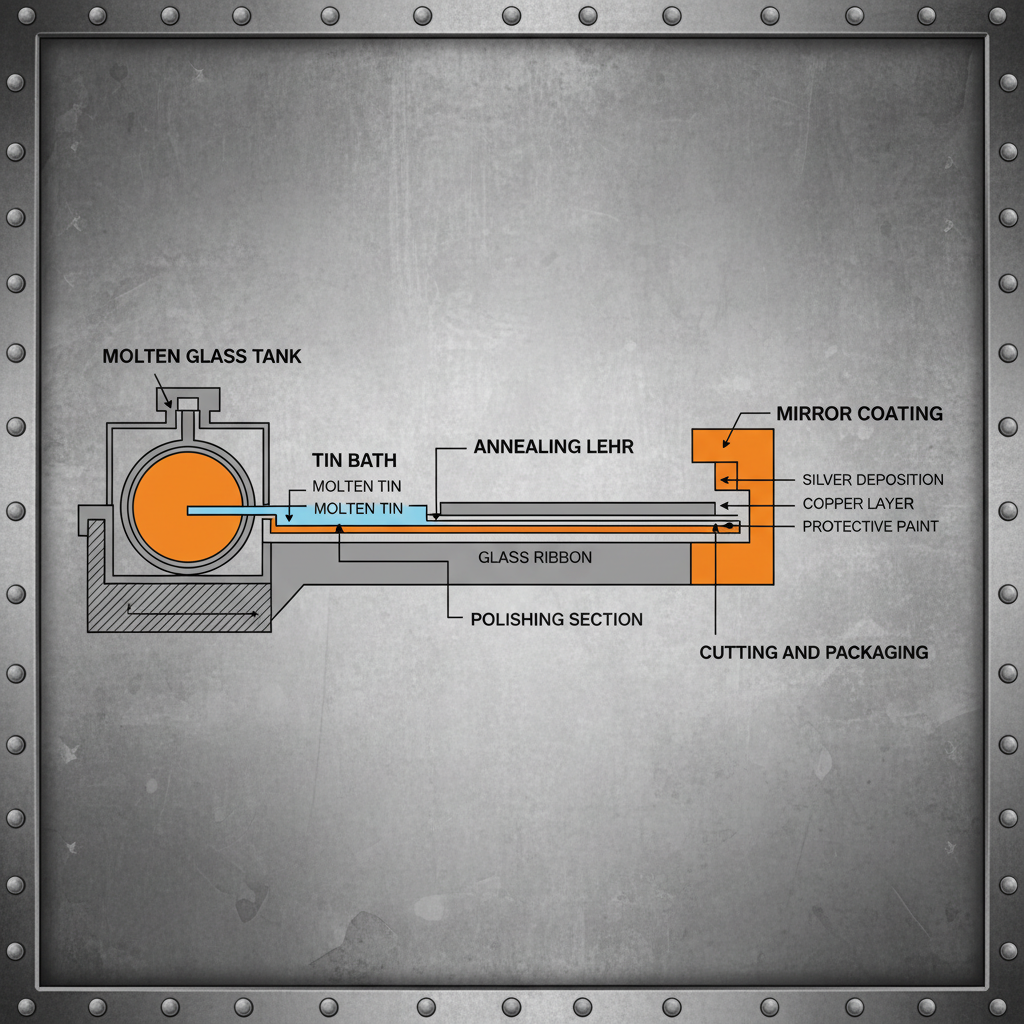
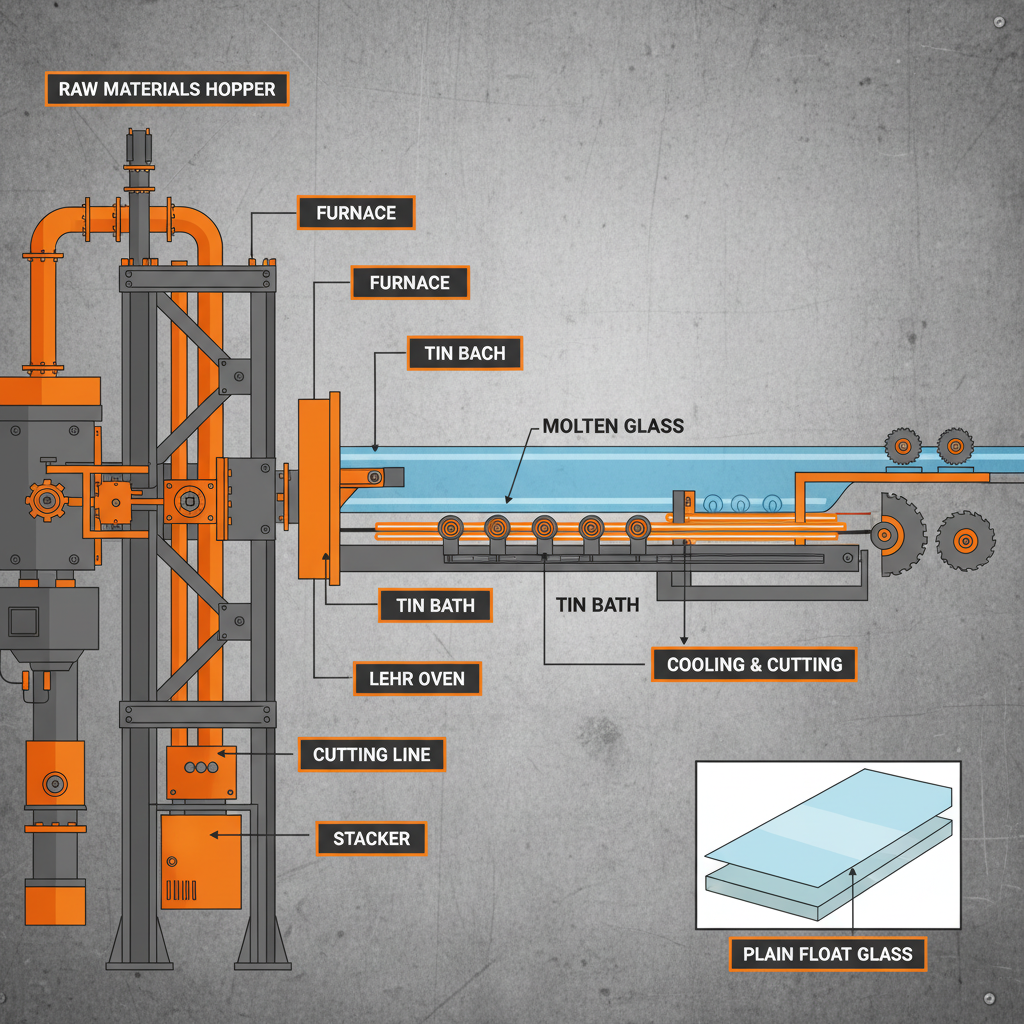
Blue float glass, at its core, is a sheet of glass made by floating molten glass on a bed of molten tin. This process yields a remarkably flat and smooth surface, eliminating the distortions common in traditionally manufactured glass. The addition of specific metal oxides during the melting process imparts the characteristic blue tint, providing aesthetic appeal and specific functional properties. blue float glass production requires precise control over temperature, composition, and atmosphere.
The creation of blue float glass isn't merely a manufacturing process; it's a delicate balance of chemical engineering and precise execution. The tin bath must be meticulously maintained, and the cooling process carefully regulated to avoid stress and defects. This dedication to quality ensures the superior clarity, strength, and longevity that define premium blue float glass.
Global Relevance and Industry Context
The global glass industry is a multi-billion dollar market, significantly influenced by construction, automotive, and renewable energy sectors. According to the UN, global construction is projected to reach $8.5 trillion by 2030, driving demand for high-performance glass products. Blue float glass, with its energy-efficient properties, is positioned to capitalize on this growth, particularly in regions focused on sustainable building practices. The ISO standards for glass quality (ISO 9001) are increasingly important for international trade and ensuring product reliability.
A significant challenge facing the industry is reducing its carbon footprint. Glass manufacturing is energy-intensive, prompting research into alternative melting technologies and increased use of recycled glass cullet. Simultaneously, the demand for specialized glass – such as low-emissivity (Low-E) blue float glass – is increasing, requiring innovative manufacturing processes and material compositions.
The demand for blue float glass extends beyond traditional applications. Its optical properties make it valuable in solar panel manufacturing, contributing to the growth of the renewable energy sector. This interconnectedness highlights the critical role of blue float glass in addressing global challenges related to sustainability, energy efficiency, and infrastructure development.
Defining blue float glass: Composition and Manufacturing
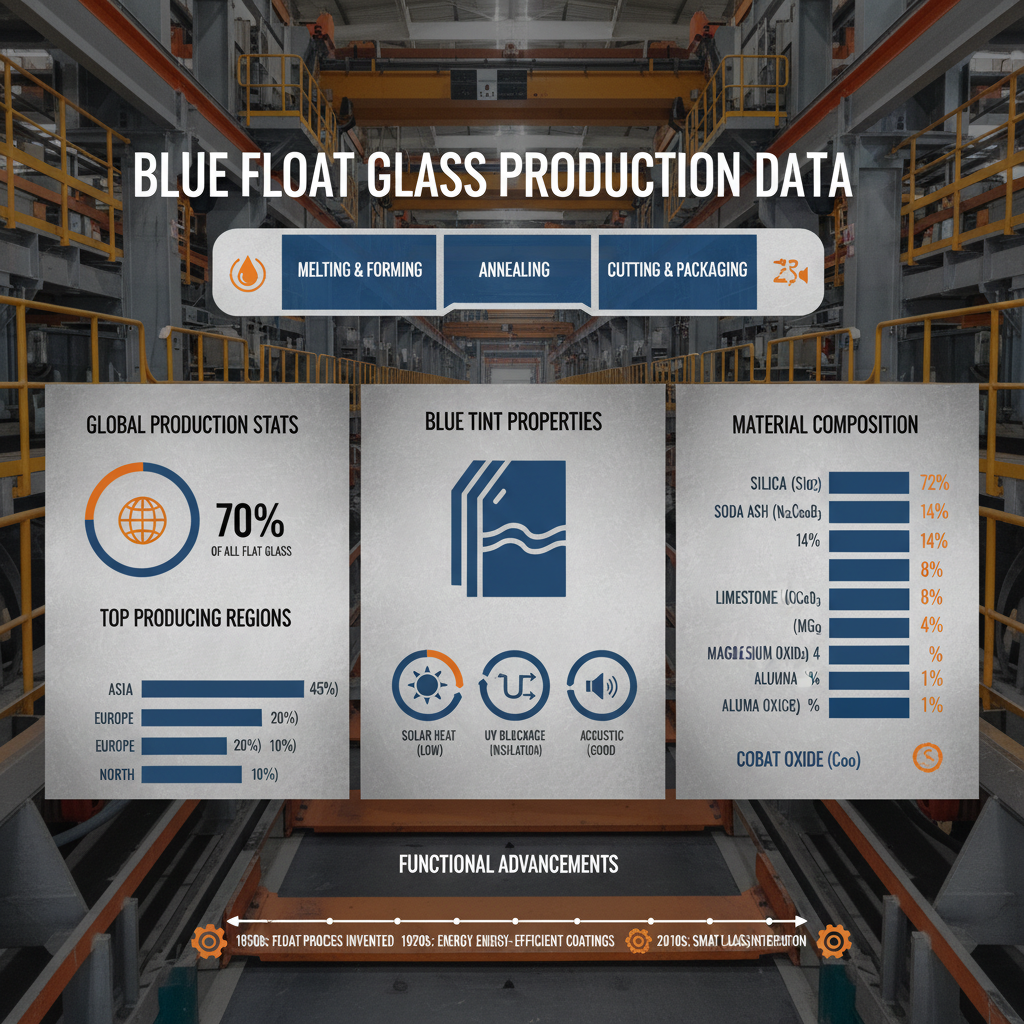
Blue float glass isn’t simply glass colored blue; its composition is carefully engineered. The base is typically soda-lime glass – a mixture of silica sand, soda ash (sodium carbonate), and limestone. The blue hue is achieved through the addition of metal oxides, most commonly cobalt oxide. The amount of cobalt oxide determines the intensity of the blue color. Other additives may be included to modify properties such as strength, thermal resistance, or light transmission.
The float process itself is revolutionary. Molten glass, precisely composed, is poured onto a bath of molten tin. Because glass and tin don’t mix, the glass floats, creating a perfectly level surface. This eliminates the need for grinding and polishing, resulting in a glass sheet with exceptional clarity and flatness. The ribbon of glass then moves through a controlled cooling tunnel (lehr) to slowly solidify and achieve its final properties.
The entire process is highly automated and monitored, ensuring consistent quality. Variations in temperature, composition, and cooling rates can significantly impact the final product. Manufacturers like blue float glass suppliers employ rigorous quality control measures at every stage to meet stringent industry standards.
Key Properties of blue float glass
One of the defining characteristics of blue float glass is its exceptional clarity. The float process eliminates distortions, allowing for maximum light transmission. This is crucial for applications like windows, skylights, and architectural facades where natural light is desired. Simultaneously, the blue tint can reduce glare and provide a degree of solar control.
The inherent strength and durability of blue float glass make it suitable for demanding applications. It can withstand significant wind loads, temperature fluctuations, and impacts without fracturing. Furthermore, it’s resistant to chemical corrosion and weathering, ensuring a long service life.
Performance Metrics of Different blue float glass Manufacturing Methods
Diverse Applications of blue float glass Worldwide
The architectural sector is a primary consumer of blue float glass. Its aesthetic appeal makes it popular for building facades, curtain walls, and interior design elements. The blue tint can complement a variety of architectural styles, from modern and minimalist to classic and ornate. In regions with intense sunlight, such as the Middle East and Southeast Asia, blue float glass provides effective solar control, reducing energy consumption and enhancing occupant comfort.
Beyond construction, blue float glass finds application in the automotive industry, primarily for windshields and side windows. Its strength and clarity are crucial for driver visibility and safety. The automotive sector is also driving demand for lightweight glass solutions, prompting research into thinner and more durable blue float glass compositions.
Advantages and Long-Term Value Proposition
From a cost perspective, the efficiency of the float process contributes to the affordability of blue float glass. While specialized coatings and treatments can increase the price, the base material remains relatively inexpensive to produce. Furthermore, its durability reduces the need for frequent replacements, lowering lifecycle costs.
The environmental benefits are significant. The use of recycled glass cullet in the manufacturing process reduces energy consumption and waste. Additionally, the energy-efficient properties of blue float glass contribute to lower building energy consumption, reducing carbon emissions. The material's longevity also minimizes its environmental impact over time.
The aesthetic appeal and functional performance of blue float glass enhance the value of buildings and vehicles, contributing to increased property values and improved occupant well-being. Its inherent safety features – strength, impact resistance – provide peace of mind to building owners and occupants alike.
Future Innovations in blue float glass Technology
Research into self-cleaning blue float glass is gaining momentum. Coatings that utilize photocatalytic properties can break down dirt and organic matter, reducing the need for manual cleaning. This technology has the potential to significantly lower maintenance costs and improve the aesthetic appearance of buildings.
Smart glass technologies, which allow glass to change its transparency based on external conditions or user input, are being integrated with blue float glass. This can provide dynamic solar control and enhance privacy. The integration of sensors and embedded electronics into blue float glass is also being explored, creating “intelligent” windows that can monitor environmental conditions and adjust accordingly.
The development of thinner, yet stronger, blue float glass is a key focus. Nanomaterials and advanced composite structures are being investigated to improve the mechanical properties of glass without increasing its weight. These advancements will be crucial for the automotive industry and other applications where weight reduction is paramount.
Summary of Challenges and Potential Solutions for Future Blue Float Glass Production
| Challenge Area |
Impact on blue float glass Production |
Potential Solution |
Implementation Timeline |
| Energy Consumption |
High energy costs for melting and processing. |
Utilize hybrid furnaces combining electric and gas heating; increased cullet usage. |
Short-term (1-3 years) |
| Raw Material Costs |
Fluctuating prices of silica sand, soda ash, and limestone. |
Develop alternative raw material sources; optimize material ratios. |
Medium-term (3-5 years) |
| Waste Management |
Disposal of glass scrap and byproducts. |
Implement closed-loop recycling systems; develop innovative uses for glass waste. |
Short-term (1-2 years) |
| Quality Control |
Maintaining consistent quality and minimizing defects. |
Advanced sensor technology and AI-powered inspection systems. |
Medium-term (2-4 years) |
| Supply Chain Disruptions |
Geopolitical instability and logistical challenges. |
Diversify sourcing; build regional manufacturing hubs. |
Long-term (5+ years) |
| Skilled Labor Shortage |
Lack of trained technicians and engineers. |
Invest in workforce development programs; automation and robotics. |
Ongoing |
FAQS
Blue float glass offers several advantages. The blue tint reduces glare and solar heat gain, enhancing comfort and energy efficiency. It also provides a unique aesthetic appeal, making it a popular choice for architectural projects. Additionally, the color can offer a degree of privacy compared to clear glass. It’s important to note the cobalt content alters light transmission, and that this effect should be considered in design.
The float process itself is relatively efficient, but the high temperatures required for melting glass are energy-intensive. The use of recycled glass cullet, and the exploration of alternative fuel sources and furnace technologies, are key to reducing the environmental impact. Responsible disposal of glass scrap and minimizing waste are also crucial considerations for manufacturers.
With proper installation and maintenance, blue float glass in a building façade can last for 50 years or more. Its inherent resistance to weathering and chemical corrosion contributes to its longevity. However, factors such as exposure to extreme weather events, pollution, and improper cleaning practices can affect its lifespan. Regular inspections are recommended to identify and address any potential issues.
Yes, blue float glass is fully recyclable. It can be crushed into cullet and reused in the manufacturing of new glass products, reducing the need for virgin raw materials. However, the blue tint may influence the color of the recycled glass, potentially limiting its applications. Separating colored glass from clear glass during recycling is essential for maximizing its value.
Beyond architectural uses, blue float glass is utilized in furniture, interior design, displays, and even scientific instruments. Its optical properties make it suitable for lenses and filters. Its aesthetic quality is also leveraged in art installations and decorative features. It is also becoming increasingly common in solar panel construction.
The cost of blue float glass generally falls between that of standard clear float glass and other high-performance specialty glasses like Low-E or laminated glass. The price is influenced by factors such as thickness, size, coating options, and quantity ordered. The addition of cobalt oxide adds to the manufacturing cost, but the benefits in terms of aesthetics and performance often justify the expense.
Conclusion
Blue float glass stands as a testament to the power of materials science, seamlessly blending aesthetic appeal with functional performance. From its energy-efficient properties to its durability and versatility, it continues to revolutionize industries ranging from architecture and automotive to renewable energy. Understanding its nuances, applications, and evolving innovations is vital for professionals and consumers alike.
Looking ahead, the future of blue float glass is bright. Continuous advancements in manufacturing processes, combined with a growing emphasis on sustainability, will drive further innovation. By embracing these advancements and prioritizing responsible practices, we can unlock the full potential of this remarkable material and create a more sustainable and aesthetically pleasing world. For more information on high-quality blue float glass products and services, visit our website today.