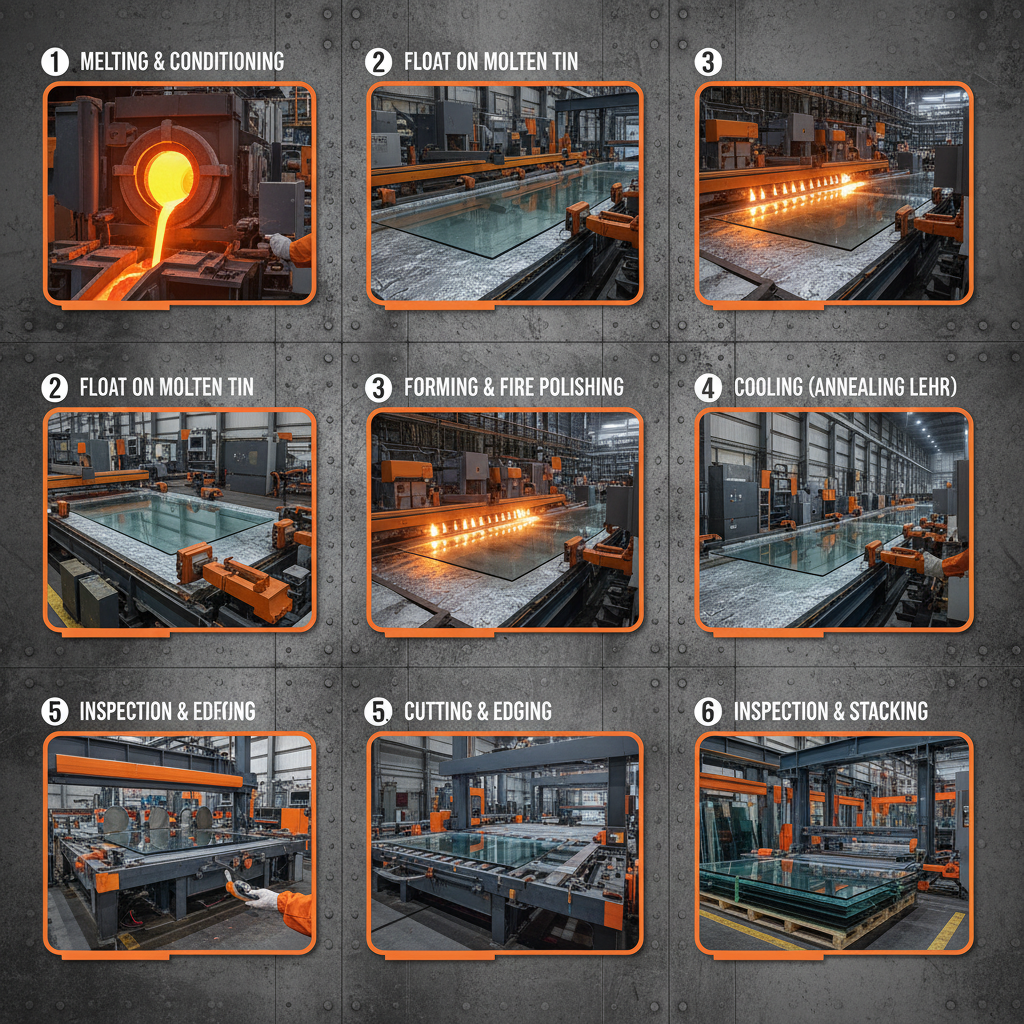



Look, I’ve spent the last fifteen years knee-deep in dust and concrete, watching things get built. And let me tell you, a good mirror isn’t just for checking your reflection. It’s about precision, it’s about quality control, and it’s about making sure what you think you’re building actually is what’s going up. That's where a quality float mirror comes in. It's a fundamental building block, honestly. You'd be surprised how often issues get spotted early simply because of a clear, accurate reflection. This isn’t some fancy showroom item; this is a workhorse.
For years, we relied on older glass technologies, and frankly, they just didn’t cut it. Distortion, imperfections, and just plain fragility were constant headaches. A cracked mirror means delays, re-work, and unhappy clients. But the shift to float mirror technology changed everything. It’s a smoother, more consistent surface, meaning fewer errors, cleaner lines, and a more professional finish. It's a surprisingly big deal when you're dealing with tolerances measured in millimeters.
And it’s not just about aesthetics. Float mirror is tougher, less prone to warping, and holds up to the harsh conditions on a job site. I've seen mirrors survive where older types would have shattered weeks ago. That reliability translates directly into cost savings and keeps projects on schedule. It’s a subtle but critical difference, and one that experienced builders like myself recognize instantly.
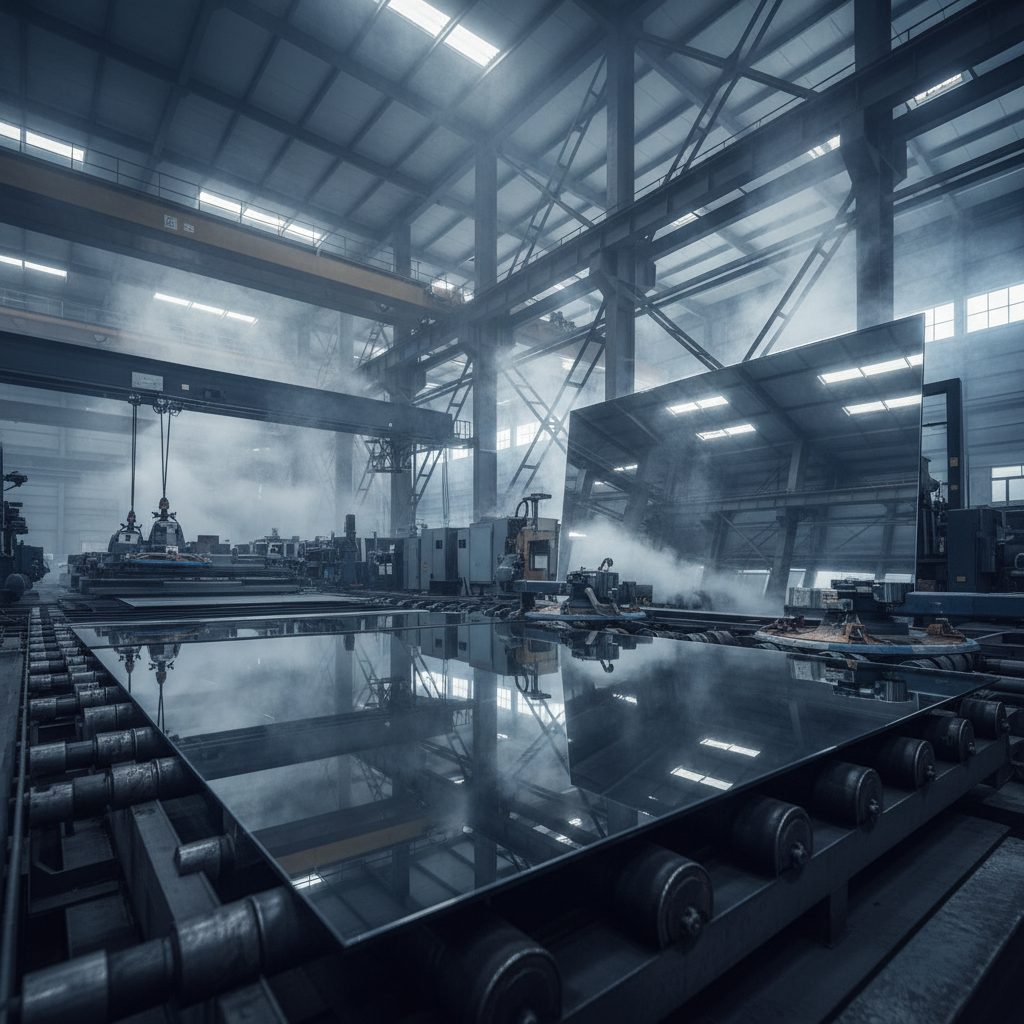

From skyscrapers to residential builds, a consistent, high-quality reflective surface is crucial. It’s about more than just aesthetics; it’s about ensuring structural integrity. We’re constantly checking plumb lines, ensuring alignment, and verifying dimensions. A good float mirror helps us do that efficiently and accurately. I’ve seen jobs held up because the mirrors being used were simply unreliable, offering distorted reflections that led to costly mistakes.
And it’s a global concern. Building standards are rising worldwide, with a greater emphasis on precision and quality. Countries with rapidly developing construction sectors, like those in Southeast Asia and parts of Africa, are increasingly demanding materials that meet international standards. Float mirror is a key component in meeting those demands.
Lead times can vary depending on the complexity of the order and our current workload, but generally, you can expect custom-sized float mirror to be delivered within 2-4 weeks. Larger or more intricate orders may require a bit longer. We always strive to be transparent about timelines and will provide a firm delivery date when you place your order. Communicating clearly about your project deadlines is key.
Float mirror is relatively resistant to moisture, but it's not impervious. Over prolonged exposure to high humidity, the silver backing can corrode, leading to spotting or discoloration. Proper sealing during installation and regular cleaning can help mitigate this risk. For particularly humid environments, consider using a specialized mirror backing designed for high-moisture applications.
Safety is paramount! Always wear safety glasses, gloves, and appropriate footwear when handling float mirror. Use suction cups or other lifting aids to avoid dropping or damaging the glass. When cutting, use a diamond blade and follow proper cutting techniques. And be mindful of sharp edges – they should be properly ground and polished to prevent injuries.
Yes, but with caveats. Standard float mirror isn't designed for direct, prolonged exposure to the elements. UV radiation can degrade the silver backing, and temperature fluctuations can cause cracking. If you’re planning to use it outdoors, choose a mirror specifically treated for outdoor use, with a protective coating to shield it from UV and moisture.
Avoid abrasive cleaners or scouring pads. Use a mild glass cleaner and a soft, lint-free cloth. Spray the cleaner onto the cloth, not directly onto the mirror, to prevent overspray and potential damage to the backing. Wipe gently in a circular motion, and dry with a clean, dry cloth. Never use ammonia-based cleaners, as they can damage the silver backing.
Float mirror is typically available in thicknesses ranging from 3mm to 19mm. The appropriate thickness depends on the application and the size of the mirror. For smaller mirrors, 3mm or 4mm is usually sufficient. Larger mirrors require thicker glass to provide adequate support and prevent flexing. We can advise you on the best thickness for your specific project.
In the end, float mirror isn’t just a product; it's a foundational element of modern construction. From ensuring structural accuracy to enhancing aesthetics, its impact is far-reaching. It's about quality, reliability, and getting the job done right, the first time. Choosing the right float mirror can save you time, money, and headaches down the road.
Looking ahead, innovation in glass technology will continue to drive improvements in performance and sustainability. By embracing these advancements and partnering with trusted suppliers, we can build a more durable, efficient, and aesthetically pleasing built environment. For all your float mirror needs, and to discuss how we can support your projects, visit our website at www.tptopglass.com.


Shahe City economic Development Zone 32,hebei,P.R .China.

+8618686009698
+8613191439158

eoch@shtopglass.com
jason@shtopglass.com