
logo
0%

Table of Contents

Look, I’ve been in construction for over twenty years. Seen materials come and go. But tin float glass – that’s a game changer. It’s not just about clearer windows, it’s about building smarter, safer, and faster. We're talking about a fundamental shift in how we approach glazing across everything from skyscrapers to single-family homes. It’s become indispensable because it consistently delivers on quality and reduces waste, and frankly, in this business, time is money.

Globally, the demand for high-performance glass is booming. UN reports highlight the increasing need for sustainable building materials, and the World Bank consistently pushes for infrastructure development, both areas where tin float glass excels. ISO standards are getting stricter, demanding higher quality and consistency – and this glass meets those demands. But it's not just about meeting standards; it’s about solving real-world problems. Think about the impact of energy-efficient buildings in rapidly urbanizing areas, or the increased safety features for structures in disaster-prone zones.

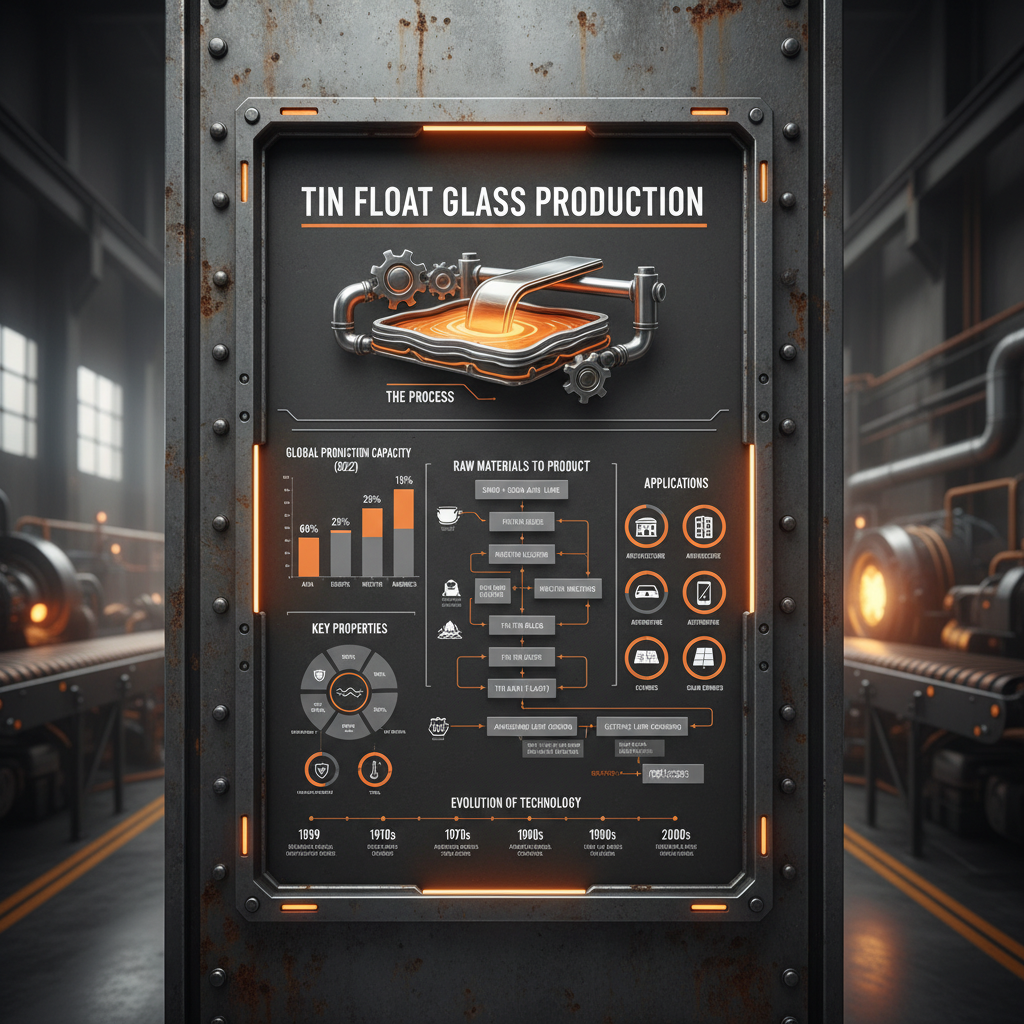
Simply put, tin float glass is sheet glass manufactured by floating molten glass on a bed of molten tin. This process gives it a perfectly flat surface, eliminating the distortion you see in older glassmaking methods. It’s foundational to modern architecture, enabling larger windows, curtain walls, and complex glazing designs. It’s not some fancy new invention; it’s a process refined over decades, but its impact on the construction industry—and frankly, the quality of life for people inhabiting these buildings—is immense.
Revolutionizing Construction with High Performance tin float glass Solutions

The Core Properties of tin float glass

Revolutionizing Construction with High Performance tin float glass Solutions

The strength of tin float glass comes down to consistency. Because of the floating process, you get a uniform thickness and incredibly flat surfaces. That makes it easier to work with – less cutting, less polishing, less waste. That's what we care about on site. And that flatness isn’t just cosmetic; it impacts the optical quality, reducing distortion.

But it’s not just about flatness. The glass itself is incredibly durable and resistant to weathering. It handles temperature swings and stress far better than older glass types. You can get it in a variety of thicknesses, colors, and coatings to meet specific project needs, from energy efficiency to aesthetic design. It’s a versatile product, truly.

Global Demand and Production of tin float glass

China's currently the biggest producer, no surprise there. They’ve invested heavily in capacity, and a lot of the world’s supply comes from there. But you’re also seeing significant production in Europe, India, and the US. Demand is tied to construction, obviously, but also automotive and renewable energy sectors. Solar panel manufacturers are huge consumers of float glass.

The growth is steady, but it’s not without challenges. Fluctuations in raw material costs, like silica sand and soda ash, can impact prices. Supply chain disruptions, like we saw a few years ago, can cause delays. And there's increasing pressure to reduce the carbon footprint of glass production, which is where innovation is really crucial.

You’re seeing a real shift toward regional production to minimize transportation costs and improve supply chain resilience. Clients are demanding more transparency in the supply chain as well—they want to know where their materials are coming from and how they're made.

The Manufacturing Process of tin float glass

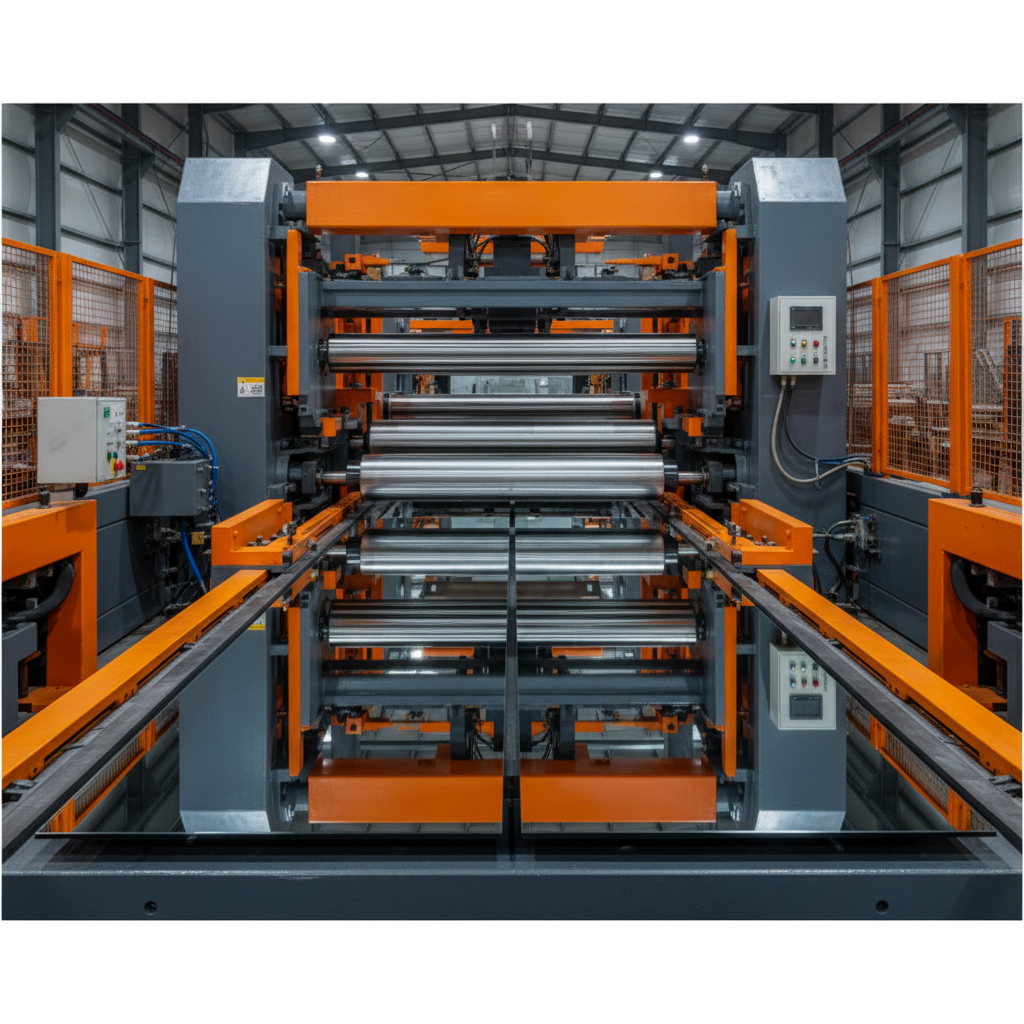
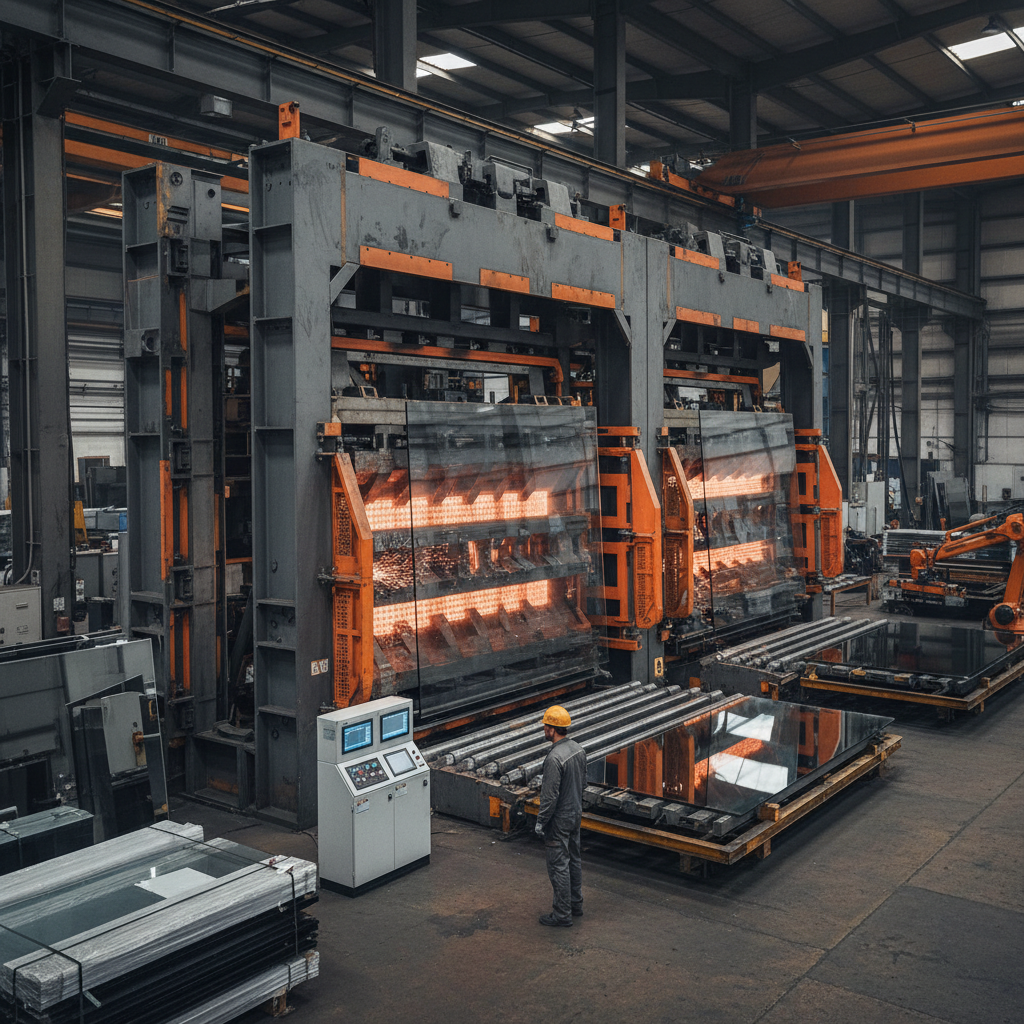
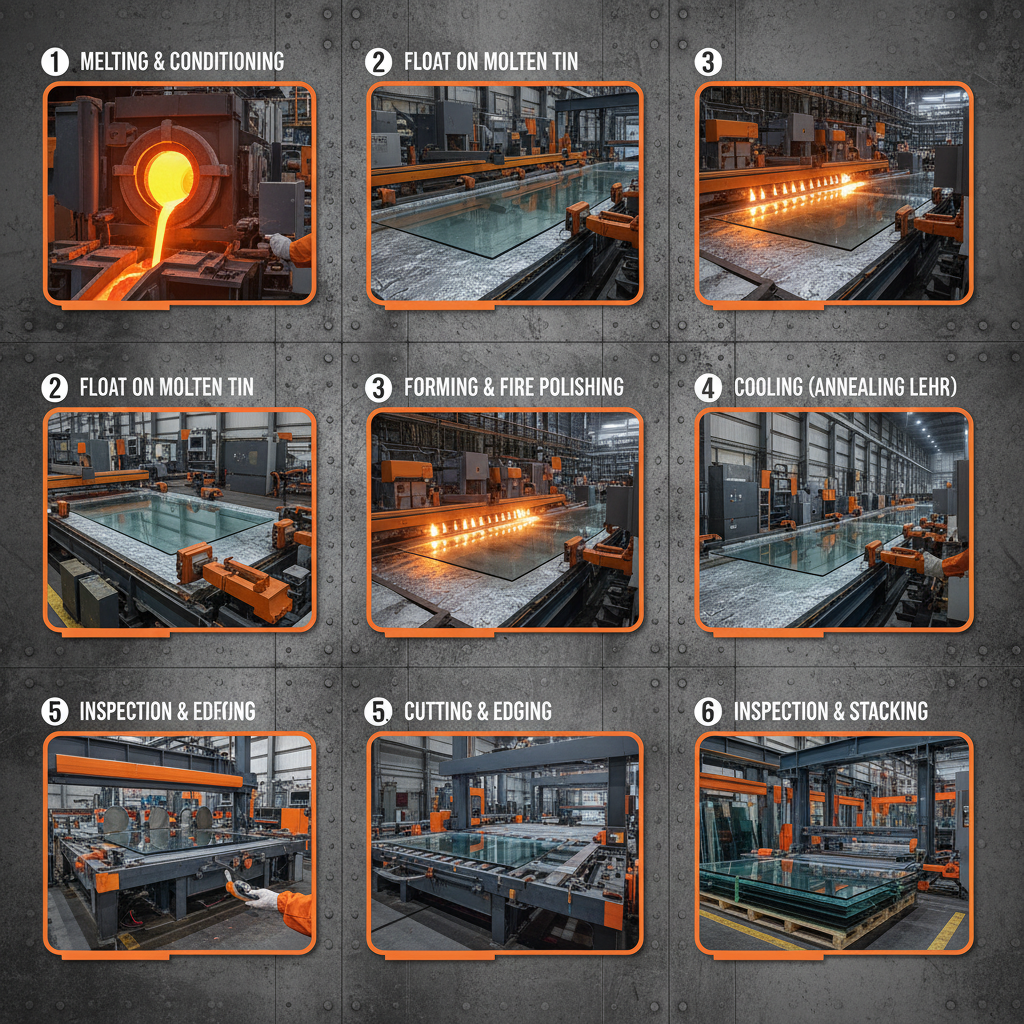
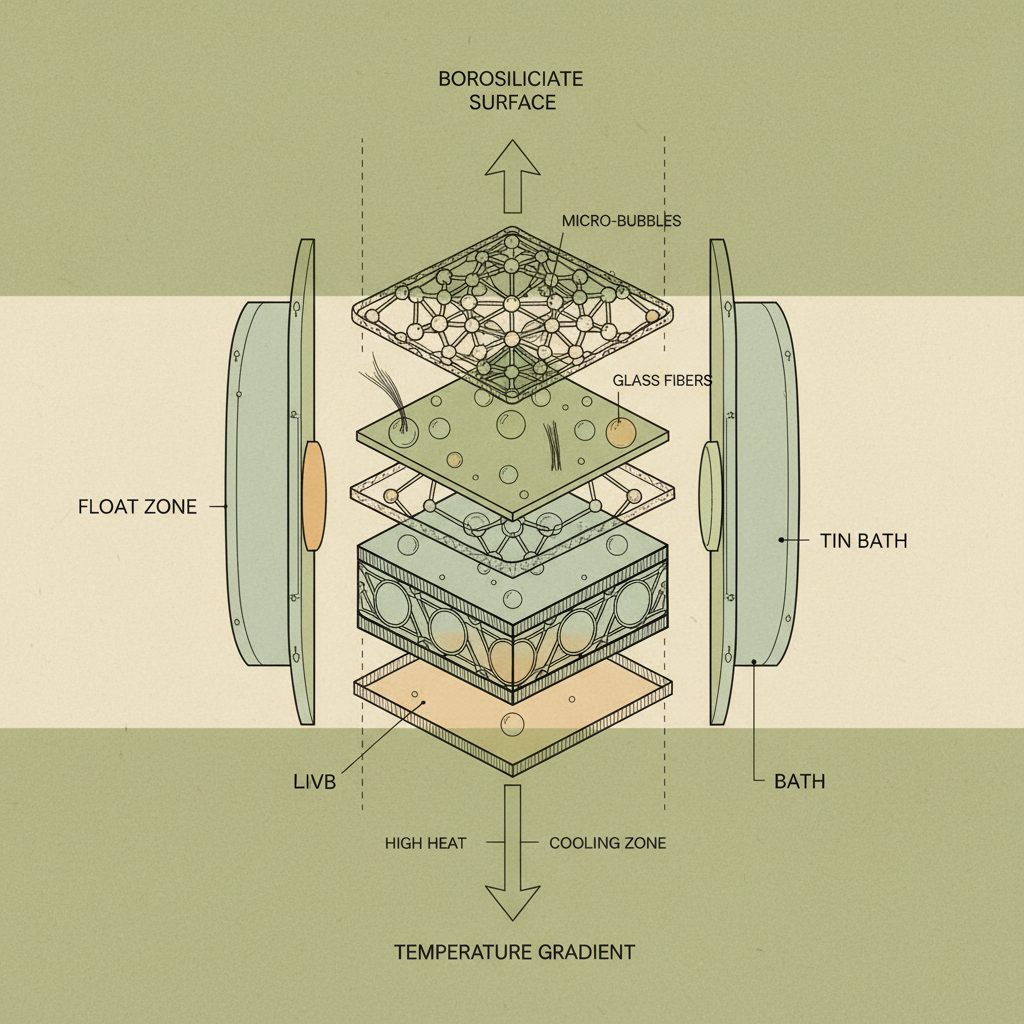
Okay, so the basics. Molten glass – a precise mixture of silica sand, soda ash, limestone, and other additives – is poured onto a bath of molten tin. The tin acts as a perfectly smooth, level surface, allowing the glass to spread out and float. The temperature control is critical; you’re talking about extremely precise heating and cooling cycles.

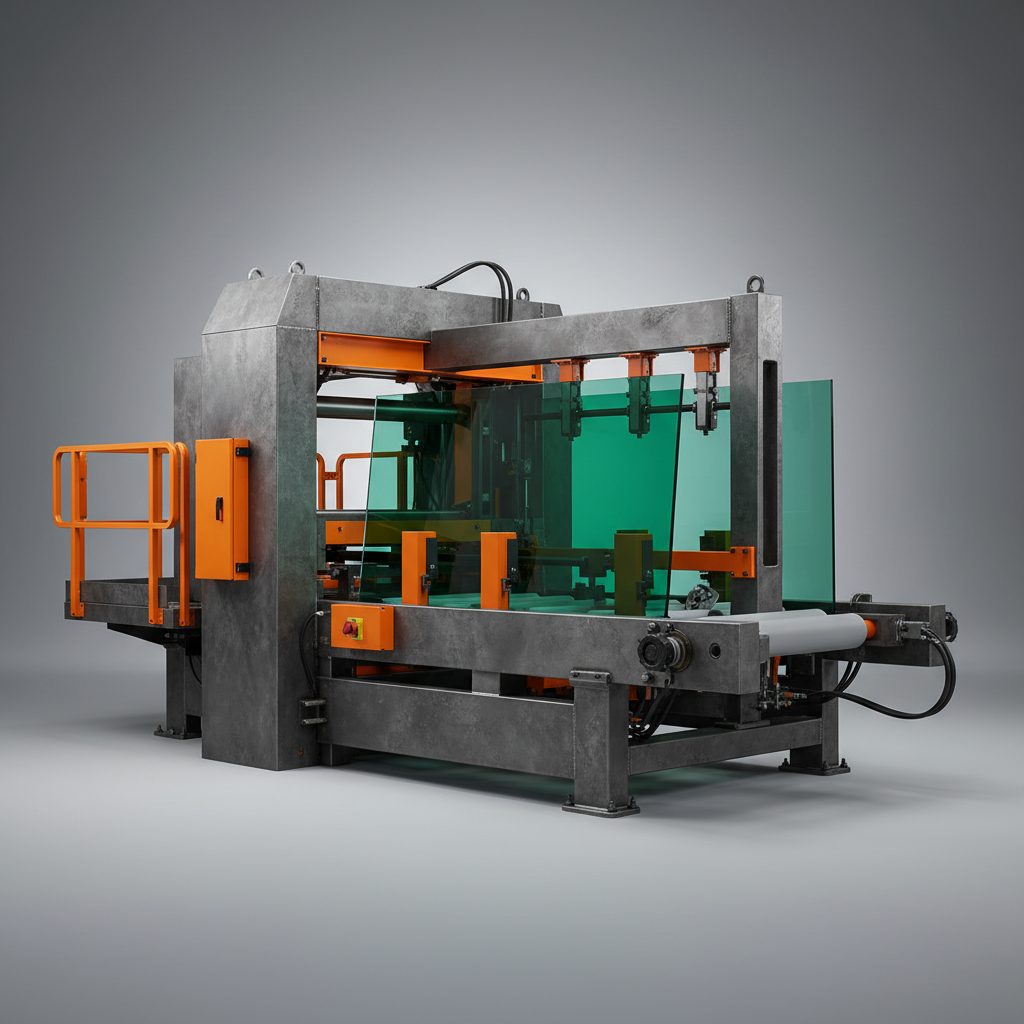
As the glass ribbon moves along the tin bath, it cools and solidifies. The speed of the line controls the thickness of the glass. Quality control is constant, with sensors monitoring the temperature, thickness, and surface defects. It’s a highly automated process, but experienced operators are still essential to troubleshoot problems and maintain quality.

Once cooled, the glass is cut into large sheets and inspected again before being shipped. Coatings, if required, are applied at this stage. It's a continuous process, 24/7 in many plants, so maintaining consistency and preventing defects is paramount. And honestly, it's a hot, dirty job to see it in person!

Performance Characteristics of tin float glass

The key performance indicator, really, is optical clarity. tin float glass gives you a distortion-free view. Beyond that, you’ve got thermal performance – how well it insulates. Low-E coatings can significantly reduce heat transfer, saving energy and lowering building costs.

Then there's strength. It's considerably stronger than older glass types and more resistant to wind loads and impacts. Safety is a big factor; tempered or laminated float glass offers enhanced protection against breakage.

Performance Comparison of tin float glass Variations


Applications Across Industries Using tin float glass

You see it everywhere. Obviously, in buildings – office towers, homes, shopping malls. But it's also critical in automotive manufacturing, for windshields and windows. And as I said earlier, the solar industry relies heavily on it. Then there's furniture, mirrors, decorative glass…the list goes on.

We're seeing increased use in specialized applications, like architectural facades that require complex shapes and high performance. Also, in security applications, laminated tin float glass is used for bullet-resistant windows and security glazing.

The Economic and Environmental Value of tin float glass

From an economic standpoint, it reduces construction costs through faster installation, less waste, and lower energy bills for building owners. It increases property values due to its aesthetic appeal and enhanced performance. And it creates jobs in manufacturing, fabrication, and installation.

Environmentally, it contributes to sustainability by reducing energy consumption in buildings. Low-E coatings minimize heat loss in winter and heat gain in summer, decreasing reliance on HVAC systems. And the industry is making strides in using recycled glass cullet in the manufacturing process, reducing the demand for raw materials.

But it’s not a perfect picture. The energy-intensive nature of glass production is a concern, which is why there’s a push for more efficient furnaces and renewable energy sources.

Future Trends in tin float glass Technology

We're going to see more smart glass – glass that can change its transparency based on light levels or temperature. Self-cleaning glass coatings are also gaining traction, reducing maintenance costs. Digital printing on glass will allow for more complex and customized designs.

And there’s a lot of research going into reducing the carbon footprint of glass production, using alternative raw materials and more efficient manufacturing processes. The goal is to create a truly sustainable glass product.

Nanotechnology is also playing a role, with coatings that offer improved thermal insulation, UV protection, and even self-healing properties. It's an exciting time for the industry, lots of innovation happening.

Summary of Key Future Trends in tin float glass Development

Trend Category Technology Focus Expected Impact Implementation Timeline
Smart Glass Electrochromic & Thermochromic Coatings Improved Energy Efficiency, User Comfort 5-10 Years
Self-Cleaning Glass Hydrophilic & Photocatalytic Coatings Reduced Maintenance, Improved Aesthetics 3-5 Years
Digital Printing Ceramic Inkjet Printing Customized Designs, Enhanced Aesthetics Currently Available
Sustainable Production Recycled Cullet Usage, Alternative Furnaces Reduced Carbon Footprint, Lower Costs Ongoing Development
Nanotechnology Advanced Coatings for Enhanced Performance Improved Thermal Insulation, UV Protection 5-15 Years
Lightweight tin float glass New Composition Materials Reduced Transportation Costs, Easier Installation 3-7 Years

FAQS

What are the main advantages of using tin float glass over traditional glass types?

Tin float glass offers superior flatness, clarity, and strength compared to older methods. This results in less distortion, easier fabrication, and improved durability. It’s also more consistent in thickness, which simplifies installation and reduces waste. It’s really about efficiency and quality, and that’s what matters on the job site.

How does the thickness of tin float glass affect its performance?

Thickness directly impacts strength, thermal insulation, and soundproofing. Thicker glass is more resistant to breakage and provides better protection against noise and temperature fluctuations. However, it also increases weight and cost, so choosing the right thickness depends on the specific application and performance requirements. We always consider all those factors before making a recommendation.

What are Low-E coatings and how do they improve tin float glass’s energy efficiency?

Low-E (low-emissivity) coatings are microscopically thin, transparent layers applied to the glass surface. They reduce the amount of heat that passes through the glass, keeping buildings warmer in winter and cooler in summer. This minimizes energy consumption and lowers heating and cooling costs. It's a relatively small investment that pays off big time in the long run.

Is laminated tin float glass a good choice for security applications?

Absolutely. Laminated glass consists of two or more layers of glass bonded together with a plastic interlayer. If the glass breaks, the interlayer holds the fragments together, preventing them from scattering and causing injury. It also provides increased resistance to impact and forced entry, making it ideal for security applications like storefronts and windows in high-risk areas.

How can I determine the appropriate type of tin float glass for my project?

That depends on several factors, including the building’s location, climate, intended use, and budget. We always recommend consulting with a qualified glass specialist or architect to assess your specific needs and recommend the most suitable glass type and coatings. They can help you navigate the options and ensure optimal performance and cost-effectiveness.

What are the environmental considerations associated with tin float glass production?

Glass production is energy-intensive. However, the industry is making efforts to reduce its environmental impact by using recycled glass cullet, improving furnace efficiency, and exploring alternative raw materials. Choosing energy-efficient glass products like Low-E coatings also contributes to sustainability by reducing building energy consumption. It’s an ongoing process, and things are constantly improving.

Conclusion

From its consistently flat surface and durability to its versatility in a wide range of applications, tin float glass has fundamentally changed the construction landscape. It’s not just about windows anymore; it’s about building safer, more energy-efficient, and more aesthetically pleasing structures. The industry is constantly innovating, driven by the need for sustainable solutions and enhanced performance.

Looking ahead, expect to see even more advancements in smart glass technology, sustainable production methods, and customized glass designs. It’s an exciting time to be involved in this field. If you’re considering using tin float glass for your next project, don’t hesitate to reach out – let’s discuss how we can help you build something great. Visit our website: www.tptopglass.com
Christopher Wilson

Christopher Wilson

Christopher Wilson is our dedicated Customer Relationship Manager for the US region. He is the primary point of contact for our American clients, providing ongoing support and building lasting relationships. Christopher has a strong background in customer service and a deep understanding of the glass industry. He works closely with
Previous The Critical Role of Float Mirror in Modern Construction and Quality Control
Next Premium Float Glass Solutions