
logo
0%

Table of Contents

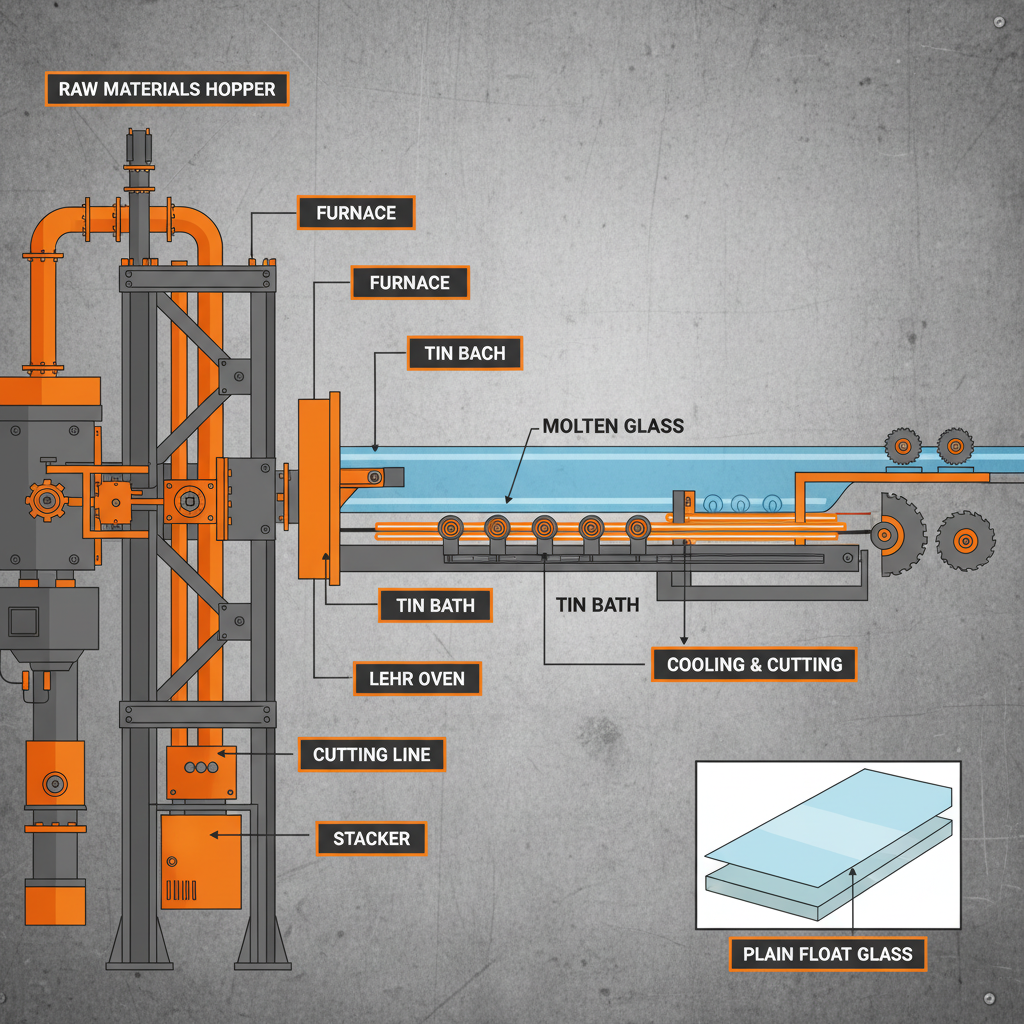
Float glass tempered is a critical material in modern construction and numerous industrial applications, prized for its enhanced strength and safety features. Its production involves a controlled thermal process that significantly increases the glass's resistance to breakage. Understanding its properties and applications is crucial for architects, engineers, and safety professionals globally. The demand for float glass tempered continues to rise with increasing safety regulations and the need for durable materials in various sectors.

Globally, the market for tempered glass is substantial and expanding, driven by growth in construction, automotive, and appliance industries. According to industry reports, the tempered glass market is projected to reach billions of dollars in the coming years, reflecting its widespread use. This growth isn’t merely economic; it addresses a real need for safer building materials, particularly in regions prone to natural disasters or with stringent building codes. This material directly contributes to public safety and structural integrity.

The increasing adoption of tempered glass underscores a shift toward prioritizing safety and durability in design and manufacturing. Its inherent resistance to shattering, reducing the risk of serious injury, makes it a preferred choice in applications ranging from vehicle windows to shower enclosures. Furthermore, advancements in tempering techniques continue to refine the material's performance and broaden its applicability.
Enhanced Safety and Durability of Float Glass Tempered in Modern Applications

Introduction: Global or Industry Context

Enhanced Safety and Durability of Float Glass Tempered in Modern Applications

The global demand for float glass tempered is deeply intertwined with the growth of infrastructure development and increasing safety standards worldwide. The UN’s Sustainable Development Goals, particularly those focusing on resilient infrastructure and safe communities, indirectly drive the need for materials like tempered glass. Statistics show a consistent rise in construction activities in emerging economies, fueling the demand for high-quality building materials.

The automotive industry is a major consumer of float glass tempered, utilizing it extensively in vehicle windows and windshields. Stringent automotive safety regulations, enacted by organizations like the National Highway Traffic Safety Administration (NHTSA), mandate the use of tempered or laminated glass to minimize injury during accidents. This has significantly increased the demand for high-performance tempered glass.

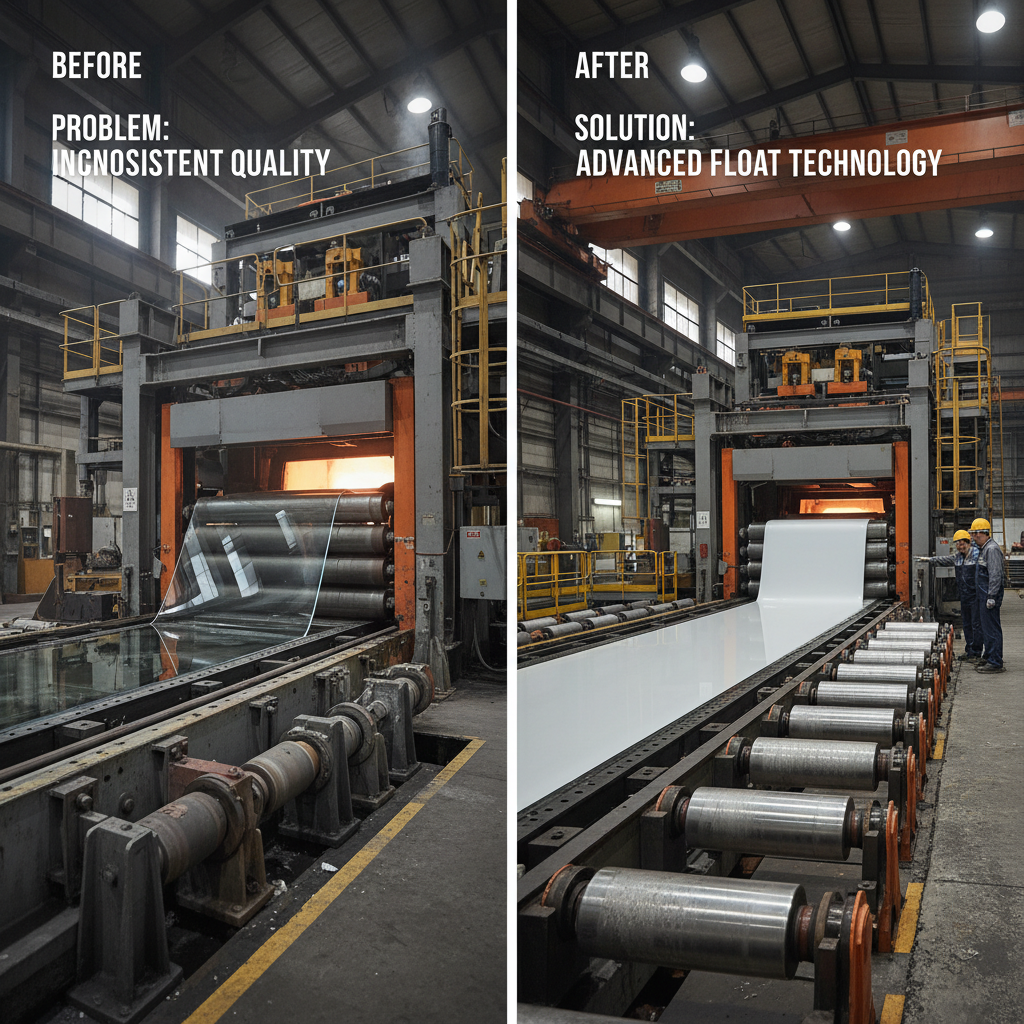
A significant challenge addressed by float glass tempered is the reduction of injuries caused by glass breakage. Conventional glass shatters into large, sharp shards when broken, posing a severe hazard. Tempered glass, however, breaks into small, relatively harmless fragments, significantly reducing the risk of serious injuries. This makes it a crucial material in public spaces, residential buildings, and industrial settings.

Definition & Meaning

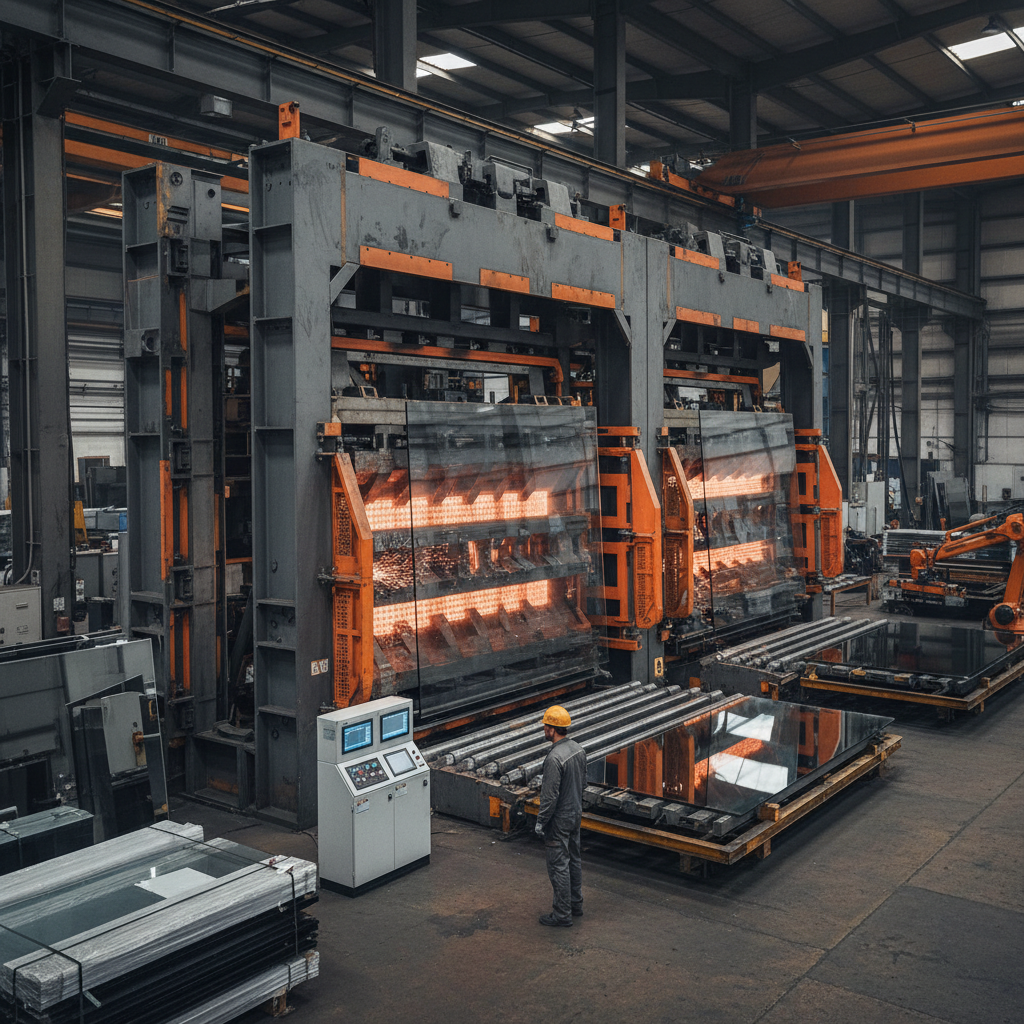
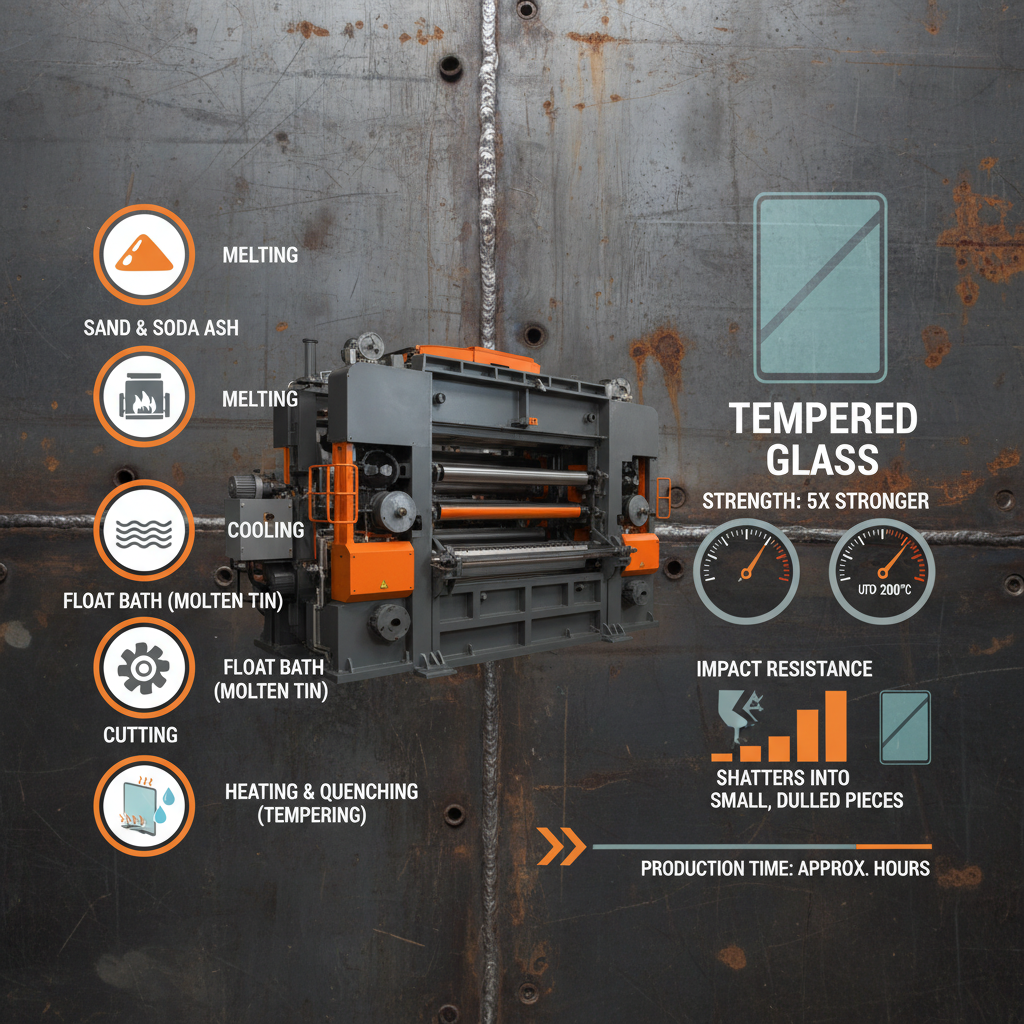
Float glass tempered is a type of safety glass that has been heat-treated to increase its strength. The process involves heating the glass to a high temperature and then rapidly cooling it. This creates a compressive stress on the surface of the glass, making it significantly more resistant to impact and thermal stress. It's different from annealed glass, which cools slowly and is more prone to breakage.

Its connection to modern industry is paramount. From skyscrapers utilizing it for curtain walls to mobile phones employing it for screens, tempered glass provides crucial safety and structural integrity. Without tempered glass, many of the design aesthetics and safety standards we rely on in contemporary construction and consumer products would be unattainable.

The humanitarian applications of tempered glass are also noteworthy. In disaster relief and emergency shelters, it provides a safer alternative to conventional glass, reducing the risk of injury in unstable environments. Its durability and resistance to breakage make it an ideal material for constructing temporary housing and field hospitals in crisis situations.

Key Factors or Core Components

Durability: The primary factor defining float glass tempered is its exceptional durability. The tempering process dramatically increases its strength, making it approximately four to five times stronger than annealed glass. This inherent strength ensures long-lasting performance and reduces the need for frequent replacements.

Safety: Tempered glass is considered a 'safety glass' due to its breakage pattern. When broken, it shatters into small, relatively harmless granular pieces instead of sharp, dangerous shards. This characteristic is crucial in applications where human safety is a paramount concern, such as doors, windows, and shower enclosures.

Thermal Resistance: Float glass tempered exhibits a higher thermal resistance compared to annealed glass. It can withstand significant temperature fluctuations without cracking or breaking, making it suitable for applications exposed to extreme weather conditions or thermal stress. This is particularly important in industrial settings and high-performance building designs.

Global Applications & Use Cases

Float glass tempered finds widespread application in the construction industry, specifically in architectural glazing for facades, curtain walls, doors, and windows. Its safety features and structural integrity make it a preferred choice for high-rise buildings and commercial complexes worldwide. Major cities like Dubai and Shanghai extensively utilize tempered glass in their iconic skyscrapers.

The automotive industry is a massive consumer of tempered glass for vehicle windows, windshields, and sunroofs. Regulations in Europe, North America, and Asia mandate the use of tempered or laminated glass in vehicle glazing to enhance passenger safety. Automotive manufacturers globally rely on consistent supplies of high-quality float glass tempered.

In post-disaster relief operations, tempered glass is utilized in the construction of temporary shelters and emergency medical facilities. Its durability and safety characteristics make it a reliable material in challenging and unstable environments. Organizations like the Red Cross and FEMA often incorporate tempered glass in their disaster response infrastructure.

Tempered Glass Quality Comparison by Method


Advantages & Long-Term Value

The cost-effectiveness of using float glass tempered is substantial. While the initial investment may be slightly higher than annealed glass, its durability reduces the need for replacements, lowering long-term maintenance costs. This is particularly important in large-scale projects with extended lifespans.

From a sustainability perspective, tempered glass contributes to resource conservation. Its increased lifespan reduces the demand for new glass production, conserving raw materials and energy. Furthermore, tempered glass is fully recyclable, minimizing its environmental impact at the end of its life cycle.

Future Trends & Innovations

Ongoing research and development focus on enhancing the tempering process to achieve even greater strength and durability. New techniques, such as chemical tempering and hybrid tempering, promise to deliver superior performance characteristics. These advancements will broaden the application of tempered glass in demanding environments.

The integration of smart glass technology with tempered glass is another exciting trend. Smart glass can dynamically adjust its transparency, offering improved energy efficiency and enhanced privacy. Combining these features with the safety benefits of tempered glass creates innovative solutions for modern buildings and vehicles.

Challenges & Solutions

One of the primary challenges associated with float glass tempered is its susceptibility to nickel sulfide inclusions. These inclusions can cause spontaneous breakage over time, particularly in large panels. Advanced detection techniques and controlled cooling processes are being implemented to mitigate this risk.

Another challenge is the relatively high energy consumption involved in the tempering process. Manufacturers are exploring alternative heating methods, such as infrared radiation and induction heating, to reduce energy usage and lower production costs. Furthermore, optimizing the tempering cycle can improve efficiency and minimize waste.

Maintaining consistent quality control throughout the tempering process is crucial. Implementing robust inspection procedures and utilizing advanced monitoring systems can help ensure that every piece of tempered glass meets stringent safety standards and performance requirements.

Summary of Challenges and Solutions for Float Glass Tempered

Challenge Severity (1-10) Potential Solution Implementation Cost (1-10)
Nickel Sulfide Inclusions 8 Advanced Detection & Controlled Cooling 6
High Energy Consumption 7 Infrared/Induction Heating & Cycle Optimization 7
Edge Strength 6 Edge Polishing & Strengthening Techniques 5
Surface Defects 5 Automated Inspection Systems & Quality Control 4
Dimensional Accuracy 4 Precision Cutting & Calibration 3
Transportation Damage 5 Improved Packaging & Handling Procedures 2

FAQS

What is the primary difference between float glass tempered and standard annealed glass?

The key difference lies in their strength and breakage patterns. Standard annealed glass breaks into large, sharp shards, posing a significant safety risk. Float glass tempered, through its heat treatment, is approximately four to five times stronger and breaks into small, relatively harmless granular pieces. This makes tempered glass the preferred choice in applications where safety is paramount, such as doors, windows, and shower enclosures.

Can float glass tempered be cut or drilled after the tempering process?

No, float glass tempered cannot be cut or drilled after the tempering process. The tempering process introduces significant internal stresses within the glass. Any attempt to cut or drill it afterward will disrupt these stresses, causing the glass to shatter. All cutting, drilling, and other modifications must be completed before the tempering process takes place.

What are the common applications of float glass tempered in the automotive industry?

In the automotive industry, float glass tempered is primarily used for side and rear windows. These windows are designed to shatter into small, blunt pieces in the event of an accident, minimizing the risk of severe injuries to passengers. Windshields, however, typically utilize laminated glass for a different set of safety characteristics – to remain intact upon impact, rather than shatter.

How does the tempering process affect the optical clarity of the glass?

The tempering process generally does not significantly affect the optical clarity of the glass. High-quality float glass tempered retains excellent transparency and light transmission. However, minor distortions can sometimes occur due to the heating and cooling process, but these are typically negligible and do not impact the overall visual performance of the glass.

What are the limitations of float glass tempered?

While exceptionally strong, float glass tempered is still susceptible to breakage from concentrated impact forces or thermal stress. It’s also vulnerable to nickel sulfide inclusions which can lead to delayed spontaneous breakage. Furthermore, it cannot be altered (cut, drilled) after the tempering process is complete, and the cost can be higher than annealed glass.

How is the quality of float glass tempered verified?

The quality of float glass tempered is verified through several rigorous testing procedures. These include measuring its strength and fracture pattern, checking for surface defects, and confirming its compliance with industry standards such as ASTM C1048. Manufacturers also employ visual inspection and automated scanning technologies to detect any flaws or inconsistencies.

Conclusion

In summary, float glass tempered stands as a crucial material in modern society, providing essential safety and durability across a diverse range of applications. From its role in construction and automotive industries to its contributions in disaster relief and everyday consumer products, its impact is undeniable. Understanding its properties, applications, and future trends is vital for professionals and consumers alike.

Looking ahead, continued innovation in tempering technologies and integration with smart glass solutions promise even greater benefits. Investing in research and development to address challenges such as nickel sulfide inclusions and energy consumption will further enhance the performance and sustainability of this essential material. For premium quality float glass tempered, visit our website: www.tptopglass.com.

William Davis

William Davis

William Davis is a seasoned Logistics Coordinator managing the export process to the United States and Europe. He's responsible for coordinating shipments, handling customs documentation, and ensuring seamless delivery of our glass products. William’s expertise lies in navigating the complexities of international trade regulations and optimizing transportation routes. He holds
Previous Exploring the Versatility and Future of Float Window Glass Technology
Next Understanding Float Glass Sheets Applications and Future Innovations