



Float glass sheets have revolutionized the construction and automotive industries, becoming an indispensable material in modern life. Their exceptional clarity, uniformity, and ability to be processed into various forms make them ideal for a vast range of applications, from towering skyscrapers to everyday windows. Understanding the intricacies of float glass sheets – their production, properties, and applications – is crucial for architects, engineers, manufacturers, and anyone involved in building and design.
Globally, the demand for float glass sheets is steadily increasing, driven by urbanization, infrastructure development, and rising living standards. According to the UN, over half the world's population now lives in urban areas, a trend projected to continue. This growth fuels a demand for both residential and commercial buildings, each requiring substantial quantities of high-quality glass. The World Bank estimates that infrastructure investment in developing countries will reach trillions of dollars in the coming decades, further bolstering the demand for materials like float glass sheets.
The core benefit of understanding float glass sheets lies in optimizing its use and innovating with its capabilities. From enhancing energy efficiency in buildings to improving safety in vehicles, and even enabling cutting-edge architectural designs, a deep understanding of this material unlocks a world of possibilities. Furthermore, it allows for informed decision-making regarding cost-effectiveness, sustainability, and overall project success.
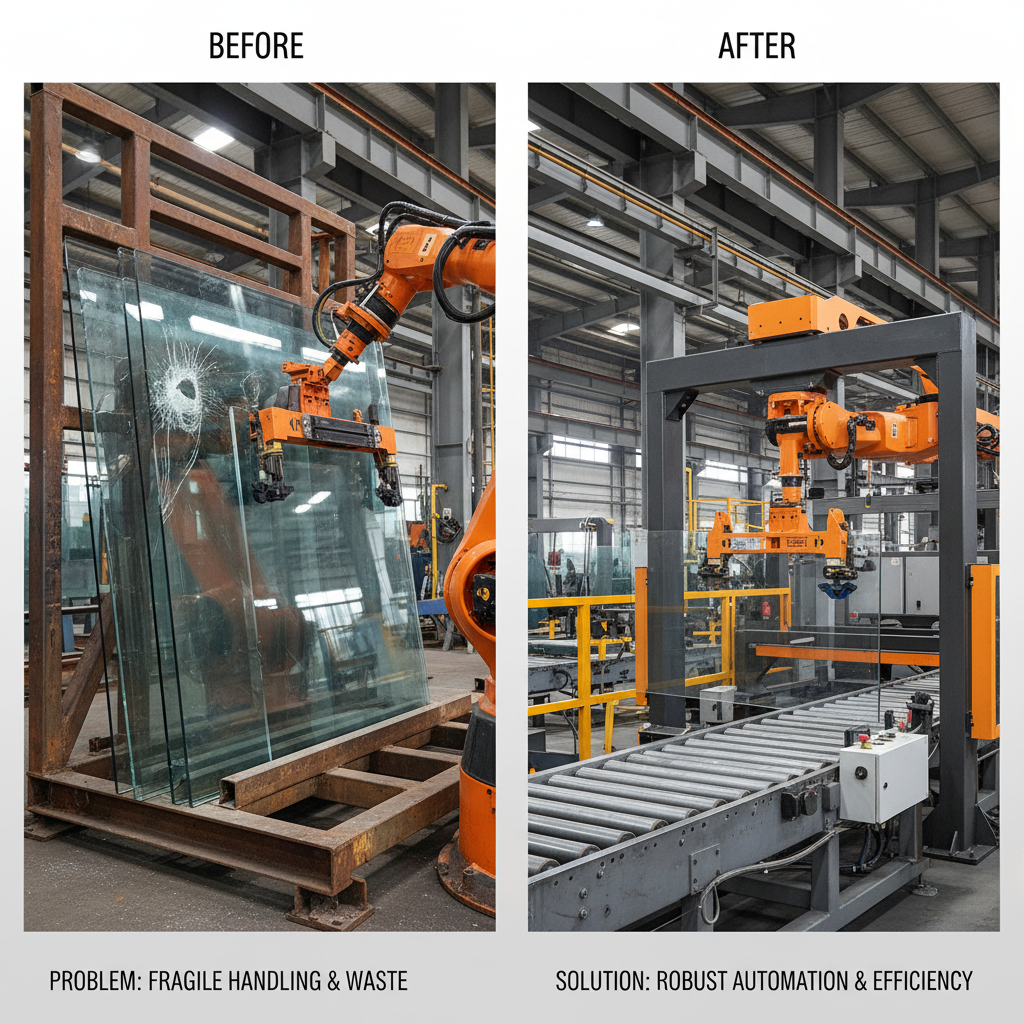
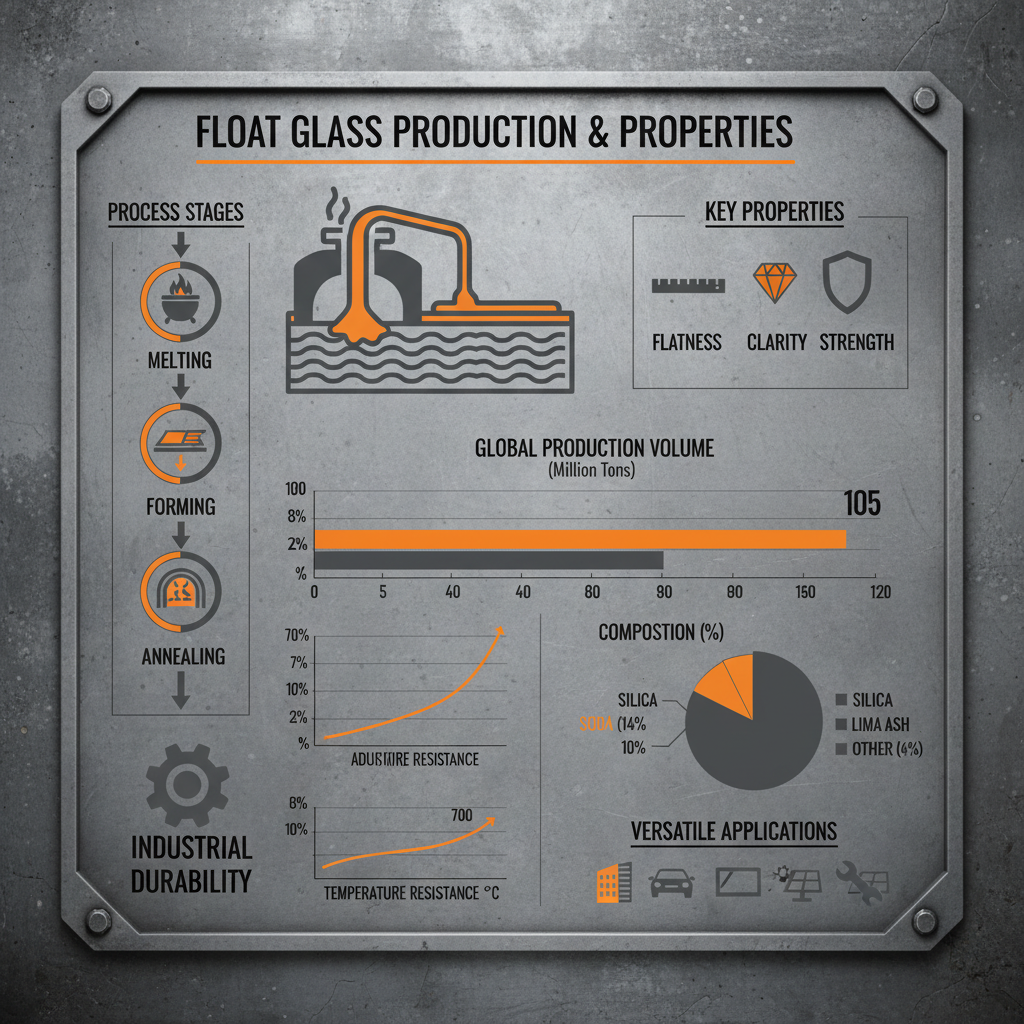
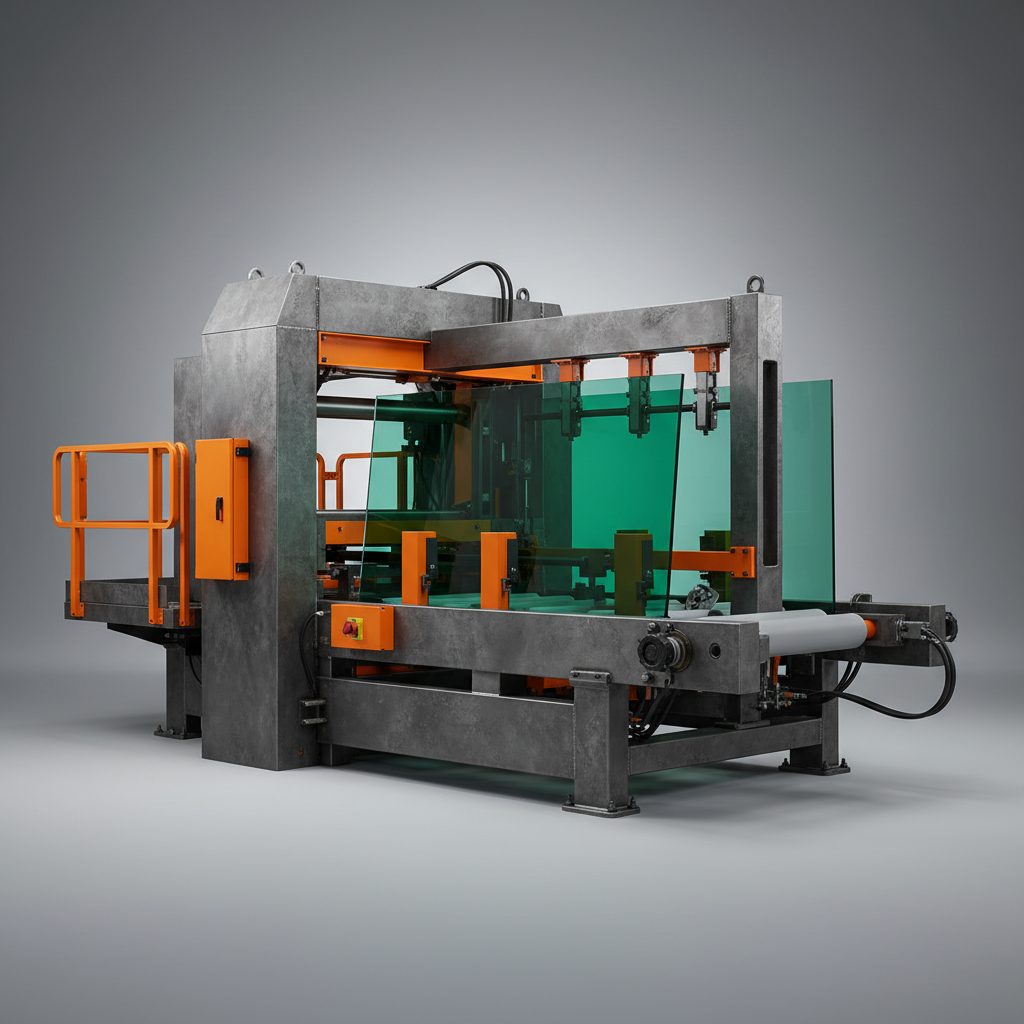
Float glass sheets are a type of glass manufactured through a process where molten glass is floated on a bed of molten tin. This method creates a glass sheet with an incredibly flat surface, eliminating the distortions commonly found in older glassmaking techniques. The result is a high-quality glass with exceptional optical clarity and uniform thickness, making it ideal for a wide array of applications.
The significance of float glass sheets extends far beyond simply providing transparent surfaces. They are a critical component in modern architectural design, contributing to energy efficiency through improved insulation and allowing for larger, more expansive windows. Moreover, float glass sheets are essential in the automotive industry, providing safety and visibility in vehicles worldwide.
The lifespan of float glass sheets in a residential window typically ranges from 20 to 30 years, provided they are properly installed and maintained. Factors like exposure to extreme weather, impact from debris, and the quality of the glass itself can affect its longevity. Regular cleaning and prompt repair of any cracks or chips can significantly extend its lifespan.
Tempered glass is significantly safer than standard float glass. While standard float glass shatters into large, sharp shards upon impact, tempered glass breaks into small, relatively harmless pieces. This is because of the heat treatment process which creates internal stresses, making it much stronger and preventing dangerous fragments. This makes tempered glass ideal for applications where safety is paramount, such as shower doors and car windows.
Low-E (Low-Emissivity) coatings are microscopically thin, transparent coatings applied to float glass sheets. They reduce heat transfer by reflecting infrared radiation, keeping buildings warmer in winter and cooler in summer. This minimizes the need for heating and cooling, leading to significant energy savings and reduced carbon emissions. Different types of Low-E coatings offer varying levels of performance for different climates.
Yes, float glass sheets are highly recyclable. The process involves collecting glass waste, removing contaminants, and crushing it into cullet. Cullet is then added to the raw materials used in the float glass manufacturing process, reducing the need for virgin materials and lowering energy consumption. Recycling glass is a sustainable practice that helps conserve natural resources and reduces landfill waste.
The cost of float glass sheets varies depending on the type and thickness. Standard float glass is the most affordable, typically ranging from $10 to $20 per square foot. Tempered glass costs around $30 to $50 per square foot due to the additional processing. Laminated glass, offering enhanced safety and security, can range from $50 to $100+ per square foot. These prices are approximate and can fluctuate based on market conditions and supplier.
The appropriate thickness of float glass depends on the application and the anticipated load or stress. For windows, 3mm to 6mm thickness is common. For larger windows or structural applications, thicker glass (8mm to 12mm or more) may be required. Factors like wind load, potential impact, and the size of the glass panel need to be considered. Consulting with a glass professional is recommended to ensure the correct thickness is selected for optimal safety and performance.
Float glass sheets have become an essential material in the modern world, shaping the built environment and enabling countless innovations. From their fundamental role in providing clear visibility and weather protection to their contributions to energy efficiency and safety, their impact is undeniable. Understanding the manufacturing process, key properties, and diverse applications of float glass sheets is crucial for professionals and informed consumers alike.
Looking ahead, continued research and development will unlock even greater potential for this versatile material. With advancements in smart glass technology, sustainable manufacturing practices, and innovative coatings, float glass sheets will play an increasingly important role in creating a more sustainable, comfortable, and visually appealing future. For high-quality float glass sheets and expert advice, visit our website: www.tptopglass.com



Shahe City economic Development Zone 32,hebei,P.R .China.

+8618686009698
+8613191439158

eoch@shtopglass.com
jason@shtopglass.com