3mm float glass is a versatile material experiencing increasing global demand due to its unique properties and wide range of applications. From architectural glazing to automotive windshields and even specialized scientific instruments, its clarity, flatness, and consistent thickness make it indispensable in numerous industries. Understanding the nuances of 3mm float glass – its manufacturing process, performance characteristics, and emerging trends – is crucial for professionals across construction, manufacturing, and research sectors, driving innovation and efficiency.
The global market for float glass, including the 3mm variant, is substantial and continues to grow, driven by urbanization, infrastructure development, and a rising demand for energy-efficient building materials. According to recent reports, the glass market is projected to reach significant values in the coming years, with Asia-Pacific representing the largest consumer base. However, challenges like raw material price volatility and environmental concerns related to the manufacturing process necessitate a focus on sustainable production methods and innovative applications for 3mm float glass.
3mm float glass is a cornerstone of modern construction and manufacturing. Its relatively low cost, combined with its excellent optical qualities and ease of processing, has cemented its position as a primary material in countless applications. This foundational role makes a comprehensive understanding of 3mm float glass essential for anyone involved in the design, production, or application of glass-based products.
Introduction to 3mm Float Glass
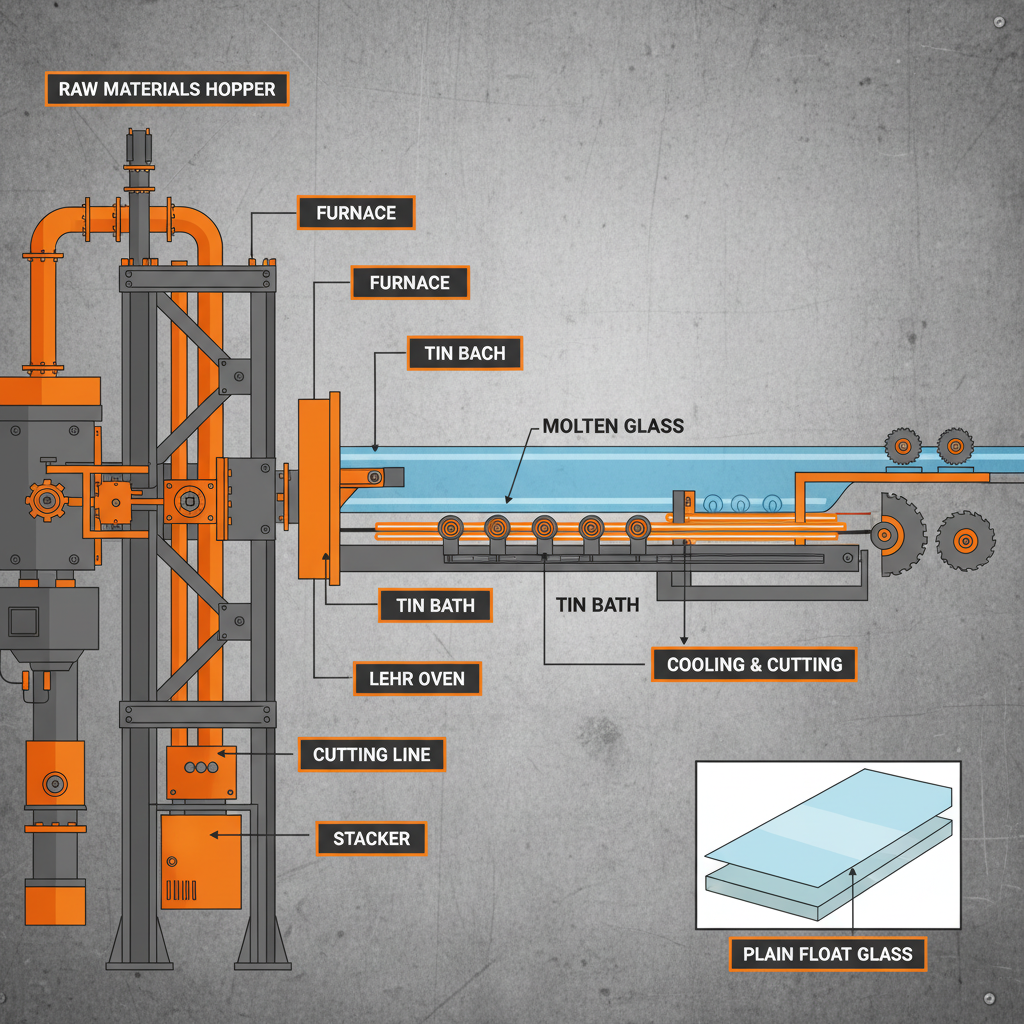
3mm float glass is a specific thickness within the broader category of float glass, known for its exceptional surface quality and dimensional accuracy. The 'float' process, developed in the 1950s, involves pouring molten glass onto a bath of molten tin, resulting in a perfectly flat and uniform sheet. The 3mm thickness strikes a balance between weight, cost, and functionality, making it a popular choice for a wide range of applications.
Its inherent strength, coupled with its ability to be further processed – cut, bent, laminated, or coated – expands its utility. This makes 3mm float glass a foundational material across various sectors, contributing to innovative designs and sustainable building practices. The consistent quality also aids in efficient manufacturing processes, reducing waste and improving overall productivity.
Global Relevance and Market Overview
The demand for 3mm float glass is inextricably linked to global economic growth, particularly in developing nations undergoing rapid urbanization. Construction activity, both residential and commercial, represents the largest single market for this material. Furthermore, the automotive industry relies heavily on 3mm float glass for windshields, side windows, and rear windows, contributing significantly to global demand. The ISO standards related to glass quality and safety further drive the need for consistently produced 3mm float glass.
However, the industry faces challenges. Rising energy costs associated with the glass manufacturing process and fluctuating raw material prices (sand, soda ash, limestone) present ongoing concerns. Moreover, increased scrutiny regarding the environmental impact of glass production – particularly carbon emissions – is prompting manufacturers to invest in more sustainable technologies and processes. The World Bank's focus on sustainable infrastructure also influences the demand for eco-friendly glass solutions.
The Asia-Pacific region dominates the global float glass market, accounting for over 60% of total production and consumption. China, in particular, is a major producer and consumer, driving innovation and setting industry trends. Europe and North America represent significant markets, but with a greater emphasis on high-performance and energy-efficient glass products. Addressing these regional nuances is crucial for manufacturers and suppliers of 3mm float glass.
Defining 3mm Float Glass
3mm float glass refers to a sheet of glass produced using the float glass process, specifically manufactured to a thickness of 3 millimeters. This precise thickness is crucial for many applications requiring specific weight-to-strength ratios and optical properties. The float process ensures a perfectly flat surface, eliminating the distortions common in older glass manufacturing techniques.
This material isn’t simply a commodity; it’s a critical component in countless products. From picture frames and small displays to automotive glazing and specialized scientific equipment, 3mm float glass delivers clarity, durability, and consistency. Its ability to be easily cut, drilled, and tempered adds to its versatility, making it a favored choice among manufacturers and designers.
The significance of 3mm float glass extends beyond its physical properties. It directly contributes to modern building design, enabling larger windows and more open spaces. In the automotive industry, it enhances safety and visibility. Essentially, it’s an often-unseen yet essential element in our daily lives, facilitating advancements in numerous fields.
Key Properties of 3mm Float Glass
One of the defining properties of 3mm float glass is its exceptional clarity. The float process eliminates the waviness and imperfections inherent in older manufacturing methods, resulting in a highly transparent material ideal for windows, displays, and optical applications. This clarity is crucial for applications where visual acuity and minimal distortion are paramount.
Furthermore, 3mm float glass boasts remarkable dimensional stability. Its consistent thickness and flat surface simplify fabrication and installation, reducing waste and ensuring precise fits. This stability is vital in applications demanding tight tolerances and structural integrity.
Performance Characteristics of 3mm Float Glass
Real-World Applications
In the construction industry, 3mm float glass is widely used for interior partitions, display cases, and decorative elements. Its clarity and ease of installation make it a preferred choice for creating visually appealing and functional spaces. The material's compatibility with various coatings and laminates allows for customized solutions tailored to specific design requirements.
The automotive sector utilizes 3mm float glass extensively in side and rear windows, prioritizing safety and visibility. Its strength and resistance to shattering contribute to passenger protection in the event of an accident. Furthermore, its optical properties ensure clear visibility for drivers, enhancing road safety.
Advantages and Long-Term Value
The cost-effectiveness of 3mm float glass is a significant advantage. Compared to other specialized glass types, it offers a competitive price point without compromising on quality. This affordability makes it accessible to a wider range of projects and applications. This also leads to sustainability because it allows for lower material cost, meaning less waste in production.
From a sustainability perspective, glass is 100% recyclable, reducing landfill waste and conserving natural resources. The long lifespan of 3mm float glass minimizes the need for frequent replacements, further contributing to its environmental benefits. Choosing 3mm float glass demonstrates a commitment to responsible material sourcing and waste reduction.
The long-term value extends beyond economic and environmental factors. The inherent safety and durability of 3mm float glass provide peace of mind for building owners and occupants. Its ability to enhance aesthetics and functionality adds lasting value to properties. These factors combine to create a material that represents a sound investment.
Future Trends and Innovations
Emerging trends in glass technology focus on enhancing energy efficiency. Low-emissivity (Low-E) coatings are increasingly applied to 3mm float glass to reduce heat transfer, lowering energy consumption and reducing carbon footprints. These coatings are becoming more sophisticated, offering even greater thermal performance.
Digital printing techniques are transforming the possibilities for glass aesthetics. Direct-to-glass printing allows for intricate designs and patterns, eliminating the need for traditional screen printing methods. This opens up new avenues for customization and architectural expression.
Furthermore, research into self-cleaning glass coatings is gaining momentum. These coatings utilize nanotechnology to create a hydrophilic surface that repels water and dirt, reducing maintenance requirements and preserving clarity. Integrating these innovations with 3mm float glass will unlock even greater potential for a sustainable future.
Factors Influencing the Future of 3mm Float Glass Production
| Manufacturing Process |
Sustainability Metrics |
Technological Advancements |
Market Demand Forecast |
| Float process optimization |
Reduction of CO2 emissions |
Integration of smart coatings |
Steady growth in construction |
| Automated quality control |
Increased use of recycled glass |
Development of self-cleaning glass |
Rising demand in automotive sector |
| Continuous melting furnace technology |
Waste heat recovery systems |
Advanced glass tempering techniques |
Growing interest in energy-efficient building materials |
| Precision cutting and shaping |
Closed-loop water recycling |
Implementation of IoT sensors |
Increased use in solar panel manufacturing |
| Improved glass strength via chemical treatment |
Sustainable sourcing of raw materials |
Development of augmented reality glass applications |
Expansion of architectural glass market |
| Enhanced surface coating application |
Carbon capture and storage technologies |
Integration with building management systems |
Demand for specialized glass solutions |
FAQS
3mm float glass finds numerous applications in homes, including interior partitions, shower doors, cabinet glass, and decorative elements. Its clarity and ease of cutting make it ideal for customizing spaces. Its affordability makes it a popular choice for homeowners and builders alike. Furthermore, it can be tempered for enhanced safety in high-traffic areas or potentially hazardous zones like shower enclosures, providing added peace of mind.
The float glass process is energy-intensive, requiring high temperatures to melt the raw materials. However, manufacturers are increasingly adopting sustainable practices, such as using recycled glass cullet, optimizing furnace efficiency, and implementing carbon capture technologies. The increasing use of low-E coatings also reduces energy consumption in buildings, offsetting some of the environmental impact of production. Proper waste management and water recycling are also crucial considerations.
While both are derived from the float glass process, tempered glass undergoes additional heat treatment to increase its strength and resistance to breakage. When tempered glass breaks, it shatters into small, relatively harmless pieces, making it safer for applications where impact is a concern. 3mm float glass, in its standard form, is more prone to shattering into larger, sharp shards. Tempered glass is frequently used in doors, windows, and safety glazing applications.
Yes, 3mm float glass is 100% recyclable. Recycling glass reduces the need to extract virgin raw materials, conserving natural resources and lowering energy consumption. Recycled glass (cullet) can be used in the production of new glass products, reducing landfill waste and minimizing environmental impact. It also reduces pollution and lowers manufacturing costs, creating a circular economy model.
The quality of 3mm float glass, encompassing factors like clarity, flatness, and absence of defects, directly influences its price. Higher-grade glass with stricter quality control standards typically commands a premium. Factors such as the manufacturer's reputation, the consistency of production, and adherence to industry standards (like ISO) all contribute to the final cost. Specialized coatings or treatments will also increase the price.
While 3mm float glass is relatively easy to work with, it is important to handle it with care. Wear appropriate personal protective equipment (PPE), including gloves and safety glasses, to prevent cuts from sharp edges. When cutting or breaking glass, use the proper tools and techniques to minimize the risk of shattering. Dispose of broken glass safely and responsibly. Consider using tempered glass for applications where safety is a primary concern.
Conclusion
3mm float glass remains a cornerstone material in countless industries, owing to its versatility, affordability, and inherent qualities. From its role in enhancing architectural design and improving automotive safety to its contribution to sustainable building practices, its impact is far-reaching. Understanding its properties, applications, and emerging trends is crucial for professionals seeking innovative and efficient solutions.
Looking ahead, the future of 3mm float glass will be shaped by advancements in manufacturing technology, a growing emphasis on sustainability, and the demand for high-performance materials. Continued investment in research and development will unlock new possibilities, driving further innovation and solidifying its position as an essential component in our modern world. For all your 3mm float glass needs, visit our website: www.tptopglass.com