


2mm float glass represents a significant advancement in glass manufacturing, offering a unique balance of clarity, strength, and affordability. Its widespread availability has revolutionized numerous industries, from construction and automotive to specialized applications like solar panel production and high-end furniture. Understanding the properties and applications of 2mm float glass is crucial for architects, engineers, designers, and manufacturers seeking lightweight yet durable materials.
Globally, the demand for 2mm float glass continues to rise, driven by increasing urbanization, infrastructure development, and a growing emphasis on energy efficiency. Regions experiencing rapid economic growth, such as Asia-Pacific and parts of Africa, are witnessing particularly strong demand. This demand presents both opportunities and challenges, requiring sustainable production practices and efficient supply chains to meet evolving needs.
The inherent characteristics of this material make it ideally suited for various applications where weight reduction and optical clarity are paramount. The production processes have been refined over decades, resulting in consistently high-quality 2mm float glass that meets stringent industry standards. Its versatility is a key factor in its continued success.

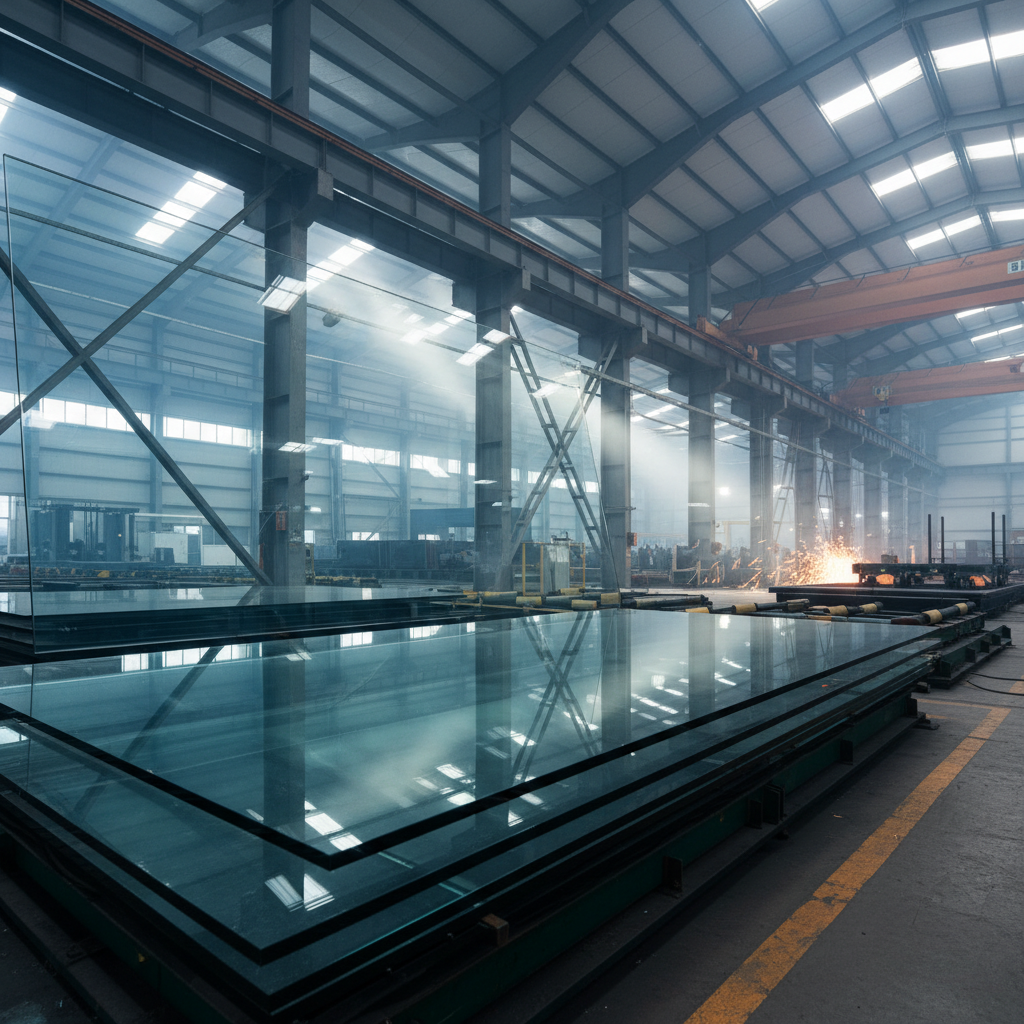
2mm float glass stands out due to its precise thickness, which balances fragility and usability for specific purposes. Unlike thicker glass panes, it offers reduced weight while still providing transparency and a degree of structural integrity. This makes it a popular choice for projects where minimizing weight is critical, such as certain display cases or specialized glazing applications.
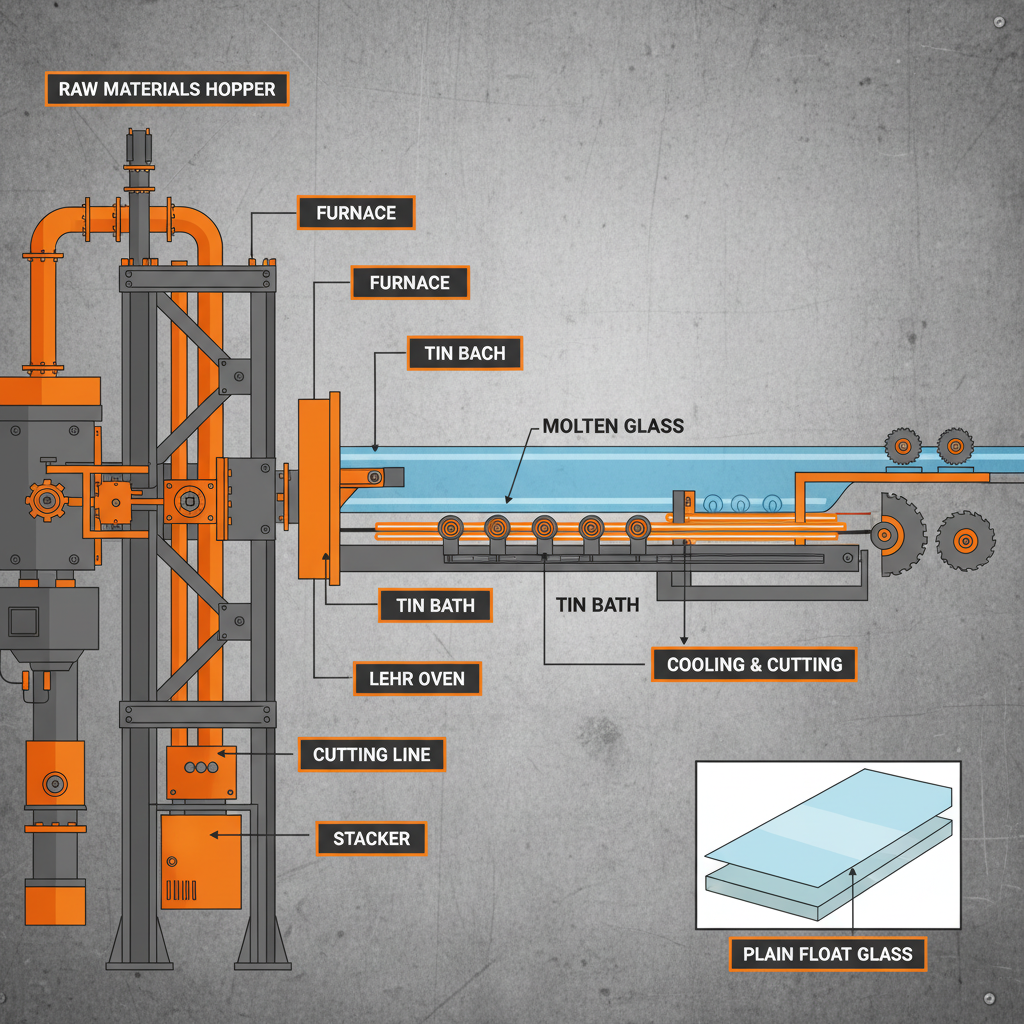
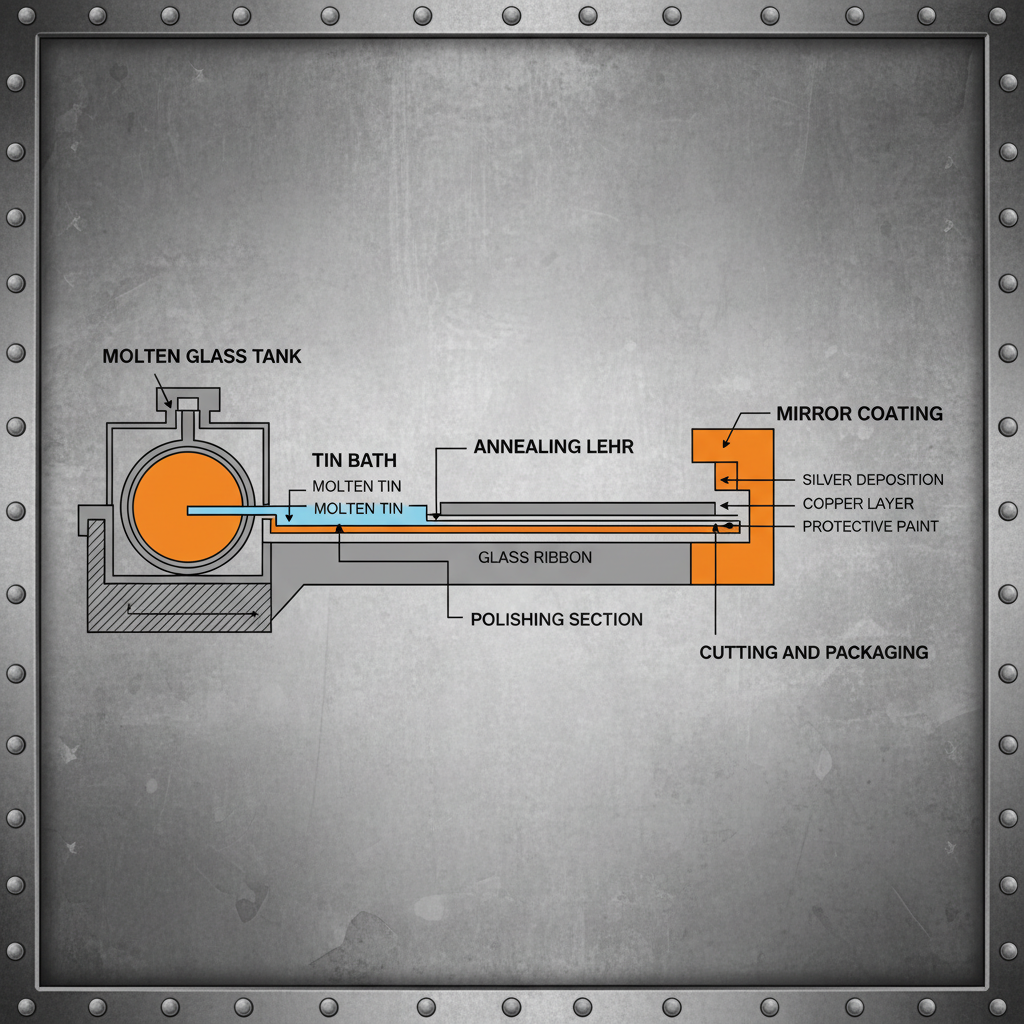
The unique manufacturing process, involving the floating of molten glass on a bed of molten tin, is crucial to achieving its exceptional flatness and clarity. This process eliminates the waviness found in older glassmaking techniques, resulting in a superior optical quality. The resulting 2mm float glass often forms the base material for further processing, like tempering or laminating, expanding its potential uses.
2mm float glass is widely used in furniture for tabletops, shelving, and display cases. Its lightweight and transparent nature enhances the aesthetic appeal while providing a durable and easy-to-clean surface. It’s particularly favored in modern furniture designs where a sleek, minimalist look is desired. The reduced weight also simplifies furniture construction and transportation.
Generally, 2mm float glass is more cost-effective than thicker glass variants due to the lower material requirements and reduced energy consumption during production. However, it’s essential to consider the application. For applications requiring high structural strength, thicker glass might be necessary, offsetting the initial cost difference with increased durability and safety. A careful assessment of project needs is crucial for a cost-benefit analysis.
Yes, 2mm float glass can be tempered, significantly increasing its strength and resistance to breakage. Tempering involves heating the glass to a high temperature and then rapidly cooling it, creating compressive stresses on the surface. While tempered 2mm glass is stronger than its untreated counterpart, it's still less robust than thicker tempered glass, and its application must consider this limitation.
2mm float glass is relatively susceptible to breakage from impact and bending stress. In outdoor applications, exposure to wind, hail, and temperature fluctuations can exacerbate these risks. It's generally not recommended for large-scale exterior glazing without additional support or protective measures like lamination. Consider using laminated 2mm glass or thicker glass for better durability in outdoor settings.
Yes, 2mm float glass is frequently used as the top layer in solar panels due to its high transparency and ability to protect the photovoltaic cells underneath. Its lightweight nature minimizes the overall weight of the panel, while its flatness ensures efficient light transmission. Specialized coatings can further enhance its performance in solar energy applications.
Lead times for custom-cut 2mm float glass orders can vary depending on the quantity, complexity of the cuts, and the supplier's current workload. Generally, standard cuts can be fulfilled within 3-5 business days, while more intricate shapes or large orders may take 7-10 business days or longer. It’s always best to inquire with your supplier for a precise estimate.
In conclusion, 2mm float glass represents a unique and versatile material with a growing range of applications. Its combination of lightweight properties, high clarity, and cost-effectiveness makes it an attractive option for industries ranging from furniture and automotive to solar energy and art conservation. Continued innovation in production techniques and surface coatings will further expand its potential.
Looking ahead, the focus on sustainability and energy efficiency will drive demand for environmentally responsible glass manufacturing processes. Investing in research and development to improve the durability and performance of 2mm float glass will be critical to unlocking its full potential. For more information on 2mm float glass and our range of products, please visit our website: www.tptopglass.com


Shahe City economic Development Zone 32,hebei,P.R .China.

+8618686009698
+8613191439158

eoch@shtopglass.com
jason@shtopglass.com