
logo
0%

Table of Contents

To be honest, these days everyone's talking about energy efficiency, right? Especially with glass. Folks want thinner, lighter, more insulation… It's a constant push. But you spend enough time on site, and you realize a lot of these fancy specs don’t mean squat if the stuff can’t handle a job site. I've seen too many beautiful sheets get scratched just unloading them. It's a real headache. And that’s where coated float glass comes in. It's not a miracle worker, mind you, but it's a solid step forward.

Have you noticed how much more complex glass is getting? It’s not just clear sheets anymore. Low-E coatings, solar control, self-cleaning… it's a whole world. It's great for the building owners, sure, lower energy bills and all that, but it adds a lot to the installation process. And believe me, installation is where things get real.

It's funny. Everyone focuses on the technology, the coatings themselves, but nobody really talks about the float glass underneath. That's the foundation. If the float glass isn’t right, the coating doesn’t matter. You’ll get distortions, stress cracks… a nightmare.
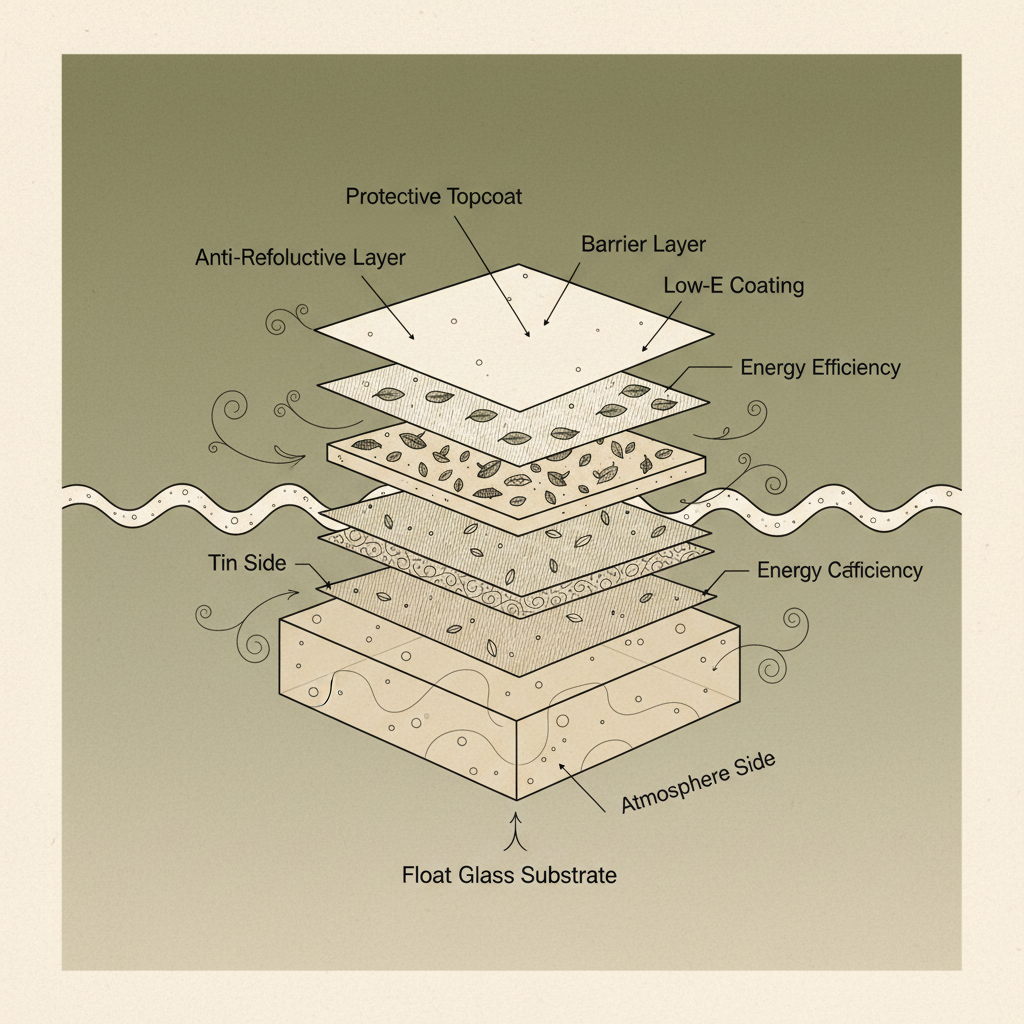
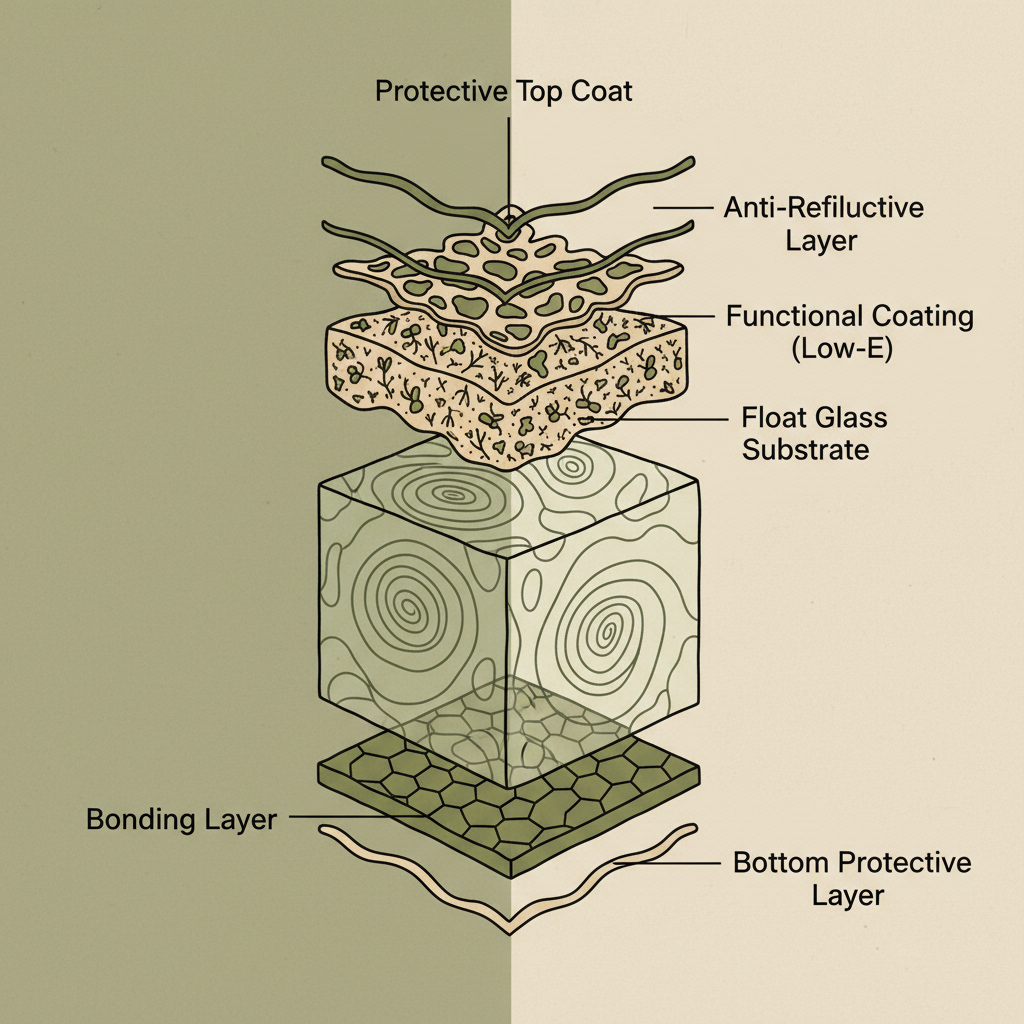
Understanding the Importance of Coated Float Glass for Modern Construction

The Current Landscape of Coated Float Glass

Understanding the Importance of Coated Float Glass for Modern Construction

Strangely, everyone’s chasing these super high-performance coatings, but the actual demand for standard coated float glass hasn’t slowed down. It’s still the workhorse for most commercial buildings and residential windows. It's reliable, relatively affordable, and the guys installing it know what they're doing. Plus, the manufacturers are getting better at consistently delivering quality.

It’s not all sunshine and roses, though. Supply chain issues have been a real pain. Getting consistent thicknesses and coating quality has been a battle. It affects everything, delays projects, drives up costs… It's a constant juggling act.

Common Design Pitfalls with Coated Float Glass

I encountered this at a factory in Nanjing last time… They were trying to use a super thin coated glass for a curtain wall, thinking they could save money on weight. Bad idea. The glass bowed under its own weight, and the coating started to crack. You’ve got to consider the structural implications of these materials. It’s not just about the glass itself; it's about how it interacts with the frame, the sealant, everything.

Another big one is improper edge protection. Those coatings are delicate, especially at the edges. If you don’t protect them during transport and installation, you're going to end up with defects. And those defects can lead to premature failure. It’s a cost-cutting exercise that always comes back to bite you.

People also underestimate the importance of proper cleaning. Some coatings are sensitive to certain cleaning agents. You need to educate the building owners and maintenance staff about the correct procedures. Otherwise, you'll see streaking, hazing, and a general decline in performance.

Material Properties and On-Site Handling

Now, the glass itself...you can tell a good sheet just by looking at it. It's gotta be clear, free of bubbles or distortions. And it should feel solid, substantial. Cheap glass feels… well, cheap. It's thinner, lighter, and just doesn't have the same quality. You can even smell the difference sometimes. Good glass, especially low-iron, has a very clean smell.

The coatings themselves? It's hard to tell without specialized equipment. They can look similar to the naked eye, but the performance varies wildly. You really rely on the manufacturer's testing data and certifications. And even then, you have to be skeptical. I always ask for independent lab reports.

Handling… that's critical. Coated glass requires more care than standard float glass. It’s more susceptible to scratches and damage. You need to use padded lifting devices, protect the edges, and avoid dragging it across rough surfaces. Proper storage is also important. Keep it dry and out of direct sunlight.

Real-World Testing & Performance

Forget the lab tests, okay? They’re useful for initial screening, but they don’t tell the whole story. What I care about is how the glass performs in real conditions. We do accelerated weathering tests, expose it to extreme temperatures, simulate hail impact… but honestly, nothing beats seeing how it holds up on a building site.

We mock up sections of the façade and subject them to wind loads, water penetration tests, and thermal cycling. We also look for signs of coating degradation, delamination, and corrosion. And we get the installers involved in the testing process. They're the ones who are going to be working with the material day in and day out, so their feedback is invaluable.

Coated Float Glass Performance Metrics


How Coated Float Glass is Actually Used

It's not always what you think. Architects spec it for energy efficiency, but a lot of times, it ends up being used for aesthetic reasons. Tinted glass, reflective coatings… it's all about the look. And honestly, that’s fine. As long as it meets the performance requirements, the appearance is important too.

You see a lot of it in high-rise buildings, of course, but also in schools, hospitals, and retail spaces. Anywhere where you want to control glare, reduce heat gain, or improve privacy. And lately, there's been a surge in demand for coated float glass in residential windows. People are becoming more aware of energy costs and the benefits of better insulation.

Advantages, Disadvantages, and Customization

The big advantage is, obviously, energy efficiency. Lower heating and cooling costs, reduced carbon footprint… it’s a win-win. It also improves occupant comfort by reducing glare and blocking harmful UV rays. But it’s not perfect. It can be more expensive than standard float glass, and it requires specialized installation techniques.

Customization? Absolutely. You can get it in a wide range of thicknesses, sizes, and coatings. Last month, that small boss in Shenzhen who makes smart home devices insisted on changing the interface to , and the result was… well, let’s just say it created a whole new set of problems for the installers. They had to redesign the entire mounting system. It’s always something. Anyway, I think the ability to tailor the glass to specific project needs is a huge plus. You can optimize performance for different climates and applications.

Material Performance Comparison

Ultimately, whether this thing works or not, the worker will know the moment he tightens the screw. We can talk specs all day, but the real test is how it performs in the field.

I've seen some of the fancy self-cleaning coatings fail spectacularly in harsh environments. Bird droppings, acid rain, pollution… they can all wreak havoc. And then you're left with a costly repair and a very unhappy client.

But coated float glass, when sourced from a reputable manufacturer and installed correctly, is a pretty reliable material. It’s not going to solve all your problems, but it’s a solid foundation for a high-performing building.

Comparison of Coated Float Glass Materials

Coating Type Durability (1-10) Cost (1-10) Solar Heat Gain Coefficient
Low-E Coating 8 6 0.3
Solar Control Coating 7 7 0.2
Reflective Coating 6 5 0.1
Self-Cleaning Coating 5 9 0.4
Anti-Reflective Coating 9 8 0.7
Neutral Coating 7 6 0.5

FAQS

What is the typical lifespan of coated float glass in a standard residential window?

Typically, a well-installed and maintained coated float glass window should last between 20 to 30 years. However, this can vary significantly based on factors like climate, exposure to pollutants, quality of installation, and the specific type of coating used. Higher-quality coatings generally have a longer lifespan. Regular cleaning with appropriate cleaning agents is also crucial to prevent premature degradation of the coating.

Is coated float glass significantly more difficult to cut and install than standard float glass?

Yes, it is. The coating itself is delicate and can be scratched or damaged easily during cutting and handling. Specialized tools and techniques are required, including the use of diamond-coated cutting wheels and careful edge protection. Installers need to be trained on proper handling procedures to avoid damaging the coating, and it’s often recommended to have the glass cut to size by the manufacturer whenever possible.

What impact does the coating have on the glass's structural integrity?

While coatings themselves don’t significantly reduce the glass’s inherent strength, improper application or damage to the coating can create stress points that can lead to cracking. The coating adds a thin layer of material, which introduces a slight difference in thermal expansion and contraction rates. This difference needs to be accounted for during installation to prevent stress build-up. It's crucial to use compatible sealants and framing materials.

Can coated float glass be recycled, and what are the environmental considerations?

Yes, coated float glass can be recycled, but it's more complex than recycling standard float glass. The coating needs to be removed during the recycling process, which requires specialized facilities. The environmental impact depends on the type of coating used and the recycling methods employed. While recycling reduces landfill waste, the energy consumption involved in removing the coating needs to be considered.

What are the typical cleaning requirements for coated float glass?

Coated float glass requires gentle cleaning with mild detergents and non-abrasive cloths or sponges. Avoid harsh chemicals, abrasive cleaners, and metal scrapers, as these can damage the coating. Distilled water is often recommended to prevent mineral deposits. Regular cleaning (every 3-6 months) will help maintain the coating’s performance and appearance. Avoid cleaning in direct sunlight, as this can cause the cleaning solution to dry too quickly.

Are there different coating types available for specific climate conditions?

Absolutely. Different coatings are designed to address specific climate challenges. For example, low-E coatings are excellent for colder climates, reducing heat loss. Solar control coatings are ideal for hot climates, minimizing solar heat gain. Some coatings offer both low-E and solar control properties, providing a balanced solution. Choosing the right coating depends on the specific climatic conditions and the building's energy efficiency goals.

Conclusion

So, what does it all boil down to? Coated float glass is a versatile and valuable material, offering significant benefits in terms of energy efficiency, comfort, and aesthetics. It’s not a magic bullet, and it requires careful consideration of design, installation, and maintenance. But when done right, it's a solid investment that can pay dividends for years to come.

Looking ahead, I think we’ll see even more innovation in coating technology, with materials that are more durable, more efficient, and more sustainable. And honestly, I hope the manufacturers will finally start listening to the guys on the job site. We’re the ones who know what works and what doesn’t. Ultimately, whether this thing works or not, the worker will know the moment he tightens the screw.

Robert Johnson

Robert Johnson

Robert Johnson is our dedicated Sales Director for the North American market. He brings a wealth of experience in international trade, particularly within the building materials sector. Robert focuses on expanding our reach within the US, connecting clients with our diverse range of glass products suitable for home decoration and
Previous Understanding Horticultural Float Glass for Modern Construction and Growing Applications
Next Exploring the Benefits and Practicalities of Borosilicate Float Glass Applications