


To be honest, things have been hectic lately. Everyone’s talking about lightweighting, right? Not just in automotive, but even in construction now. Folks want stuff that’s strong but doesn’t weigh a ton, because hauling things around is… well, a pain. And it’s not just weight, it’s the whole lifecycle cost. Everyone’s looking at that. We’re seeing more demand for materials that last, that don't need replacing every few years. You wouldn't believe the amount of waste I’ve seen.
Have you noticed how everyone jumps on the ‘high-tech’ bandwagon without thinking things through? I encountered this at a factory in Jiangsu province last time; they were pushing a new polymer composite for window frames, bragging about its strength-to-weight ratio. Sounded great on paper, until you realized it warped in direct sunlight. Simple stuff, you’d think. It’s always the details.
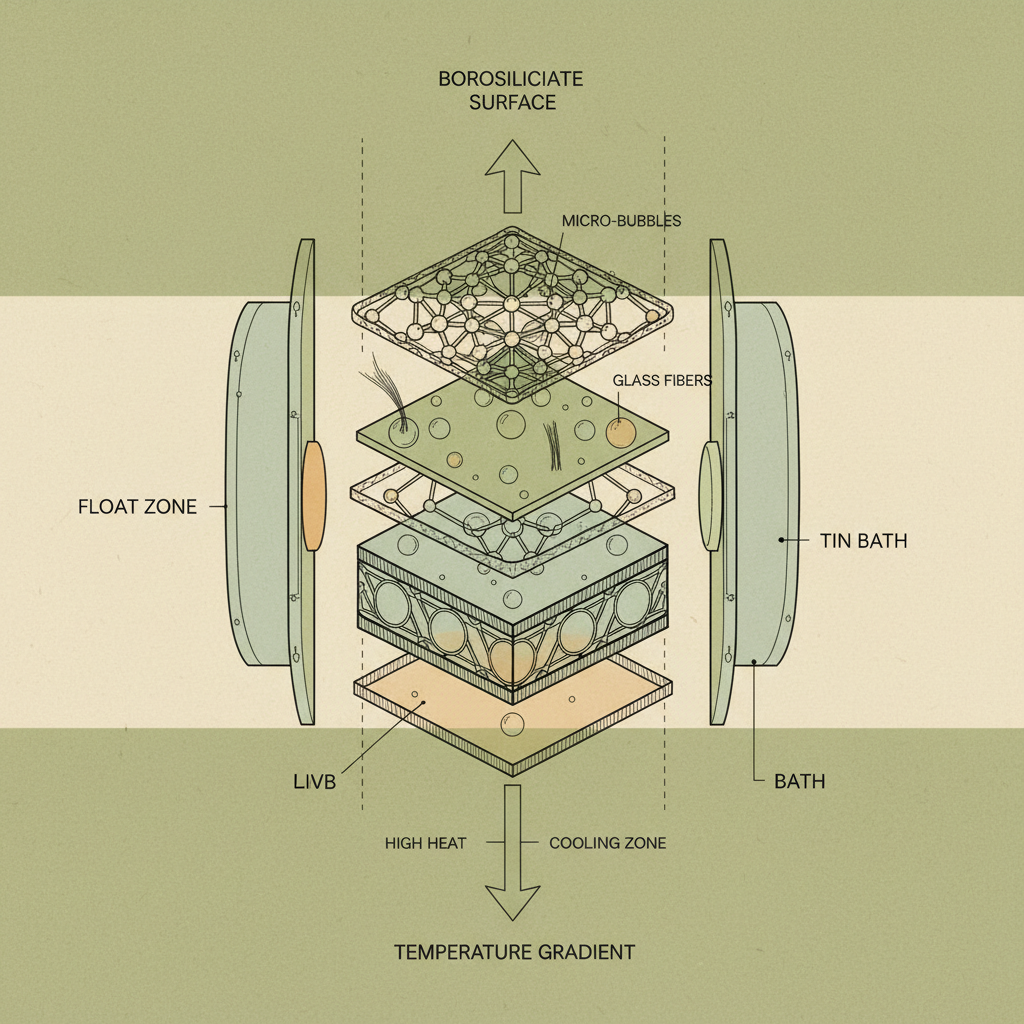
We’re mainly working with borosilicate float glass these days. It's a solid choice. Feels…clean, you know? Not like some of those cheaper glasses that have a greasy residue even when they're brand new. Smells neutral too, which is important when you're breathing it in all day cutting and shaping it. It's surprisingly forgiving too, doesn't shatter into a million pieces like regular glass if you accidentally nick it. The texture, though... slightly cooler than standard glass. Anyway, I think it’s a good balance of performance and practicality.

Strangely, everyone is obsessed with ‘smart’ materials now. Self-healing concrete, glass that changes color with the temperature… sounds good in a presentation, but the cost is astronomical, and the reliability? Forget about it. I’ve seen more headaches from those things than actual solutions. The real trend, I think, is just getting back to basics and making things that work and are affordable.
A common trap I see is over-engineering. Designers get so caught up in pushing the limits that they forget about manufacturability. You end up with something that looks fantastic on a CAD model but is a nightmare to produce. And, of course, the customer ends up paying for it.
Lead times vary depending on the complexity of the order and our current workload, but generally, you can expect around 4-6 weeks for custom cuts and treatments. Larger orders or those requiring specialized coatings might take longer. We always try to be upfront about timelines and provide regular updates throughout the process. It’s best to discuss your project specifics with our sales team for a more accurate estimate. Delays often arise from confirming exact specifications, so the clearer the initial request, the smoother the process.
Safety is paramount. Always wear safety glasses, gloves, and appropriate clothing when handling borosilicate glass. Use diamond-tipped blades for cutting, and ensure the glass is properly supported to prevent cracking. Avoid sudden temperature changes during cutting and installation. If you need to drill, use specialized glass drill bits and keep the glass cool with water. And for goodness sake, don't try to force anything! It'll just shatter. Proper training for your crew is essential.
Yes, it is. Borosilicate glass typically costs 50-100% more than standard float glass due to the more complex manufacturing process and the addition of boron trioxide. However, the added cost is often justified by its superior thermal shock resistance, chemical durability, and overall longevity. It's an investment, really. Think about the long-term cost savings from reduced replacement and maintenance.
Absolutely. Tempering borosilicate glass significantly increases its strength and makes it much more resistant to breakage. It’s a common practice, especially for applications like railings and balustrades where safety is critical. However, tempering also makes the glass more susceptible to shattering into small pieces if it does break, which is actually a safety feature. It's less dangerous than large, sharp shards.
While borosilicate glass offers excellent performance, there are some limitations. It’s more brittle than some other glazing materials, so it’s more susceptible to cracking under extreme stress. Also, while it’s chemically resistant, prolonged exposure to certain harsh chemicals can cause etching. And, as mentioned before, it’s more expensive. You need to weigh the benefits against the costs and ensure it’s the right material for the specific application.
You can apply a variety of coatings to borosilicate glass. Low-E coatings reduce heat transfer, improving energy efficiency. Anti-reflective coatings enhance clarity. Self-cleaning coatings reduce maintenance. And hydrophobic coatings repel water and dirt. The choice of coating depends on the specific requirements of the project. It's important to choose coatings that are compatible with borosilicate glass and won't compromise its properties.
So, there you have it. Borosilicate float glass isn’t a miracle material, but it’s a damn good one. It offers a unique combination of strength, durability, and thermal shock resistance that makes it ideal for a wide range of applications. It's not always the cheapest option, but it's often the smartest in the long run.
The industry is constantly evolving, and new materials are always coming out, but I think borosilicate glass will remain a staple for years to come. Don't get caught up in the hype. Focus on quality, reliability, and practicality. And remember, the best material in the world is useless if it’s not installed correctly. To visit our website, with more in-depth material information: borosilicate float glass.


Shahe City economic Development Zone 32,hebei,P.R .China.

+8618686009698
+8613191439158

eoch@shtopglass.com
jason@shtopglass.com