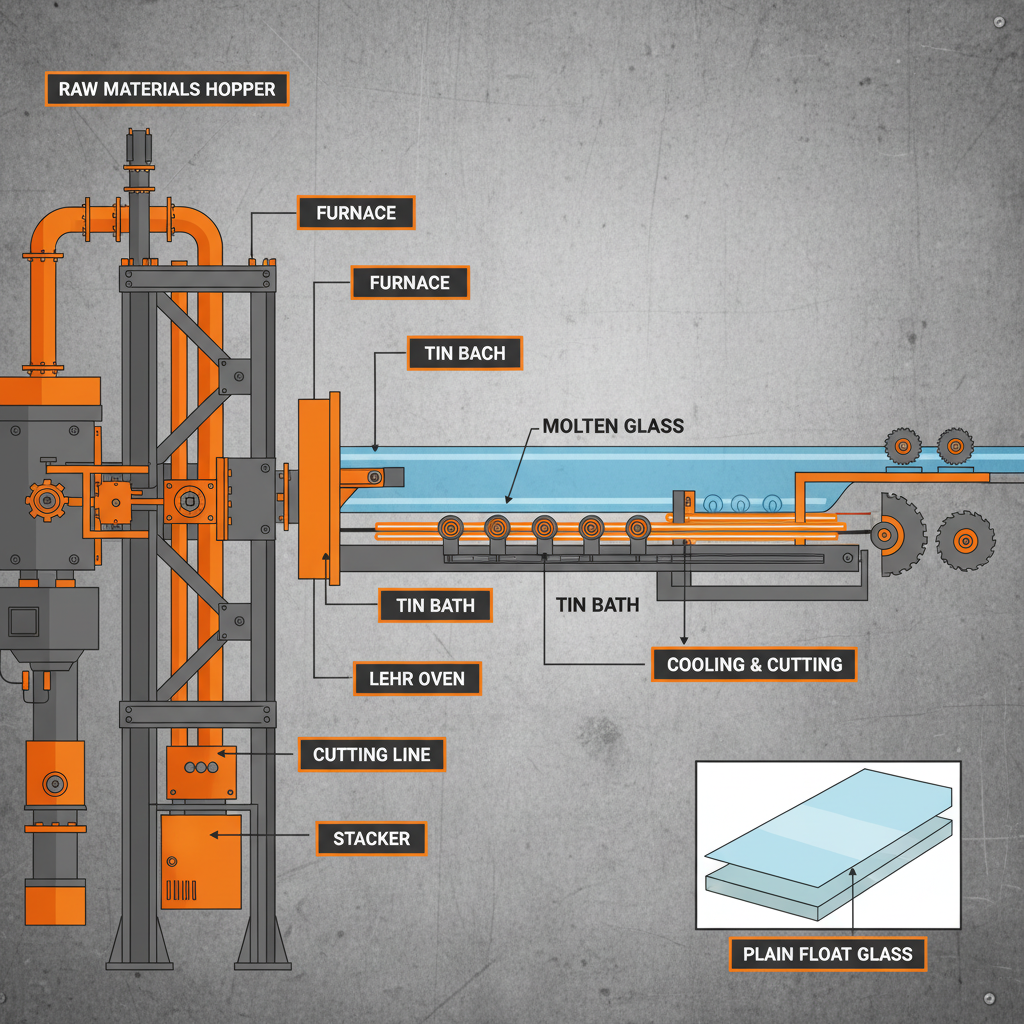
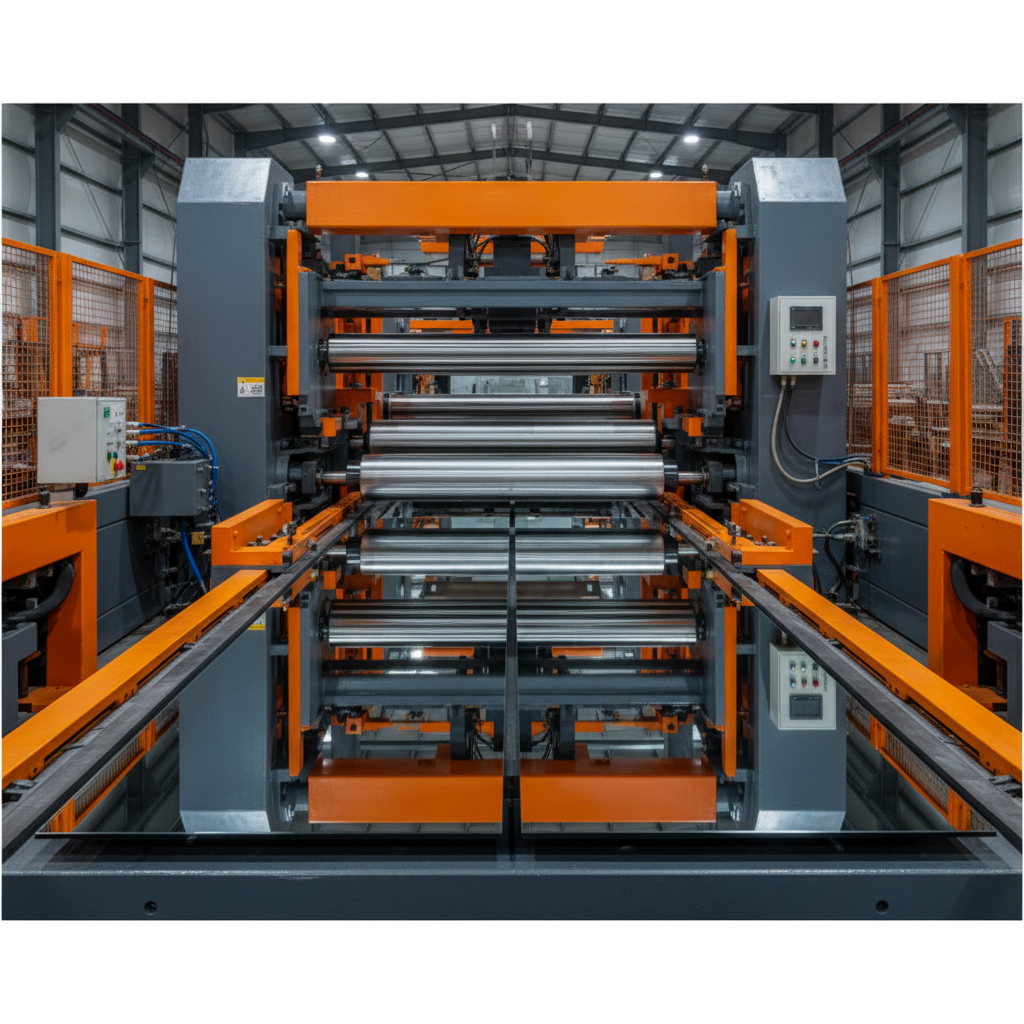
Look, I’ve been running around construction sites for fifteen years now. Fifteen years! You start to see patterns. Right now, everyone’s talking about lightweight, high-strength materials. It’s not just hype, you know? Projects are getting bigger, faster, and everyone’s squeezing budgets. They need stuff that’s easy to handle, doesn’t weigh a ton, and won't crack after six months.
But, and this is a big but, people get caught up in specs. They chase numbers on a datasheet and forget what it actually feels like in your hands. Like, a material might have a fantastic tensile strength, but if it splinters when you cut it… forget it. Been there, done that.
The Current Landscape of horticultural float glass
To be honest, horticultural float glass isn’t new. We’ve been using it in greenhouses for ages, obviously. But what’s changed is the demand. Vertical farms, indoor growing operations, even just people wanting really fancy sunrooms… it's all going up. And with that, the quality expectations have skyrocketed. It's not enough for it to just be… glass anymore. You need specific light transmission rates, UV filtering, thermal insulation, the whole nine yards. I was at a supplier in Shanghai last month, and they were showing off this new low-iron version. Amazing clarity, but it’s expensive. Seriously expensive.
I’ve seen a huge push for more sustainable options too. People are starting to ask about the manufacturing process, the sourcing of the raw materials. It’s good to see, but it adds another layer of complexity, you know?
Common Pitfalls in Design
Have you noticed how many architects design something beautiful on paper, then completely forget about how it's actually going to be installed? It’s infuriating. Horticultural float glass, especially larger panels, needs to be handled with care. You can’t just toss it around. And the framing – that’s critical. If the framing isn’t perfectly aligned, you're going to have stress points, and that glass will break. I encountered this at a project in Dubai last time. Gorgeous design, right? But they used a frame that wasn’t rated for the weight and the expansion/contraction of the glass in that climate. Disaster. Cracks everywhere.
Another thing: edge protection. Seems obvious, right? But it gets overlooked constantly. Those edges are the most vulnerable point. A tiny chip can turn into a spiderweb fracture.
And strangely, people underestimate the importance of proper cleaning. You can’t just use any old window cleaner. Certain chemicals can etch the surface, reducing its clarity and weakening it over time.
Material Deep Dive
Okay, let’s talk materials. Most horticultural float glass is silica-based, obviously. But the quality of the silica matters. You want a consistent, pure source. And then there’s the tempering process. That's where things get interesting. The way it's heated and cooled determines its strength and how it breaks – whether it shatters into tiny, relatively harmless pieces or large, jagged shards.
You know, handling the glass itself… it has a certain feel. The good stuff, the low-iron stuff, it’s almost… warm to the touch. It’s clearer, you can see right through it. Cheaper stuff feels colder, denser. And you can sometimes smell a slight chemical odor, especially when you cut it. Not pleasant. It's a subtle thing, but after a while, you just know the difference.
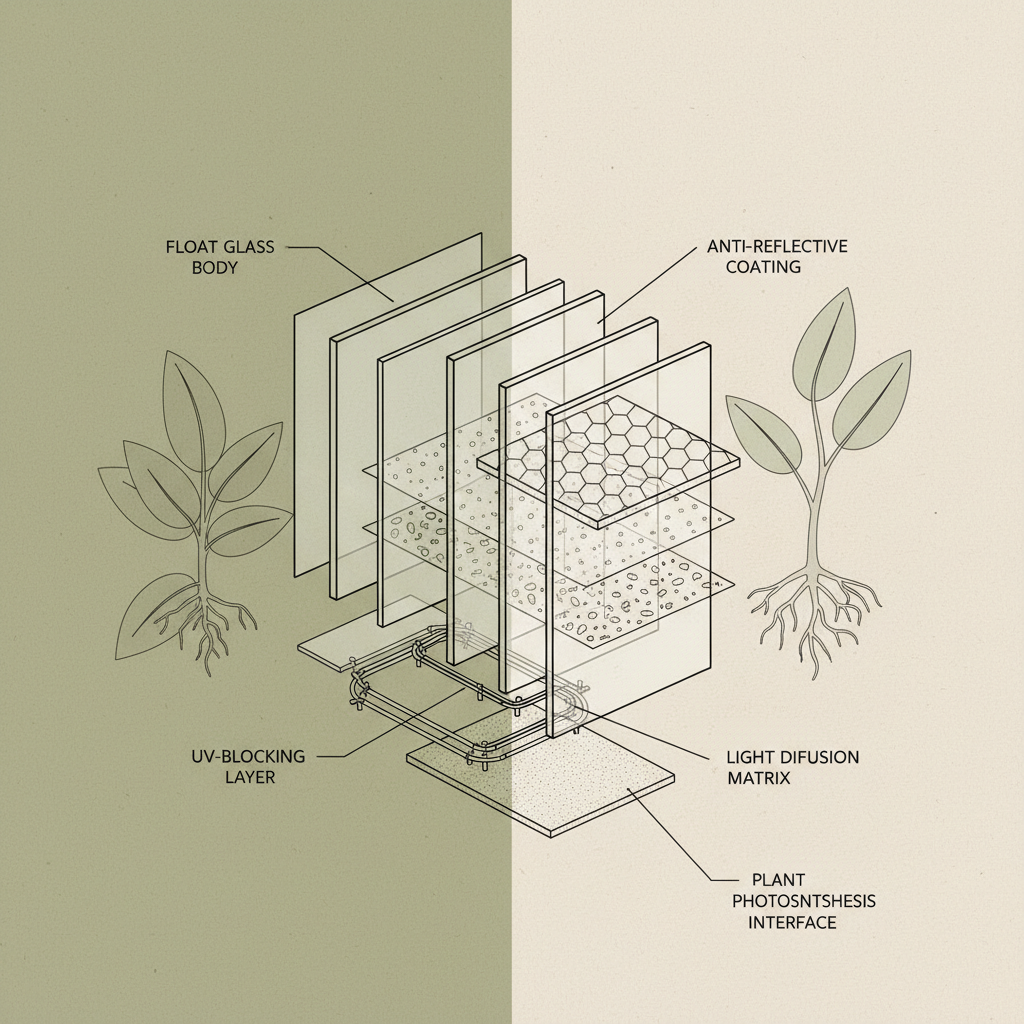
I've also seen a lot more coated glass lately – anti-reflective coatings, UV filters, even self-cleaning coatings. They add cost, but they can significantly improve performance.
Real-World Testing Protocols
Forget the lab tests. They’re useful, sure, but they don’t tell the whole story. Real testing happens on site. We simulate what’s actually going to happen: hail storms (we use a modified cannon, don’t ask), high winds (we build temporary wind tunnels), even accidental impacts (okay, sometimes that's just a dropped wrench).
We also do long-term exposure tests. Panels are left out in the elements for months, even years, to see how they hold up to UV radiation, temperature fluctuations, and humidity. You learn a lot from watching something slowly degrade over time.
Horticultural Float Glass Performance Metrics
How Users Actually Utilize It
You know, it's funny. We think they're going to use it one way, and then they do something completely different. For example, we sell a lot of horticultural float glass to vertical farms. We assume they're going to be meticulous about maintenance, keeping everything spotless. Not always. I visited one in New Jersey, and it was… dusty. Really dusty. They said cleaning it was too disruptive to the growing cycle.
Another thing: people try to retrofit it into existing structures. And that’s where things get tricky. Old buildings weren’t designed to support the weight of large glass panels. You have to reinforce everything, and it’s rarely as straightforward as it seems.
Advantages and Honest Disadvantages
Okay, the advantages are pretty clear: light transmission, UV protection, thermal insulation. It's a game-changer for growing. Plants thrive. And it’s durable, when installed correctly. But let’s be real: it's brittle. It breaks. It's expensive. And the lead times can be ridiculous. I was talking to a contractor last week, and he was waiting three months for a custom order. Three months!
And the waste is a problem. Cutting glass creates a lot of scrap. We’re trying to find ways to recycle it, but it’s not easy. It ends up in landfills too often.
Anyway, I think the biggest advantage, and I mean really, is the aesthetic. A well-designed greenhouse or sunroom with good horticultural float glass... it just looks good. Makes people feel good. That’s worth something.
Customization Capabilities and Examples
You want customization? We can do it. Sizes, shapes, coatings, even etching. Last month, that small boss in Shenzhen who makes smart home devices insisted on changing the interface to on the glass for some reason - and the result was three weeks of frustration trying to find a supplier who could actually deliver. He said it was for “future-proofing.” I still don’t get it.
We also do a lot of laminated glass. That’s where you sandwich a layer of plastic between two sheets of glass. It makes it much more impact-resistant. Good for security, good for areas prone to storms. And we can tint it, add patterns, anything you can imagine.
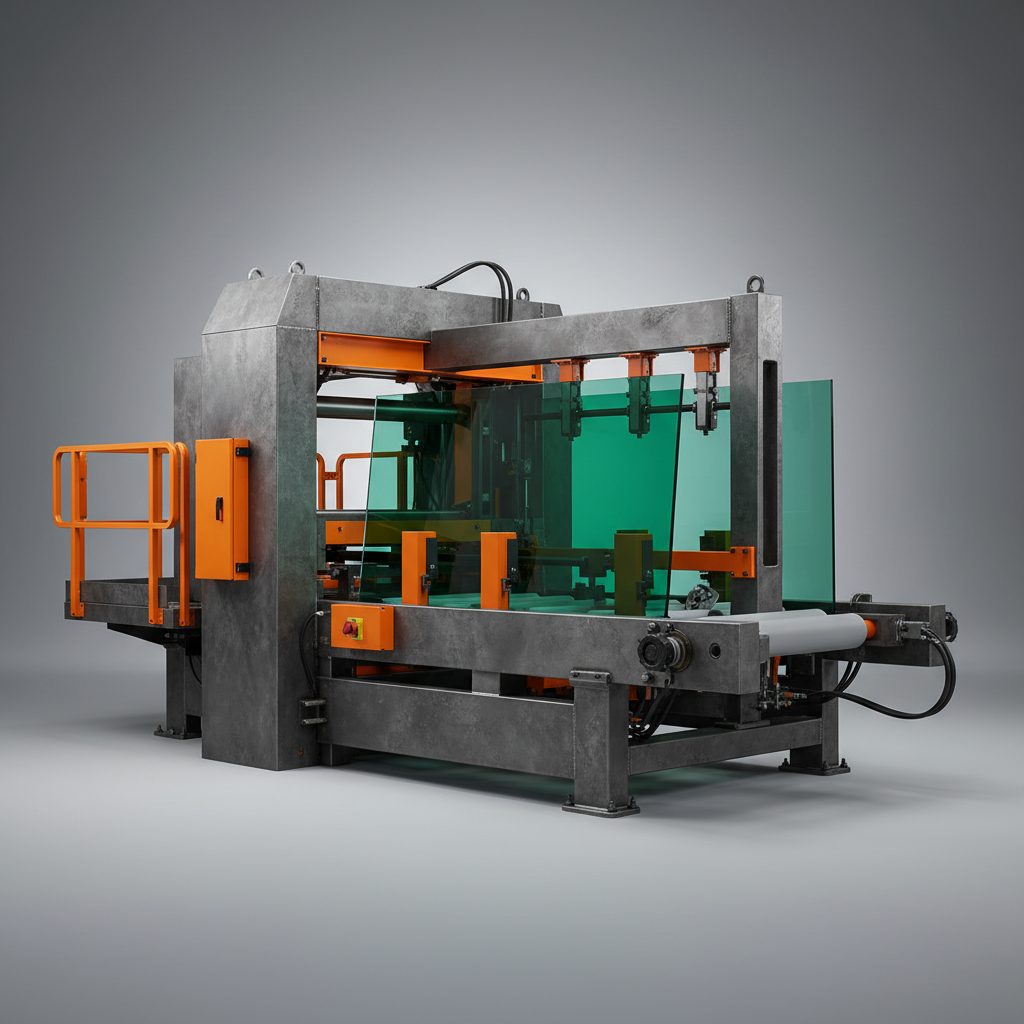
We can even create curved glass panels, though that’s a whole other level of complexity. It requires specialized machinery and a lot of skill.
Summary of Horticultural Float Glass Performance Attributes
| Attribute |
Standard Grade |
Premium Grade |
Cost (per sq. meter) |
| Light Transmission |
88% |
92% |
$45 |
| UV Blockage |
90% |
98% |
$60 |
| Thermal Insulation (U-value) |
2.8 W/m²K |
1.6 W/m²K |
$75 |
| Impact Resistance |
Moderate |
High |
$90 |
| Weight (per sq. meter) |
24 kg |
25 kg |
$50 |
| Clarity |
Excellent |
Superior |
$110 |
FAQS
Generally, with proper installation and maintenance, horticultural float glass in a greenhouse can last 20-25 years. However, factors like local climate (hail, extreme temperatures), quality of installation, and frequency of cleaning will impact this. We’ve seen some installations exceeding 30 years, but those are exceptions. Regular inspections are key to catching minor issues before they become major problems.
Thickness directly correlates to strength and insulation. Thicker glass offers better resistance to impacts and temperature fluctuations. However, it also significantly increases the cost. For standard greenhouse applications, 4mm or 6mm is common. For larger spans or areas with high wind loads, you'll need to go thicker – 8mm, 10mm, or even more. Finding the right balance between performance and budget is crucial.
Horticultural float glass is specifically formulated for optimal plant growth. It has higher light transmission, particularly in the PAR (Photosynthetically Active Radiation) spectrum, which plants need for photosynthesis. It also often includes UV filtering to protect plants from harmful radiation, and may have coatings for better heat retention or diffusion. Standard float glass is designed for windows and general glazing, and doesn't necessarily prioritize these factors.
Yes, horticultural float glass is recyclable, but it’s not as straightforward as recycling plastic or paper. It needs to be processed at specialized glass recycling facilities. The environmental impact comes from the energy-intensive manufacturing process, and the potential for waste during cutting and installation. We're seeing more emphasis on using recycled glass cullet in the manufacturing process, which helps reduce the carbon footprint.
Regular cleaning with a pH-neutral glass cleaner is essential to maintain light transmission. Avoid abrasive cleaners or harsh chemicals. Inspect for cracks or chips regularly, and address them promptly. Consider applying a protective coating to help prevent damage from scratches and UV radiation. Proper maintenance significantly extends the lifespan of the glass.
While it can be cut on-site, it's generally not recommended. Cutting glass requires specialized tools and expertise. Improper cutting can lead to weak edges and increased risk of breakage. It's much safer and more reliable to have the glass pre-cut to the exact dimensions by a professional glass fabricator. Plus, you minimize waste that way.
Conclusion
So, horticultural float glass: it’s not just a piece of material. It's a system. It’s about understanding the science, the installation, the maintenance, and even the way people actually use it. It’s about finding the right balance between performance, cost, and sustainability.
Ultimately, whether this thing works or not, the worker will know the moment he tightens the screw. Because if it’s wrong, it’ll wobble. And if it wobbles, it’s no good. That's what I always say. If you're thinking about a project, do your homework, talk to the right people, and don’t skimp on the quality. You’ll save yourself a headache in the long run. And if you need advice, give us a shout at www.tptopglass.com.